
Antique Botanical Porcelain
Antique botanical porcelain brings natural history and hand-painted flora directly into domestic spaces on delicate ceramic surfaces.
Antique Botanical Porcelain
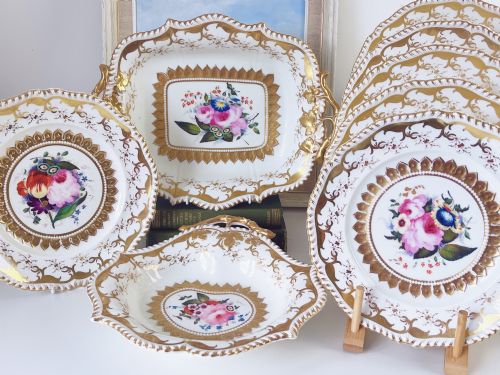
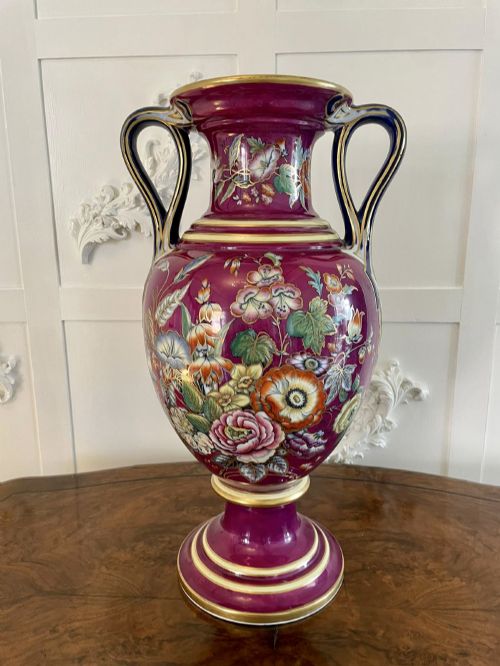
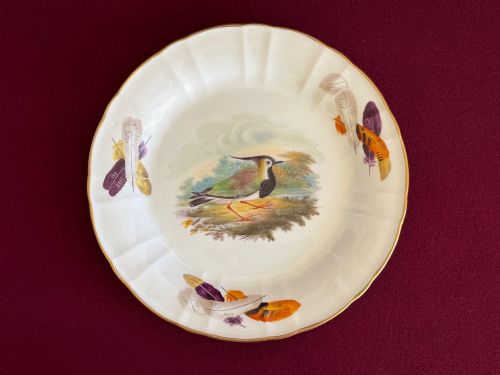
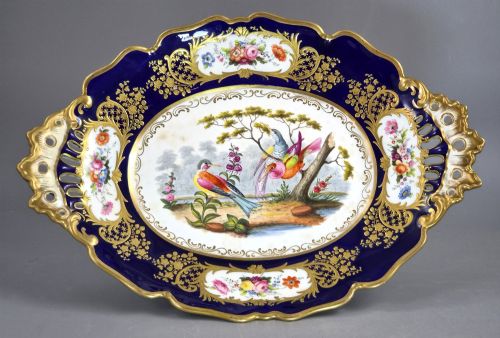
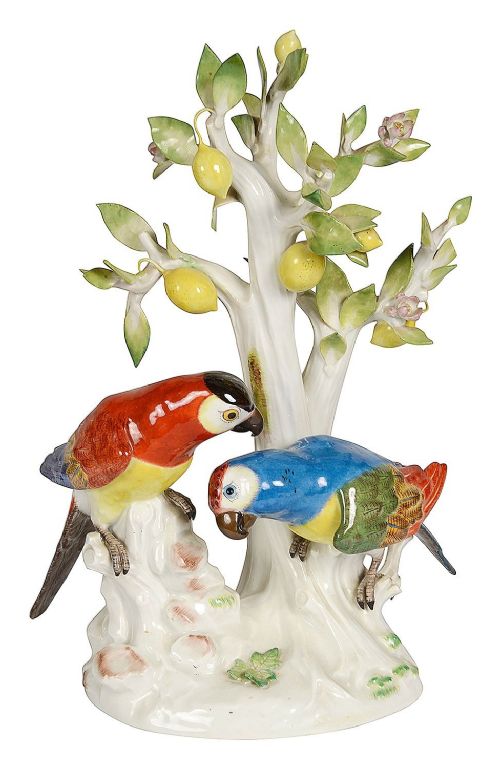
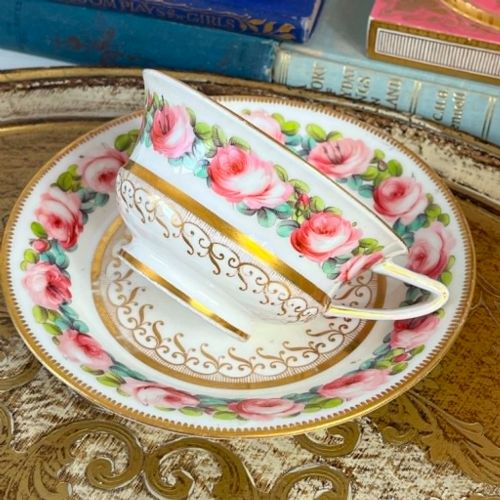
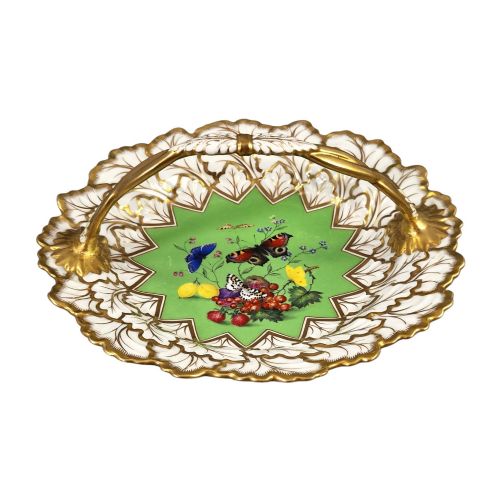
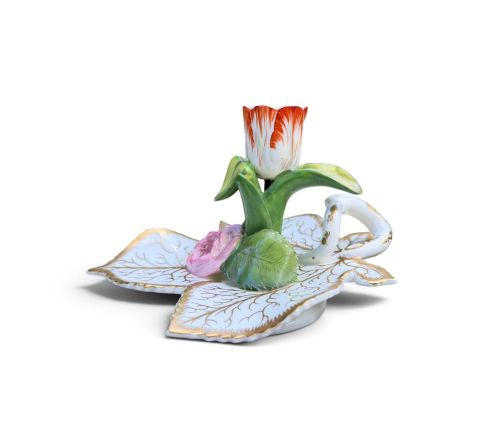
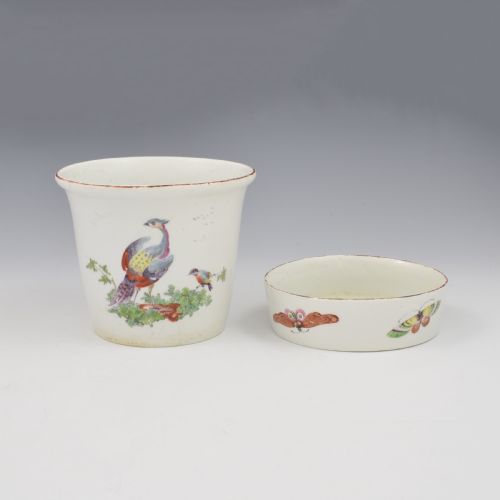
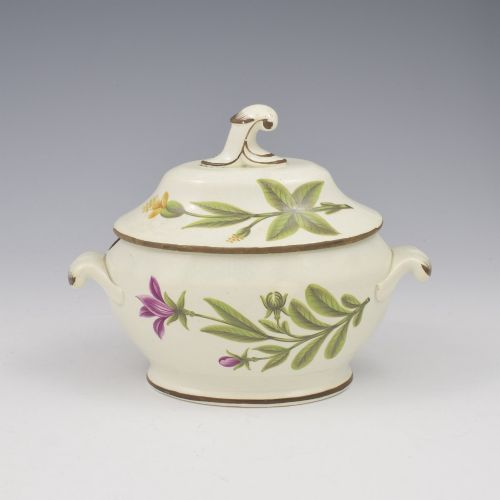
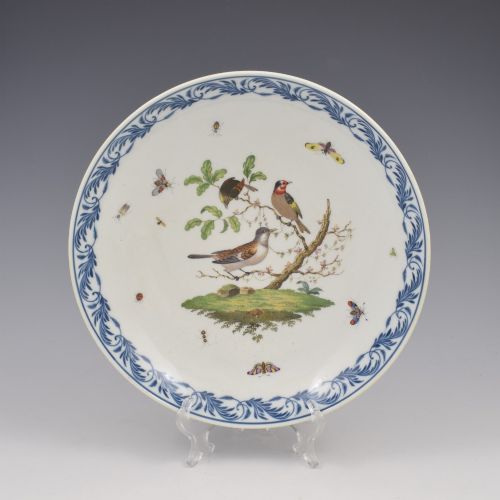
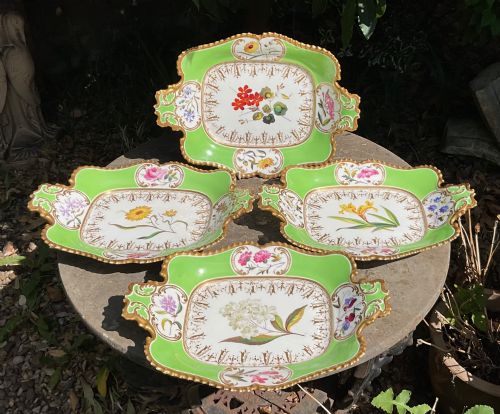
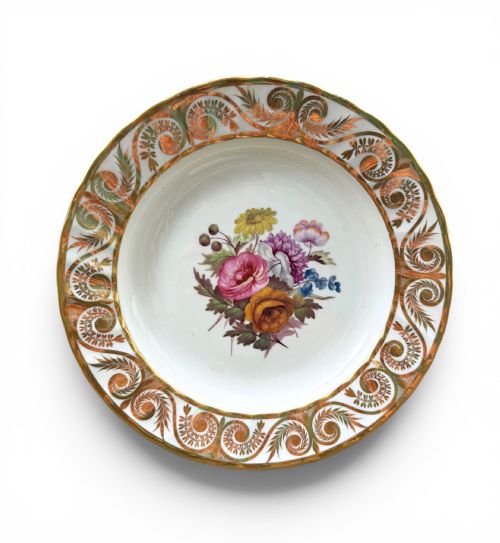
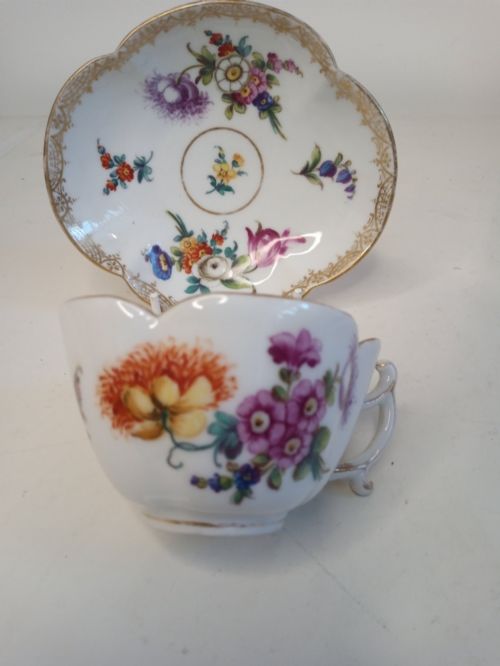
Antique botanical porcelain encompasses decorative plates, cabinet dishes, and vessels painted with floral, bird, and plant subjects from the eighteenth century to the early twentieth century.
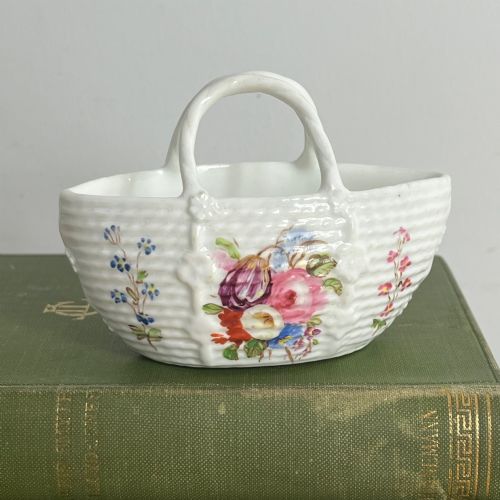
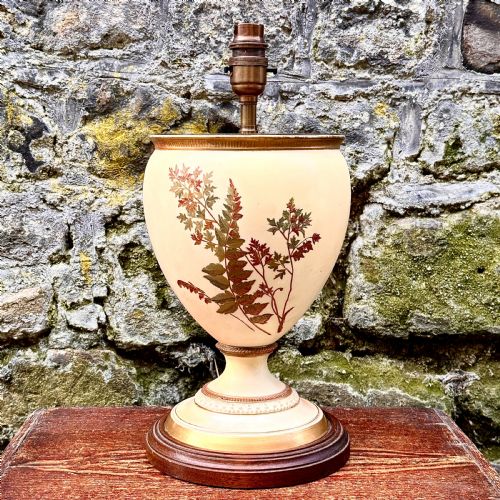
Buyers encountering this phrase find items ranging from Georgian dessert services and Regency porcelain baskets to Victorian cabinet plates and Edwardian table lamps.
The selection reflects production from major English and continental factories, uniting functional tableware with detailed natural history illustration.
Materials and production
Pieces utilise hard-paste porcelain, bone china, pearlware, and earthenware, often enhanced with enamel colours, gold leaf, and gilding.
Decorations rely on hand-painted botanical and ornithological artistry applied over glazed ceramic bodies during periods spanning Rococo, Regency, and Aesthetic styles.
Quality and execution
Quality rests on the precision of the hand-painted botanical details and the crispness of the porcelain or bone china body.
Finer examples demonstrate skilled brushwork by known artists and disciplined application of gold leaf gilding rather than standard transfer printing.
Grainger Lee And Co·Flight Barr And Barr·Wedgwood·Coalport·Meissen·Davenport·Chamberlains Worcester·Royal Doulton·Minton·Bloor Derby·H And R Daniel·Spode·Copeland·Sevres·Furstenberg·Chelsea Derby
The Antique Botanical Porcelain Glossary
- Cabinet plate
- A decorative ceramic plate intended for display in a cabinet rather than for regular dining use. These often feature elaborate hand-painted subjects.
- Bone china
- A type of soft-paste porcelain incorporating bone ash, developed in England to create a durable, translucent white ceramic body.
- Hard-paste porcelain
- A true porcelain made from kaolin and petuntse fired at high temperatures, producing a dense, vitreous material.
- Pearlware
- An earthenware body developed in the late eighteenth century with a bluish glaze that pooled slightly in recesses to mimic Chinese porcelain.
- Enamel
- Opaque glass-based pigment fused to the porcelain surface through kiln firing to render permanent, vibrant botanical colours.
Antique Botanical Porcelain: Frequently Asked Questions
How were these pieces used historically?
Antique botanical porcelain plates and services served affluent households for formal dining, dessert courses, and the display of wealth and botanical knowledge.
Cabinet plates and vases functioned purely as ornamental objects in drawing rooms, showcasing the latest natural history discoveries to visiting guests.
Can I use these plates for daily dining?
Most antique botanical porcelain pieces are intended for gentle display or light collection use rather than heavy daily dining and modern dishwashing.
Hand-painted enamels and delicate gold leaf gilding require careful maintenance to preserve the original surface decoration over time.
How do I identify a Regency period piece?
Regency items often display specific stylistic traits like classical forms, cobalt blue grounds, and refined botanical hand-painting typical of the early nineteenth century.
Examining the factory marks, paste composition, and stylistic motifs helps narrow the manufacture date between the late eighteenth and mid-nineteenth centuries.
What is the difference between porcelain and bone china?
Traditional porcelain relies on kaolin and petuntse fired at high temperatures to achieve a vitrified, translucent body common in continental factories.
Bone china incorporates animal bone ash into the ceramic formula, creating a robust, warm white body widely adopted by English potteries.