
Edwardian Porcelain Plate
When you handle an edwardian porcelain plate, you touch an era of skilled painting and delicate porcelain bodies.
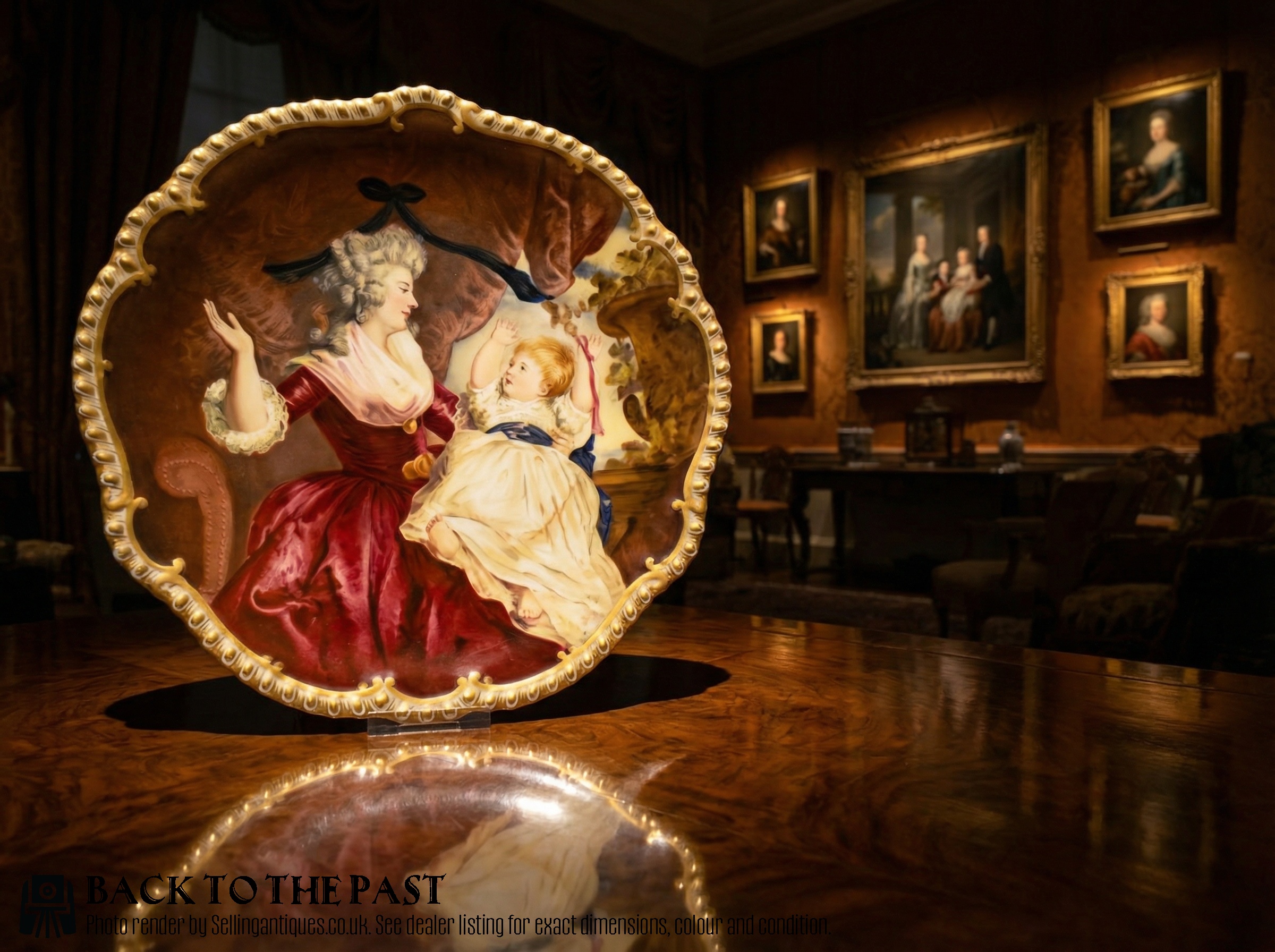
Edwardian Porcelain Plate
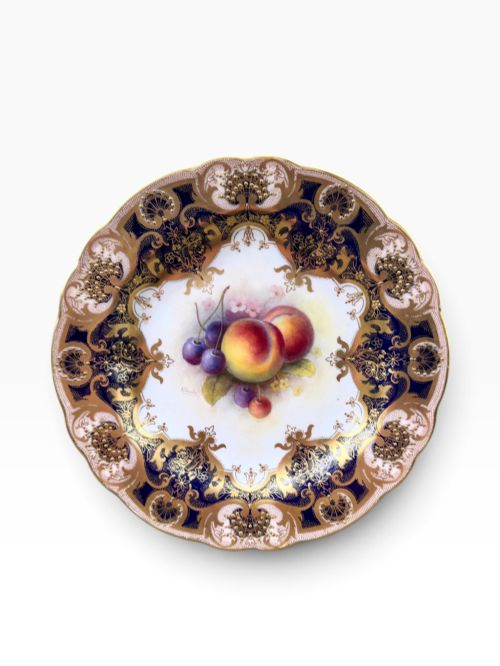
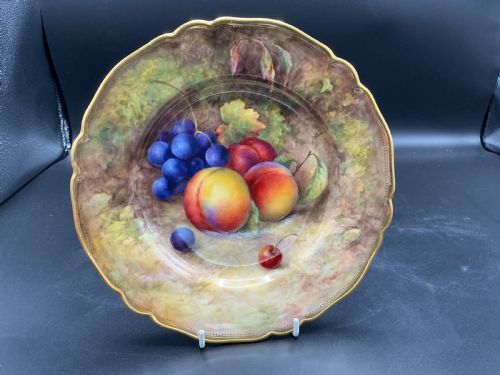
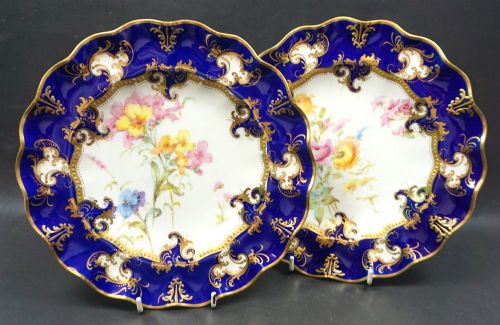
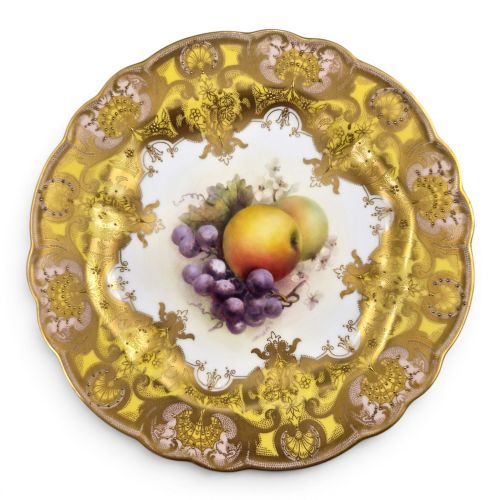
An edwardian porcelain plate represents the fine ceramic production of the early twentieth century, spanning cabinet pieces, decorative dishes, and specialised tableware. You will frequently encounter rich hand-painted botanical or fruit designs alongside traditional transfer-printed wares.
The selections on this page bridge the late Victorian period and the early decades of the twentieth century, carrying the stylistic weight of the Edwardian era. Makers ranged from prominent English potteries to specialised artists working within established factories.
How They Were Made
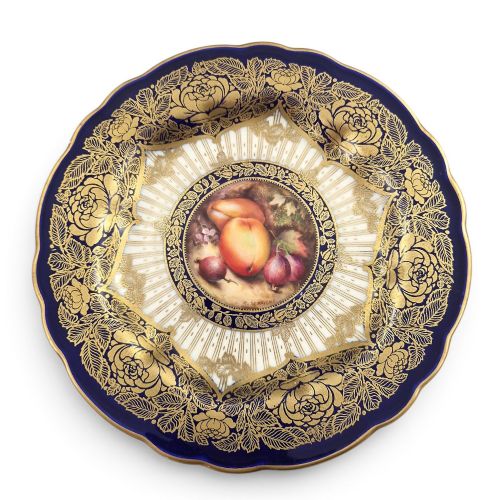
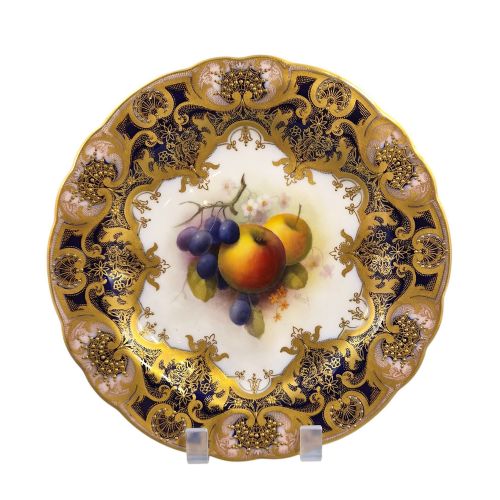
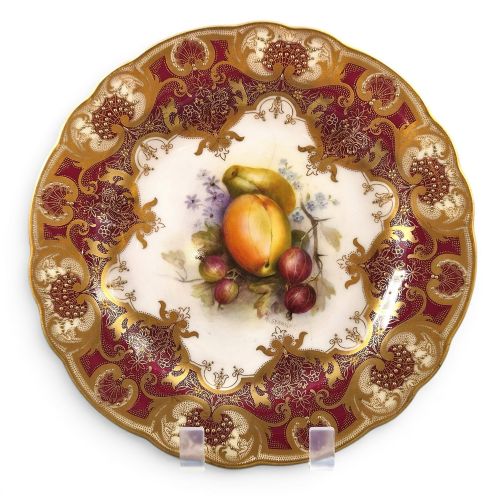
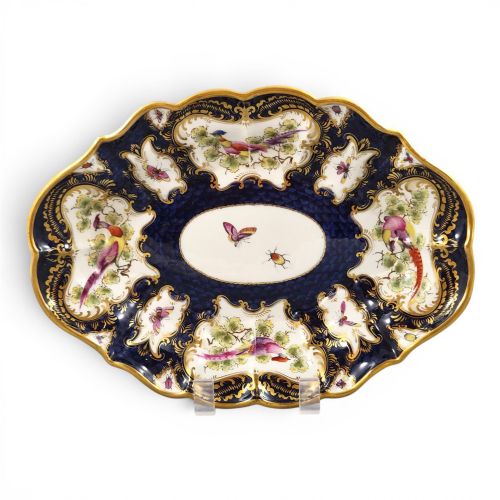
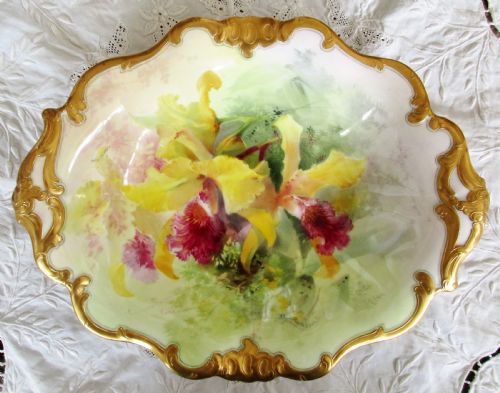
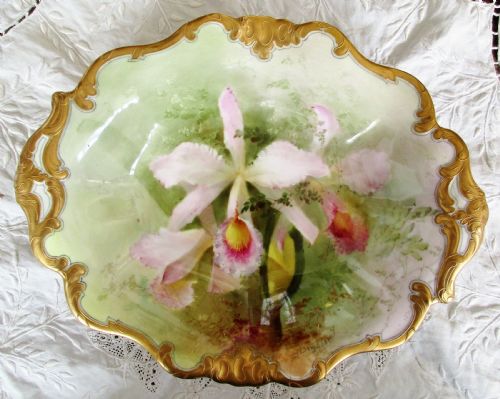
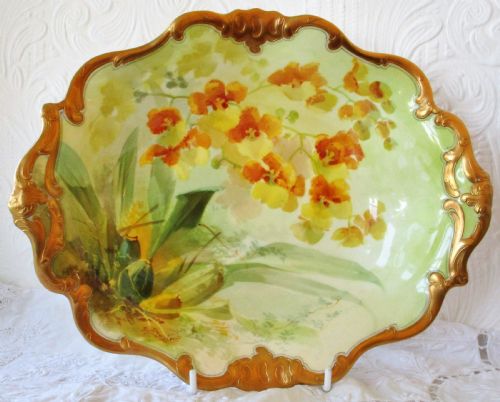
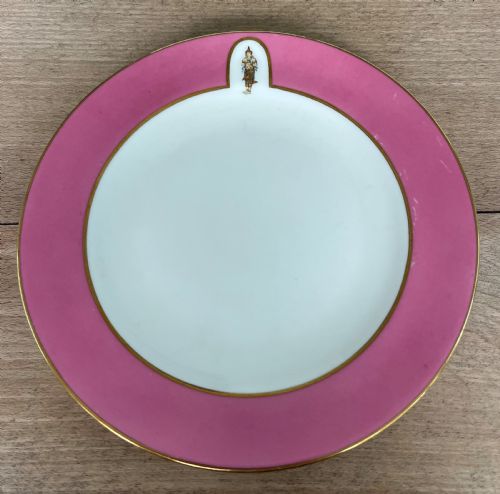
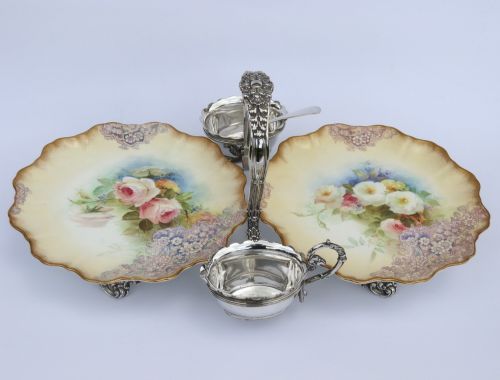
Potters shaped fine porcelain and bone china bodies, often applying delicate glazes such as blush ivory or cobalt blue grounds before secondary firing. Artisans then executed detailed hand-painted scenes of fruit, flowers, and birds directly onto the ceramic surface.
Gilding techniques played a crucial role in finishing these pieces, utilising gold leaf and heavy tooled gilt borders to frame the central painted motifs. Silver plating and enamel enhancements also appear across specific tableware and decorative serving forms.
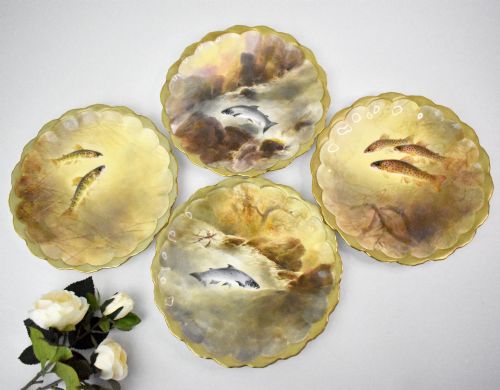
Listings show a strong concentration of Royal Worcester porcelain painted by recognised artists such as Richard Sebright and Albert Shuck.
What Varies in Quality
The distinction between standard production wares and exceptional pieces rests primarily on the skill of the decorator and the prestige of the manufacturing house. Signed works by noted ceramic artists command attention for their detailed brushwork and artistic execution.
The complexity of the ceramic body and the richness of the gilding also define the upper tier of the range. Intricate shapes, specialised cobalt grounds, and bespoke commissions elevate specific plates above standard commercial production.
Royal Worcester·Royal Crown Derby·Royal Doulton·Cauldon Ltd·Walker And Hall·Doulton Burslem·Crown Devon·Mason·Grainger And Co·Coalport·Wileman Foley Shelley·Wedgwood
The Edwardian Porcelain Plate Glossary
- Cabinet plate
- A decorative ceramic plate intended for display in a cabinet rather than for regular dining use. These items typically feature elaborate hand-painted scenes by named artists.
- Bone china
- A type of soft-paste porcelain incorporating bone ash, known for its high strength, chip resistance, and warm white translucency. It formed the body of much fine British tableware.
- Gilding
- The application of gold leaf or powdered gold to the surface of porcelain. Artisans utilised this technique to create decorative borders and highlights around painted central panels.
- Blush ivory
- A matte cream-coloured ceramic glaze developed by Royal Worcester that mimics the tone of ivory. It provided a soft background for pastel floral decorations during the period.
Edwardian Porcelain Plate: Frequently Asked Questions
How do I display a cabinet plate?
Cabinet plates were originally designed to be shown off in glazed display furniture or mounted securely on walls using specialised spring hangers. Ensure any wall mount is properly padded to protect the fragile ceramic edges from scratching.
Keep your displayed plates away from direct sunlight to preserve the vibrant hues of the hand-painted enamels and delicate gilding over decades of enjoyment.
Were these plates used for dining?
While the evidence includes functional forms like side plates and soup dishes, many items categorized as cabinet plates were purely decorative objects made for visual admiration. These finer pieces feature heavy gilding and delicate hand-painted surfaces that were unsuitable for daily culinary use.
When handling older service items, check the surface for utensil marks to determine whether a particular dish saw actual service at the dining table.
How can I identify the date of a piece?
Potteries often stamped their wares with specific backstamps, cyphers, or date dots that correspond to the year of manufacture. Examining the style of the mark alongside the painting technique helps narrow down the production period.
The recorded dates on this page point primarily to the early twentieth century, reflecting the stylistic preferences of the Edwardian era.
What subjects are painted on these plates?
Decorators frequently drew inspiration from the natural world, applying detailed studies of fruit, garden flowers, orchids, and game birds onto the ceramic surface. Master artists signed their miniature botanical and fruit scenes, turning functional porcelain into fine art.
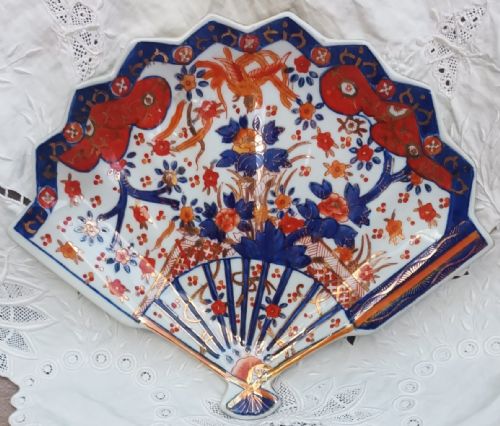
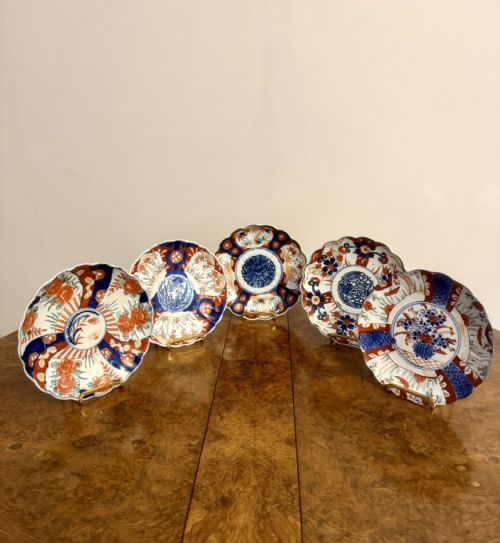
Japanese Imari patterns also appear frequently, showcasing intricate blue and iron-red designs influenced by traditional East Asian aesthetics.