



Gilt Rim Cabinet Plate
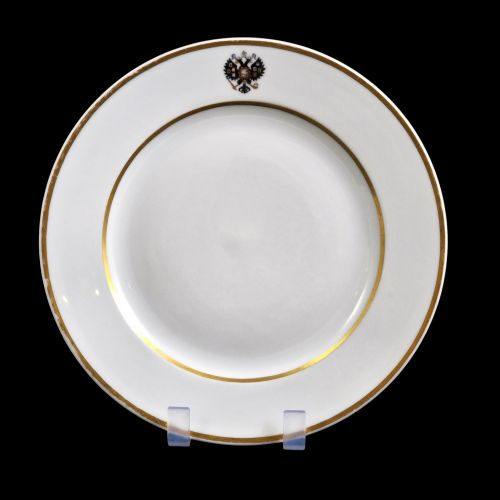
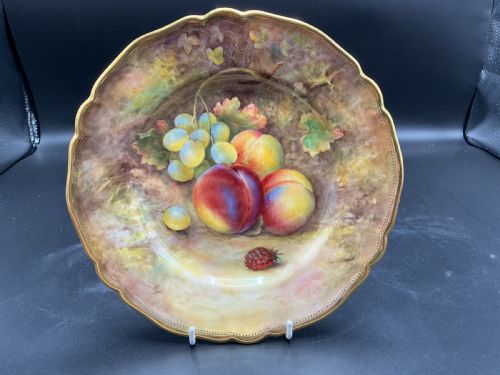
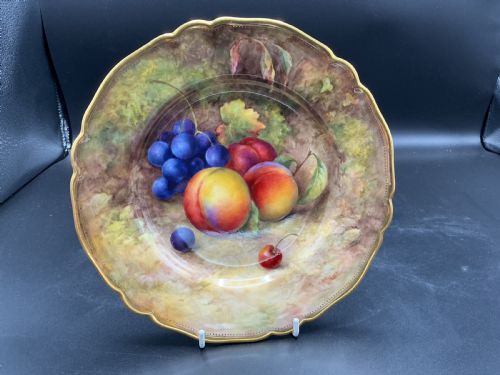
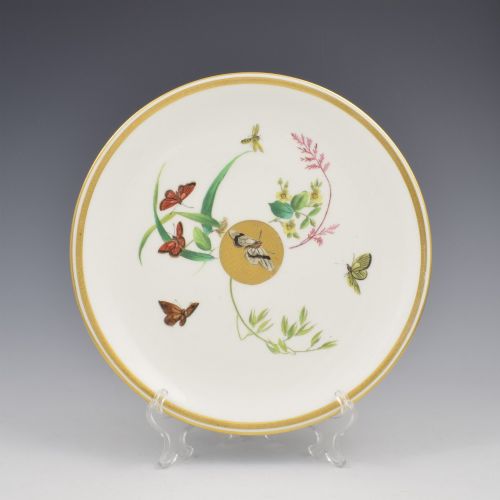
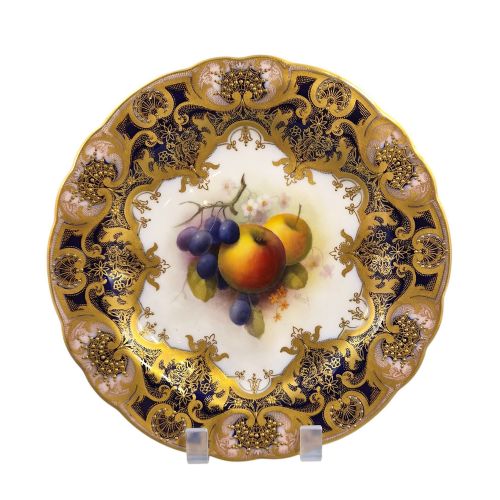
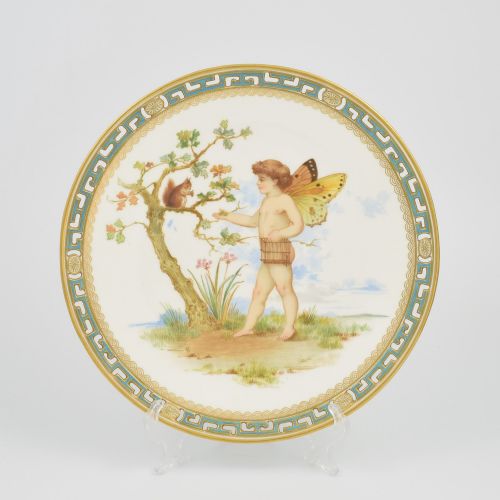
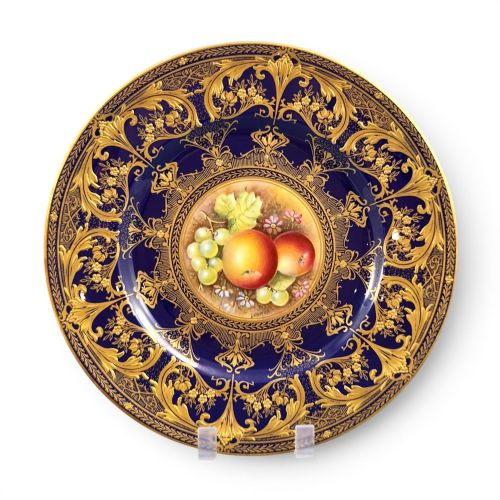
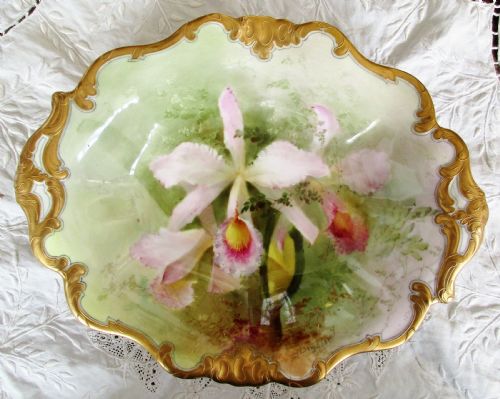
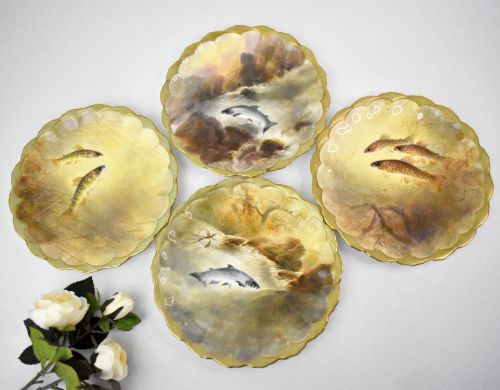
A gilt rim cabinet plate brings intricate hand-painted detail and rich gilding to a wall display or side table.
Gilt Rim Cabinet Plate
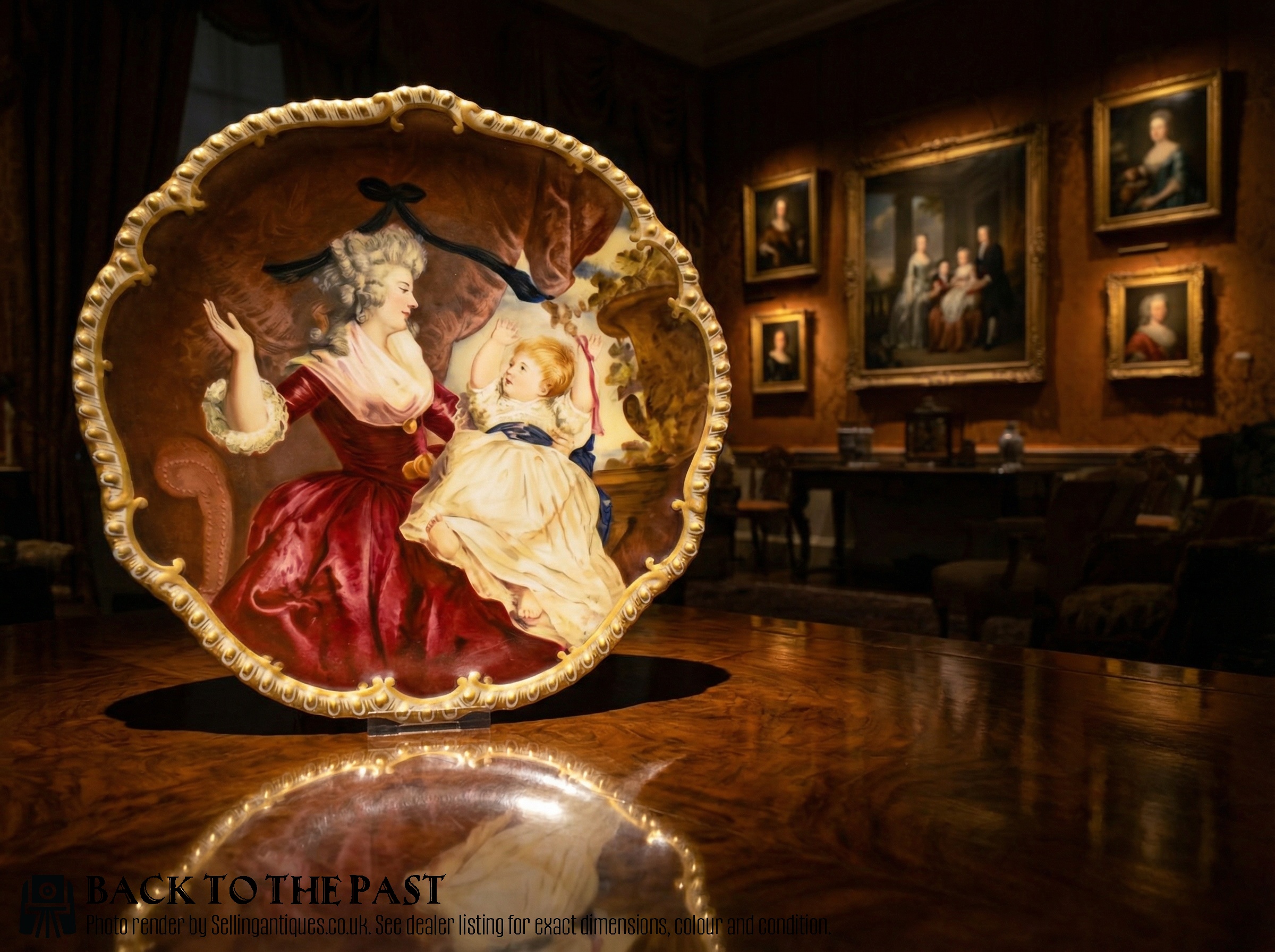
A gilt rim cabinet plate is a decorative ceramic piece intended primarily for display rather than dining. These plates span the nineteenth and twentieth centuries, encompassing Victorian, Edwardian, and mid-century aesthetics.
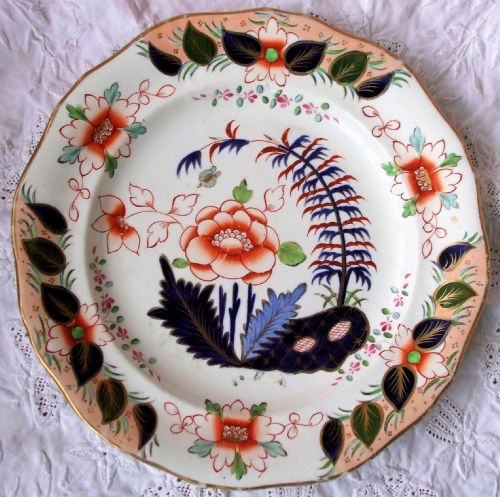
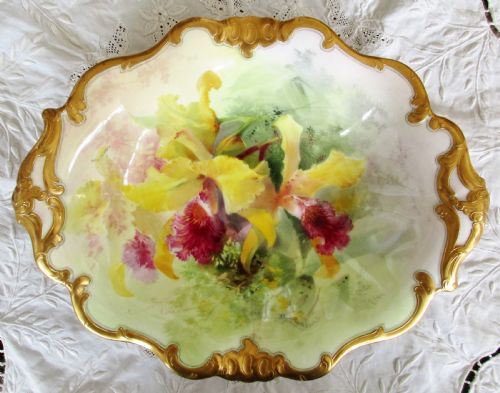
The selections on this page include porcelain and bone china dishes featuring gilded borders, hand-painted fruit scenes, botanical studies, and Japanese-influenced motifs. Forms range from standard cabinet plates to deep soup dishes and large chargers.
Makers represented in these listings span English works like Royal Worcester, Minton, and Coalport alongside continental factories such as Meissen and Sevres. Each piece highlights the ornamental capacity of fine ceramic body shapes framed in gold.
Materials and construction
Potters shaped these objects using refined porcelain, bone china, ironstone, and enamel. The ceramic bodies were fired before receiving hand-painted pigments depicting flora, fauna, or classical figures.
Gilding techniques involved the application of gold leaf or liquid gold to the rims and borders, which was then fired and polished to achieve a lasting shine. Pierced work, reticulation, and moulded rope edges required precise manual intervention prior to glazing.
Gilt Rim Cabinet Plate Retail Price Guide 2026
Typical asking prices for gilt rim cabinet plate among the pieces listed under this phrase on Sellingantiques today, from the lower quarter to the upper quarter. They describe what is for sale here now, not the wider market.
Listings feature porcelain, bone china, and ironstone plates decorated with gold leaf, enamel, and gilt highlights across Victorian, Edwardian, and mid-century periods.
Judging the work
Quality rests in the precision of the hand-painted artistry and the crispness of the porcelain moulding. Plates painted by named studio artists display greater detail in subjects like fruit, birds, or orchids than standard factory output.
The weight, translucency of the bone china or porcelain, and the depth of the gilding separate standard production items from exhibition-grade pieces. Preservation of the enamel colours and the brightness of the gold rim dictate the overall standard.
Royal Worcester·Minton·Royal Doulton·John Davenport of Longport·Cauldon Ltd·Meissen·Sevres·Grainger and Co·Coalport·Fukagawa·Wedgwood·Crescent China
The Gilt Rim Cabinet Plate Glossary
- Cabinet plate
- A decorative ceramic plate intended for display in a cabinet or on a wall rather than for everyday service. These items usually feature elaborate painted scenes and gilded rims.
- Bone china
- A type of porcelain composed of clay mixed with bone ash, resulting in a strong, highly translucent white body. It allows for thinner walls and delicate moulded shapes.
- Gilding
- The application of gold leaf, gold dust, or gold paint to the surface of ceramics. This finish highlights the edges, handles, and borders of decorative plates.
- Ironstone
- A heavy, durable earthenware developed in England as a tougher alternative to porcelain. It takes enamel decoration and gilt trim effectively while offering robust body strength.
- Reticulation
- An openwork pattern pierced through the ceramic body before firing. This technique creates a delicate lace-like border around the edge of the plate.
Gilt Rim Cabinet Plate: Frequently Asked Questions
What is a gilt rim cabinet plate used for?
These items were created for visual display in cabinets, on sideboards, or mounted on walls rather than for holding food. They functioned as ornamental pieces to showcase wealthy domestic interiors and artistic skill.
Collectors today continue to display them on plate stands or wall hangers to highlight the painted centres and bright gold borders.
How do I identify the period of a plate?
Dating relies on factory backstamps, impressed marks, and stylistic clues such as Aesthetic Movement motifs or Victorian floral arrangements. Comparing the painting style to known works by recorded artists also helps narrow down the decade.
Material consistency and rim styles, such as pierced edges or heavy gilding, further point towards specific manufacturing eras.
Are these plates safe for food use?
Cabinet plates are generally not recommended for dining due to delicate enamel paints and fragile gold leaf rims that can wear away. Historic glazes may also lack modern durability standards for culinary service.
Gentle dusting with a dry cloth is the preferred method of upkeep to preserve the painted decoration.
What makes a piece artist-signed?
Certain plates feature the actual signature or monogram of the ceramic painter working for factories like Royal Worcester or Minton. These signatures indicate individual authorship of the painted fruit, birds, or botanical studies.
Signed works typically command greater interest from collectors than anonymous factory-decorated items.