
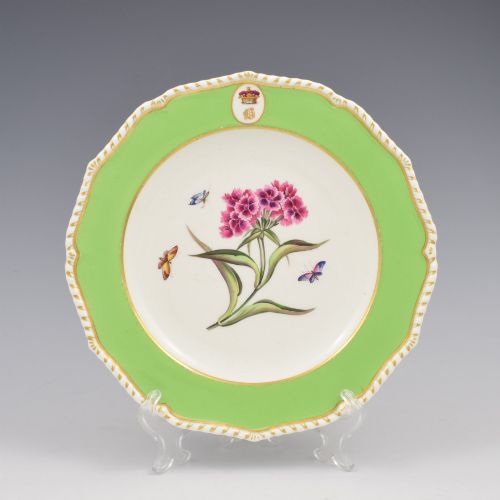
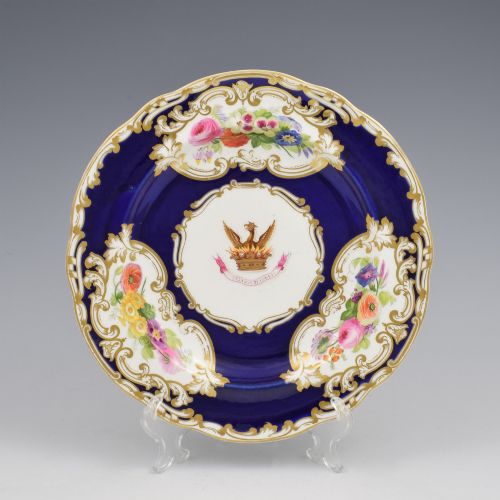


Gilt Bone China Plates
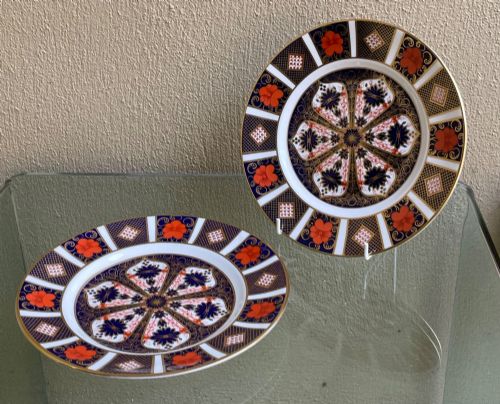
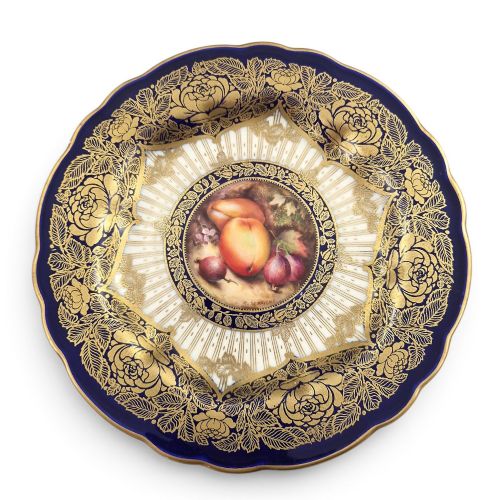
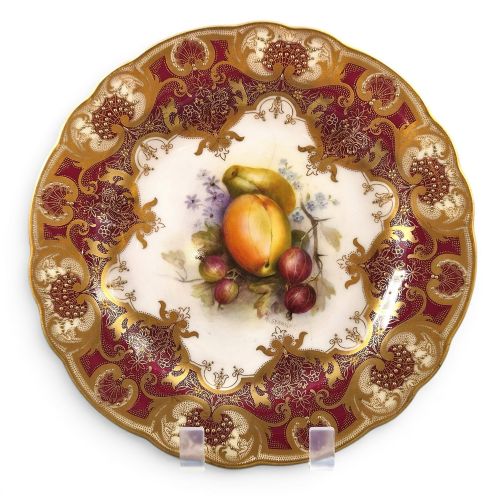
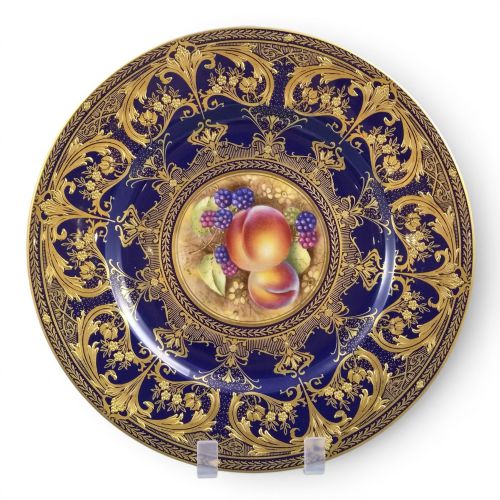
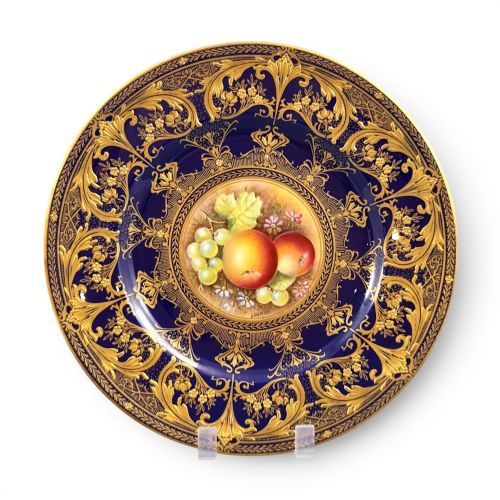
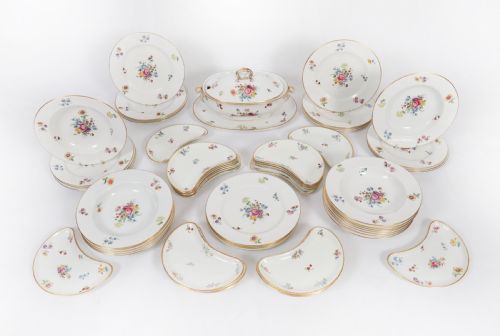
These gilt bone china plates bring together fine English ceramic manufacturing and rich metallic embellishment, offering any dining room or cabinet a touch of historic elegance.
How They Were Made
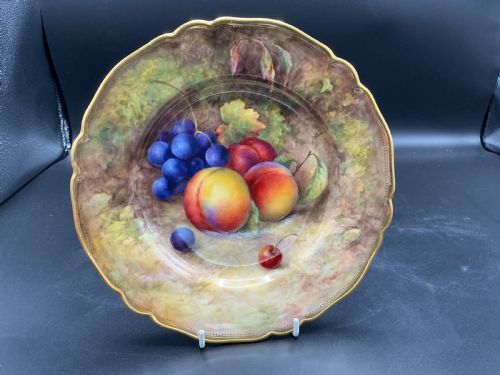
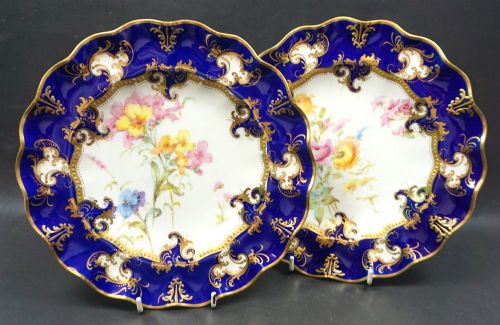
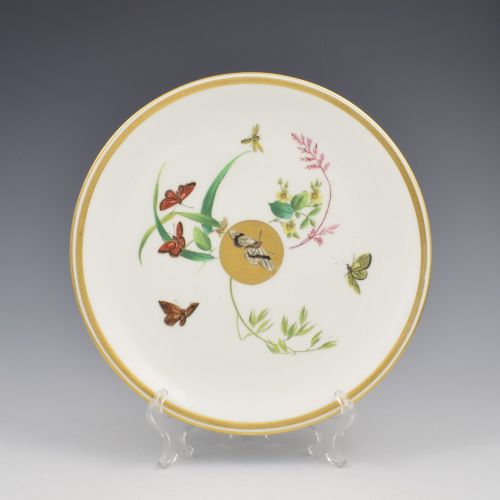
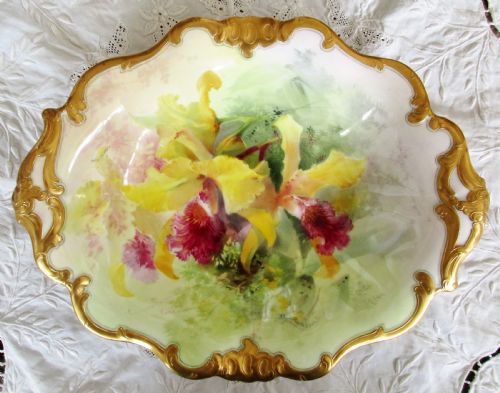
Makers utilised bone china and porcelain bodies as the primary foundation, shaping them through moulding and throwing before initial firing. Artisans then applied enamel colours by hand, often depicting botanical specimens, landscapes, or crests with fine brushwork.
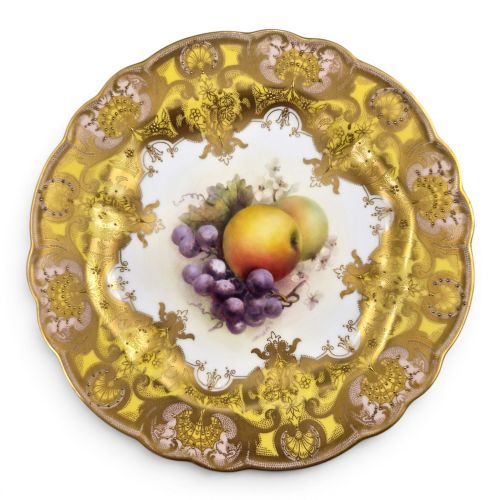
Gold leaf and liquid gilding provided the metallic highlights, applied by hand to rims, cavetti, and raised borders before a final kiln fixation. Techniques such as pate-sur-pate and enamel layering added tactile depth to the decorated surfaces.
What Varies in Quality
The standard of painting separates standard production wares from the finest cabinet pieces, particularly when signed by known studio artists. Hand-painted botanical and fruit studies executed with precise brushwork command greater attention than simple transfer-printed motifs.
The application and preservation of the gold leaf also dictate overall merit, with burnished gilding showing superior craftsmanship compared to flat metallic paint. Furthermore, the crispness of moulded details and the translucency of the underlying bone china body indicate the workshop's initial ambition.
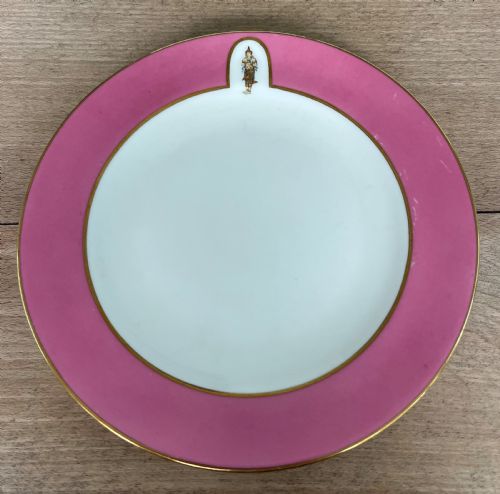
King Rama V of Siam dined off Cauldon porcelain, proving that British gilt plates travelled far beyond Victorian dining rooms into royal foreign palaces.
Royal Crown Derby·Royal Worcester·Royal Doulton·Copeland Spode·Minton·Coalport·Chamberlain Worcester·Wedgwood
The Gilt Bone China Plates Glossary
- Cabinet plate
- A decorative ceramic plate intended for display rather than dining use. These items frequently feature elaborate hand-painted scenes and heavy gilding.
- Armorial
- A ceramic design incorporating a family crest, coat of arms, or heraldic insignia. Such pieces were often commissioned by landed families for formal dining services.
- Pate-sur-pate
- A method of porcelain decoration where wet white slip is built up in successive layers on a coloured background to create a low relief cameo effect.
- Gilding
- The application of gold leaf or powdered gold to ceramic surfaces. This finish is typically fired at high temperatures to ensure permanent adhesion to the glaze.
Gilt Bone China Plates: Frequently Asked Questions
Can I use these plates for dining?
Most antique and vintage cabinet plates are intended for display or light dessert service rather than heavy everyday meals. Cutlery can easily scratch the hand-painted glazes and wear down the raised gilding over time.
If you do choose to serve food on them, opt for soft foods and hand wash the pieces immediately afterward. Many collectors prefer to mount them securely in wall brackets or display cabinets to preserve their condition.
How do I identify the period of a plate?
Makers' marks stamped, printed, or painted on the underside serve as the most reliable indicator of a piece's age and origin. Different potteries altered their backstamps through the Victorian, Edwardian, and later periods, often incorporating subtle date ciphers or registry numbers.
Stylistic clues such as floral borders, colour palettes, and painting techniques also help narrow down the decade of production. Comparing the piece to documented factory patterns provides further confirmation.
What is the difference between porcelain and bone china?
Traditional porcelain is composed of china clay and petuntse, fired at high temperatures to create a hard, vitrified body that is often somewhat translucent. Bone china incorporates calcined animal bone ash into the mixture, which results in a warmer tone and exceptional strength.
Both materials accept enamels and gold gilding readily, but bone china became the preferred medium for many nineteenth- and twentieth-century English manufacturers. This composition allowed potteries to produce thinner, more refined plates without sacrificing durability.