
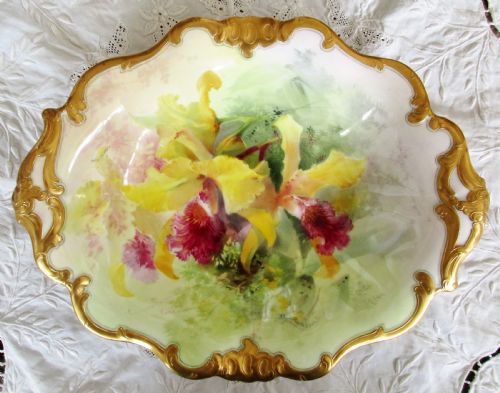


Gold Leaf Ceramic Plate
A gold leaf ceramic plate brings tactile weight and layered historic lustre to a wall or table.
Gold Leaf Ceramic Plate
A gold leaf ceramic plate unites refined porcelain or earthenware bodies with applied metallic detail, creating a distinctive decorative object for the cabinet or wall. When searching for a gold leaf ceramic plate, a buyer encounters cabinet plates and decorative dishes ranging from nineteenth-century Victorian productions to early twentieth-century examples.
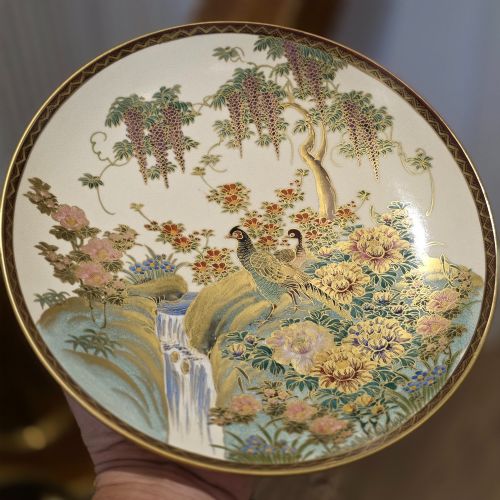
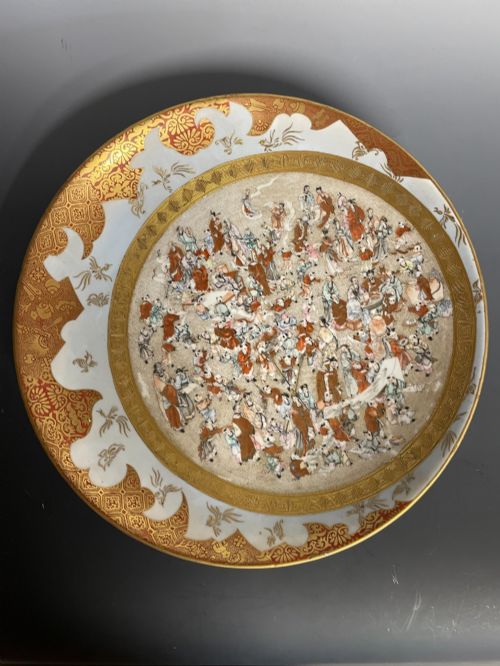
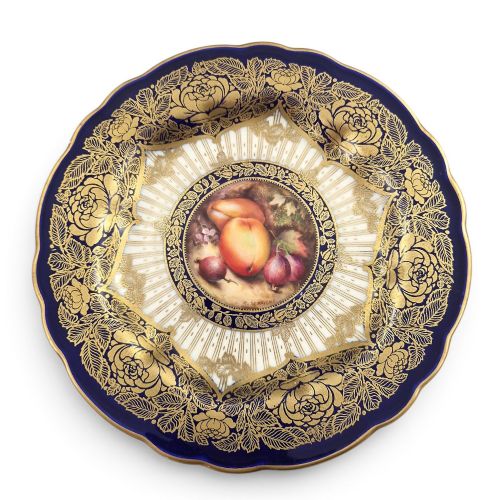
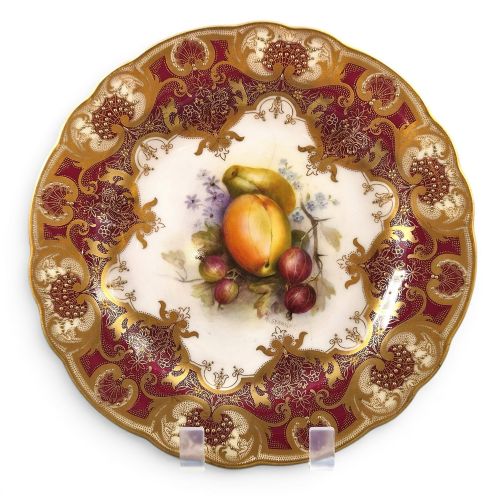
The selections on this page span diverse aesthetic traditions, featuring English bone china, German porcelain, and Japanese Satsuma or Kutani wares. These pieces often serve purely ornamental purposes, designed to showcase detailed hand-painted fruit, birds, or mythological scenes framed by rich gilding.
Makers such as Royal Worcester, Minton, and Royal Vienna dominate the British and European offerings, bringing formal painted artistry to the ceramic surface. Alongside these, Asian workshops contribute finely decorated dishes that integrate metallic leaf into intricate narrative designs.
How they were made
Potters formed these pieces using porcelain, bone china, or earthenware, shaping them into cabinet plates, chargers, and decorative dishes before firing the clay body. Artisans then applied painted decoration using enamel colours, often executing botanical studies, fruit, or figural scenes by hand.
Gilding and metal application involved laying fine gold leaf or gold gilding onto the glazed surface, frequently secured with heat or burnished to achieve a brilliant contrast against the ceramic background.
Butterflies and succulent fruits shared cabinet space in Victorian drawing rooms, proving that dessert plates could double as natural history lessons.
What varies in quality
The distinction between standard decorative items and exceptional examples lies in the execution of the hand-painted artistry and the precision of the gilding. Cabinet plates signed by known artists such as Richard Sebright or David Dewsberry command attention through meticulous brushwork and botanical accuracy.
Materials and historical provenance also dictate standing, with fine bone china and soft-paste porcelain providing a superior canvas for detailed enamel work. The crispness of the moulded shape, whether basketweave or rococo revival, completes the assessment of overall refinement.
Koshida·Royal Worcester·Royal Doulton·Copeland·Minton·Derby·Barr Flight and Barr·Meissen·Royal Crown Derby
The Gold Leaf Ceramic Plate Glossary
- Cabinet plate
- A decorative ceramic plate intended for display in a cabinet or on a wall rather than for daily dining use. These pieces usually feature elaborate hand-painted scenes and rich gilding.
- Gilding
- The application of gold leaf, gold powder, or liquid gold onto the surface of porcelain or earthenware. This technique highlights rims, handles, and painted motifs.
- Pate sur pate
- A French ceramic decoration technique where layers of liquid white clay are built up on a coloured clay body to create a low relief cameo effect.
- Soft-paste porcelain
- An artificial porcelain composition fired at lower temperatures than hard-paste, producing a warm glaze and a slightly softer body favoured by early factories.
Gold Leaf Ceramic Plate: Frequently Asked Questions
How do I display a cabinet plate?
Cabinet plates are traditionally housed in glazed display furniture or mounted securely on walls using specialised plate hangers. Their decorative surfaces are thus protected from daily wear while remaining fully visible.
Because many examples feature delicate gold leaf and hand-painted enamels, placement away from direct, harsh sunlight helps preserve the vibrancy of the pigments over time.
Are these plates meant for food use?
Most of these pieces function as decorative dishes and cabinet plates rather than tableware. The presence of delicate gold leaf and intricate enamel work means they are generally unsuited for active dining.
Gentle dusting with a soft, dry cloth is usually sufficient for maintenance. Washing is best avoided to protect the fragile gilded borders and painted surfaces.
How can I tell the period of a ceramic plate?
Dating often relies on factory backstamps, stylistic cues, and the specific composition of the ceramic body. Victorian and Edwardian pieces frequently display impressed or printed registry marks unique to their era.
stylistic markers like Neoclassical restraint or Rococo Revival asymmetry provide further clues to the decade of manufacture. Comparing the painting technique to known works by recorded artists helps narrow down the timeframe.
What is the difference between porcelain and earthenware?
Porcelain is a vitrified, dense ceramic fired at high temperatures, resulting in a resonant, non-porous body that often appears translucent. Bone china is a specific type of porcelain containing animal ash for added strength and whiteness.
Earthenware is fired at lower temperatures and remains porous unless glazed. It forms a heavier, more opaque base for certain traditional decorative styles.