




Floral Ceramic Plates
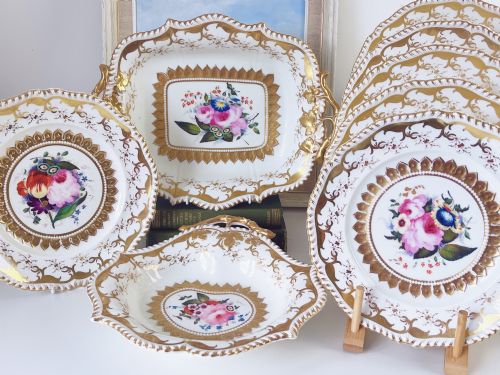
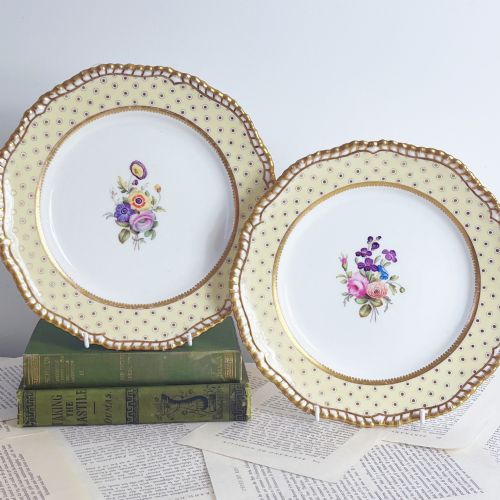
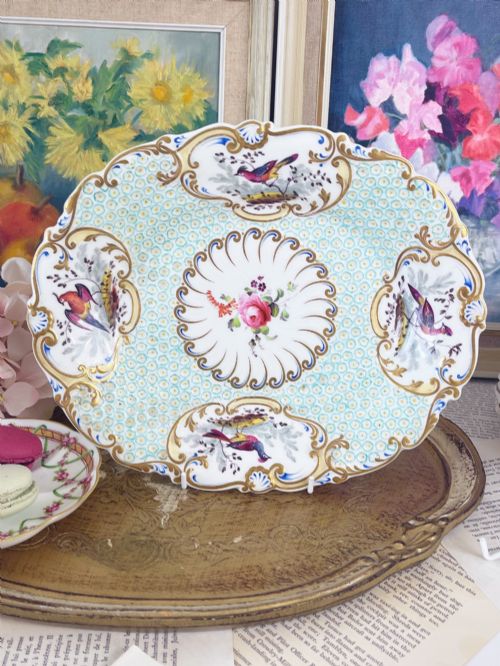
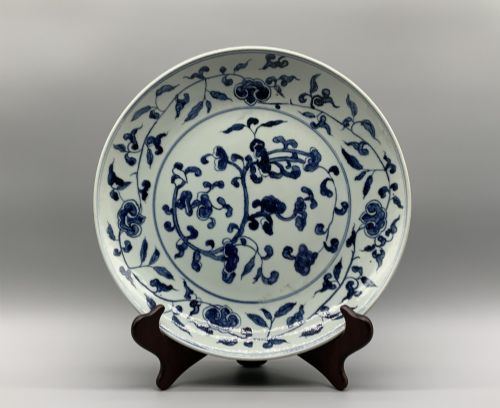
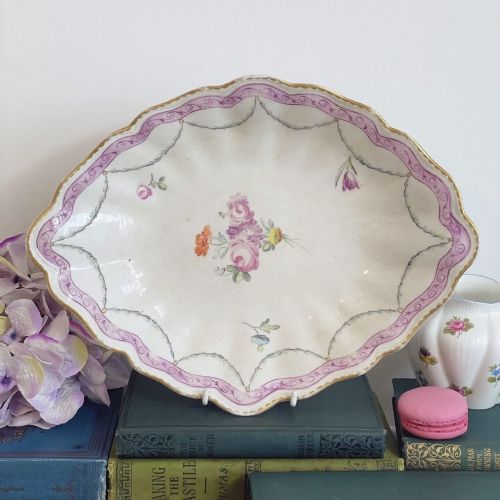
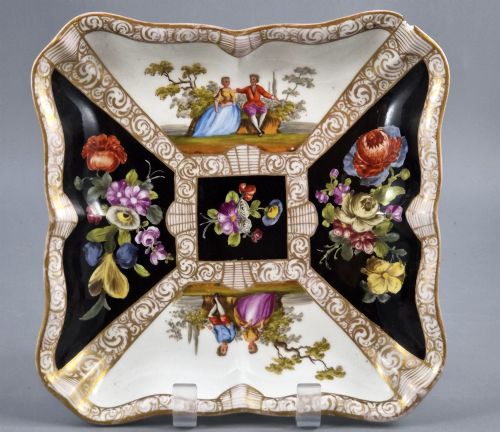
These floral ceramic plates bring handpainted blooms and transfer patterns to the table from periods spanning the eighteenth to the early twentieth century.
Floral Ceramic Plates
When you examine floral ceramic plates, you find service wares and decorative display pieces designed across the eighteenth, nineteenth, and early twentieth centuries. These items encompass dessert services, serving platters, and large chargers intended for both functional dining and visual display.
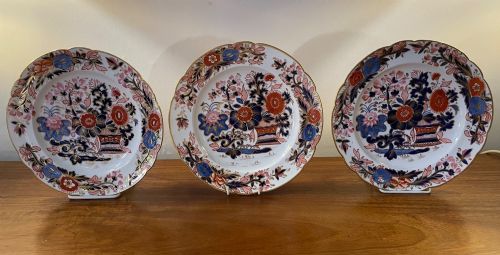
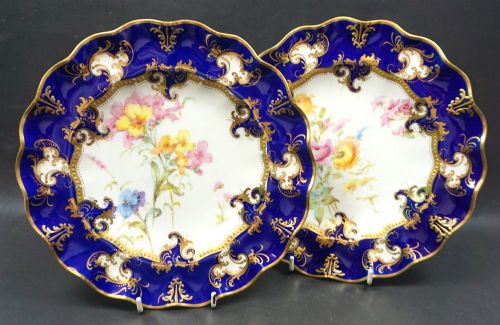
The most common examples on this page date from the nineteenth century, often reflecting English factories like Spode, Derby, and Minton, alongside Continental and Japanese Imari imports. Forms range from scalloped dessert dishes to heavy oval serving platters carrying botanical motifs.
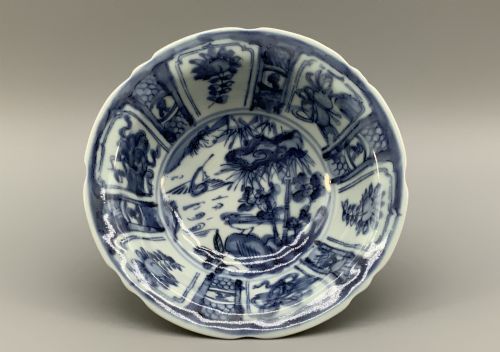
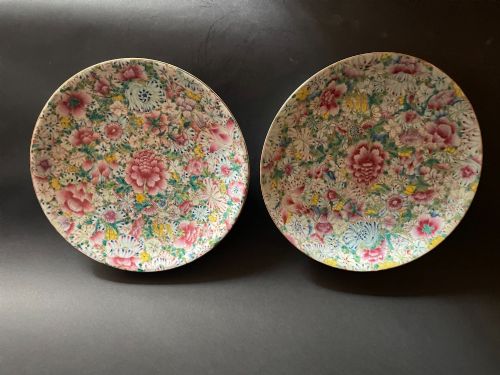
Makers utilised both earthenware and porcelain bodies, applying handpainted polychrome enamels or blue and white transfer printing to depict garden flowers, exotic blooms, and stylized foliage. Each piece records the prevailing taste of its period, shifting from Georgian restraint to Victorian exuberance.
How they were made
Potters shaped these items using earthenware, ironstone, or refined porcelain bodies, often firing them multiple times to set the underlying paste and the subsequent glaze. Artisans then applied decoration either by hand with enamel brushes and gold leaf, or via blue and white transfer printing.
Decoration relied heavily on underglaze cobalt or overglaze enamels enhanced by gilding and enamel highlights. Kiln temperatures determined whether painters used soft-paste or hard-paste porcelain techniques, affecting the final translucency and texture of the ceramic surface.
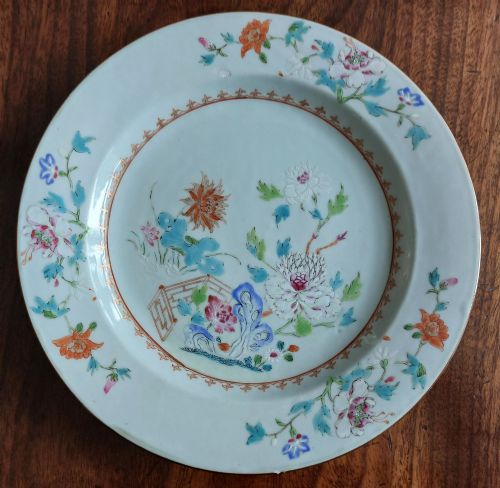
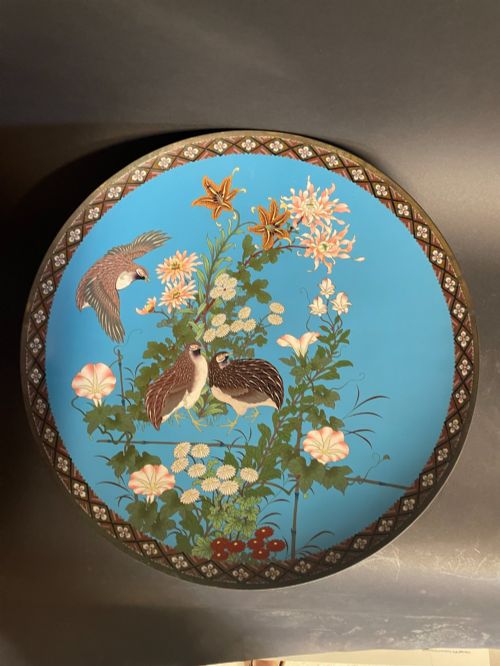
The inventory includes nineteenth-century English services alongside Japanese Imari chargers and eighteenth-century Chinese export porcelain.
What varies in quality
The skill of the handpainted botanical decoration dictates the distinction between standard production wares and exceptional cabinet pieces. Precision in brushwork, particularly in detailed floral studies and naturalistic shading, separates superior examples from mass-produced items.
The application of gilding and the preservation of enamel colours over centuries influence the overall desirability of each piece. Superior bodies display finer potting, thinner walls in porcelain items, and crisp moulding in relief-decorated earthenware.
Grainger Lee & Co·H & R Daniel·Chamberlains Worcester·John Rogers & Son·Edmé Samson & Cie·Royal Doulton
The Floral Ceramic Plates Glossary
- Charger
- A large decorative plate or dish, typically used for presentation rather than individual dining.
- Imari palette
- A decorative scheme utilising rich cobalt blue, iron red, and gilt, originating from Japanese export wares and widely copied in Europe.
- Transfer printing
- A mechanical method of applying complex designs to ceramics from an engraved copper plate via tissue paper.
- Soft-paste porcelain
- A ceramic composition fired at lower temperatures than hard-paste, featuring a warm glaze and a slightly softer body.
- Polychrome
- Decoration employing multiple distinct colours, commonly seen in handpainted floral arrangements.
Floral Ceramic Plates: Frequently Asked Questions
How do I clean antique ceramic plates?
Wash these items by hand using warm water and a mild detergent, avoiding soaking pieces with exposed earthenware bodies or delicate gilding.
Dry them immediately with a soft cloth to protect the antique glaze and prevent moisture damage to old ceramic structures.
Can I use these plates for dining?
Most decorative plates from the eighteenth and nineteenth centuries are best reserved for display or light service due to age-related wear on surface enamels and soft glazes.
Modern acidic foods and frequent dishwasher cycles can permanently damage handpainted floral enamels and delicate gold leaf highlights.
How do I date an antique ceramic plate?
Examine the base for maker marks, impressed factory ciphers, or pattern numbers that correspond to historical ceramic registry records and manufacturer timelines.
Consider the potting technique, glaze characteristics, and stylistic traits such as Regency shapes or Victorian floral motifs to narrow down the decade of production.
What is the difference between earthenware and porcelain?
Earthenware is an opaque, porous ceramic body fired at lower temperatures, whereas porcelain is a dense, vitrified material that is often translucent when held to the light.
Plates made from porcelain usually feature smoother, glassier glazes and thinner walls than their heavier earthenware counterparts.