


Antique Coalport China
Antique coalport china delivers the height of English porcelain mastery, offering refined cabinet pieces and tableware that collectors prize for their intricate hand-painted detail and rich heritage.
Antique Coalport China
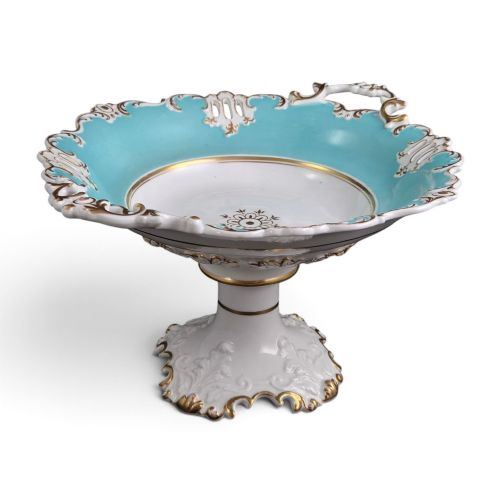
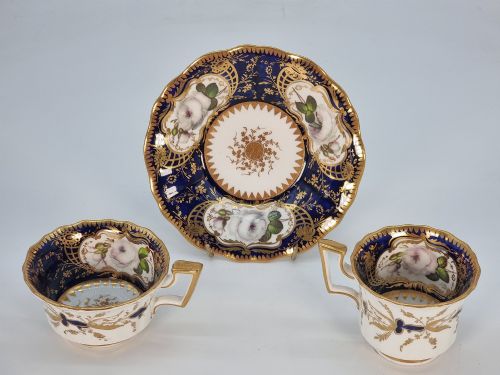
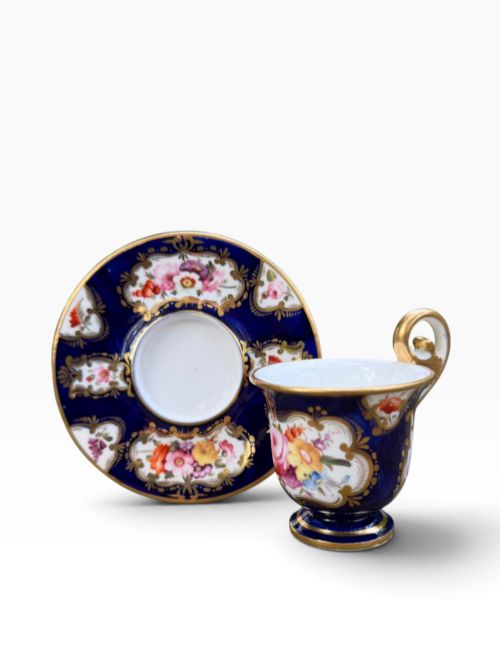
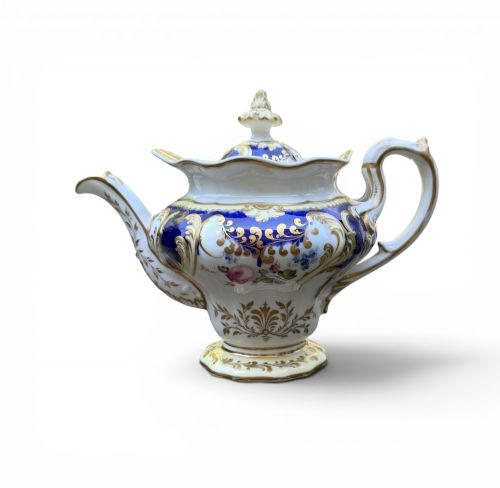
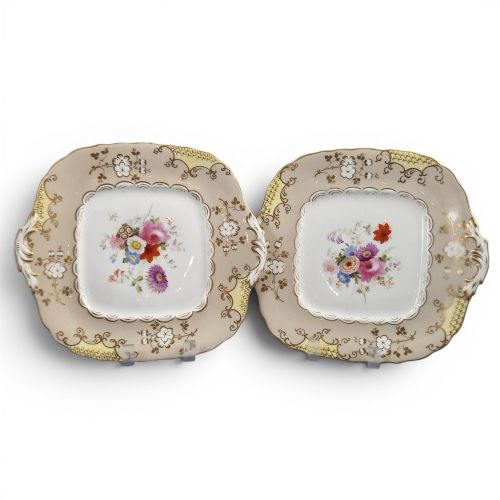
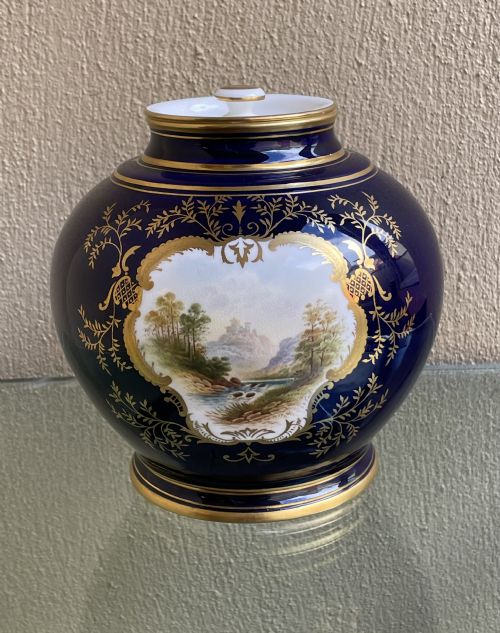
The pieces most frequently met on this page include nineteenth-century cabinet plates and tea wares, often showcasing elaborate hand-painted landscapes, botanical motifs, or floral patterns. Makers and decorators of note produced wares ranging from early John Rose period trios to later exhibition pieces, capturing evolving tastes from rococo revival to English traditional styles.
How they were made
Potters utilised fine porcelain and bone china bodies as the foundation for these items, shaping them into tableware, ewers, and decorative vessels. Skilled artisans then applied hand-painted enamels, including cobalt enamel, alongside rich applications of gold leaf, gilt, and gold gilding to accentuate the moulded contours.
Techniques combined precise throwing or moulding with meticulous brushwork, as seen in pieces painted by known artists with landscapes, botanical studies, and heraldic subjects. The integration of gilded highlights and vibrant enamel palettes defines the technical standard of these historical English wares.
Antique Coalport China Retail Price Guide 2026
Typical asking prices for coalport china among the pieces listed under this phrase on Sellingantiques today, from the lower quarter to the upper quarter. They describe what is for sale here now, not the wider market.
Materials recorded across the inventory include bone china, cobalt enamel, and heavy gold gilding.
What varies in quality
Quality in these ceramics rests primarily upon the ambition and execution of the decoration, distinguishing standard utility wares from exhibition pieces. Items painted by named artists or featuring intricate hand-painted topographical and botanical scenes demonstrate a superior level of artistic mastery.
The preservation of the original gilding and enamel work also governs the standing of a piece. Examples retaining crisp, unrubbed gold leaf and vibrant cobalt or polychrome enamels sit at the higher end of the range compared to those showing significant surface wear.
John Rose·E O Ball·Richard Budd·Tom Keeling·Thomas Dickson
The Antique Coalport China Glossary
- Bone china
- A type of soft-paste porcelain incorporating bone ash, developed to provide a whiter and stronger ceramic body for fine tableware.
- Cabinet plate
- A decorative plate intended for display in a cabinet or on a wall rather than for everyday dining use.
- Tazza
- An ornamental pedestal plate or shallow bowl raised on a foot, commonly used for serving fruit or sweets in a formal setting.
- Gilt
- A thin layer of gold applied to the surface of the porcelain to provide decorative metallic highlights and borders.
- Sucriere
- A small covered sugar bowl designed to match a teaset or coffee service.
Antique Coalport China: Frequently Asked Questions
What is antique coalport china?
Antique coalport china comprises porcelain and bone china tableware and decorative objects produced by the historic Shropshire manufactory from its early periods through the twentieth century.
The factory became renowned for its high artistic standards, employing talented painters and developing sophisticated glazing and gilding techniques that attract collectors today.
How do I identify different periods?
Identifying periods relies on stylistic clues such as the heavy scrolling and ornamentation of Regency and Victorian rococo revival forms, alongside shifts in paste and pattern.
Written inscriptions, pattern names, and attributions to specific decorators provide further chronological markers for dating individual plates and tea services.
How were these pieces used?
Many items functioned as part of formal dining services, including soup plates, dinner plates, dessert dishes, and teapots utilised during nineteenth-century meals.
Other items, such as cabinet plates, tazzas, and decorative vases, served purely ornamental purposes in drawing rooms and display cabinets.
How do I care for these ceramics?
Caring for antique porcelain requires gentle handling and washing by hand in warm water using mild soap, avoiding harsh scrubbing that damages fragile gilding.
Displaying pieces away from direct sunlight and extreme temperature fluctuations helps preserve the stability of the enamel and the brilliance of the gold leaf.