



Antique Lidded Sugar Bowl
An antique lidded sugar bowl brings genuine grace to a tea service, offering refined storage shaped by Regency, Victorian, and Edwardian hands.
Antique Lidded Sugar Bowl
An antique lidded sugar bowl represents a domestic essential that evolved through Georgian, Regency, and Victorian dining traditions. These covered vessels served to protect precious loose granules from dampness and prying fingers at the table.
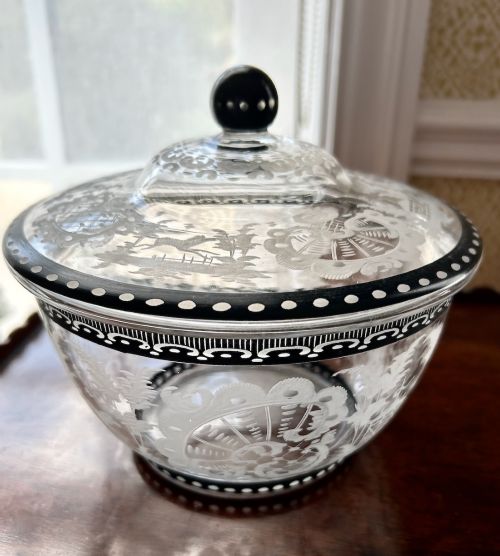
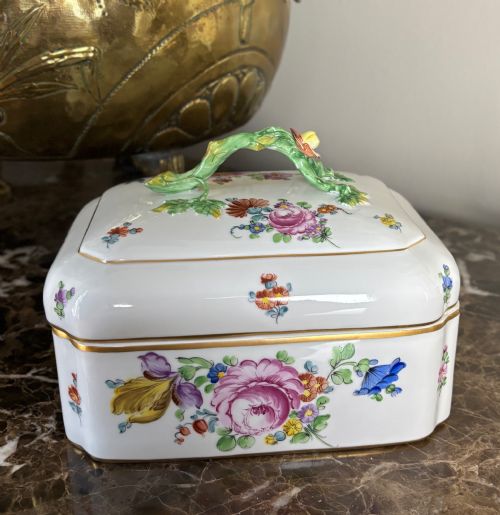
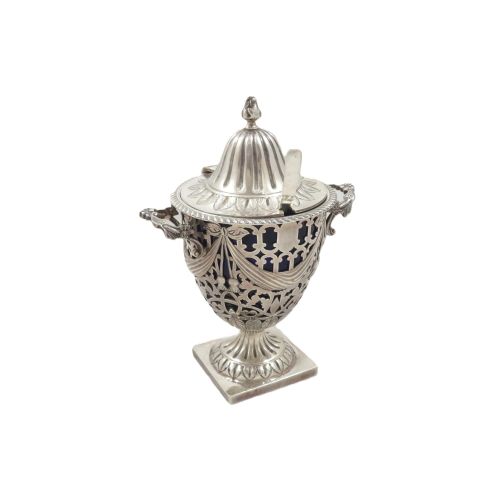
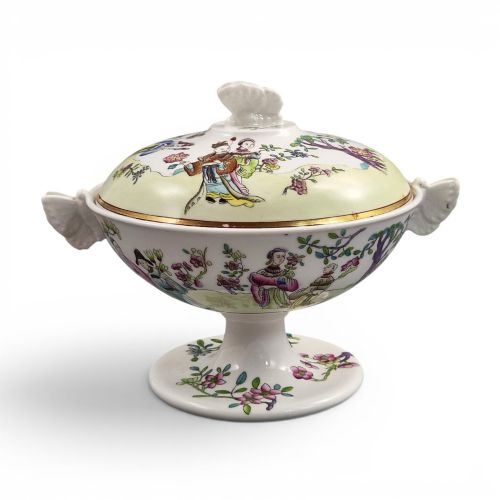
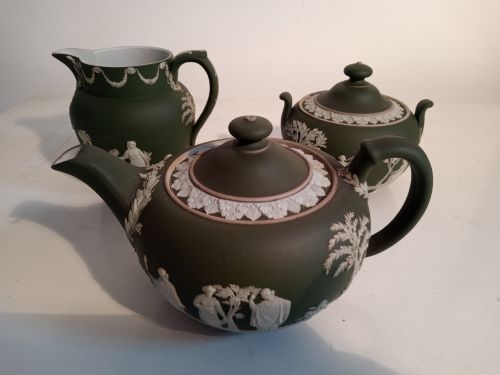
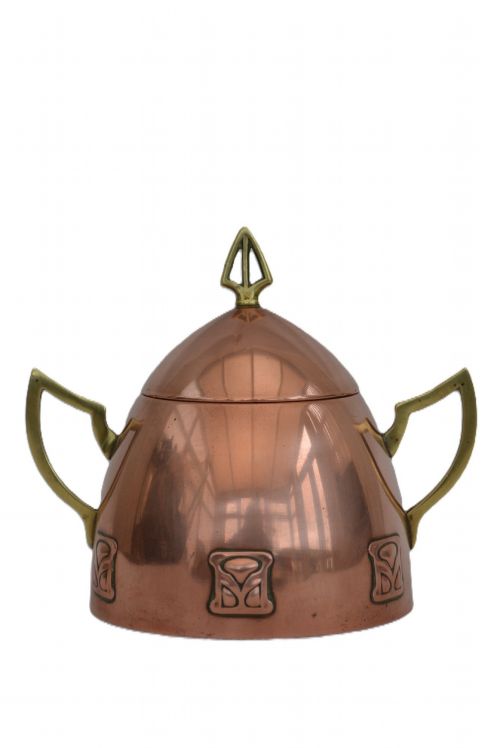
The selections available here span diverse ceramic bodies, precious metals, and cut glass forms from British, European, and Japanese makers. Buyers frequently encounter porcelain sucriers, silver baskets with lids, and copper-plated vessels reflecting distinct stylistic shifts.
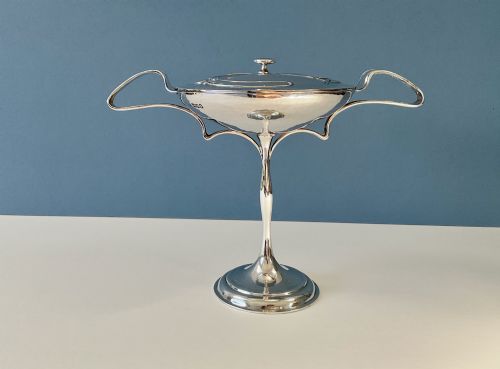
Examples stretch from eighteenth-century porcelain sugar boxes to early twentieth-century silver urns and Edwardian covered bowls. Each piece demonstrates the changing social rituals surrounding tea and coffee consumption across multiple centuries.
Materials and Construction
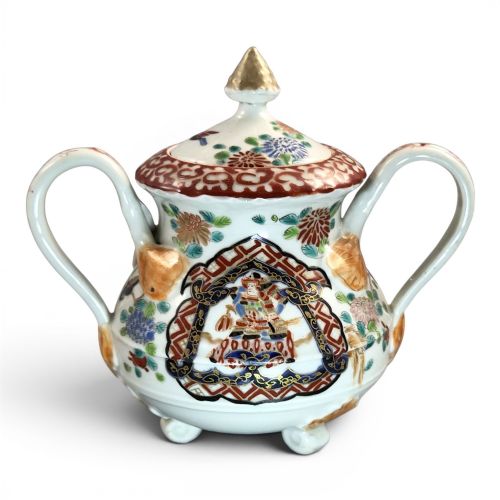
Potters and metalsmiths utilised sterling silver, porcelain, glass, and copper plating to form these lidded vessels. Ceramic pieces often display hand-painted enamel decoration, cobalt glass elements, or gilded highlights applied over fired bodies.
Glass examples rely on wheel-engraving and cutting techniques to catch the light across panels and covers. Metal versions combine hammered or cast bodies with pierced galleries, swinging bails, and securely fitted lids.
Spode porcelain sugar bowls come equipped with butterfly handles, offering a winged lift to your morning sweetness.
Distinctions in Quality
The upper tier of these pieces reveals itself through crispness of form, balanced proportions, and the precision of hand-applied decoration or chasing. Superior porcelain bodies display fine translucency and expertly registered polychrome or blue and white transfer printing.
Subtle details separate ordinary vessels from exceptional works, such as the snug fit of a matched cover or the depth of hand-cut facets in glass. Makers' marks and studio signatures further distinguish works produced by prominent European and Japanese kilns.
Spode·Wedgwood·Fukagawa Mark·Royal Crown Derby·Baccarat·Ridgway·Shozan Kyoto Studio·Richard Ginori·Meissen·Coalport
The Antique Lidded Sugar Bowl Glossary
- Sucrier
- A French term frequently used in antique ceramics for a covered sugar bowl. It matches the form of a small lidded basin designed specifically for the tea table.
- Imari
- A style of Japanese porcelain featuring rich iron red, underglaze blue, and gilt detailing. The aesthetic heavily influenced European factories during the nineteenth century.
- Latticinio
- A type of glasswork incorporating opaque white or coloured glass threads twisted within a clear matrix. Baccarat and other continental makers utilised this technique for decorative vessels.
- Pot Pourri
- A pierced container or basket with a lid intended to hold dried fragrant plant materials. These versatile vessels share similar forms with lidded sugar urns.
- Bail handle
- A semicircular handle attached to opposite sides of a bowl or basket. It swings freely to allow easy lifting from the table.
Antique Lidded Sugar Bowl: Frequently Asked Questions
What is a sucrier?
A sucrier is simply the traditional term for a covered sugar bowl, most often found in porcelain ceramic listings.
Collectors and dealers use this name to distinguish ceramic basins from silver or glass sugar containers.
How were antique sugar bowls used?
These covered vessels held lump or loose sugar safely on the formal tea table, keeping the contents dry and clean.
Lids prevented moisture from clumping the sugar while adding an extra layer of decorative polish to the afternoon service.
How do I date a porcelain sugar bowl?
Dating relies heavily on factory backstamps, paste characteristics, and the prevailing artistic style of the period, such as Regency or Art Nouveau.
Hand-painted patterns and glaze colours also offer strong clues to the decade of manufacture.
Can I use these bowls daily?
Many sturdy silver and glass examples can handle careful, regular use in a modern home.
Fragile antique porcelains with delicate gilding or hand-painted enamel deserve gentle hand washing and display rather than heavy everyday service.