


Regency Coalport Porcelain
Regency coalport porcelain brings refined early nineteenth-century elegance to the table, combining delicate forms with rich botanical and Imari decoration.
Regency Coalport Porcelain
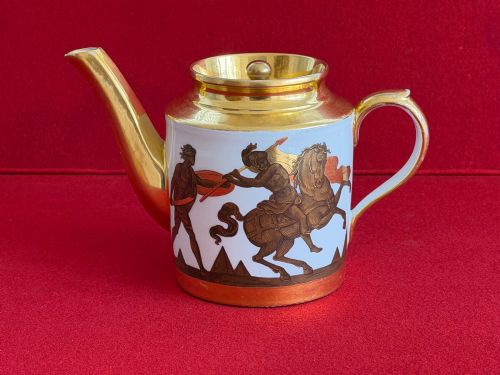
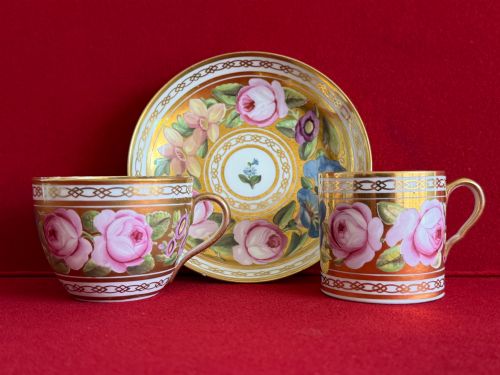
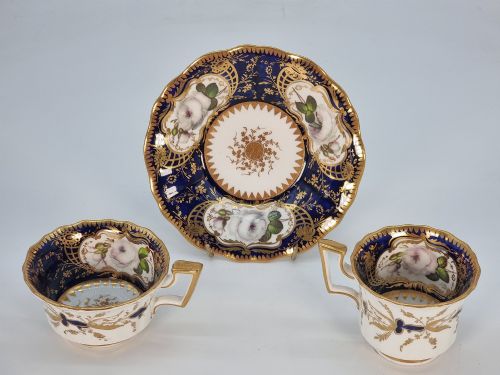
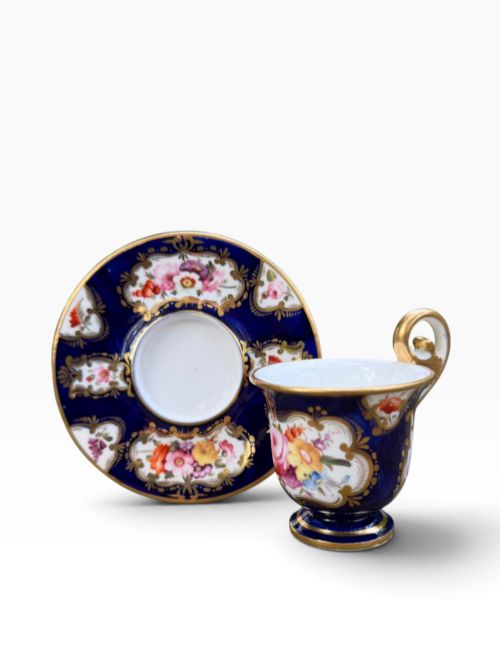
When you search for regency coalport porcelain, you enter a sphere of sophisticated ceramic manufacture dating primarily from the early nineteenth century and the Georgian and Regency periods. The items you are most likely to encounter on this page include teacups and saucers, cabinet cups, chambersticks, and decorative urns.
The assortment ranges from breakfast sets and supper dishes with lazy susans to soup tureens and serving plates. Many pieces bear specific patterns such as the Union pattern, Church Gresley, or fruit motifs, reflecting the artistic ambitions of the period.
How they were made
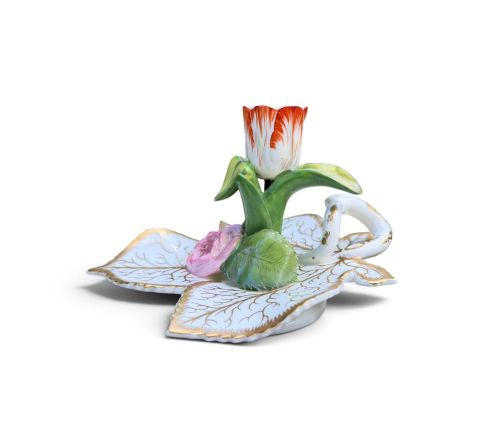
Makers utilised fine porcelain bodies, shaping them into distinctive London shape cups, campagna urns, and tulip chambersticks. Enamel colours and ceramic enamel were hand-applied to create botanical studies and geometric motifs.
Gold leaf and extensive gilding were frequently added to rims and handles to elevate the status of the ware. Some pieces also incorporated elements like silver plate or glass alongside the ceramic body.
Forms span functional tableware like soup tureens and sundaes to decorative items including tulip chambersticks and campagna urns.
What varies in quality
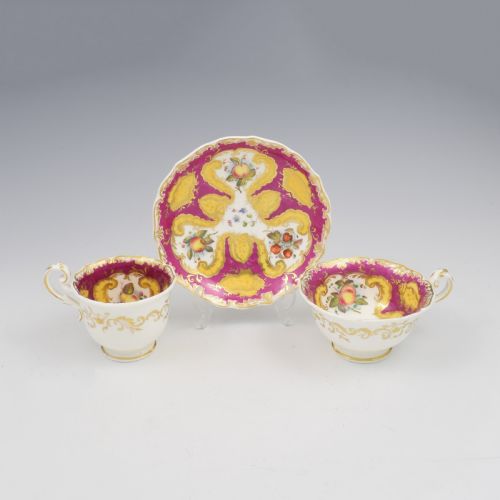
Quality in these ceramics rests upon the precision of the hand-painting, particularly in botanical serving dishes and fruit pattern trios where brushwork dictates the visual impact. The crispness of the moulding on campagna urns and chambersticks also separates standard domestic output from more ambitious cabinet pieces.
The application of gilding and gold leaf indicates the tier of production, with heavier, burnished gold highlighting superior artistic ambition. Furthermore, pieces associated with specific periods like the John Rose era or bespoke commissions carry greater historical weight.
John Rose·Thomas Dickson·Coalbrookdale
The Regency Coalport Porcelain Glossary
- Cabinet cup
- A decorative porcelain cup intended for display in a cabinet rather than for everyday tea service. These often feature elaborate hand-painted scenes or rich gilding.
- Chamberstick
- A low candlestick fitted with a saucer base to catch melting wax, designed for carrying through a house at night. Porcelain examples are particularly decorative.
- Campagna urn
- A classical vessel shape resembling an inverted bell, popular during the Regency period for decorative urns and vases. It derives its name from classical antiquities found near Rome.
- Sucriere
- A covered sugar bowl or box used in tea sets, often matching the pattern of the accompanying teacups and saucers. They form an integral part of Regency dining services.
- London shape
- A distinct teacup profile from the early nineteenth century featuring a straight, tapered side and a delicate loop handle. This form showcases delicate exterior patterns and interior gilding.
Regency Coalport Porcelain: Frequently Asked Questions
What is regency coalport porcelain?
Regency coalport porcelain encompasses ceramic tableware and decorative objects produced by the Coalport factory during the early nineteenth century. These items include tea services, cabinet cups, and serving dishes.
Characterised by fine bodies and detailed hand-painting, the ware reflects the aesthetic tastes of the Georgian and Regency eras.
How do I identify john rose period pieces?
John Rose period pieces date from the early decades of the nineteenth century when the factory expanded its artistic output. Look for fine porcelain bodies paired with botanical paintings or Imari palettes.
Such items often align with cabinet trios and specialised serving sets from around eighteen hundred to eighteen twenty.
Were these items used daily?
Many items, such as teacups, saucers, and soup plates, were intended for active dining and tea consumption. Robust porcelain allowed them to withstand regular use in wealthy households.
Conversely, cabinet cups and decorative urns served primarily as ornamental objects for display in reception rooms.
What styles influenced these ceramics?
The pieces reflect both Regency and Victorian design sensibilities, drawing heavily on classical antiquity and botanical illustration. Shapes like the campagna urn borrow directly from ancient Roman forms.
At the same time, vibrant Imari patterns demonstrate a strong fascination with imported Asian decorative arts.