



English Porcelain Sugar Bowl
An English porcelain sugar bowl brings the refined craft of historic potteries straight to the table, offering a tangible piece of domestic heritage.
English Porcelain Sugar Bowl
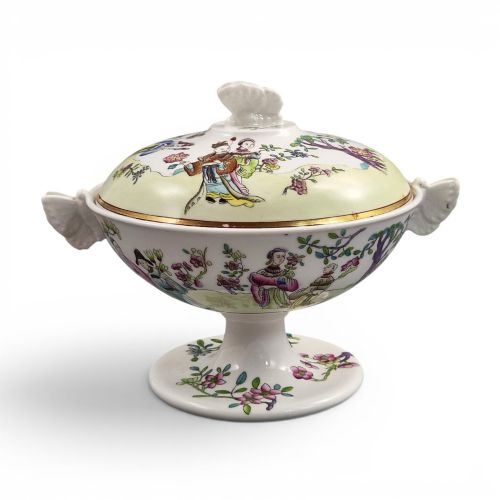
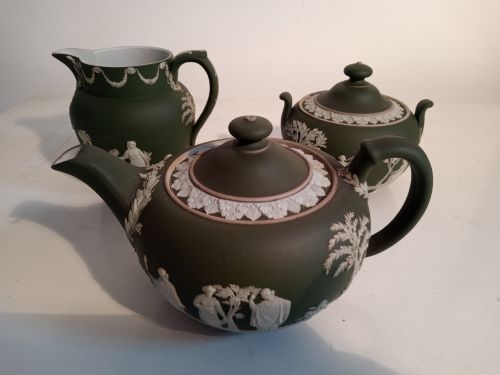
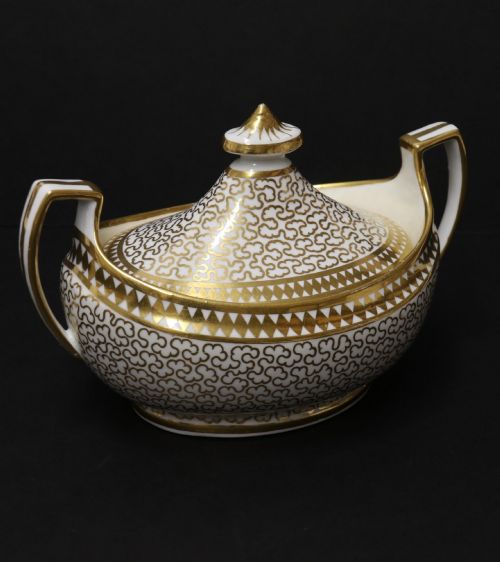
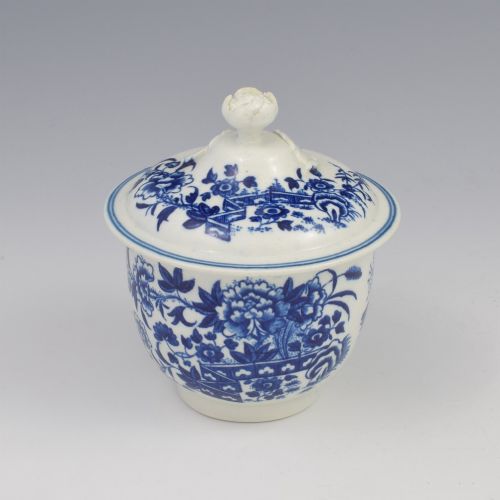
An English porcelain sugar bowl encompasses covered sucriers, pedestal bowls, and open sugar basins designed for the tea table. These vessels emerge from periods spanning the eighteenth century through to the early twentieth century.
The version most commonly met on this page is the covered sucrier, often accompanied by matching covers or associated with broader tea services. Makers from Worcester, Spode, and Royal Worcester dominate these offerings across Georgian, Regency, and later Victorian styles.
Forms shift from the blue and white Worcester patterns of the seventeen seventies to the vibrant Imari palettes and painted fruit designs of later eras. Each piece reflects the changing domestic habits and decorative tastes of British households over two centuries.
Materials and production
Potters utilised fine porcelain bodies, including specialised felspar porcelain and bone china, to achieve a durable yet delicate structure. These ceramic bases provided a smooth canvas for intricate underglaze painting and enamel decoration.
Artisans applied hand-painting, transfer printing, and rich gilding, utilising gold leaf and heavy gilding to highlight handles, rims, and finials. Kiln firing fixed these enamel colours and gold accents permanently onto the glazed ceramic surface.
Listings feature porcelain forms spanning the eighteenth century to the nineteen twenties, including bone china, felspar porcelain, and jasperware.
Assessing quality and execution
The distinction between standard domestic wares and exceptional examples rests in the crispness of the moulded form and the precision of the hand-painted decoration. Finer pieces display meticulously executed patterns, such as delicate floral motifs or complex Imari designs, applied with steady brushwork.
The application of gold leaf and gilding reveals much about the original workshop standards, where heavier, burnished gold indicates a higher tier of production. Additionally, the translucency of the porcelain body and the alignment of covers on sucriers separate superior specimens from simpler factory output.
Spode·Wedgwood·Chamberlains Worcester·Royal Crown Derby·Ridgway·Royal Worcester·Worcester Barr Flight and Barr·Coalport
The English Porcelain Sugar Bowl Glossary
- Sucrier
- A covered sugar bowl designed specifically for the tea table. This French term appears frequently in historical documentation and dealer descriptions for British porcelain.
- Felspar porcelain
- A refined ceramic body introduced in the nineteenth century by manufacturers like Spode. It incorporated felspar to improve durability and whiteness.
- Imari
- A decorative style inspired by Japanese export wares, featuring rich iron red, cobalt blue, and gilt details. British factories adopted this palette extensively during the nineteenth and early twentieth centuries.
- Underglaze
- A decoration applied to the ceramic body before the glaze is fired. This technique protects the pigment beneath a glossy glass layer.
- First Period Worcester
- The earliest phase of the Worcester porcelain factory, operating from seventeen fifty-one to seventeen eighty-three. Pieces from this era are prized for their soft-paste bodies and fine blue and white printing.
English Porcelain Sugar Bowl: Frequently Asked Questions
How were sugar bowls used?
These vessels held loose tea sugar for the formal tea service, which was a central ritual in Georgian and Regency parlours. Servants or hostesses used them to dispense sugar into individual cups before the introduction of pre-formed cubes.
Covered versions, known as sucriers, kept the sugar clean and dry between uses. Their presence on the table underlined the status and hospitality of the household.
How do I date an antique sugar bowl?
Dating relies on factory marks stamped or painted on the base, stylistic cues like Regency neoclassical shapes, and the specific composition of the ceramic body. Examining whether the piece uses bone china, felspar porcelain, or soft-paste porcelain narrows down the manufacturing decade.
Comparing pattern numbers and decorative motifs against factory archives provides further chronological accuracy. Experts also look at the handling of gilding and the type of glaze crackle if present.
Can I use an antique bowl daily?
While these pieces were made for practical dining use, centuries of age make modern dishwasher and microwave cycles entirely unsuitable. Gentle hand washing in lukewarm water with mild soap preserves the delicate enamel paints and fragile gold leaf.
Careful handling prevents chips to the thin rims and delicate handles characteristic of early porcelain. Many collectors prefer to display them or reserve them for occasional special tea gatherings.
What is the difference between a sucrier and a sugar bowl?
A sucrier specifically denotes a sugar bowl that includes a matching fitted lid. Open sugar basins lack covers and are often found as part of larger matching tea or breakfast sets.
Both terms describe vessels serving the same culinary function on the tea table. Dealers often use them interchangeably depending on regional terminology and the specific factory style.