



Georgian Porcelain Sugar Bowl
A georgian porcelain sugar bowl brings refined tea-table heritage to the room through hand-painted motifs and delicate ceramic forms.
What They Are
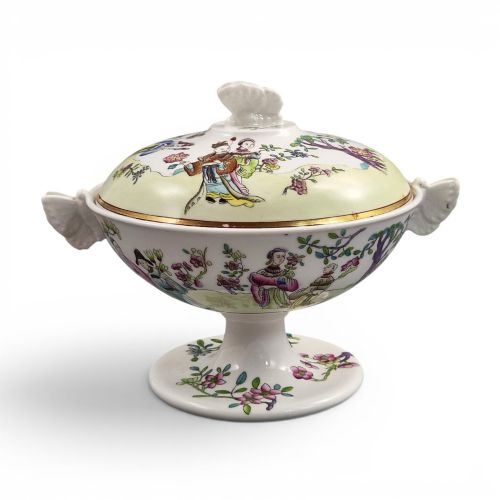
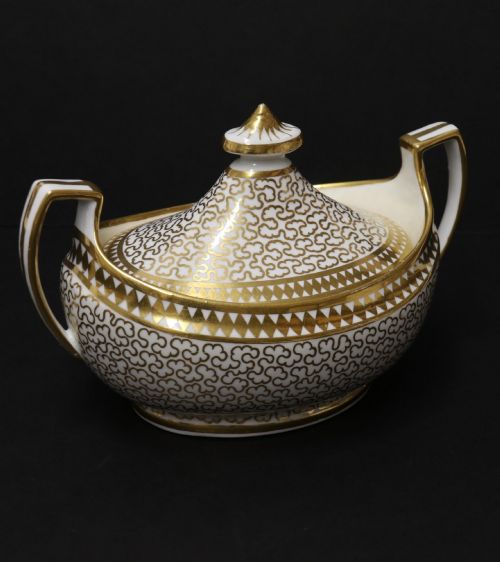
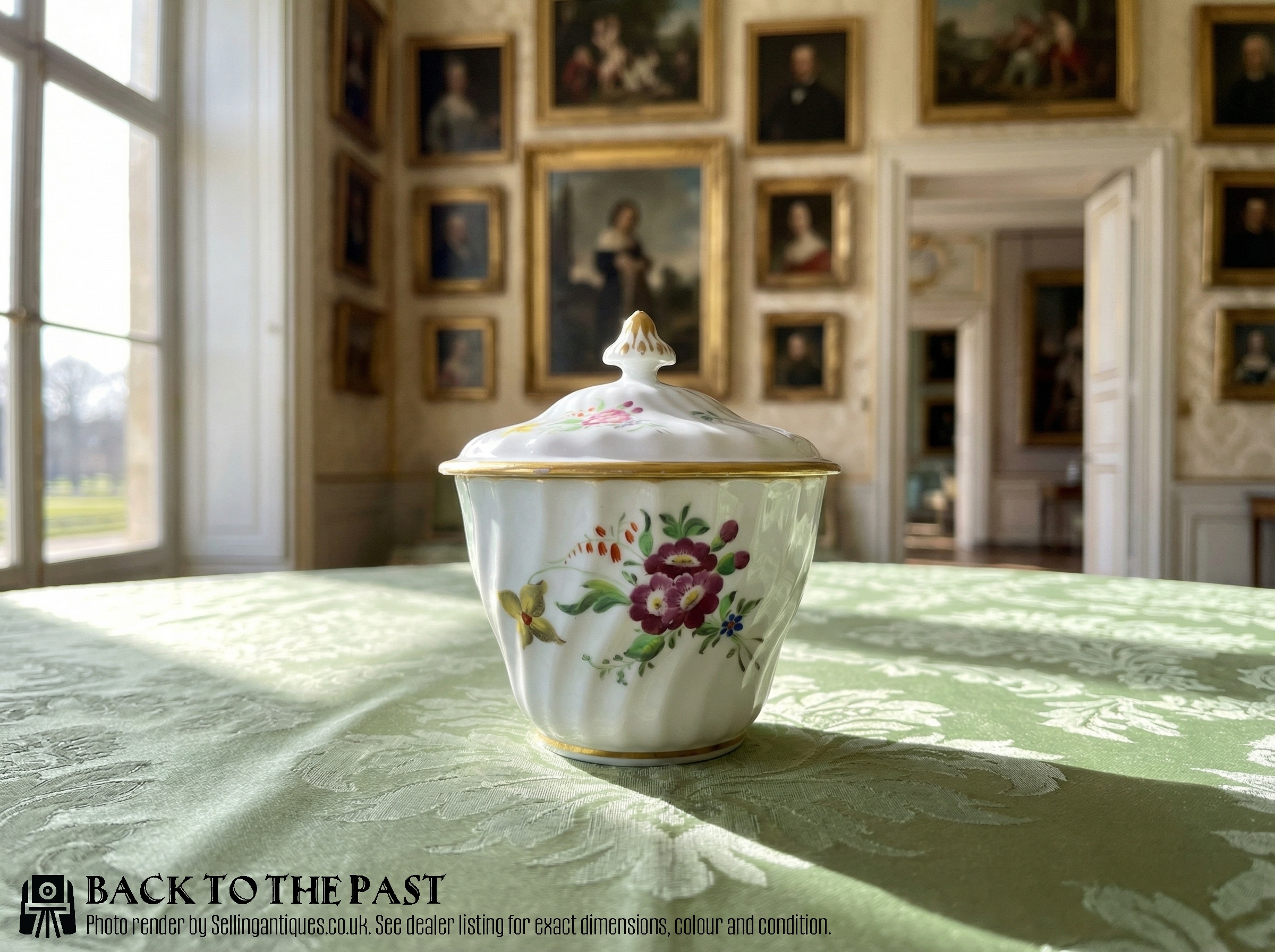
When searching for a georgian porcelain sugar bowl, collectors encounter sugar boxes and sucriers shaped during the eighteenth and nineteenth centuries. These vessels served to hold loose sugar for tea service in domestic settings.
The pieces listed on this page span the Regency period alongside the broader eighteenth and nineteenth centuries. Sucriers frequently include matching covers to protect the contents while displayed on furniture.
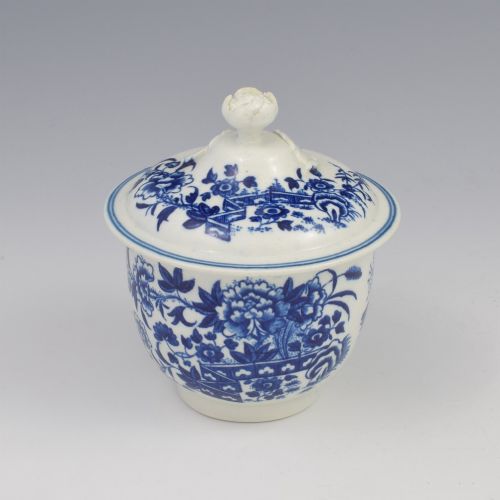
Makers represented in the current selection include prominent English factories such as Spode, Worcester, and Coalport. These forms demonstrate the progression of ceramic design from early blue and white domestic wares to gilded Regency patterns.
How They Were Made
Potters utilised porcelain and soft-paste porcelain as the primary body materials for these sugar bowls. Artisans then applied cobalt blue decoration, enamel colours, and gold leaf or gilt highlights by hand.
Factories like Worcester and Spode shaped these sucriers with fitted covers before firing the pieces in kilns. Skilled painters executed detailed patterns such as the Immortelle design directly onto the glazed ceramic surface.
Retail Price Guide 2026
Typical UK retail prices for georgian porcelain sugar bowl, calculated from the Sellingantiques database of over a million retail prices indexed since 2003. This retail price guide relies exclusively on Sellingantiques data; no external sources or auction records are used, so the figures do not describe the wider market.
Early tea drinkers required dedicated covered boxes just to keep pilfering fingers away from precious imported sugar.
What Varies in Quality
Quality in these sugar bowls rests upon the precision of the hand-painted decoration and the crispness of the moulded ceramic form. Pieces featuring intricate enamel work and well-preserved gold leaf stand apart from simpler blue and white domestic wares.
The distinction between standard production items and factory-marked sucriers from periods such as the Flight era or the work of Barr, Flight and Barr influences desirability. The survival of the original cover remains a central factor in the integrity of each piece.
Spode·Worcester Barr Flight and Barr·Coalport
The Georgian Porcelain Sugar Bowl Glossary
- Sucrier
- A covered container designed specifically for holding sugar at the tea table. This term appears frequently in historic records and dealer descriptions.
- Soft-paste porcelain
- An early ceramic composition fired at lower temperatures than hard-paste porcelain, producing a warm translucent body. Eighteenth-century English factories relied heavily on this formulation.
- Flight Period
- A phase of Worcester porcelain production dating from the late eighteenth century. Pieces from this time often bear specific factory script marks.
- Cobalt
- A deep blue mineral pigment used under the glaze for durable decoration. It withstands high kiln temperatures without losing intensity.
- Gilt
- A thin layer of gold applied to the ceramic surface for decorative accent. On better pieces, this application is burnished to a soft shine.
Frequently Asked Questions
What is a sucrier?
A sucrier is a covered vessel designed to hold sugar during tea service. These pieces mirror the ceramic styles of their respective manufacturing periods.
Most examples include a matching lid to keep the contents clean between uses on the dining table or sideboard.
How do I date these sugar bowls?
Dating relies on identifying factory marks, stylistic traits, and material compositions such as soft-paste porcelain versus later bodies. Regency pieces often display heavier gilding and classical forms.
Earlier eighteenth-century examples frequently feature underglaze blue painting techniques typical of early English porcelain production.
Did these bowls always have covers?
Most formal sucriers were produced with matching covers to conceal and protect the sugar. Surviving examples complete with their original lids hold greater historical completeness.
Some bowls function open, but covered versions represent the standard form for tea containers of this era.
How should I display a porcelain sugar bowl?
These bowls sit well inside glass cabinets or upon open shelving where their painted details catch the light. Keep them away from direct sunlight to protect enamel colours and gilt surfaces.
Ensure stable placement on flat surfaces away from edge boundaries to protect the delicate ceramic body.