




White Gold Porcelain Bowl
A white gold porcelain bowl brings refined elegance to a room, offering both decorative beauty and historic craftsmanship.
White Gold Porcelain Bowl
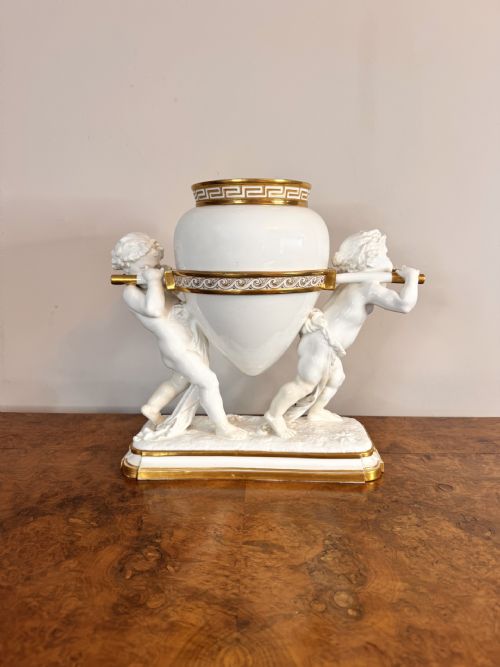
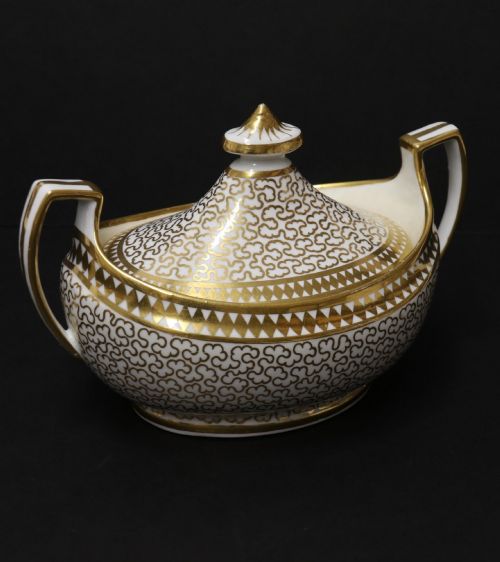
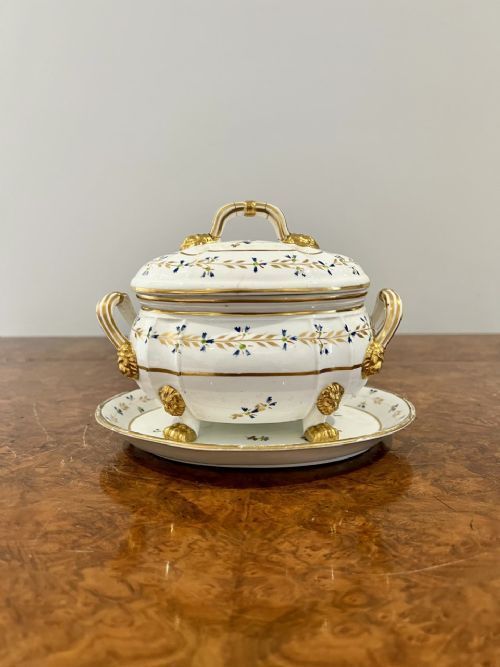
A white gold porcelain bowl encompasses a variety of ceramic tablewares and decorative vessels created across multiple centuries. These items range from small sugar bowls and tea bowls to larger punch bowls and centrepieces, often enriched with gilt or gold leaf detailing.
The pieces on this page span the eighteenth and nineteenth centuries into the early twentieth century, reflecting periods such as Georgian, Regency, and Art Deco. Buyers will frequently encounter English and continental european works, including creations from factories like Worcester, Meissen, and Limoges.
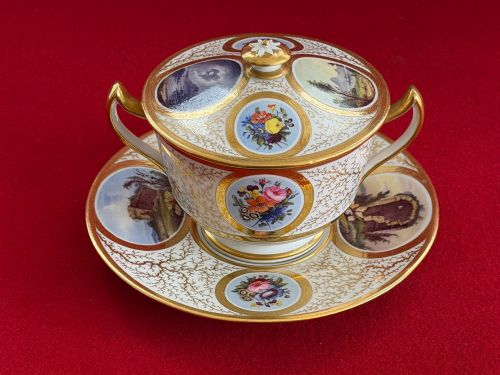
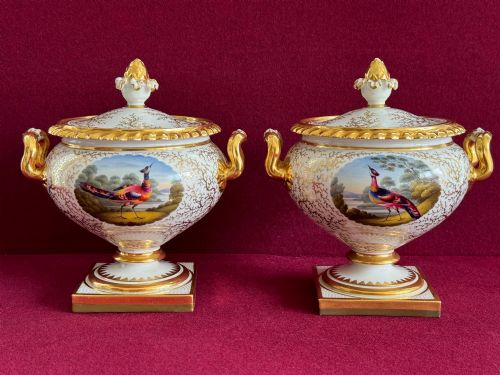
Forms vary from lidded sucriers and tureens to open baskets and decorative plates. Each object demonstrates the practical and ornamental uses of fine ceramics through changing aesthetic movements from Rococo Revival to Neoclassical.
Materials and methods
The foundation of these pieces is hard-paste or soft-paste porcelain, fired at high temperatures to achieve a smooth white body. Artisans then applied glazes, enamels, and cobalt pigments to create detailed surface decoration.
Gold leaf, gilding, and gilt accents were meticulously hand-applied to rims, handles, and painted scenes. This metallic enrichment highlighted the moulded contours of urns, bowls, and covers, securing the visual contrast between the bright white ceramic and metallic lustre.
White Gold Porcelain Bowl Retail Price Guide 2026
Typical asking prices for white gold porcelain bowl among the pieces listed under this phrase on Sellingantiques today, from the lower quarter to the upper quarter. They describe what is for sale here now, not the wider market.
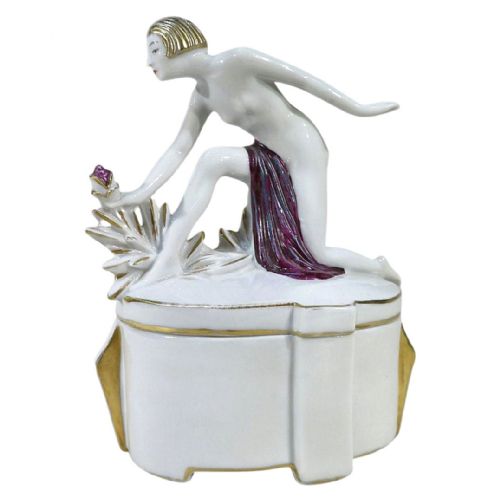
An eighteenth-century tea bowl and saucer share space with a whimsical Art Deco flapper girl powder box.
Distinctions in quality
Quality in these ceramics rests upon the fineness of the porcelain body and the precision of the hand-painted details. Superior pieces display crisp moulding, vibrant enamels, and expertly burnished gilding that remains intact across intricate patterns.
The hand of the maker dictates much of the distinction, where established factories and skilled artisans achieved greater delicacy in potting and more sophisticated pictorial or armorial compositions.
Chamberlains Worcester·Spode·Meissen·Crown Derby·Ahrenfeldt and Asalvary·Chelsea·Barr Flight and Barr·Samson
The White Gold Porcelain Bowl Glossary
- Porcelain
- A ceramic material made by heating raw materials, generally including clay in the form of kaolin, in a kiln. It is known for its strength, translucence, and white finish.
- Sucrier
- A small covered sugar bowl designed for use in tea and coffee service sets. These vessels often feature twin handles and matching lids.
- Gilding
- The decorative application of gold leaf or gold powder to solid surfaces such as porcelain. It provides metallic highlights that frame painted designs.
- Soft-Paste Porcelain
- A ceramic composition containing clay and glass frit, fired at lower temperatures than hard-paste porcelain. It produces a warm texture and distinct glaze absorption.
- Armorial
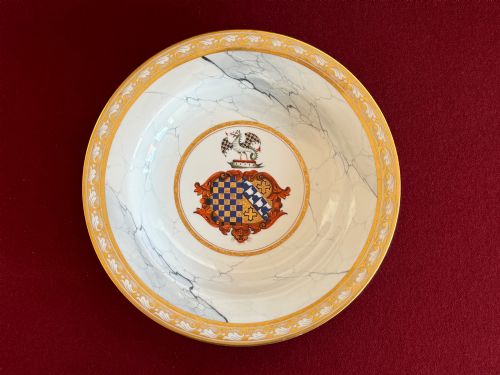
- A ceramic design featuring a coat of arms or family crest. These bespoke commissions denoted the status and lineage of the original owner.
White Gold Porcelain Bowl: Frequently Asked Questions
How do I date an antique porcelain bowl?
Dating relies on identifying factory marks, stylistic indicators, and manufacturing techniques unique to specific periods. Comparing the paste and glaze characteristics helps narrow down the era of production.
Changes in painting styles from eighteenth-century florals to Art Deco geometric patterns provide further chronological clues.
Were these bowls used for food?
Many of these vessels served functional roles in historic dining and tea rituals. Items like punch bowls, sugar bowls, and soup plates were actively handled during meals.
Over time, some decorative pieces transitioned primarily into display objects due to their age and delicate gilt decoration.
How should I clean my porcelain bowl?
Gentle maintenance is essential to preserve fragile gilding and enamelled surfaces. Dusting with a soft cloth is usually sufficient for regular upkeep.
If washing is necessary, use lukewarm water and mild soap, avoiding abrasive sponges or harsh chemicals that could damage the gold leaf.
What is the difference between hard-paste and soft-paste?
Hard-paste porcelain uses natural kaolin and petuntse, firing at very high temperatures to create a dense, vitrified body. It resists scratching and absorbs little moisture.
Soft-paste incorporates glass frit and white clay, yielding a softer appearance and a distinctive milky glaze where enamels sink slightly into the surface.