
Gilded Porcelain
Gilded antique porcelain brings together lustrous metallic enrichment and fine ceramic bodies, offering collectors centuries of ornamental artistry.
Gilded Porcelain
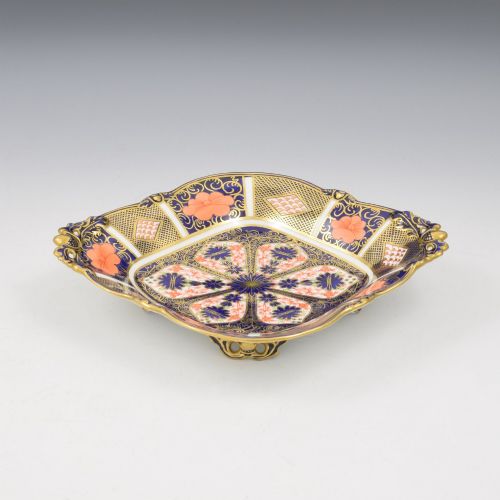
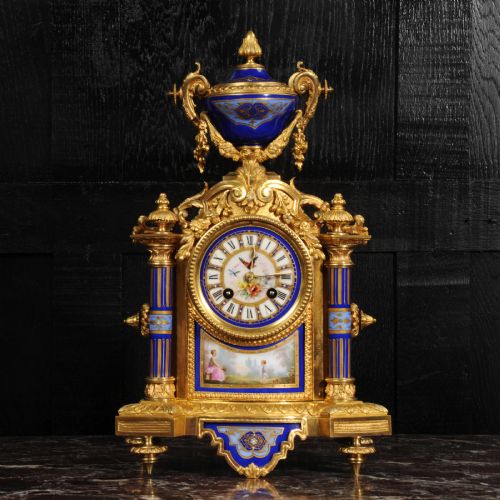
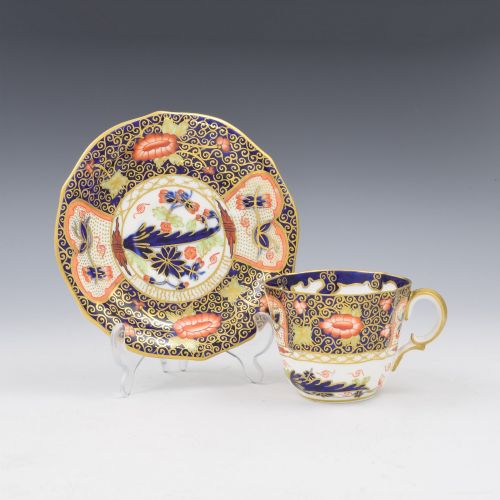
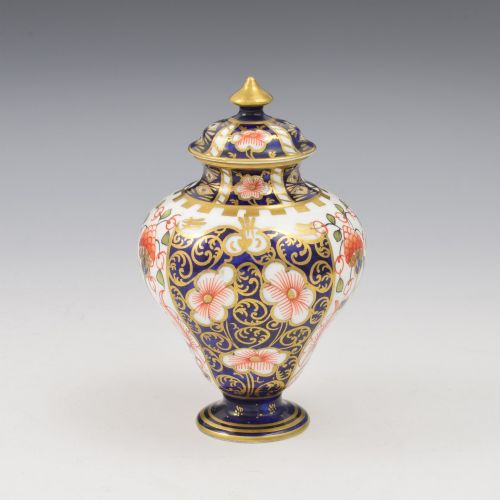
Gilded antique porcelain encompasses utilitarian tableware, ornamental vessels, and decorative timepieces produced across the eighteenth and nineteenth centuries. Collectors encounter tea services, cabinet plates, garniture vases, and mantel clocks featuring metallic decoration.
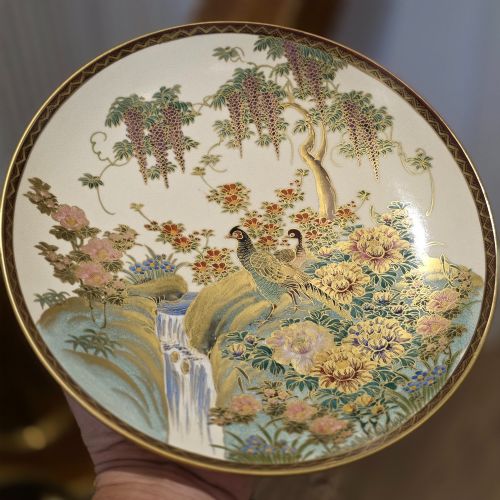
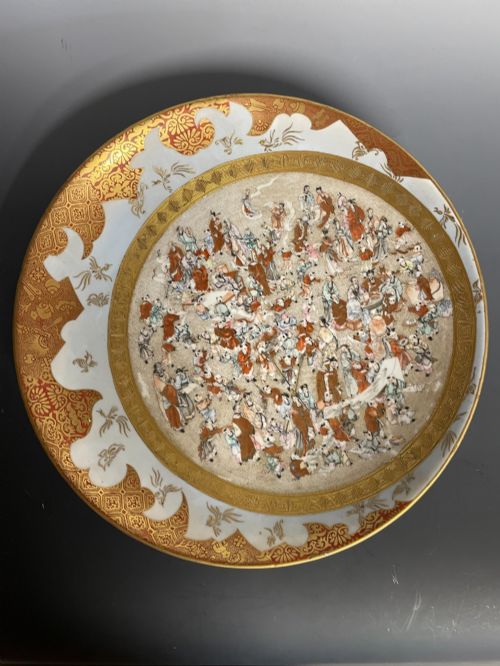
English and continental European factories dominate the selection, alongside Japanese export wares in Imari palettes. Pieces range from Georgian tea vessels to Victorian decorative dishes and French ormolu-mounted clocks.
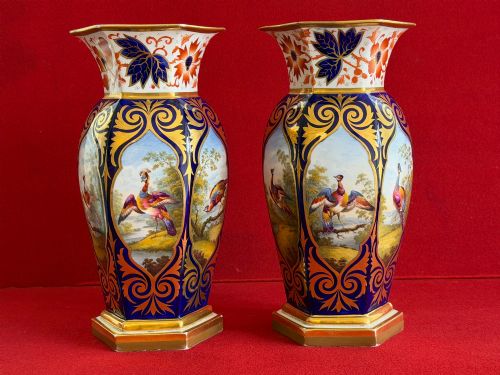
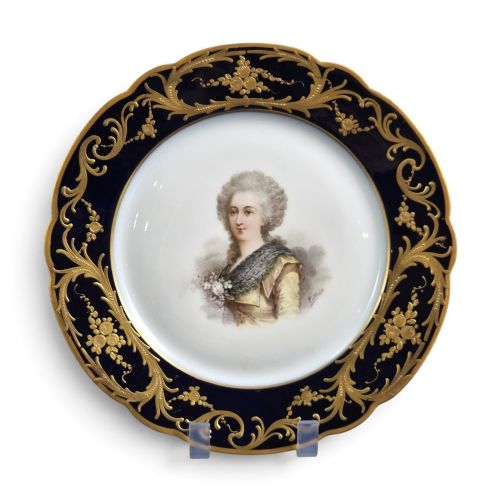
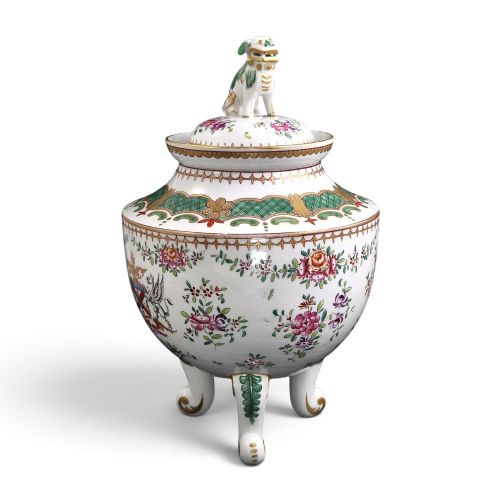
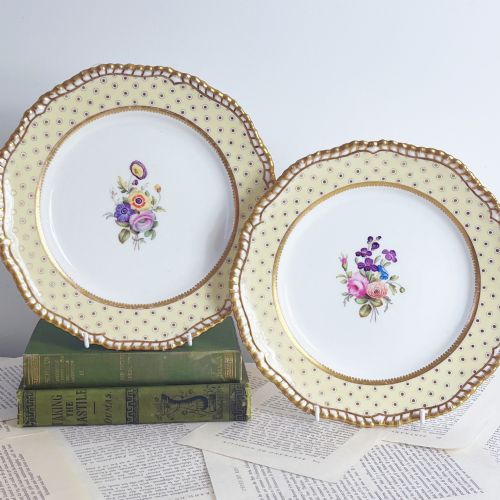
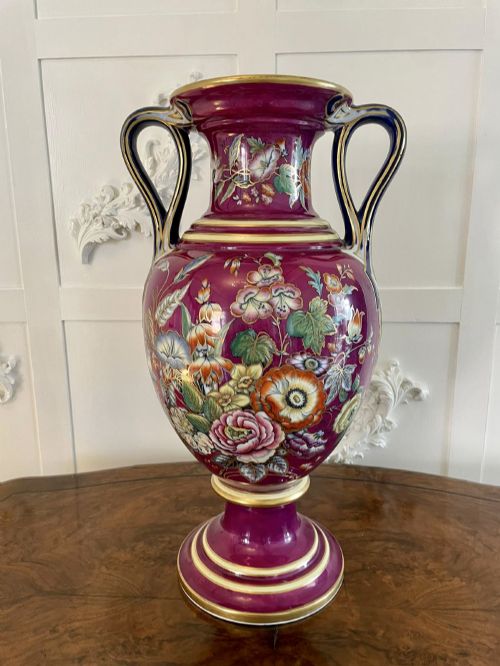
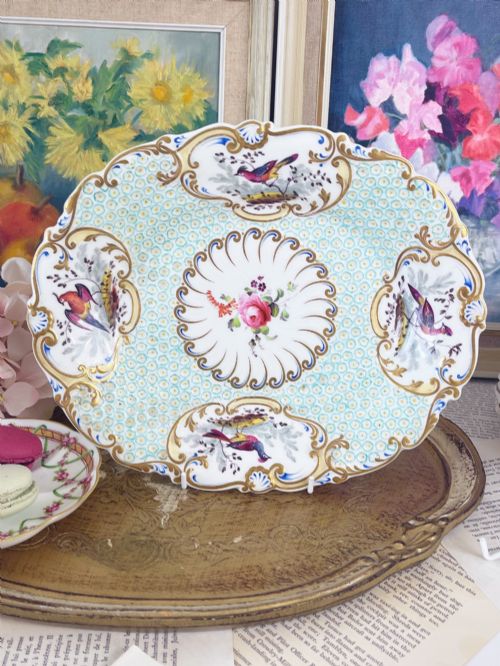
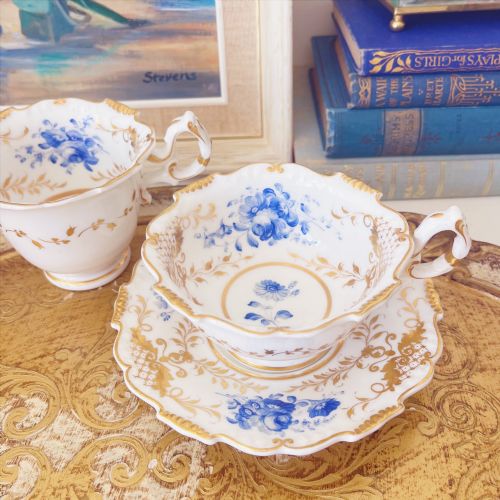
Domestic serving pieces like platters, comports, and dessert services appear frequently alongside cabinet cups and saucers. Vases and urns display detailed hand-painted scenes framed by gold leaf and enamel highlights.
Materials and application techniques
Manufacturers utilised fine porcelain and bone china bodies, providing a stable white ground for subsequent painting and enrichment. Artisans applied gold leaf, liquid gold, and gilt bronze mounts to enhance the ceramic forms.
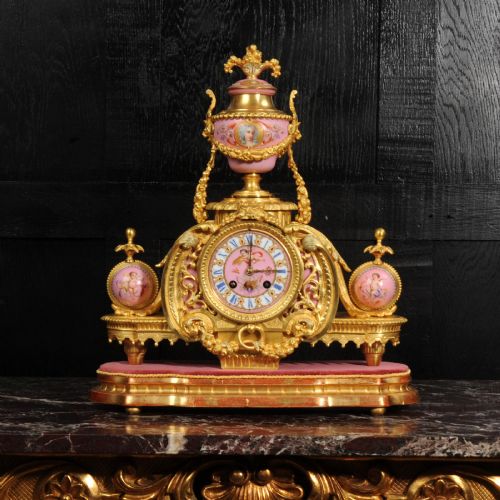
Hand-painting incorporated polychrome enamels, cobalt blue grounds, and gilt detailing fired in kilns to bond the metallic decoration to the glaze. Ormolu mounts and gilt bronze hardware frequently complemented French and English clock cases and decorative urns.
The inventory records diverse forms including miniature vases, monumental floor-standing jars, carriage clocks, and multi-piece dessert services.
Distinctions in execution
The refinement of the painted decoration establishes the primary tier of distinction, moving from standard transfer prints to intricate hand-painted portraiture, botanical studies, and fancy birds. Skill in ceramic throwing and moulding determines the crispness of shaped rims, handles, and pierced galleries.
The density and purity of the gilding further separate standard utility pieces from exhibition-grade works. Heavy burnished gold leaf applied by hand retains greater lustre and depth than thin painted bronze finishes.
Royal Crown Derby·Japy Freres·Flight Barr And Barr·Spode·Coalport·Achille Brocot·H And R Daniel·Flight And Worcester·Chamberlain Worcester·Wedgwood·Jacob Petit·Royal Worcester·Meissen·Jean Pierre Feuillet
The Gilded Porcelain Glossary
- Ormolu
- Gilt bronze mounts used extensively on French clocks and decorative porcelain vessels. The technique involves applying a mercury-gilt finish to cast bronze components.
- Imari
- A Japanese export porcelain style featuring cobalt blue, iron red, and abundant gilding, which later inspired European factories. British and continental makers frequently copied these vibrant palettes.
- Bone china
- A ceramic body incorporating bone ash, developed in England to create a whiter, stronger paste suitable for delicate forms. It forms the base for numerous nineteenth-century services.
- Tazza
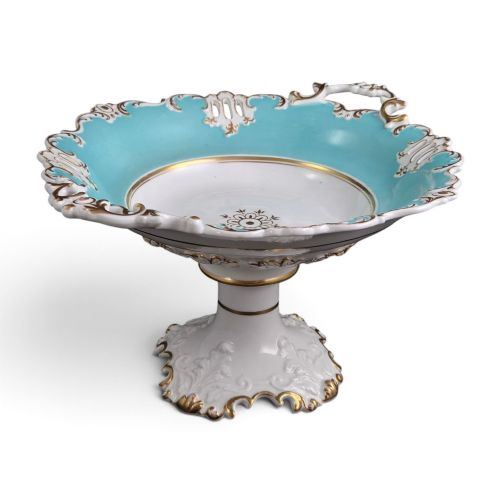
- An elevated decorative dish or shallow bowl raised on a central foot or pedestal. These pieces function as centrepieces or dessert service components.
- Gilding
- The application of gold leaf or gold paint to ceramic surfaces, clock cases, and mounts. Burnishing brings the metal to a reflective polish.
Gilded Porcelain: Frequently Asked Questions
Can I use these plates for dining?
Historic decorative plates and tea wares feature delicate overglaze enamels and soft gold leaf that wear away with regular use and modern detergents. Most collectors display these items in cabinets or utilise them strictly for special decorative occasions.
Utensil marks and abrasive washing will permanently damage the hand-painted scenes and burnished gilding found on eighteenth and nineteenth-century ceramics. Preserve the integrity of the glaze by keeping functional use to a minimum.
How do I identify factory marks?
Turn pieces over to inspect the base for underglaze blue stamps, impressed ciphers, or painted pattern numbers associated with specific historic potteries. Reference standard ceramic identification guides to match painted monograms and crown symbols to their correct operating periods.
Unmarked pieces often rely on stylistic attributes, paste composition, and distinctive shape names to attribute them to particular English or continental workshops.
Where should I display my collection?
Position porcelain vessels and clocks away from direct sunlight to prevent the fading of polychrome enamels and cobalt blue grounds. Stable indoor environments protect delicate ceramic bodies and prevent thermal shock.
Enclosed display cabinets protect items from accidental knocks while allowing clear visibility of hand-painted details and gilt borders from multiple angles.