
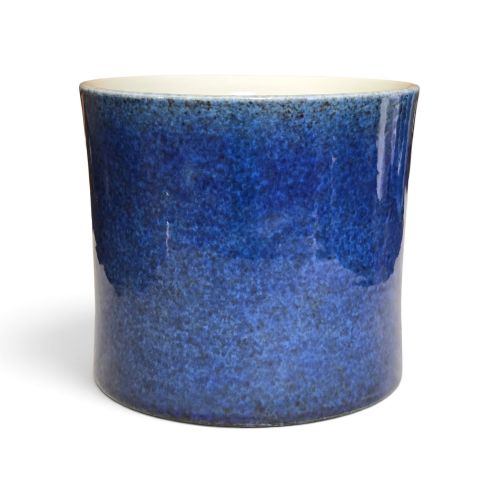


Powder Blue Porcelain
Powder blue porcelain items bring together deep cobalt washes and fine ceramic forms, offering both decorative presence and practical utility for the home.
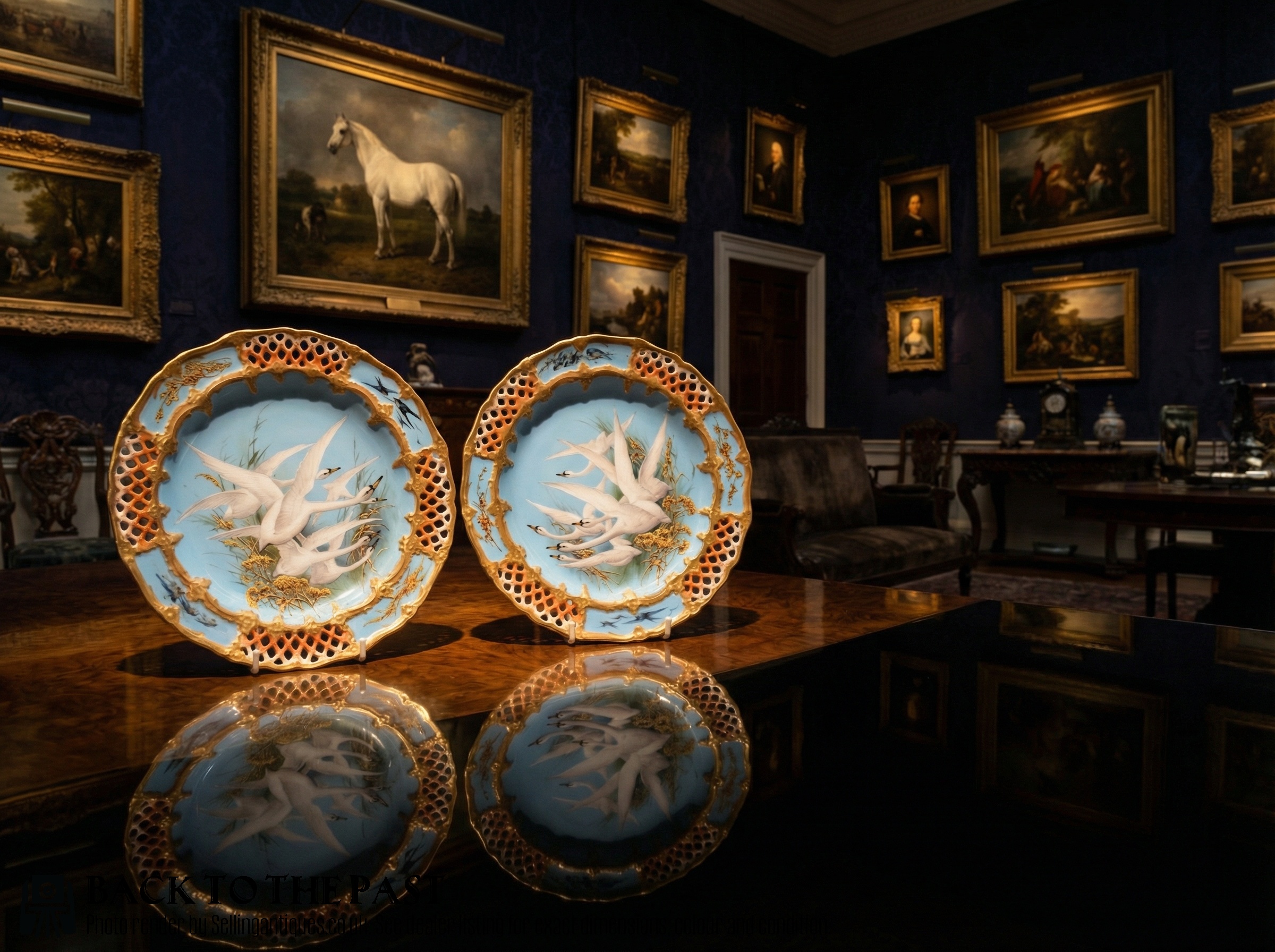
Powder Blue Porcelain
Powder blue porcelain encompasses a diverse range of objects spanning from seventeenth-century Chinese scholar items to twentieth-century European boudoir pieces. When you search for powder blue porcelain, you encounter items designed for varied uses, including brush pots, cabinet plates, table lamps, and vanity boxes. The selection moves between Asian export wares with metallic mounts and European decorative ceramics from the Art Deco period.
The objects on this page lean heavily towards two distinct traditions: early Chinese ceramics characterised by mottled cobalt glazes and later French or Austrian vanity items from the nineteen-thirties. You will find lidded powder jars alongside vases mounted as lamps, reflecting how historical ceramic bodies were often adapted for modern lighting. Each piece displays a characteristic mottled or blown blue surface tone that defines the category.
How they were made
The signature powder blue surface is achieved by blowing cobalt pigment through a gauze-covered tube onto the unglazed or dry-glazed ceramic body before firing. This technique creates a distinctive stippled texture rather than an even, flat wash of colour. Artisans then applied secondary details such as gold leaf, enamel overglazes, or hand-painted motifs directly over the fired blue ground.
Many of the European and Chinese examples incorporate additional mounts made from brass, gilt, or ormolu to frame the ceramic body. Ceramic workshops utilised traditional throwing and moulding methods to shape trinket boxes, vases, and plates before subjecting them to high-temperature kiln firings.
Listings range from seventeenth-century Chinese export pieces to nineteen-thirties French Art Deco powder boxes.
What varies in quality
Quality in powder blue porcelain rests upon the evenness of the cobalt stippling and the depth of the underlying glaze. Superior examples show a balanced distribution of the blue pigment without heavy pooling or stark bare patches, while lesser pieces display a muddy or uneven application. The crispness of any secondary hand-painted decoration or gilding further separates standard production wares from finer studio output.
The integration of mountings, such as ormolu on nineteenth-century vases or fitted brass collars on trinket boxes, dictates the overall refinement of the object. Finer items maintain structural harmony between the ceramic vessel and its metal fittings, whereas lesser pieces often show clumsy joins or mismatched proportions.
Royal Worcester·Royal Crown Derby·Limoges
The Powder Blue Porcelain Glossary
- Bitong
- A cylindrical brush pot used in traditional Chinese scholar's studios. These vessels hold writing brushes and display carved or glazed surfaces.
- Ormolu
- Cast bronze that has been gilded with a layer of gold, frequently used for decorative mounts on nineteenth-century vases. This material adds weight and structural framing to ceramic bodies.
- Famille Verte
- A Chinese ceramic palette dominated by green enamels, often appearing alongside or in related groups with blue-glazed wares. The style developed during the Qing dynasty and involves detailed overglaze enamel work.
- Half Doll
- A ceramic figurine depicting the upper half of a human figure, commonly used as a decorative lid for powder boxes during the Art Deco period. These figures often portray flapper girls with stylised period hairstyles.
Powder Blue Porcelain: Frequently Asked Questions
What is powder blue porcelain?
Powder blue porcelain refers to ceramic items finished with a blown cobalt blue glaze, creating a characteristic stippled and mottled surface effect.
The technique originated in historical Chinese kilns and was later adopted by European potteries to create decorative vessels, plates, and vanity boxes.
How do I care for powder blue porcelain?
Clean these pieces gently using a soft, dry cloth to remove dust from the glazed surfaces and any gilt details.
Avoid using abrasive cleaning agents or immersing items with metal mounts or hand-painted enamels in water, as this can damage the delicate finishes.
Are these items functional or decorative?
Most of these pieces served practical functions in their original context, operating as brush pots, trinket containers, dessert dishes, or powder jars.
Today, many buyers use them as decorative accents, while items like vases have frequently been converted into functional table lamps.
How can I tell the period of a piece?
Dating relies on examining the ceramic body style, the nature of the glaze application, and any associated maker marks or stamps.
Seventeenth-century Chinese items differ significantly in paste and mounting style from nineteen-thirties European Art Deco powder boxes and porcelain plates.