


Antique Fairy Plate
An antique fairy plate brings nineteenth-century whimsy and Victorian illustration into the home through delicate ceramics and decorative prints.
Antique Fairy Plate
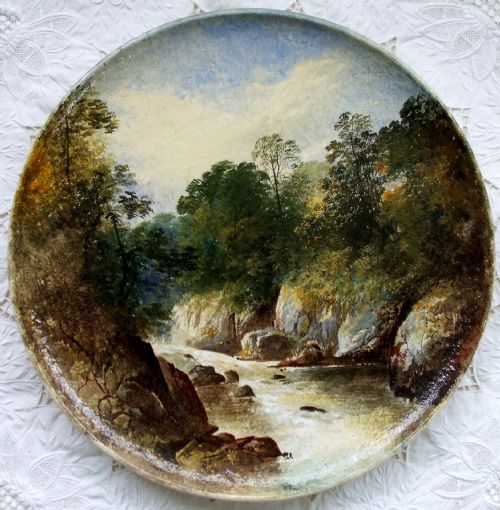
When you search for an antique fairy plate, you uncover a distinct genre of nineteenth-century ceramics and framed illustration that captures mythological folklore. These pieces range from earthenware pottery plaques depicting Welsh landscapes to porcelain plates featuring detailed figurative studies.
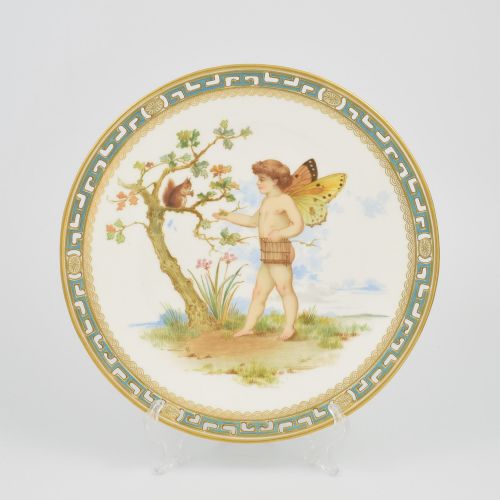
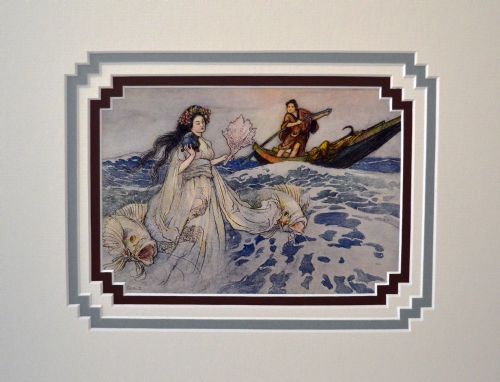
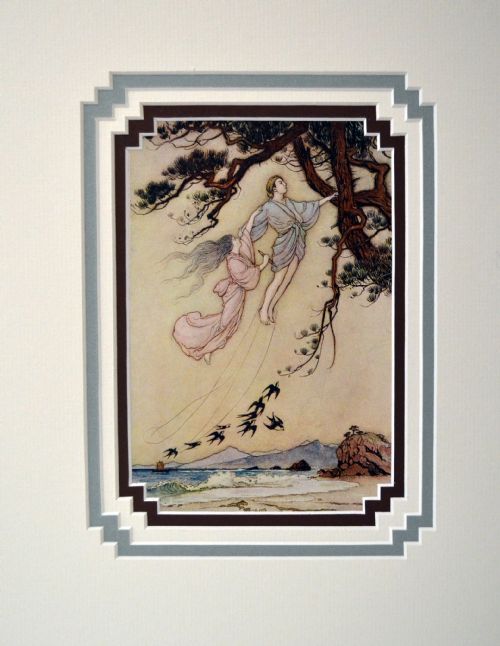
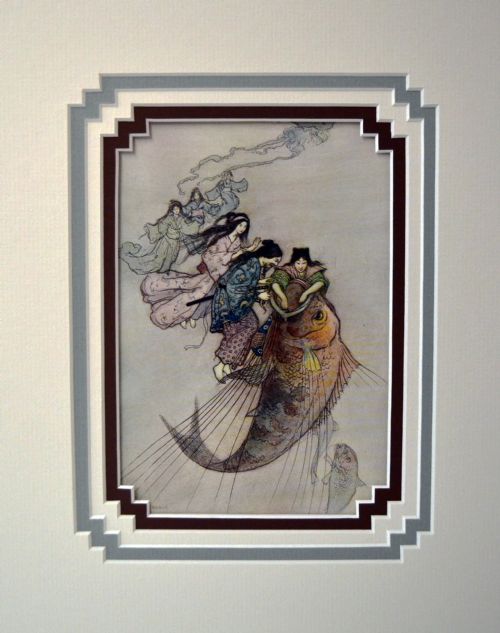
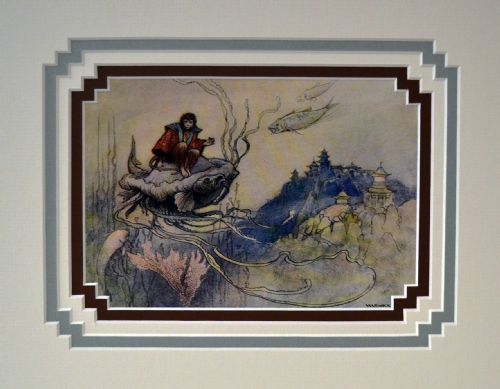
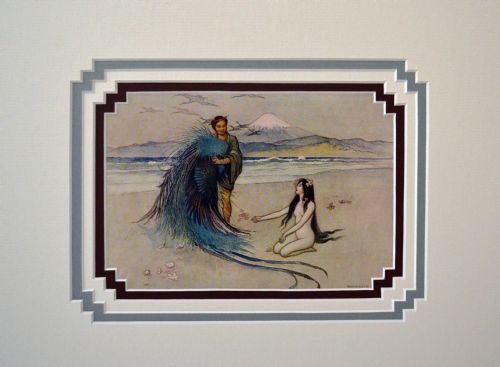
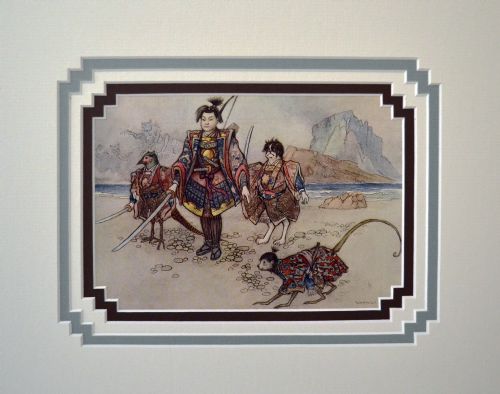
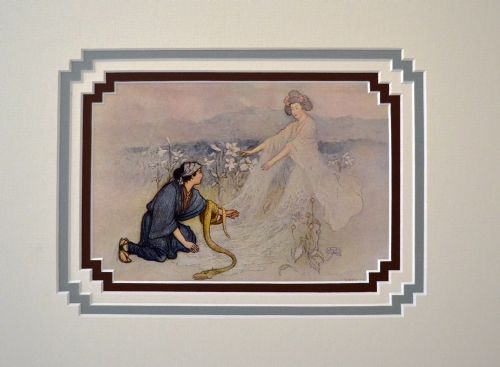
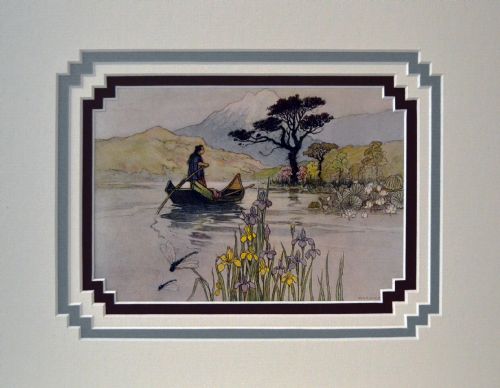
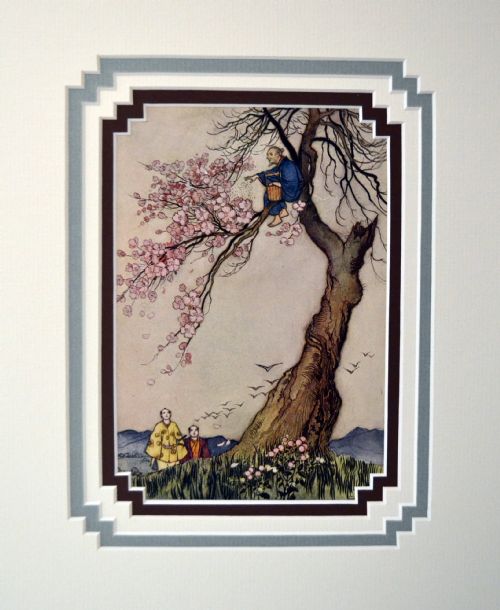
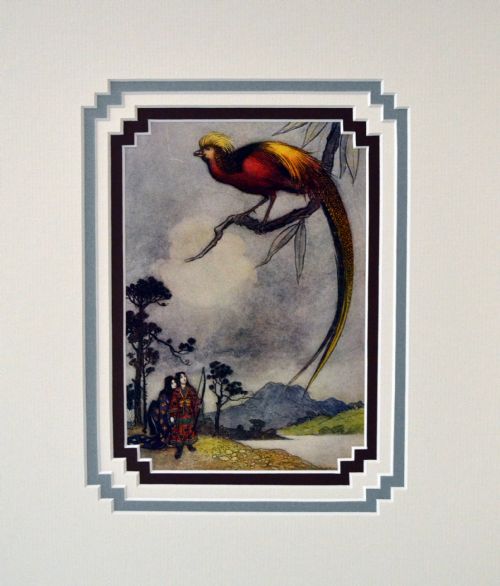
The versions most commonly met on this page include Victorian Copeland pottery plaques and Minton pierced porcelain plates from the nineteenth century. Alongside these ceramics, collectors find Edwardian book illustrations capturing Japanese folklore themes.
Makers such as William Yale and W.S. Coleman define the ceramic offerings, while artists like Warwick Goble represent the printed works. Together, these items cross various styles including the Aesthetic Movement, Victorian naturalism, and Edwardian illustration.
Materials and production methods
Pottery and porcelain form the primary substrate for the ceramic plaques and plates, finished with applied glazes to secure the painted surface. Earthenware and porcelain bodies provide the necessary rigidity for detailed transfer-printed or hand-painted scenery.
Paper, card, and mount board support the printed works, utilising ink to render fine lines in early twentieth-century editions. Glass frames often protect these paper items from environmental damage.
Squirrels occasionally share plate space with fairies, proving that Victorian artists believed woodland rodents deserved magical status too.
Assessing quality in plates and prints
The clarity of the transfer print or painted brushwork dictates the visual success of a piece, distinguishing finely detailed Victorian potteries from simpler productions. Hand-painted ceramic plaques by named artists demonstrate superior artistry compared to standard factory output.
The preservation of the underlying paper or ceramic body influences the overall integrity. Well-preserved glazes on earthenware and clean mount boards on prints retain their original aesthetic power.
W.S. Coleman·William Yale·Warwick Goble·Copeland Pottery·Minton
The Antique Fairy Plate Glossary
- Earthenware
- A porous ceramic body fired at lower temperatures, commonly used for nineteenth-century pottery plaques. It requires a vitreous glaze to ensure a non-porous surface.
- Porcelain
- A fine, hard ceramic fired at high temperatures, utilised for pierced decorative plates during the Victorian period. It allows for thinner walls and delicate openwork structures.
- Aesthetic Movement
- A nineteenth-century design style emphasising visual beauty over narrative function. Pieces from this period often showcase stylised natural motifs and balanced compositions.
- Transfer printing
- A mechanical technique used to apply detailed engraved designs onto ceramic surfaces before glazing and firing. This method allowed intricate topographical and figurative scenes to be reproduced consistently.
- Mount board
- A stiff cardboard material used in framing to support and separate paper prints from the glass. Quality mounting prevents the paper from touching the glazing directly.
Antique Fairy Plate: Frequently Asked Questions
How do I display an antique ceramic plaque?
Ceramic plaques often feature integrated hanging holes or rear mounts intended for wall display in domestic interiors.
Ensure secure fixings are used to support the weight of nineteenth-century earthenware safely against the wall.
Are framed book illustrations considered plates?
In this category, printed illustrations from early editions are mounted and framed similarly to decorative wall plates.
They share the same visual purpose of bringing narrative artwork into a room.
What period do these fairy subjects come from?
The pieces span from the Victorian era through the Edwardian period, capturing changing artistic tastes in folklore.
Nineteenth-century works lean towards romantic landscapes and porcelain painting, while early twentieth-century items reflect Japanese-influenced illustration styles.
How should I clean porcelain plates?
Dust ceramic surfaces gently with a dry, soft cloth to prevent the accumulation of particles on the glaze.
Avoid using water or chemical cleaners, which can compromise aged materials and historical paint layers.