




Turquoise Ceramic Plate
A turquoise ceramic plate brings rich colour and nineteenth-century craftsmanship directly to your table.
Turquoise Ceramic Plate
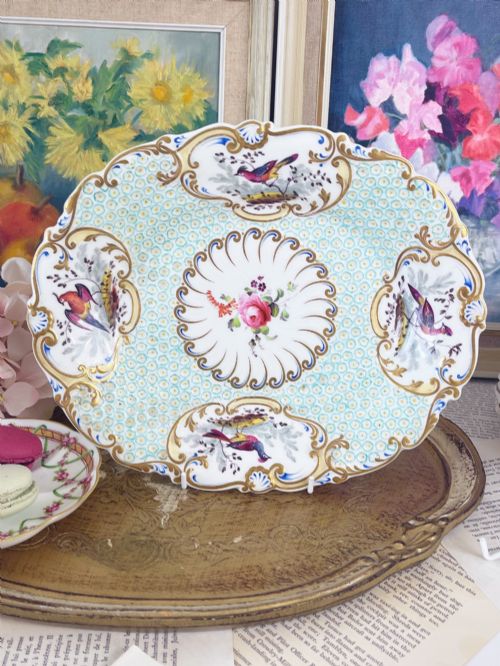
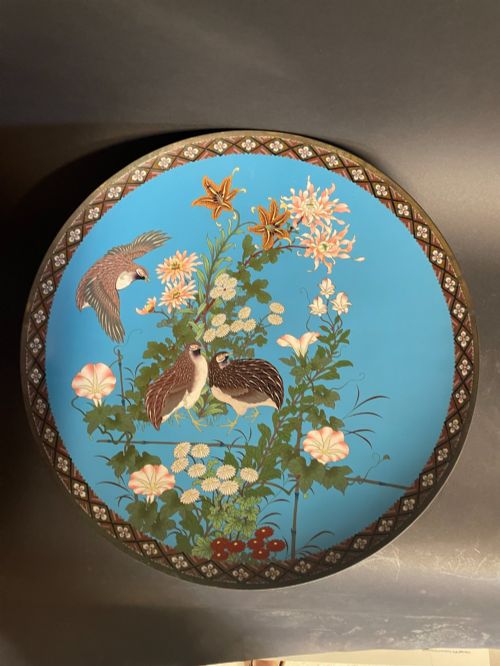
When you search for a turquoise ceramic plate, you encounter a selection of nineteenth-century cabinet plates, decorative chargers, and serving dishes from English and French makers. These items span Victorian, Georgian, and Meiji periods, reflecting diverse stylistic revivals from Rococo to the Aesthetic Movement.
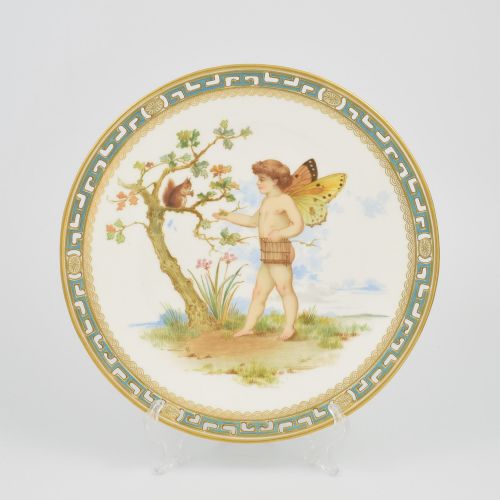
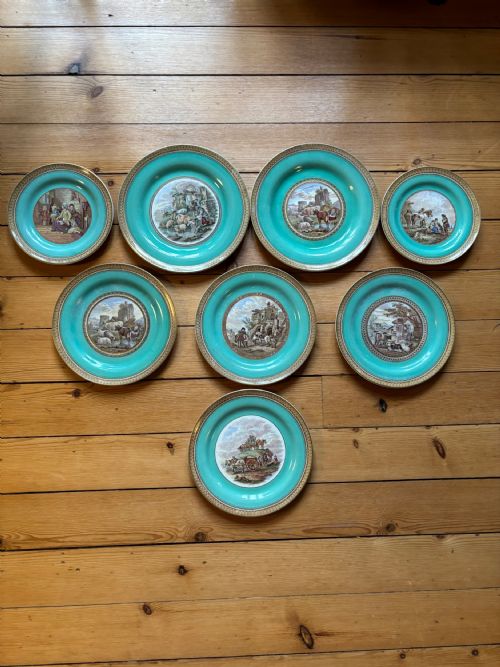
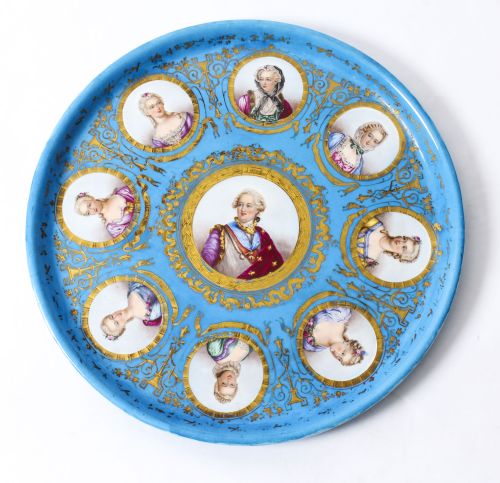
The version you are most likely to meet on this page is a porcelain or earthenware plate decorated with glaze, enamel, or hand-painted details. Many pieces combine ceramic bodies with silver plate, gilt, or gold leaf accents, often taking the form of cabinet plates or decorative chargers.
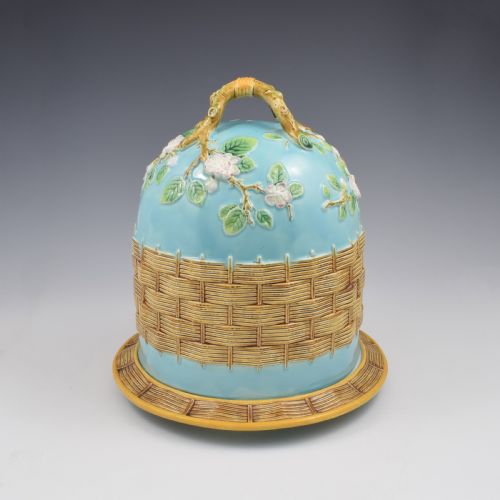
The selection also includes specialised serving ware such as salad bowls, cheese domes, and biscuit barrels alongside traditional plates and platters. Makers from Minton and George Jones to Sevres influence the variety available to collectors today.
How they were made
Potters shaped porcelain and earthenware bodies before applying specialised glaze and enamel to achieve the characteristic turquoise colouration. Artisans utilised hand-painted techniques to add intricate details such as birds, fairy figures, and floral motifs.
Many items incorporate metal elements, combining ceramic plates and dishes with silver plate mounts, copper components, or applications of gold leaf and gilt. Kiln firing fixed the coloured glazes and enamel decorations onto the ceramic surfaces.
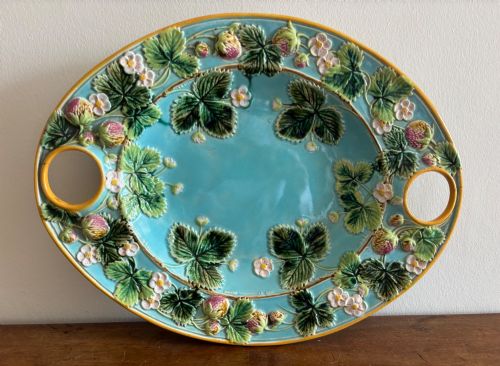
More elaborate pieces featured pierced porcelain work and moulded dimensional motifs like apple blossoms and strawberries. Makers employed precise turning and moulding methods to create consistent cabinet plates, chargers, and serving dishes.
Listings feature items from the Victorian and Georgian periods alongside pieces influenced by the Aesthetic Movement.
What varies in quality
The fineness of the hand-painted decoration separates standard production from superior cabinet pieces. Precision in brushwork, particularly on detailed subjects like birds and figures, indicates skilled studio work.
The depth and uniformity of the turquoise glaze affect the visual appeal of the ceramic surface. Quality is also visible in the crispness of moulded details and the integration of auxiliary materials like gilt and silver plate.
Provenance and association with notable factories or decorators elevate certain plates and dishes. The condition of the glaze, enamel, and any applied gold leaf remains central to the integrity of the piece.
H & R Daniel·George Jones·Minton
The Turquoise Ceramic Plate Glossary
- Cabinet plate
- A decorative plate intended for display in a cabinet rather than for dining use. These pieces often feature fine hand-painted scenes or armorial designs.
- Majolica
- A type of earthenware coated with an opaque tin glaze and painted with brightly coloured metallic oxides. It is known for vibrant tones and moulded relief decoration.
- Sevres manner
- A stylistic approach imitating the French Sevres porcelain factory, characterised by rich ground colours, gilt borders, and classical painted panels.
- Aesthetic Movement
- A late nineteenth-century design style that emphasised visual beauty and art for art's sake, often drawing inspiration from Japanese motifs.
- Gilt
- A thin layer of gold applied to the surface of ceramic, metal, or wood to provide decorative metallic highlights.
Turquoise Ceramic Plate: Frequently Asked Questions
Can I use a antique turquoise ceramic plate for serving food?
While many items originated as serving dishes, platters, or salad bowls, nineteenth-century ceramic plates and chargers are largely treated as display or cabinet pieces today.
Using them for dining depends on the stability of the glaze and any delicate enamel or gold leaf decoration present on the surface.
How do I identify the period of a turquoise ceramic plate?
Dating relies on examining the ceramic body, glaze characteristics, and any factory marks stamped or painted on the reverse. Stylistic clues such as Aesthetic Movement motifs or Rococo Revival shaping also point toward specific decades within the nineteenth century.
Comparing the painting technique and materials like silver plate or earthenware helps narrow the decade of production.
What is the difference between earthenware and porcelain items?
Earthenware is a porous, opaque ceramic body fired at lower temperatures, commonly found in majolica dishes and salad bowls. Porcelain is a finer, vitrified ceramic that is denser and often used for delicate cabinet plates.
Porcelain pieces typically ring when struck gently and allow for thinner, more refined forms than earthenware.
How should I display a decorative charger safely?
Decorative chargers and large plates require sturdy plate stands or wall hangers designed to support their weight safely. Placement should avoid direct sunlight and fluctuating temperatures to protect the enamel and glaze.
Ensuring the mounting hardware fits the exact rim depth prevents accidental slips.