


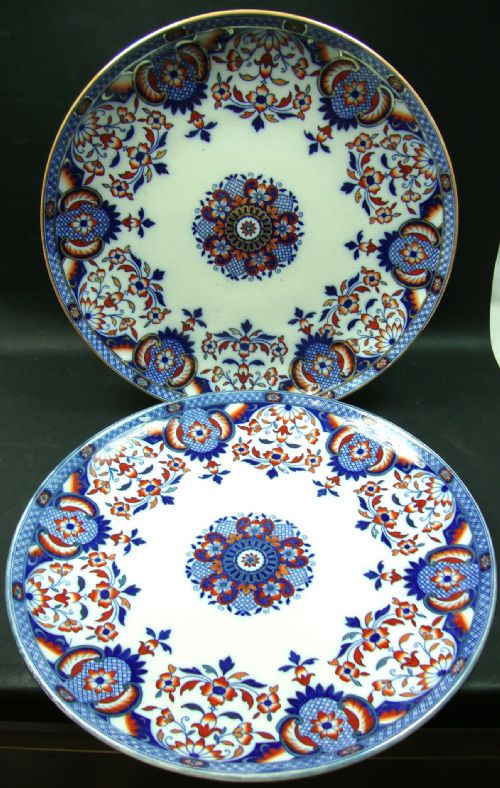

Victorian Aesthetic Pottery
Victorian aesthetic pottery brings together Japanese style, Persian influence, and skilled ceramic work to enliven domestic interiors.
Victorian Aesthetic Pottery
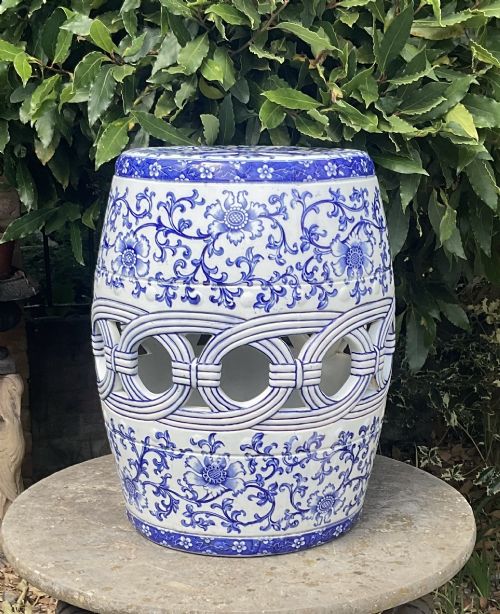
Victorian aesthetic pottery encompasses vases, decorative plates, garden seats, and jugs produced during the nineteenth century under the influence of the Aesthetic Movement. These items draw on diverse design traditions, including Japanese motifs, Chinese styles, and Persian influences, arranged with careful attention to decorative form. Buyers searching for victorian aesthetic pottery encounter objects that reflect a period of deliberate artistic experimentation in British ceramics.
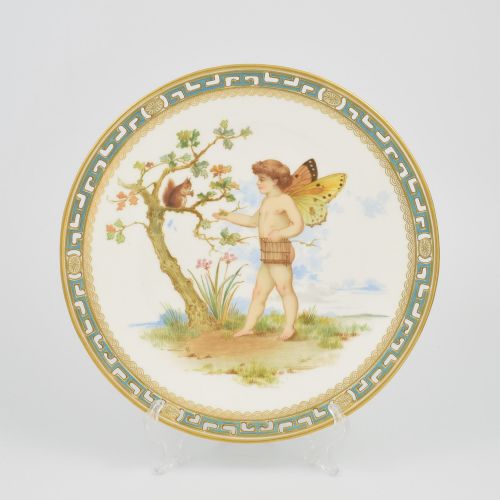
The pieces listed here span forms such as cabinet plates, wash sets, ewers, and decorative bowls, often carrying dates from around eighteen-eighty to nineteen-hundred. Common variations include blue and white designs, gilt porcelain, glazed earthenware, and pieces featuring hand-painted birds or botanical subjects. This selection represents the principal factories and independent decorators who shaped the movement.
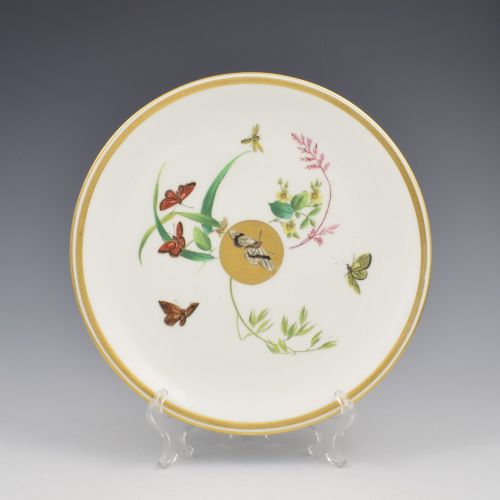
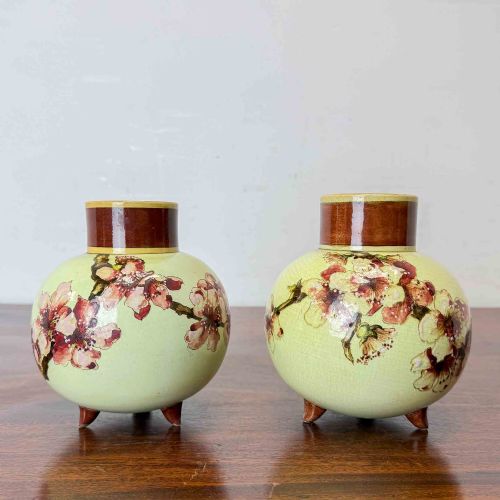
Items range from Minton plates decorated with Japanese suns and butterflies to Doulton Lambeth faience vases with cherry blossom motifs. Collectors also find larger forms like garden seats alongside smaller tiles and pitchers. Each piece demonstrates the integration of historic ornament with nineteenth-century manufacturing techniques.
How they were made
Makers utilised ceramic, earthenware, and porcelain bodies, shaping them into garden seats, vases, bowls, and plates. Potters applied glazes and enamel colours, frequently enriched with gold leaf or gilt details to highlight the surface decoration. Certain pieces incorporate brass mounts alongside the ceramic elements.
Decoration relied on specialised techniques including hand-painting, slip decoration such as Doulton Slater's patent methods, and transfer printing. Factories employed distinct design hands, seen in pieces featuring Japanese style motifs, Persian influenced patterns, or naturalistic subjects like cranes, herons, and squirrels.
The listings demonstrate a strong presence of Minton production, alongside works by Doulton potteries, Wedgwood, Bretby, and Dudson.
What varies in quality
Quality rests on the crispness of the moulding, the complexity of the glaze effects, and the precision of the hand-painted or transfer-printed decoration. Pieces designed by named artists or produced by major factories display superior control over colour palettes and decorative balance. The integration of gilding and enamel work further distinguishes finer examples from standard production.
The ambition of the form also dictates standing, with large garden seats, substantial ewers, and elaborate pairs of vases demanding greater technical skill in firing than simple plates. Design attribution to figures like Christopher Dresser, W.S. Coleman, or Thomas Allen elevates an object's interest for a collector.
Minton·Doulton Lambeth·Doulton Burslem·Bretby·Minton and Hollins·Wedgwood·Dudson Pottery
The Victorian Aesthetic Pottery Glossary
- Aesthetic Movement
- A nineteenth-century design movement that emphasised visual beauty and decorative qualities over narrative or moral purpose. It drew heavily on Japanese art and other non-Western traditions.
- Faience
- Earthenware decorated with coloured glazes over an opaque white tin-glaze, often associated with painted floral or botanical designs.
- Imari
- A style of ceramic decoration featuring a palette of iron red, underglaze blue, and gilt, inspired by Japanese export wares.
- Ewer
- A large jug with a wide spout and handle, used historically for holding water or as a purely decorative vessel.
- Slater's Patent
- A ceramic decoration technique involving lace or net pressed into wet clay to create textured surfaces, developed by Doulton.
Victorian Aesthetic Pottery: Frequently Asked Questions
What is Victorian aesthetic pottery?
Victorian aesthetic pottery refers to ceramic items produced in Britain during the nineteenth century under the influence of the Aesthetic Movement. These pieces prioritized visual design, frequently incorporating Japanese art, Persian motifs, and natural subjects.
Potteries such as Minton and Doulton produced vases, plates, and tiles that reflected these new decorative ideas. The objects combined traditional manufacturing with modern artistic direction.
How were these ceramics used?
Many of these pieces served as decorative display items within the Victorian home, exhibited on mantelpieces, in cabinets, or upon tables. Garden seats and large umbrella stands occupied hallways and conservatories.
Other items, such as wash sets, jugs, and dessert plates, combined decorative ambitions with domestic utility. Ewers and basins formed part of bedroom washing equipment.
Who designed aesthetic pottery?
Major factories employed prominent designers and artists to shape their output. Figures like Christopher Dresser, W.S. Coleman, and Thomas Allen contributed patterns and forms to potteries including Minton, Wedgwood, and Doulton.
Independent artists also painted blanks or supplied designs that factories translated into mass production or limited art pottery lines.
How do I identify periods and styles?
Dating relies on factory date marks, registration numbers, and stylistic markers such as Japanese motifs or Persian influenced patterns. Victorian pieces often carry impressed factory stamps or painted decorator marks beneath the glaze.
Styles shifted from mid-century revivals toward Japanese and art pottery idioms by the eighteen-eighties and nineties, documented through changing ceramic bodies and glaze techniques.