


Reticulated Rim Plate
A reticulated rim plate is an openwork display piece designed to catch the eye on a cabinet shelf or dining table.
Reticulated Rim Plate
A reticulated rim plate brings pierced porcelain and metalwork into domestic settings from the eighteenth century to the turn of the twentieth century. These pieces encompass cabinet plates, dessert services, and large serving trays produced across European and Japanese kilns.
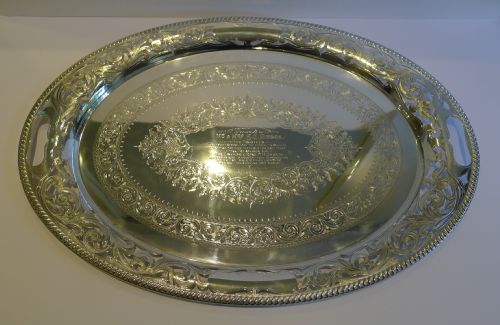
Victorian and Aesthetic periods dominate current selections alongside earlier eighteenth-century examples. Buyers encounter shapes ranging from basketweave porcelain to oval Japanese imari plates and heavy silver-plated trays.
Materials and technique
Makers shaped porcelain and electroplated nickel silver before cutting openwork patterns through the rim by hand. Enamel painting and gold leaf gilding were then applied to decorate the central wells with birds, figures, and botanical motifs.
Firing techniques allowed factories such as Meissen, Coalport, and Minton to produce crisp basketweave textures and perforated borders without warping the central plate surface.
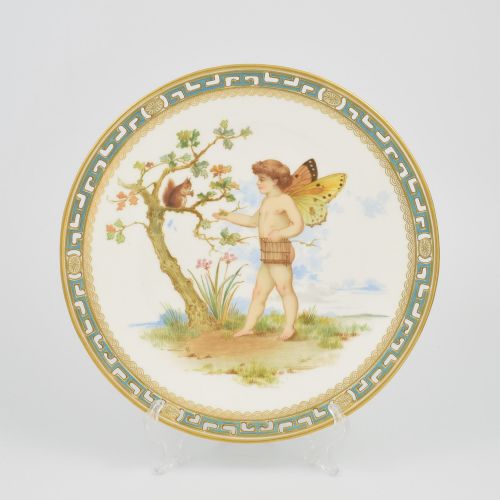
Squirrels and fairies gaze out from pierced Victorian porcelain.
The standard of execution
Quality rests in the precision of the piercing and the crispness of the moulded relief work around the rim. Hand-painted subjects by named artists elevate a plate above standard factory output.
The preservation of the original gilding and enamels without rubbing or restoration determines the standing of each piece within its period.
Minton·John Ridgway·Meissen·Furstenberg·Royal Worcester·Coalport·J.H. Potter·Limbach
The Reticulated Rim Plate Glossary
- Reticulated
- Pierced or openwork decoration cut into the rim of a plate to resemble lattice or basketry. This technique requires skilled hand-cutting before the clay fires.
- Cabinet plate
- A decorative plate intended for display on a shelf or in a cabinet rather than for table service. These pieces usually feature elaborate hand-painted scenes.
- Aesthetic Movement
- A late nineteenth-century design style emphasising visual beauty over narrative content. Pieces from this period often incorporate Japanese influences.
- Gilding
- The application of gold leaf or gold paint to ceramic rims and borders. It highlights the moulded details of the plate.
Reticulated Rim Plate: Frequently Asked Questions
How were these plates used?
These pieces served both decorative display and practical dining functions depending on their form. Dessert sets and cabinet plates held food or adorned reception rooms during formal meals.
Larger serving trays and chargers accommodated heavier dishes while showcasing elaborate pierced metalwork or hand-painted porcelain scenes.
How do I date a reticulated plate?
Dating relies on factory marks, ceramic bodies, and stylistic indicators such as Aesthetic Movement motifs or Victorian Rococo Revival moulding. Eighteenth-century examples display different paste compositions compared to nineteenth-century productions.
Backstamps and decorator signatures provide specific chronological anchors for pieces from major European factories.
Can I use them for dining?
Most surviving examples function best as display items due to delicate openwork rims and historic enamel decoration. Fine porcelain and gilt surfaces require careful handling away from modern dishwashers.
Plates with silver plating or sturdy ceramic bodies tolerate gentle manual washing if handled with proper care.
What does reticulated mean?
Reticulated refers to a net-like or pierced pattern cut into the rim of a ceramic plate or metal tray. Artisans pierced the material prior to firing or casting to create decorative open borders.
This technique lightened the visual weight of heavy serving pieces and demonstrated the technical skill of the maker.