


Art Nouveau Pottery Vessel
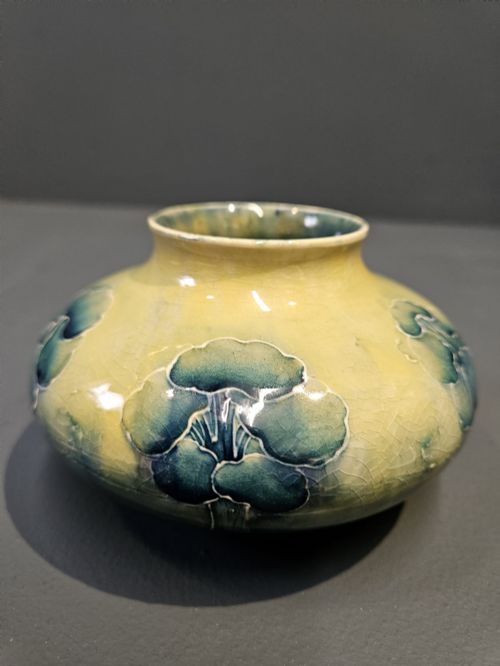
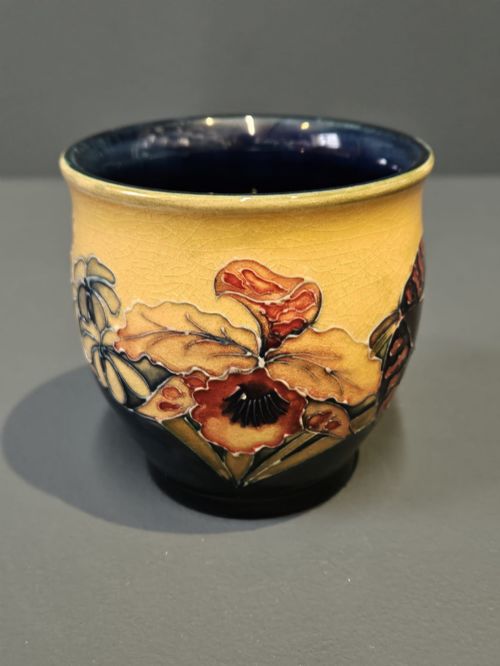
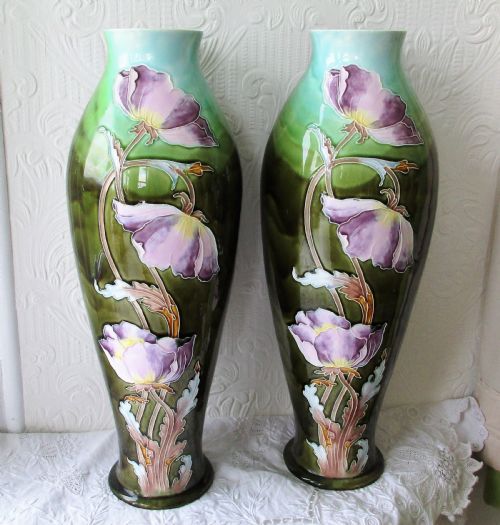
An art nouveau pottery vessel brings flowing floral lines and rich glazes into a room, capturing the organic spirit of the turn of the century.
Art Nouveau Pottery Vessel
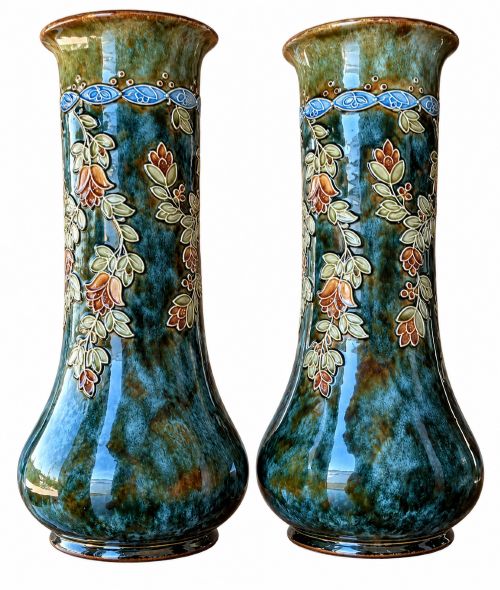
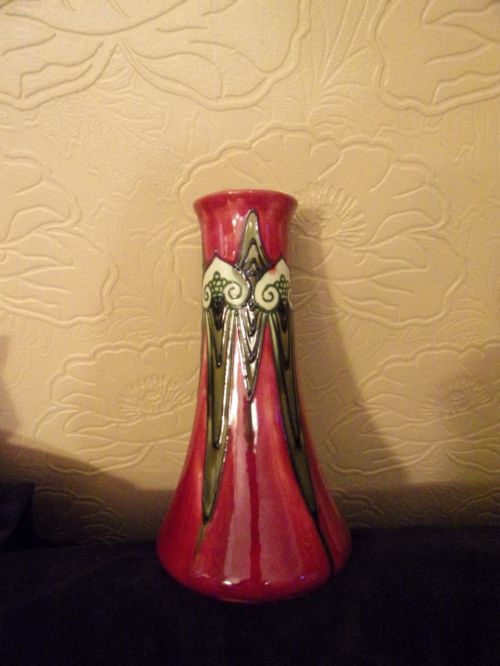
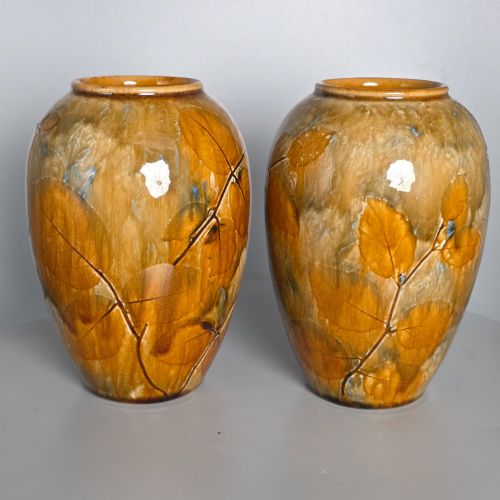
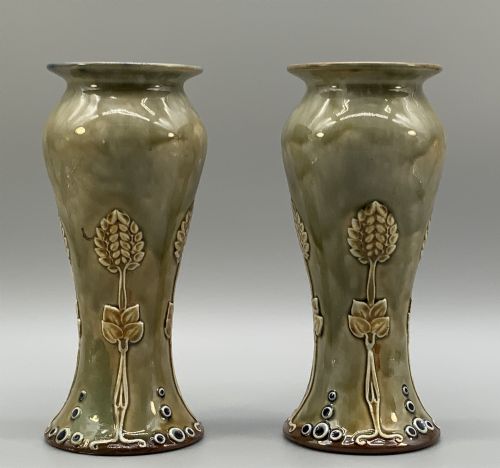
When you search for an art nouveau pottery vessel, you encounter a range of decorative ceramic forms spanning the late nineteenth century through the early twentieth century. The selections available here heavily feature British stonewares and earthenware alongside continental European works from famous potteries and studios.
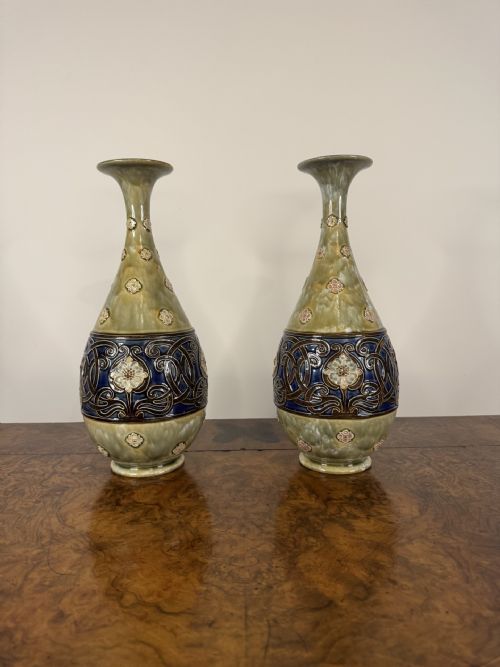
Most pieces take the form of baluster vases, jugs, jardiniere, or decorative bowls created during the Edwardian period and the decades immediately preceding it. These items reflect the distinctive flowing motifs, botanical patterns, and stylized natural forms characteristic of the movement.
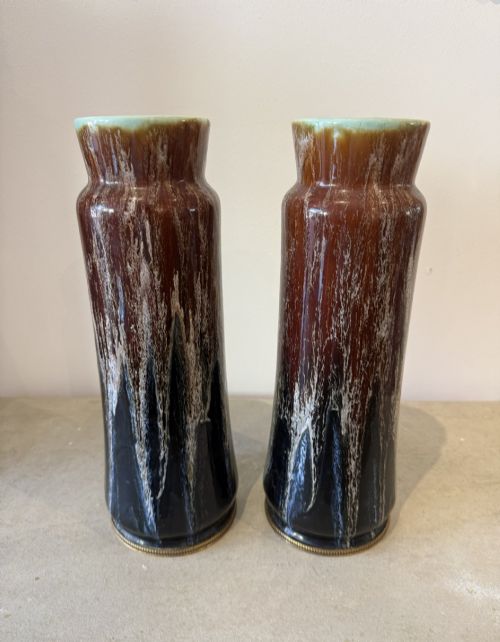
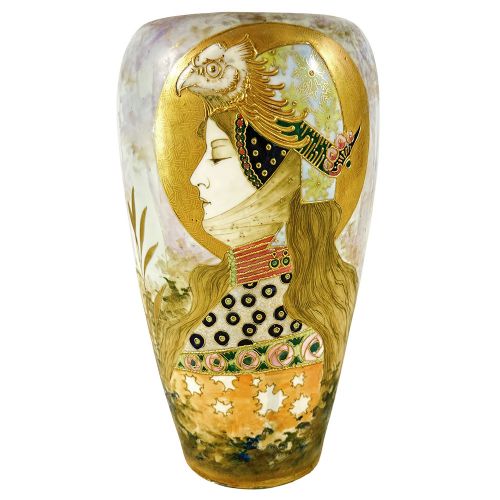
Makers from Staffordshire to Vienna contributed to this category, producing everything from tube-lined earthenware to salt-glazed stoneware and hand-painted faience. Buyers frequently discover matched pairs alongside monumental single pieces designed for prominent display.
How They Were Made
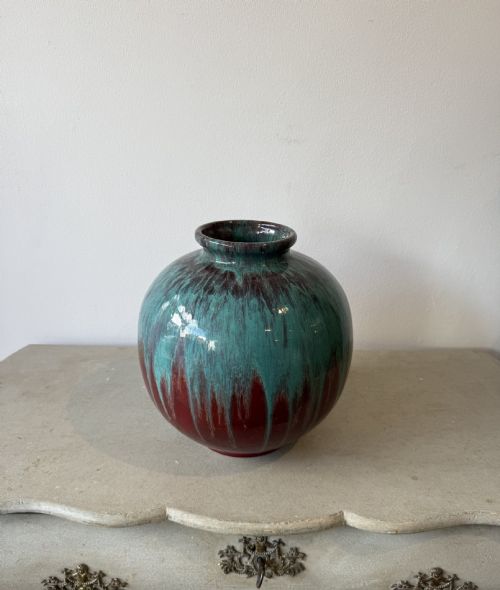
Potters utilised robust earthenware and dense stoneware bodies as foundations for elaborate surface decoration, shaping them into fluid baluster profiles and organic vessels. Artisans applied glazes ranging from metallic copper effects to rich autumnal tones and deep blues to accentuate the curves.
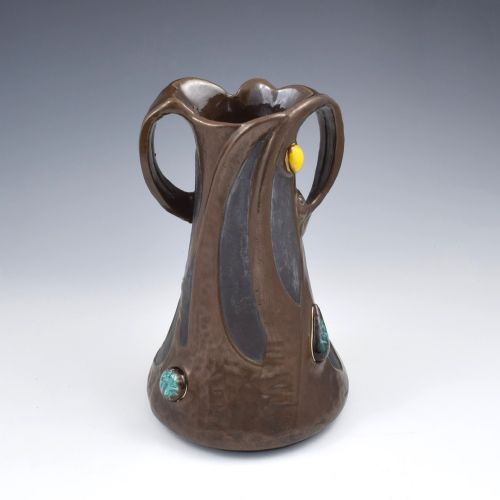
Techniques such as tube-lining created raised outlines that contained vibrant hand-painted pigments, while other workshops employed gilding, jewelled cabochons, and gold leaf for heightened textural contrast.
Kiln-fired ceramic construction allowed for complex chemical reactions within the glazes, producing the distinctive mottled and lustrous finishes seen across English art pottery and continental wares.
Materials represented across the inventory include glazed earthenware, salt-glazed stoneware, faience, and applied gold leaf.
What Varies in Quality
The distinction between standard production items and exceptional works lies in the ambition of the hand-painted execution and the precision of the tube-lined or modelled details. Pieces bearing specific artist ciphers or designed by recognised studio figures display superior depth in glaze chemistry and artistic control.
Complexity of form and ambition in scale separate straightforward utilitarian vessels from monumental exhibition pieces that incorporate applied cabochons, gold leaf, or intricate floral motifs executed by master hands.
Royal Doulton Lambeth·Minton Secessionist·William Moorcroft·Reissner Stellmacher and Kessel·Turn Vienna·Paul Dachsel·Brannam Art Pottery·Macintyre and Co·Boch Freres
The Art Nouveau Pottery Vessel Glossary
- Baluster
- A vertical architectural form with a rounded lower body tapering to a narrower neck, frequently seen in tall ceramic vases.
- Tube-lining
- A decorative technique where a fine line of clay slip is squeezed onto the pottery body from a bulb or tube to outline patterns before glazing.
- Faience
- Tin-glazed earthenware produced across continental Europe, offering a smooth white surface ideal for hand-painted botanical designs.
- Jardiniere
- A large ornamental ceramic bowl or pot specifically intended for holding live indoor plants or floral arrangements.
- Stoneware
- A hard, durable ceramic fired at high temperatures until vitrified, making it impermeable to liquids even without a glaze.
Art Nouveau Pottery Vessel: Frequently Asked Questions
How do I clean my pottery vessel?
Dust the surface gently with a dry, soft cloth to prevent any accumulation of dirt in recessed areas or tube-lined channels. Avoid using water or chemical cleaners on antique ceramics, particularly those with delicate gold leaf or hand-painted overglaze decoration.
Keep pieces away from direct sunlight and damp environments to protect the integrity of the historic glaze and ceramic body over time.
Were these vessels meant for flowers?
Many examples in this category were created primarily as ornamental decorative objects rather than functional containers for water and stems. Larger jardiniere and monumental vases served as architectural focal points within Edwardian and Victorian interiors.
Smaller pitchers and baluster vases could accommodate stems, though collectors generally prize them for their artistic glaze effects and sculptural forms.
How do I identify the period?
Examine the base for impressed factory marks, registration numbers, and handwritten artist ciphers that point to specific decades of production. Stylistic markers such as tube-lined floral motifs and metallic copper glazes help narrow the date of manufacture.
Comparing the glaze type and clay body against documented factory outputs from makers in Lambeth, Staffordshire, or Vienna provides further historical context.
Where should I display my piece?
Place your ceramic vessel on a sturdy mantelpiece, sideboard, or console table where adequate lighting can highlight the rich glaze variations and textured surface details. Ensure the display location is secure from foot traffic and accidental knocks.
Allow enough space around monumental or brightly glazed items so the organic lines and flowing botanical patterns remain the visual focal point of the room.