
Decorative Ceramic Urn Vase
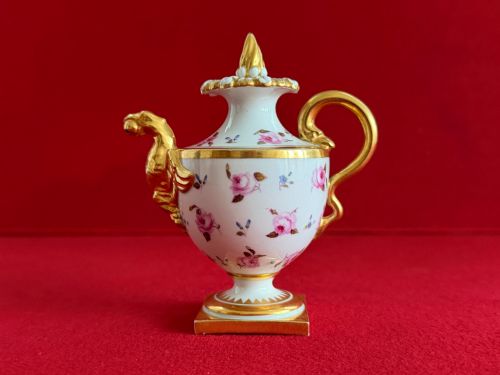
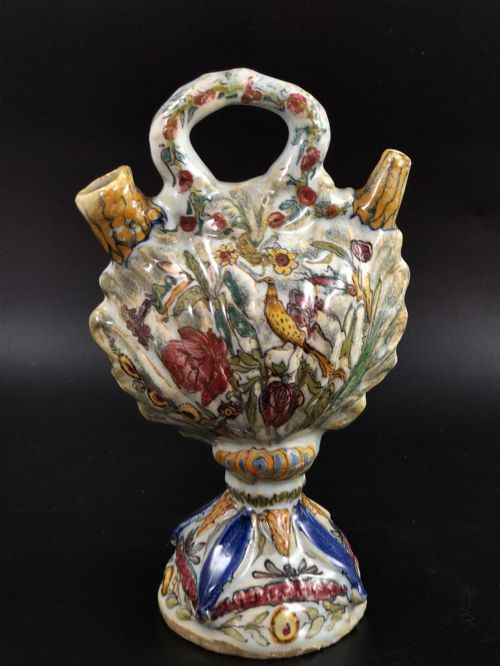
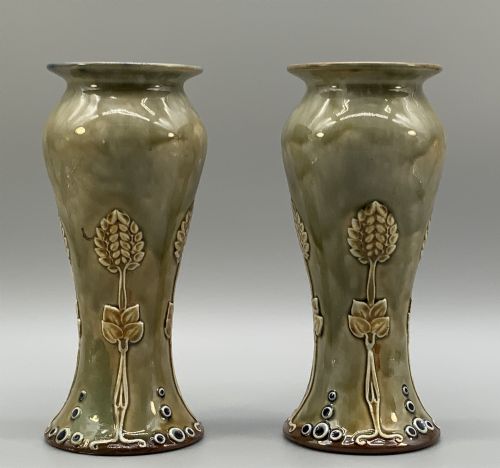
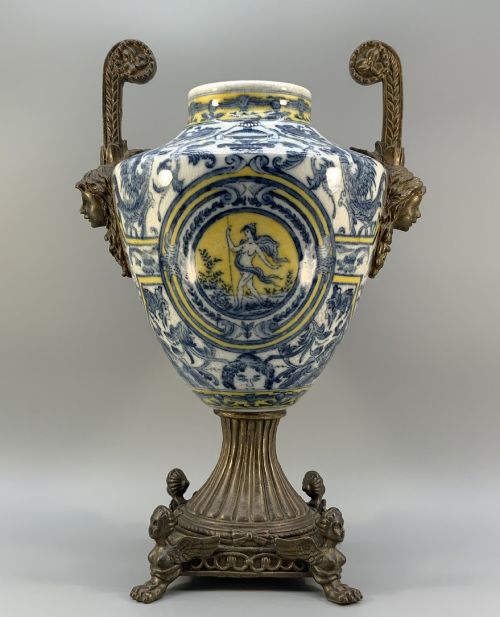
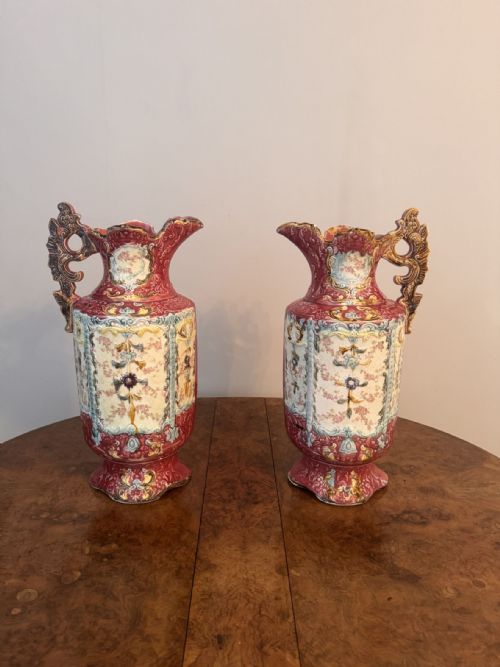
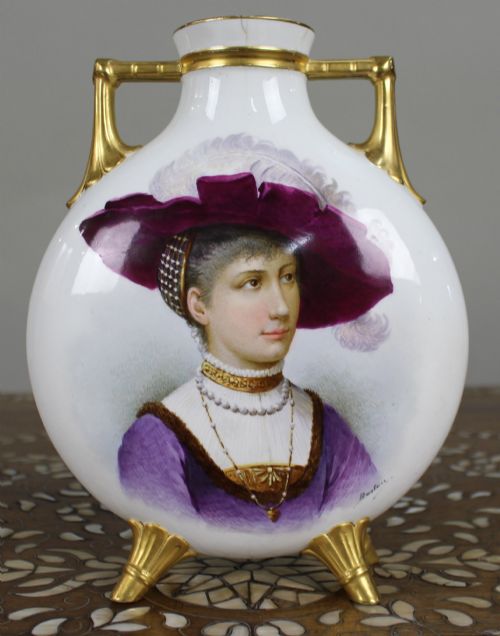
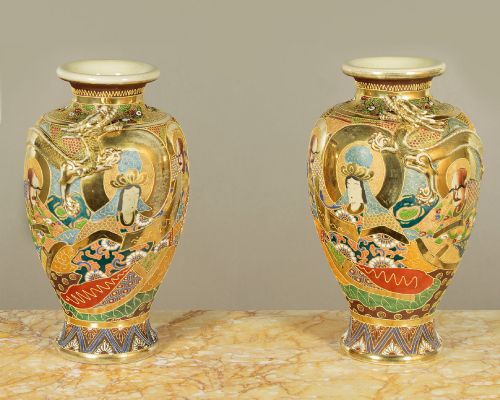
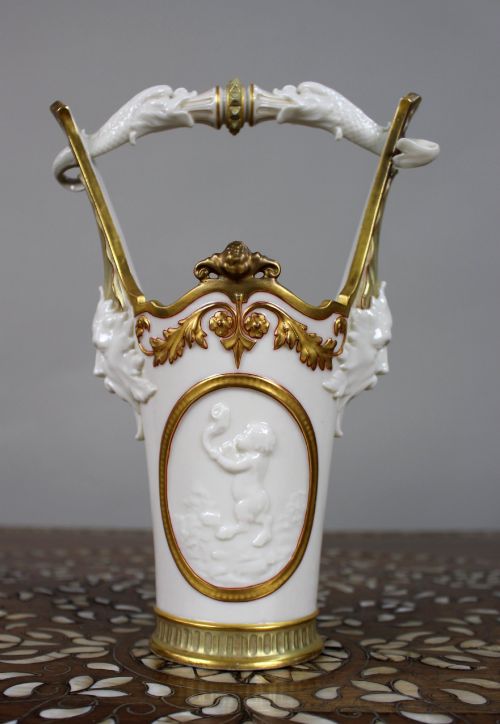
These decorative ceramic urn vases combine sculptural form with painted glaze, bringing classical presence and colour to a room.
Decorative Ceramic Urn Vase
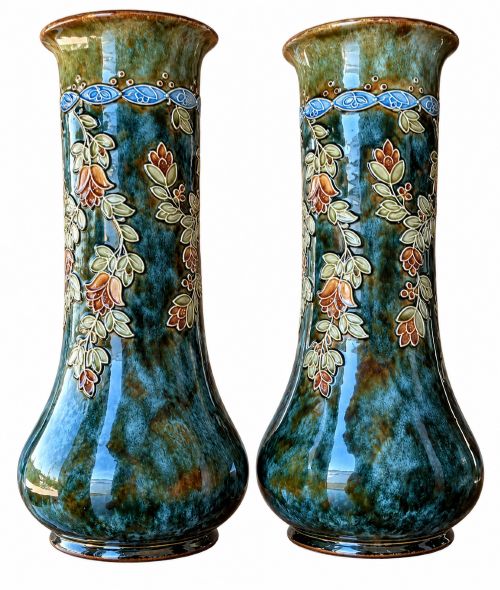
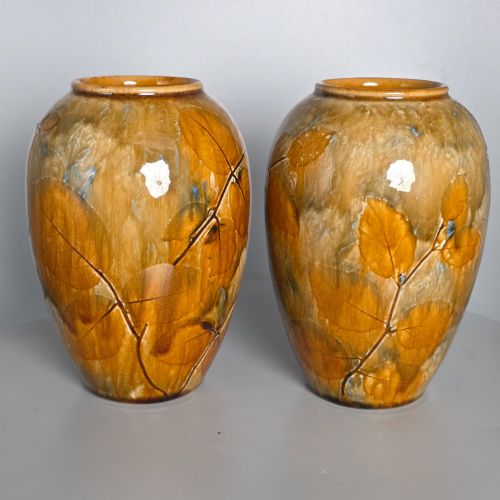
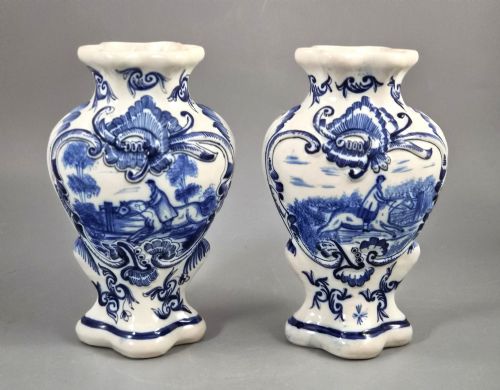
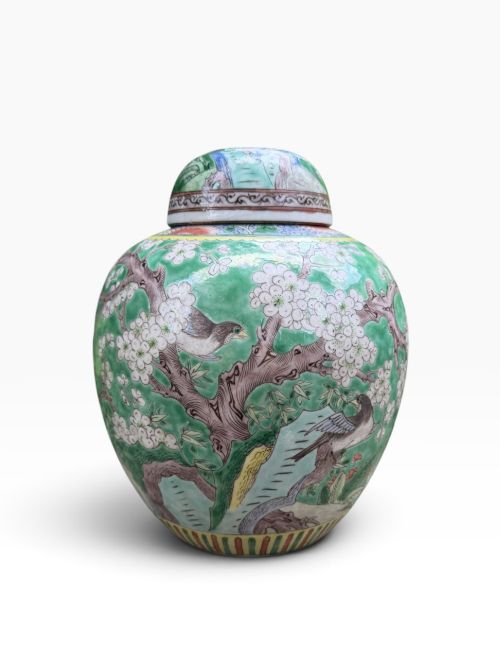
A decorative ceramic urn vase bridges the gap between utilitarian vessel and sculptural ornament, drawing on classical shapes like baluster jars, moon flasks, and handled urns. The pieces gathered under decorative ceramic urn vase span the nineteenth and early twentieth centuries, taking in Victorian, Edwardian, and Art Nouveau aesthetics alongside Japanese and Chinese exports.
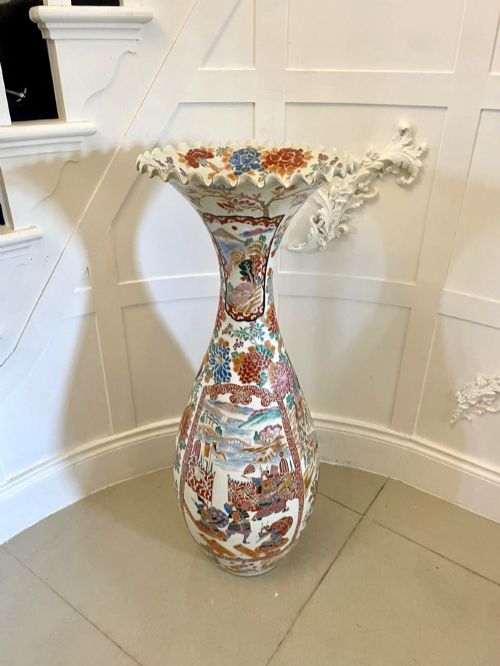
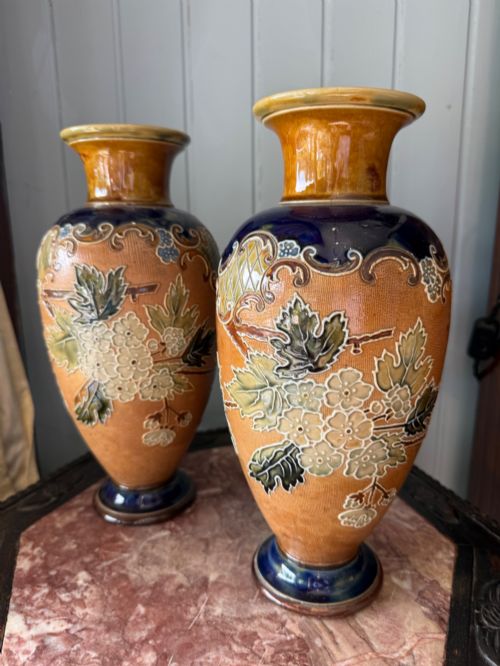
Makers utilised earthenware, stoneware, and porcelain, shaping them into ewers, pilgrim flasks, and large floor-standing vessels. British potteries such as Royal Doulton and Royal Worcester sit alongside continental faience and Japanese Satsuma wares in this selection.
Materials and Techniques
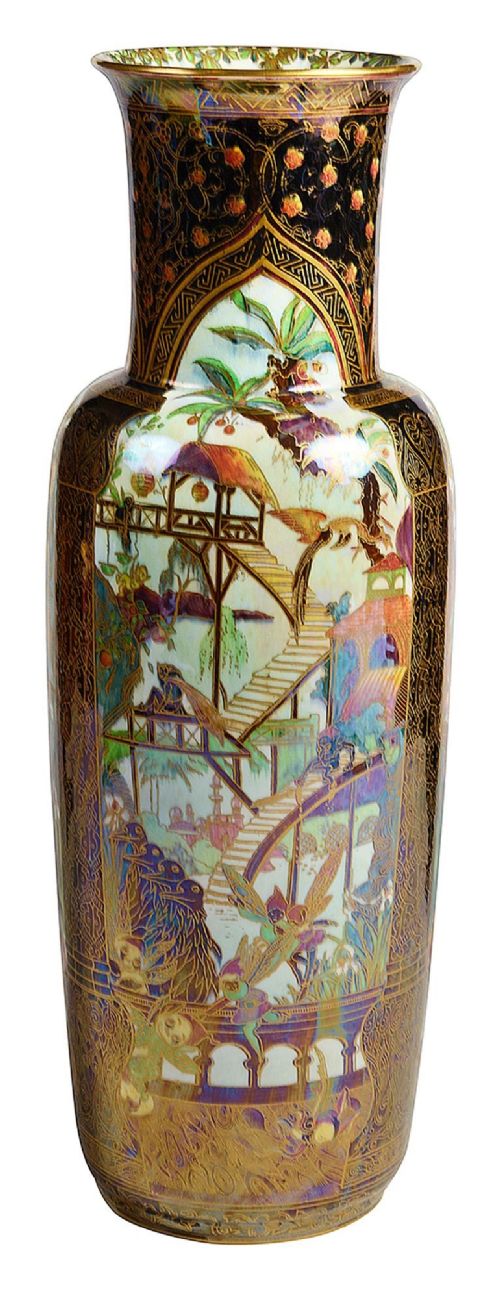
Potters shaped these vessels from clay bodies ranging from heavy earthenware and dense stoneware to refined porcelain. Decorators applied enamel colours, gold leaf, and metallic glaze, often firing the pieces multiple times to fix the metallic sheen or intricate surface patterns.
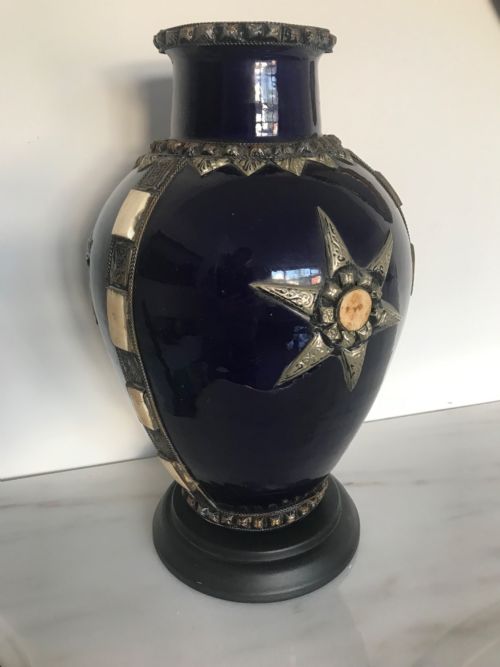
Many examples feature applied details such as silver cabochons, bronze mounts, or twin handles that were cast and fitted separately to the ceramic body. Hand-painted botanical, figurative, or abstract designs define the surface, frequently signed or marked by the individual artist or pottery.
The listings span earthenware, stoneware, and porcelain, featuring decorative styles from Art Nouveau and Arts and Crafts to Japanese Satsuma and Imari.
Defining Quality
Quality rests upon the crispness of the modelling and the control evident in the glaze firing. Finer vessels display precise hand-painted detail without blurring, alongside well-integrated metal mounts that fit the ceramic contour exactly.
The distinction between standard production and top-tier execution lies in the depth of the palette and the ambition of the form. Pieces bearing named artists or prominent factory marks demonstrate greater execution than unmarked commercial wares.
Royal Doulton·Royal Worcester·Flight Barr And Barr·Wedgwood·Boch Freres
The Decorative Ceramic Urn Vase Glossary
- Baluster
- A tall vase form with a rounded lower body that tapers towards a narrow neck and flared rim. This shape provides a stable base for complex surface decoration.
- Ewers
- A large jug with a wide spout and scroll handle, often produced as a decorative pair rather than for pouring water. Their sculptural silhouette draws directly from Renaissance metalwork forms.
- Gilt
- A thin layer of gold applied to the ceramic surface or bronze mounts to highlight handles, rims, and decorative borders. It adds reflective contrast to matte glazes.
- Faience
- Tin-glazed earthenware produced across Europe, known for a bright opaque white background that accepts painted decoration readily. It offers a smooth canvas for floral and figurative motifs.
- Majolica
- A type of earthenware coated with an opaque lead glaze containing tin oxide, decorated with brightly coloured metal oxides. The resulting glaze gives a vibrant, glossy finish to sculptural vessel surfaces.
Decorative Ceramic Urn Vase: Frequently Asked Questions
How were these vases used?
Historically, these vessels served as architectural ornaments to punctuate a room's decor, placed upon tables, consoles, or architectural niches. Pairs were frequently balanced on either side of a fireplace or window to create symmetry.
Some examples were later converted into table lamps by wiring through the base or body. Despite the conversion, their original sculptural character remains intact as lighting fixtures.
How do I care for antique ceramic vases?
Care requires gentle dusting with a soft, dry cloth to prevent accumulation in recessed carved or moulded areas. Water should not be placed inside antique vessels with repaired bases or metal mounts.
Keep them away from direct sunlight to preserve the fugitive enamel colours and gilding on the glaze. Stability is paramount, so place them on secure, level surfaces away from heavy foot traffic.
How do I identify the period of a vase?
Period identification relies upon a combination of clay body, glaze chemistry, and factory marks stamped or painted on the base. Stylistic clues, such as the sinuous lines of Art Nouveau or the classical symmetry of Regency designs, offer immediate chronological context.
Comparing the potting technique and colour palette with documented factory production helps narrow the date of manufacture. Unmarked pieces require careful study of their decorative motifs and material composition.