
Art Nouveau Pottery Vase
An art nouveau pottery vase brings organic form and fluid floral design into a room, drawing the eye with sweeping lines and rich glazes.
Art Nouveau Pottery Vase
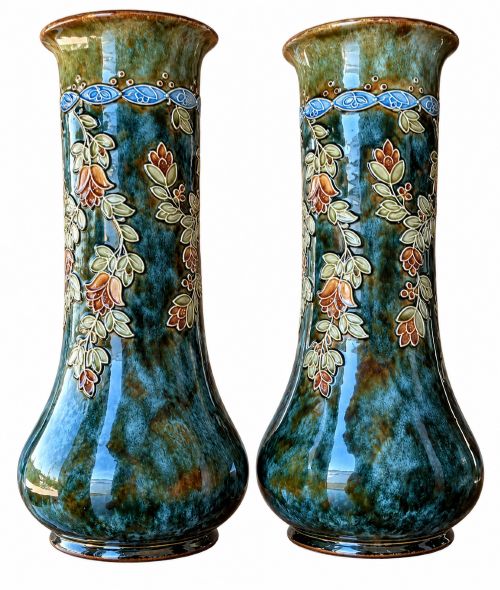
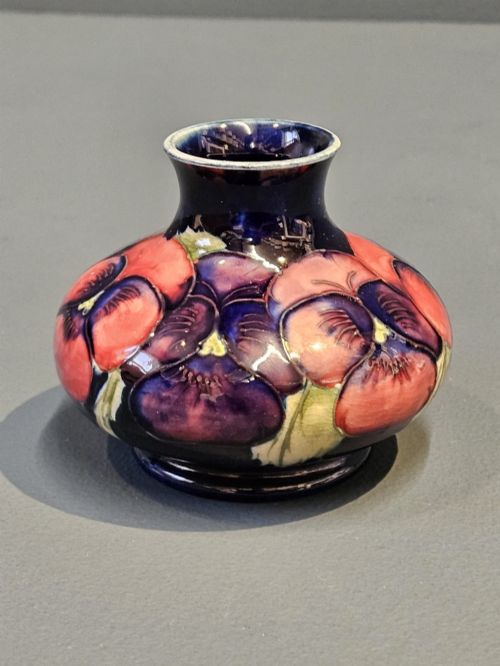
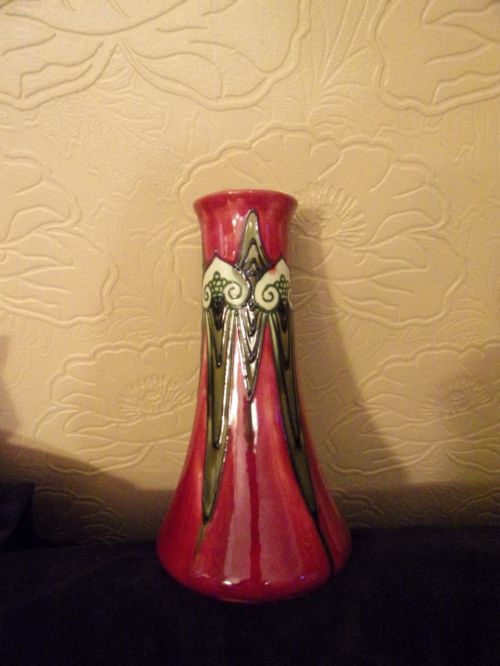
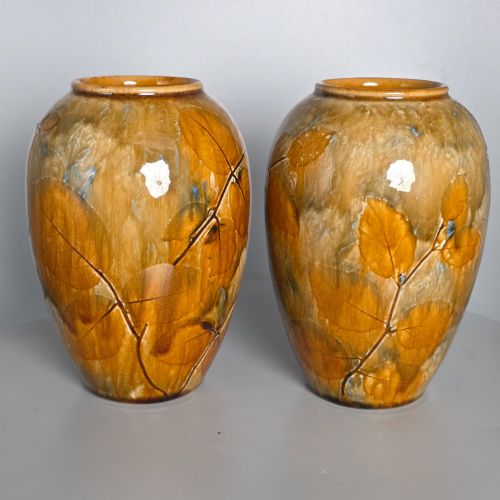
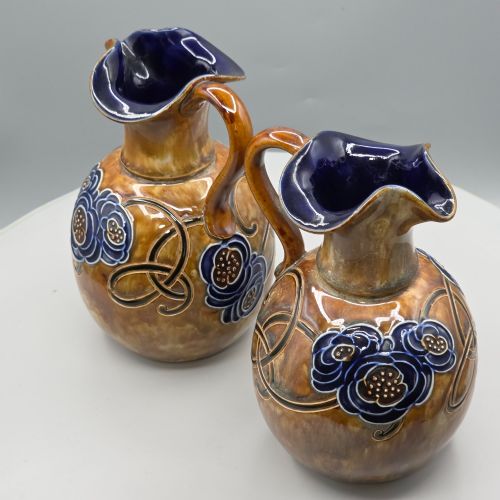
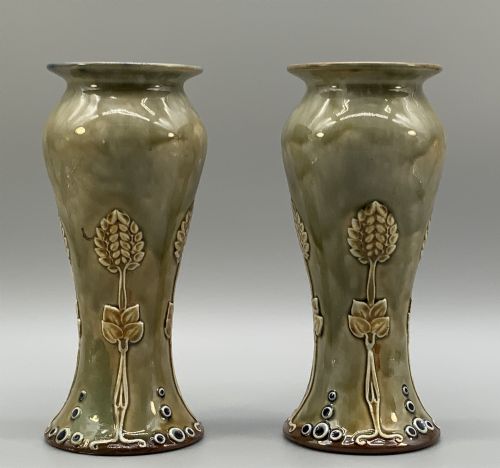
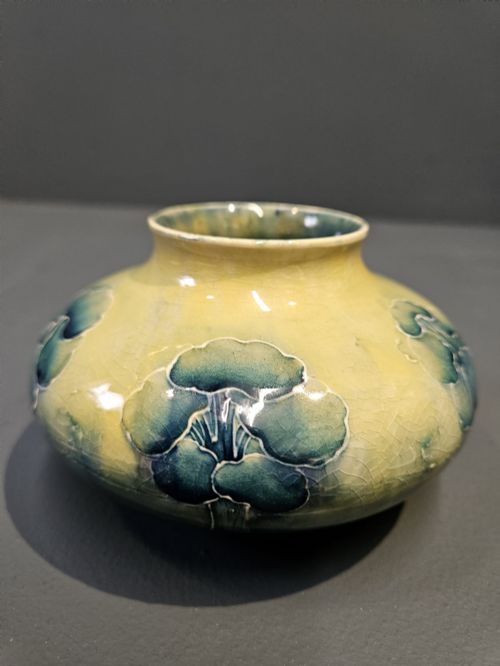
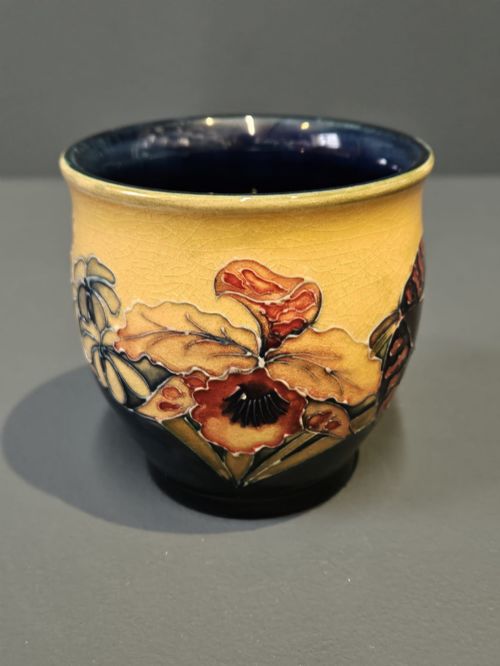
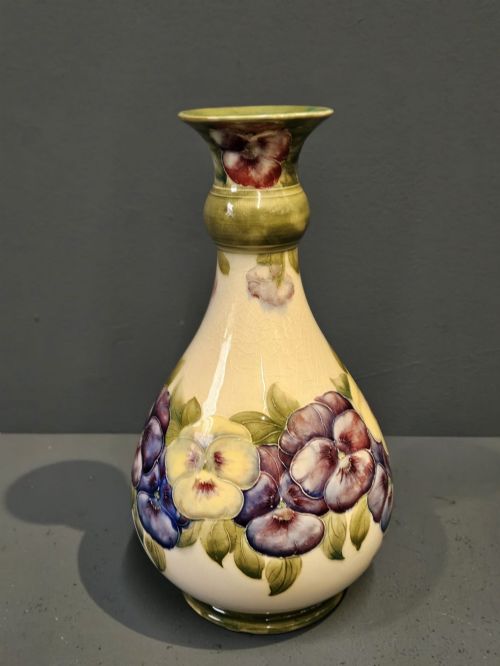
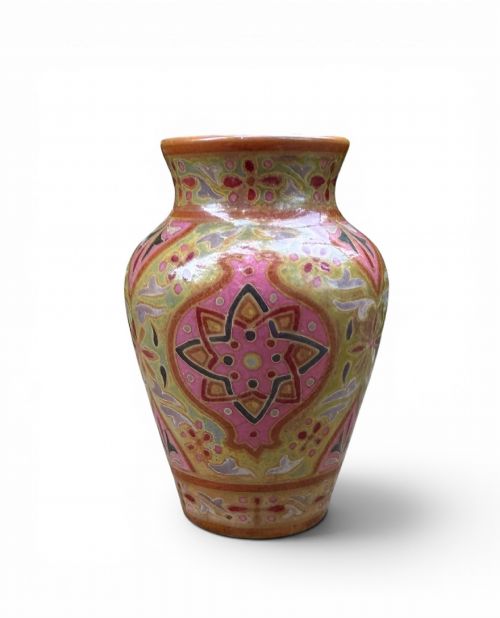
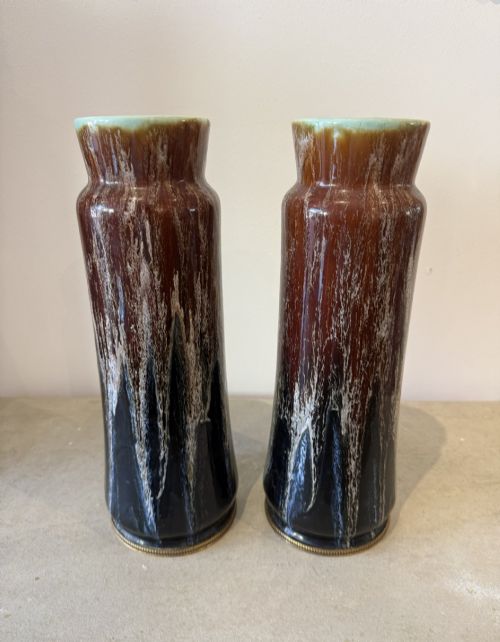
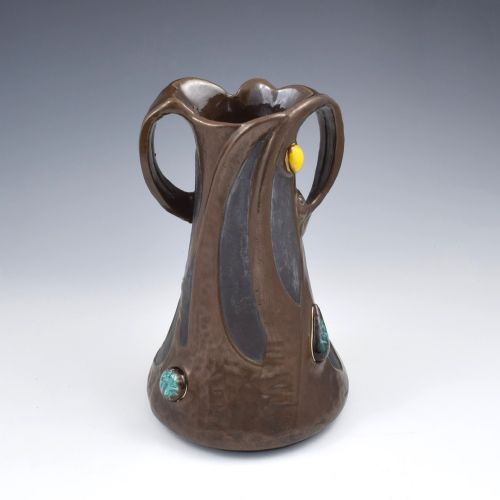
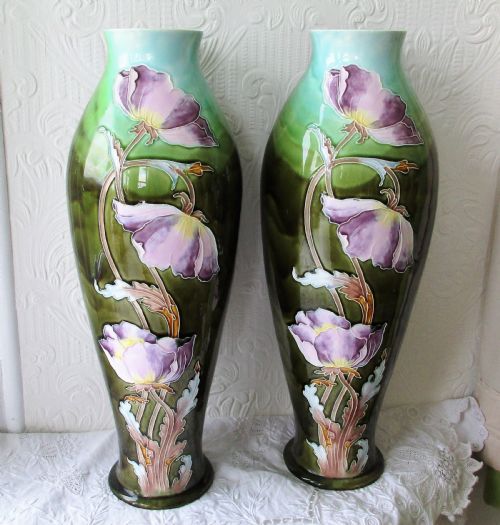
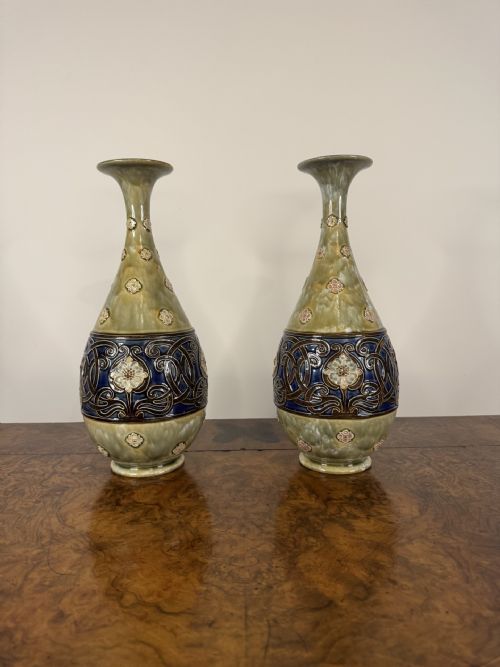
An art nouveau pottery vase spans diverse forms from tall baluster shapes to twin-handled ewers and spill vases, originating from British potteries and continental workshops alike. These vessels incorporate stylized botanical motifs, flowing stems, and tube-lined patterns that reflect the aesthetic movements of the late nineteenth and early twentieth centuries.
Materials and methods
Potters utilised earthenware, stoneware, and porcelain bodies, shaping them into fluid silhouettes often enhanced by tube-lining to contain vibrant coloured glazes. Artisans applied liquid clay decoration, slip trailing, and hand-painting to build tactile surface relief before firing the vessels in kilns.
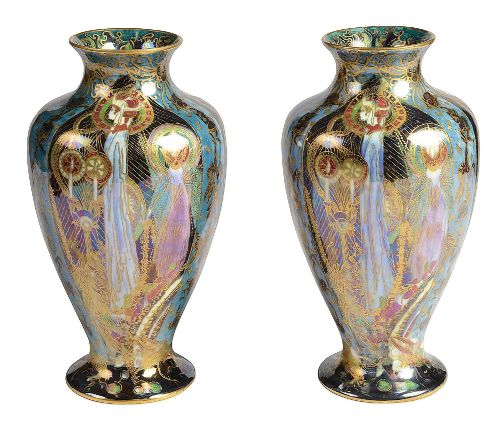
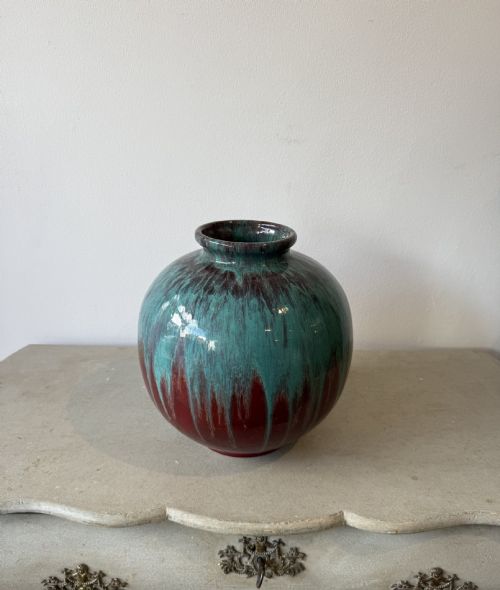
Many workshops incorporated specialised surface treatments including gold leaf gilding, copper effect finishes, and jewelled cabochons to accentuate the organic contours of the design. Lustre glazes were also fired to impart an iridescent sheen across the ceramic body.
Art Nouveau Pottery Vase Retail Price Guide 2026
Typical asking prices for art nouveau pottery vase among the pieces listed under this phrase on Sellingantiques today, from the lower quarter to the upper quarter. They describe what is for sale here now, not the wider market.
Listings incorporate diverse materials including stoneware, earthenware, porcelain, and specialised glazes spanning the late nineteenth to early twentieth centuries.
Distinctions in execution
The caliber of an art nouveau pottery vase depends heavily on the precision of the hand-painting, the depth and consistency of the glaze, and the clarity of the tube-lined design. Superior examples display confident brushwork and harmonious colour palettes that complement the sculpted form without cluttering the surface.
Signatures, artist ciphers, and factory marks heavily influence the standing of a vessel, distinguishing standard production runs from pieces hand-decorated by renowned studio artists. The crispness of moulded details and the successful application of complex finishes like Fairyland lustre or iridescent glazes mark the upper tier of the range.
Royal Doulton·Moorcroft·Zsolnay Pecs·Amphora·Ernst Wahliss
The Art Nouveau Pottery Vase Glossary
- Tube-lining
- A technique where a fine trail of liquid clay is squeezed onto the ceramic body to create raised outlines for subsequent colour infill. This method produces the distinctive stained-glass effect seen on many period vessels.
- Lustre
- A type of pottery glaze containing metallic salts that produce an iridescent, rainbow-like sheen upon being fired in a reduced oxygen atmosphere. It catches ambient light to highlight the contours of the piece.
- Baluster
- A vase shape featuring a rounded body that tapers toward the neck and stands upon a broader base, echoing architectural support pillars. It remains a classic silhouette for display vessels.
- Ewer
- A large jug with a wide spout and a sweeping handle, originally designed for pouring liquids but frequently produced purely for decorative display. These often feature elaborate twin handles.
- Spill vase
- A small, slender vessel traditionally placed on mantelpieces to hold wooden spills used for lighting pipes, fires, or candles. They represent more intimate, domestic forms of art pottery.
Art Nouveau Pottery Vase: Frequently Asked Questions
How do I identify an art nouveau pottery vase?
Look for characteristic design elements such as whiplash curves, stylized floral motifs, flowing plant stems, and organic asymmetry. These pieces often feature muted or autumnal glazes applied to earthenware or stoneware bodies.
Examination of the base frequently reveals factory stamps, model numbers, or handwritten artist ciphers that confirm the period of production.
Were these vessels used for flowers?
While many were manufactured as functional vessels to hold cut stems or floral arrangements, a significant portion served purely as decorative ornaments. Ewers, large baluster shapes, and monumental pieces were primarily created to showcase artistic glaze techniques and sculptural forms within a domestic interior.
Spill vases and smaller jugs also fulfilled practical household duties before transitioning into purely collectible display items.
How should I care for a ceramic vase?
Keep the vessel out of direct, prolonged sunlight to prevent any hand-painted details or coloured glazes from fading over time. Dust gently with a dry, soft cloth and avoid using chemical cleaning agents that might compromise the surface finish or metallic lustre.
If the piece holds water for fresh flowers, clean the interior carefully and dry it thoroughly to protect older earthenware bodies.
What is the difference between earthenware and stoneware?
Earthenware is fired at lower temperatures, resulting in a porous ceramic body that requires an impermeable glaze to hold water effectively. It allows for vibrant surface colours and detailed hand-painting.
Stoneware is fired at much higher temperatures until the clay vitrifies, producing a dense, non-porous material that is highly durable and naturally resistant to moisture.