
Pair Blue Ceramic Vases
Pair blue ceramic vases bring symmetry and rich cobalt tones to a mantelpiece, drawing the eye with matching forms and hand-painted glazes.
Pair Blue Ceramic Vases
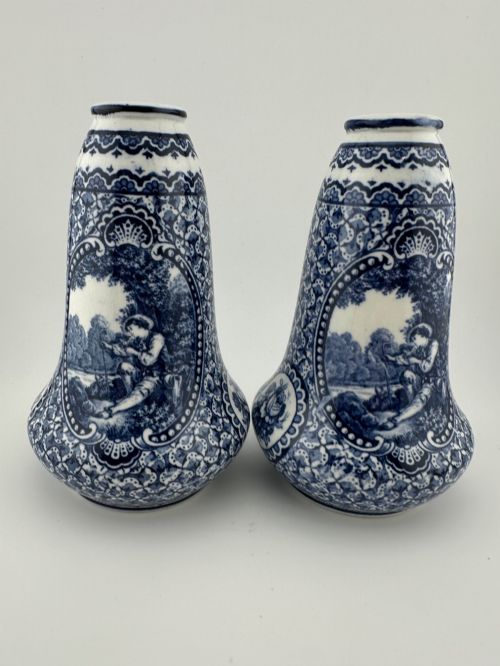
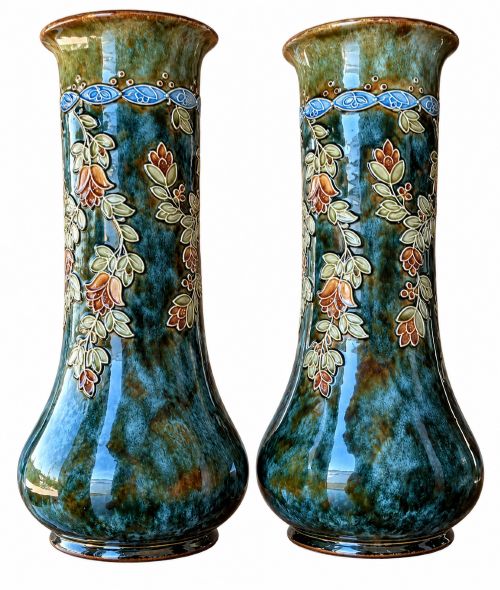
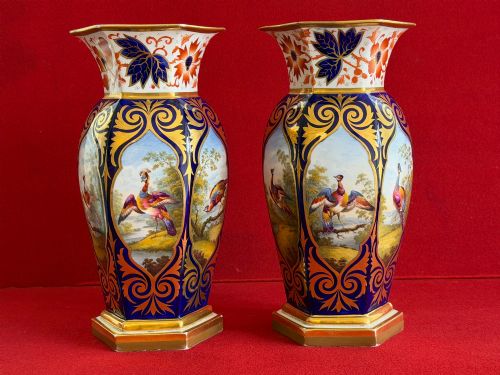
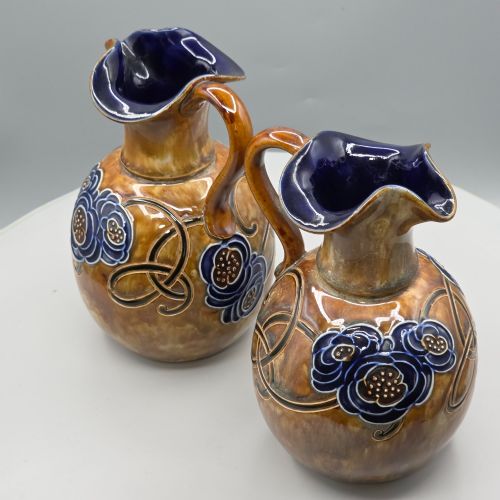
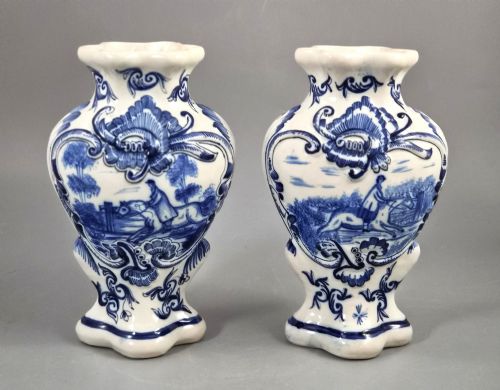
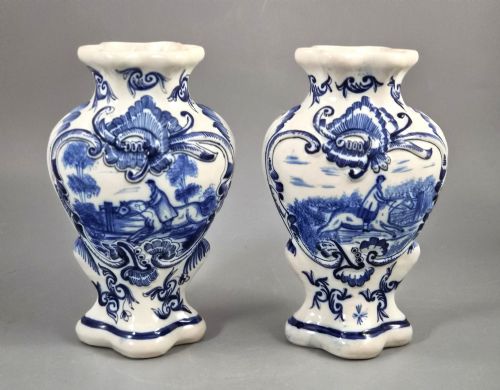
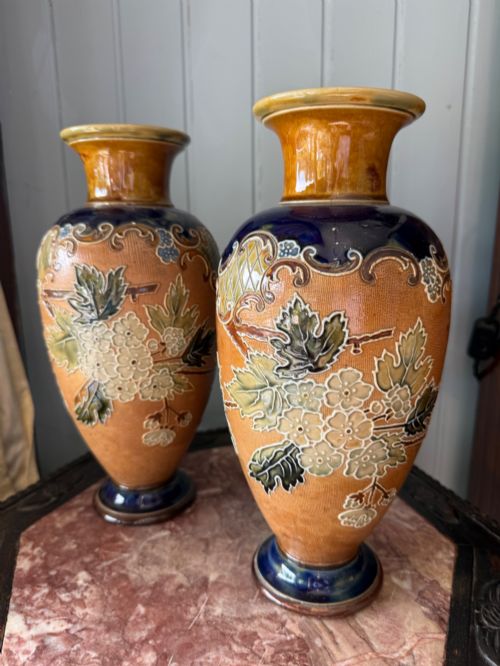
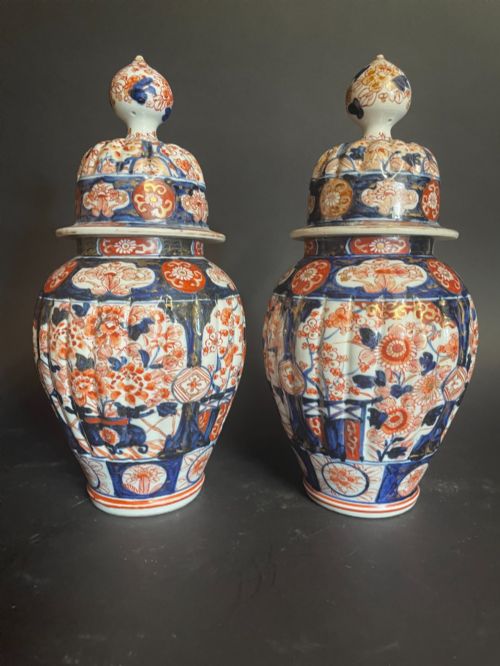
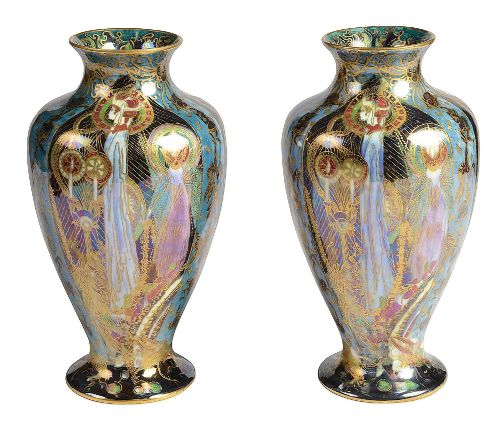
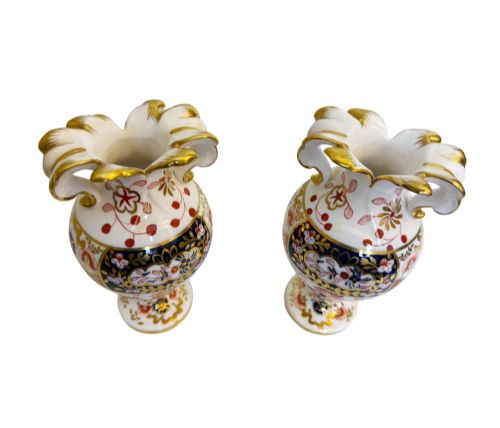
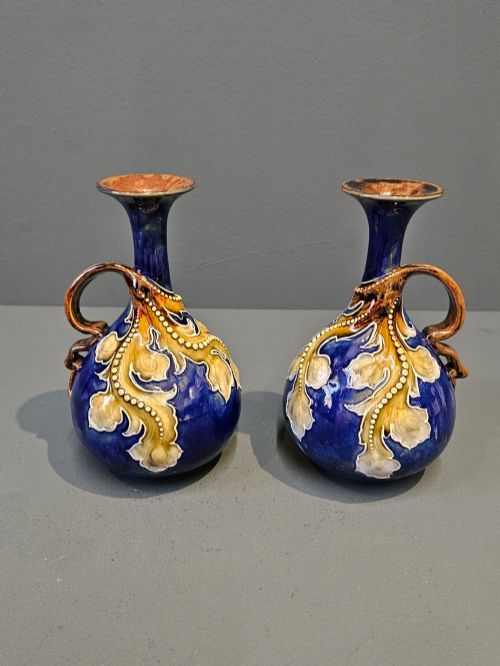
When searching for pair blue ceramic vases, collectors encounter a diverse range of vessels spanning the nineteenth and early twentieth centuries, produced across European potteries and Asian kilns. The selection on this page leans heavily towards Victorian and Edwardian stoneware, alongside Japanese Imari porcelain and French faience.
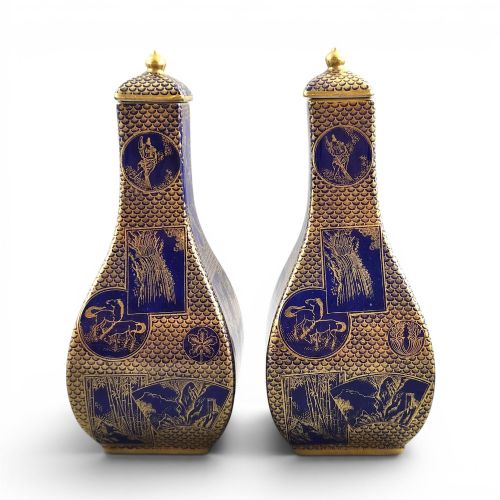
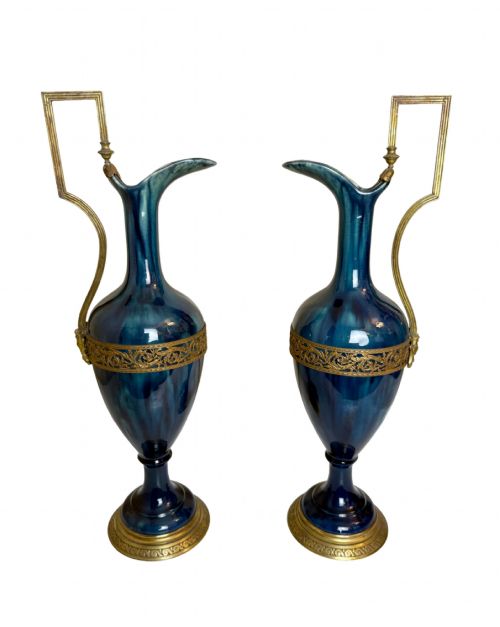
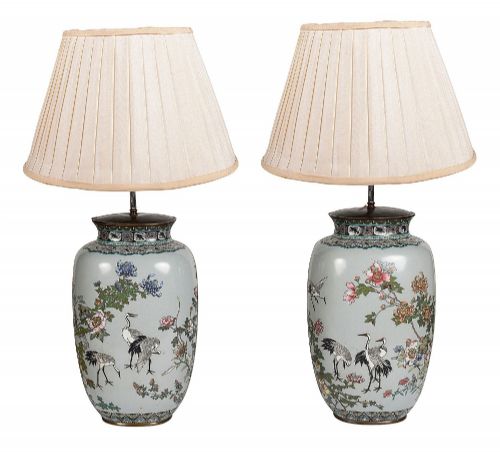
Forms vary significantly from simple baluster vases and bottle shapes to lidded jars, campana urns, and twin-handled vessels. Many examples show adaptation into table lamps or incorporate gilt bronze and ormolu mounts.
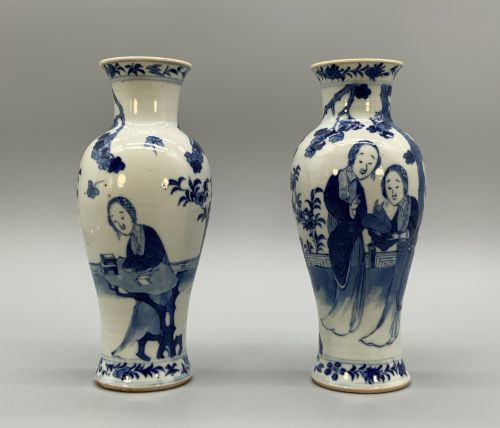
The aesthetic vocabulary ranges from traditional blue and white Chinese export designs to bold Art Nouveau stoneware and Arts and Crafts pottery. Each pair offers symmetrical decoration designed to anchor a room or fireplace mantel.
Materials and Techniques
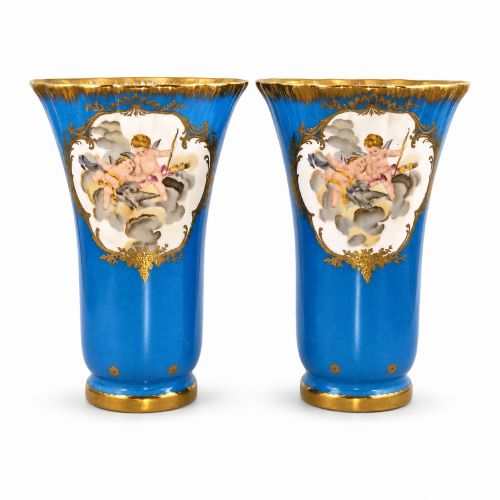
Makers utilised porcelain, earthenware, and heavy stoneware, shaping the clay either on the potter's wheel or within moulds before applying dense glazes. Cobalt oxide served as the primary pigment for deep blue decoration, often enhanced by hand-painted details in gold leaf or gilt.
Techniques such as slip-trailing and low-relief moulding added tactile dimension to stoneware bodies, whilst fine porcelain vessels received intricate underglaze painting before high-temperature firing.
Several towering Japanese vases reach heights exceeding fifty centimetres, ready to command an entire room with their cobalt presence.
Assessing Quality and Execution
Quality rests primarily in the crispness of the modelled form and the depth of the glaze, where well-controlled cobalt yields a rich, even tone without pooling or cloudiness. Hand-painted examples demonstrate superior artistry through confident brushwork and precise detailing in the gilt or enamel overlays.
The integrity of the body and the preservation of original mounts or covers dictate desirability, distinguishing standard factory production from exceptional pieces bearing the marks of renowned workshops and named artists.
Royal Doulton·Wedgwood·Spode·Mason's·Minton
The Pair Blue Ceramic Vases Glossary
- Baluster
- A vase form characterised by a rounded body that tapers toward the neck and sits upon a wider base. This traditional shape offers a stable canvas for decorative cobalt panels.
- Imari
- A style of Japanese porcelain featuring a distinct palette of underglaze blue, iron red, and gilt. Pieces decorated in this manner were widely exported to Europe.
- Faience
- European tin-glazed earthenware produced with an opaque white or coloured enamel ground. It provides a smooth surface for hand-painted cobalt designs.
- Stoneware
- A dense, vitrified ceramic fired at high temperatures until impervious to liquids. It forms a durable body popular in late nineteenth-century studio and factory pottery.
- Ormolu
- Gilded bronze mounts applied to the rims, bases, or handles of ceramic vessels. These decorative additions elevate the status of the piece.
Pair Blue Ceramic Vases: Frequently Asked Questions
How are pair blue ceramic vases best displayed?
These pieces look most effective when placed symmetrically on a mantelpiece, sideboard, or flanking a fireplace to create visual balance.
Because many examples stand at significant heights or feature delicate gilt mounts, positioning them away from busy household traffic ensures their safety.
Were all blue ceramic vases made as lamps?
Many vessels retained their original purpose as decorative ornaments, holding flowers or standing alone on display furniture.
Some period pieces and later conversions incorporate electrical fittings, having been adapted into table lamps during the twentieth century.
How do I identify Japanese Imari vases?
Japanese Imari pieces display a characteristic colour scheme combining deep underglaze cobalt blue with iron red and supplementary gilding. The motifs frequently incorporate floral panels and traditional Japanese landscapes.
Production flourished during the Meiji period, creating robust export wares that remain popular with collectors today.
What is the difference between porcelain and stoneware?
Porcelain is fired at extremely high temperatures using fine white kaolin clay, resulting in a vitreous, translucent body that rings when struck. Stoneware utilises coarser clays that vitrify into an opaque, highly durable body suited to heavy relief decoration.
Both materials accept cobalt blue glazes readily, though they yield distinctly different surface textures.