

Cobalt Blue Gilded Porcelain
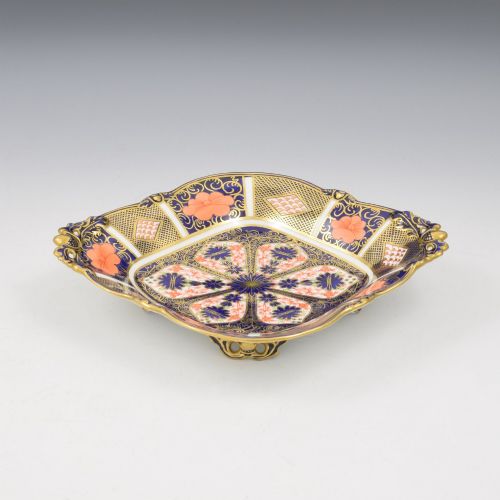
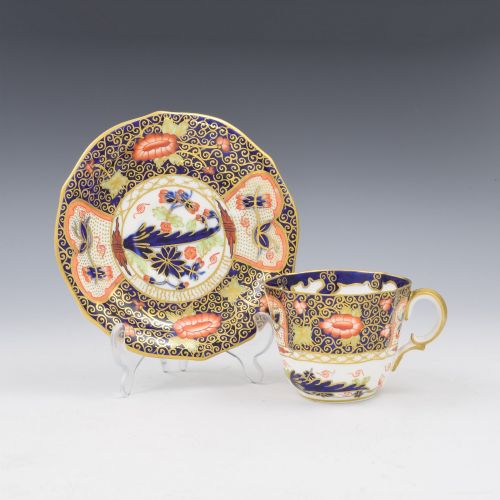
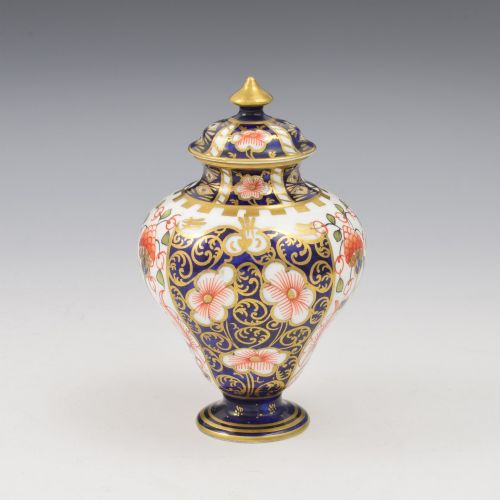
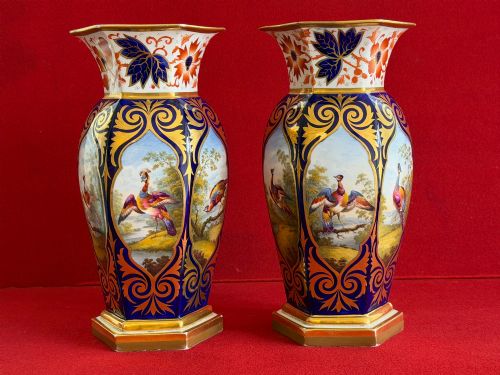
Cobalt blue gilded porcelain brings together rich cobalt grounds and gleaming metallic decoration across cabinet plates, vases, and tea services spanning the Regency to the Edwardian period.
Cobalt Blue Gilded Porcelain
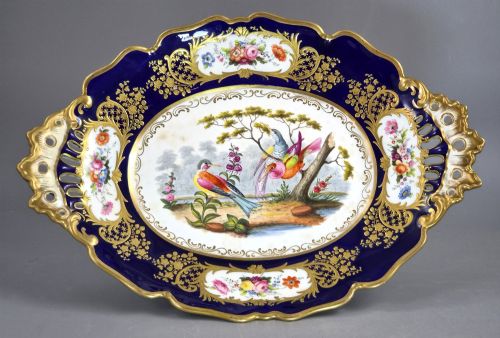
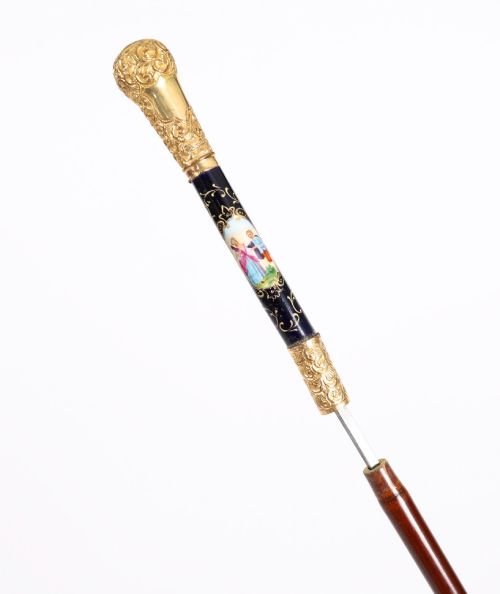
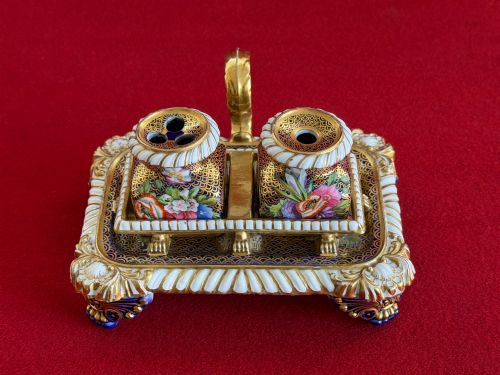
Cobalt blue gilded porcelain comprises functional and decorative ceramic vessels created for display and dining across the nineteenth and early twentieth centuries. Pieces range from cabinet plates and teacups to large floor-standing vases and inkstands, reflecting both English and continental European traditions.
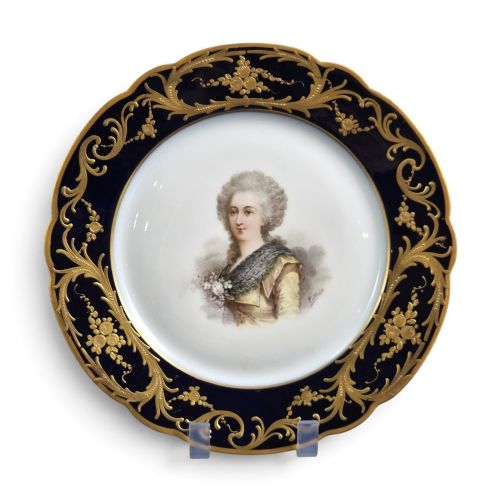
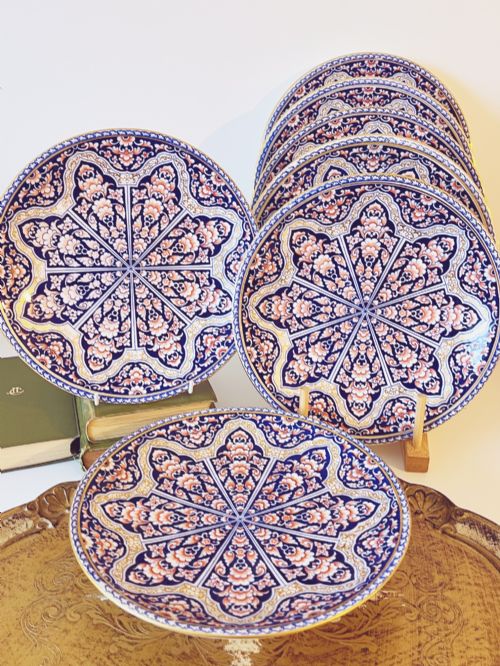
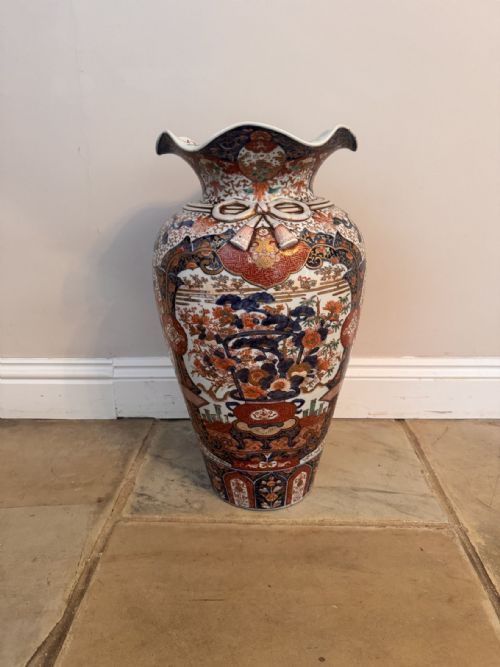
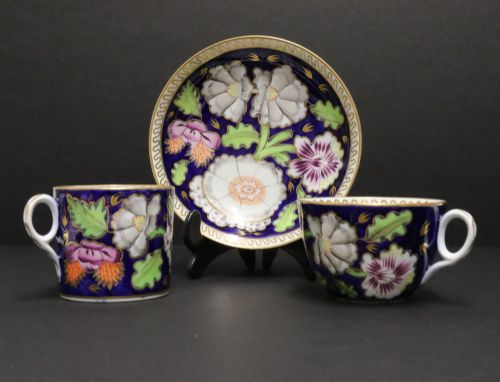
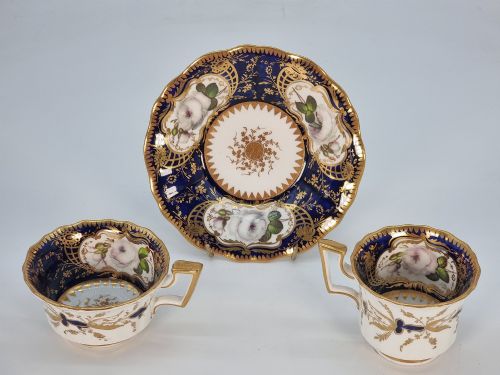
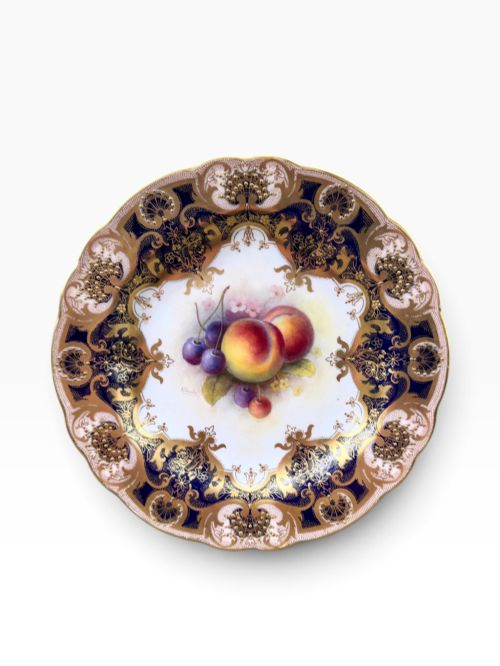
The Regency era brings fine cabinet trios and vases from English factories, whilst later nineteenth-century examples include French portrait plates and Japanese Imari chargers. Royal Crown Derby and Royal Worcester feature prominently among the Edwardian and later pieces.
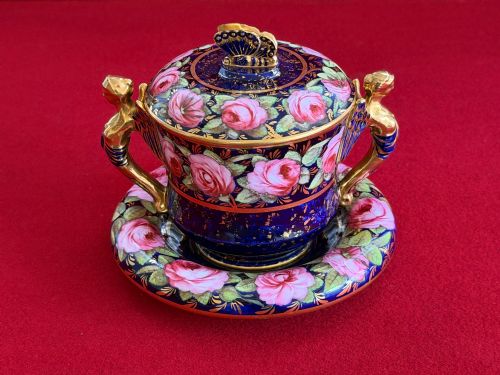
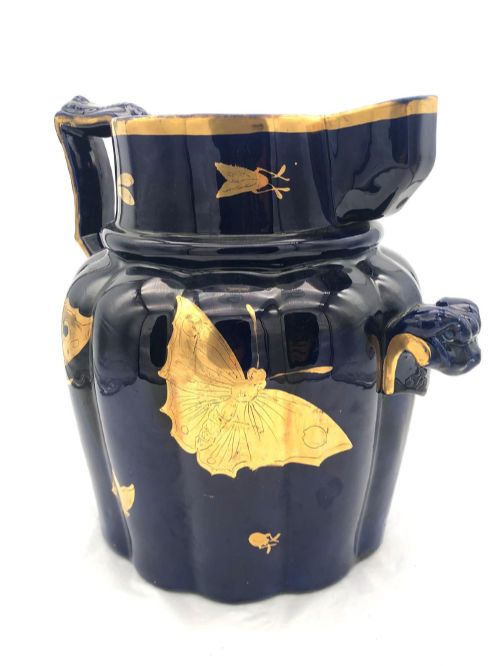
Buyers encounter forms designed for specific domestic rituals, such as chocolate cups, dessert services, and footbath jugs, alongside decorative jardinières and garniture vases.
Materials and technique
Makers applied deep cobalt blue pigments directly to the ceramic body or glaze, creating the characteristic dark blue ground before applying surface decoration. Gold leaf and liquid gilding were then hand-painted or burnished over the glaze to form intricate patterns and borders.
Bone china and standard porcelain bodies provided the structural base for these items, shaped into intricate mouldings such as rococo scrolls or classical amphora outlines. Firing in kilns set the cobalt underglaze beneath a clear vitreous layer whilst gold highlights remained fixed upon the surface.
Variations in quality
Quality rests upon the precision of the hand-painted gilding and the depth of the cobalt ground, where crisp lines and heavy burnished gold elevate a piece above standard production. Hand-painted botanical or figurative scenes by named artists distinguish cabinet plates from simpler transfer-printed items.
The crispness of moulded porcelain details, such as handles, covers, and relief scrolls, indicates the sharpness of the original factory moulds and the skill involved in finishing the raw ceramic body before firing.
Royal Crown Derby·Royal Worcester·Flight Barr And Barr·Spode·Coalport·Jacob Petit·Mason And Sons
The Cobalt Blue Gilded Porcelain Glossary
- Cabinet plate
- A decorative ceramic plate intended for display in a cabinet rather than for dining use. These often feature elaborate hand-painted scenes and rich gilding.
- Imari
- A decorative style originating in Japan, characterised by cobalt blue, iron red, and gold, which European factories frequently copied during the nineteenth century.
- Gilding
- The application of gold leaf or powdered gold to the surface of porcelain to create metallic ornamentation. It is often burnished to achieve a bright finish.
- Ground
- The main background colour applied to a ceramic piece, such as the deep cobalt blue found behind floral or gilt motifs.
- Garniture
- A set of matching vases or urns designed to be displayed together on a mantelpiece or sideboard.
Cobalt Blue Gilded Porcelain: Frequently Asked Questions
How should I clean gilded porcelain?
Clean these items gently using warm water and mild soap, avoiding abrasive sponges that can scratch the delicate surface.
Dry each piece immediately with a soft cloth to protect the fragile gold leaf and enamel details from moisture damage.
Are cabinet plates safe for food?
Most antique cabinet plates are intended strictly for display rather than daily dining use due to potential wear on the historic gilding.
Older ceramic glazes and metallic paints may also contain components unsuited for modern food contact.
How do I identify Regency pieces?
Regency items often display neoclassical forms, crisp hand-painted floral motifs, and distinct factory marks from the early nineteenth century.
Look for specific pattern numbers and porcelain bodies characteristic of English makers operating between eighteen hundred and eighteen thirty.