

Georgian English Porcelain Cups
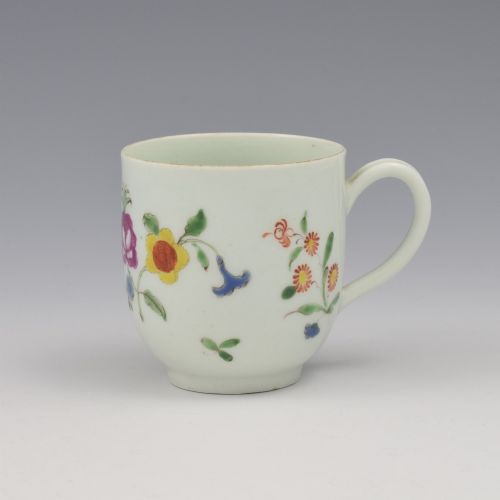
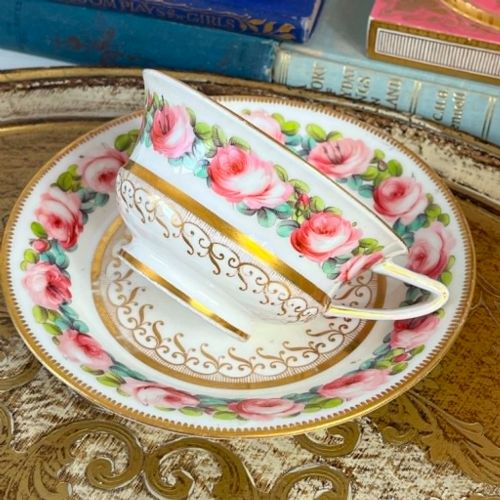
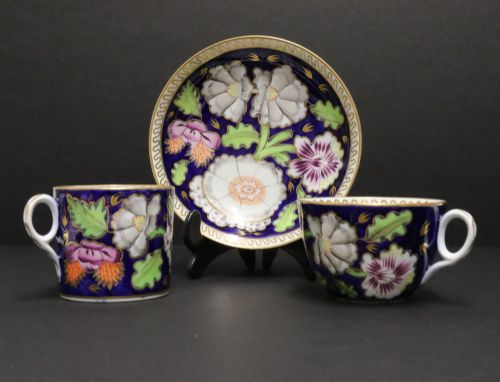
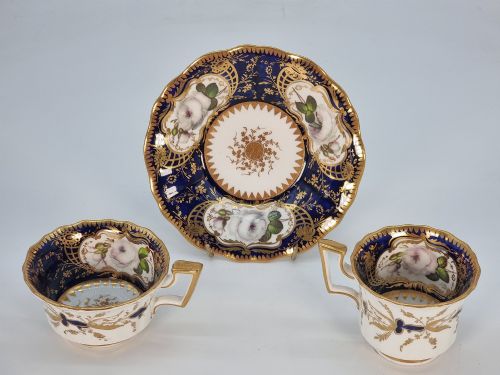
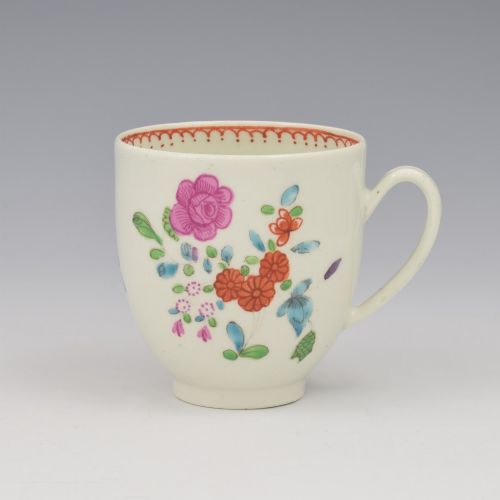
Georgian english porcelain cups bring eighteenth and nineteenth-century ceramic artistry to the table through handpainted tea bowls, coffee cans, and cabinet trios.
Georgian English Porcelain Cups
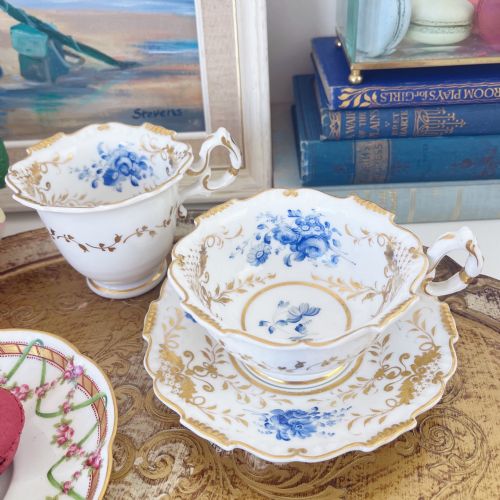
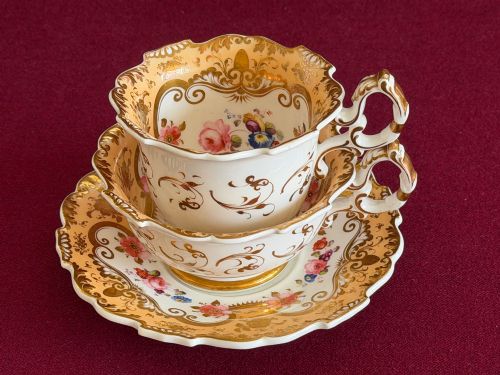
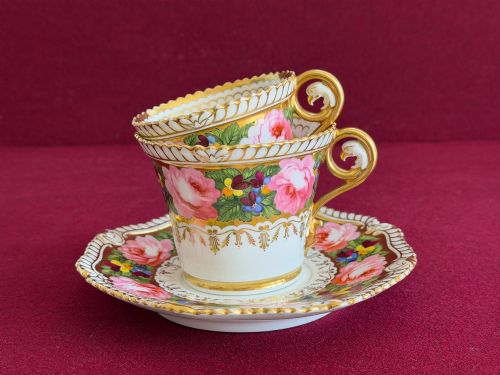
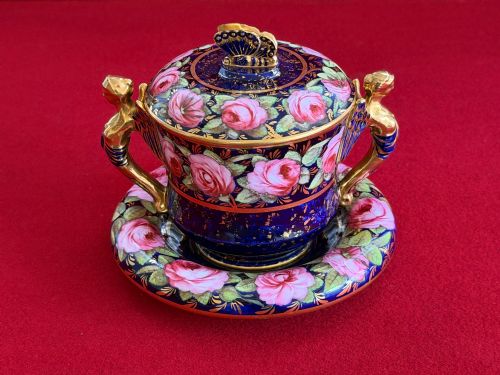
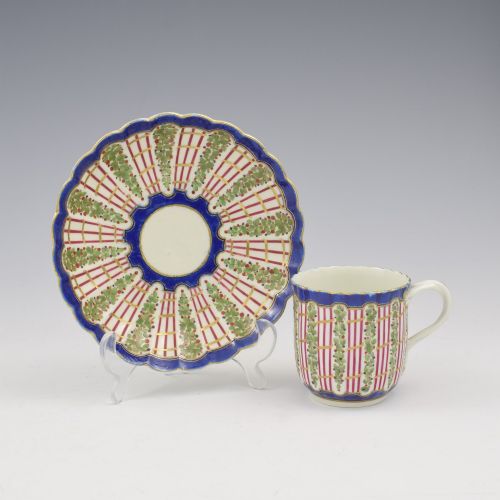
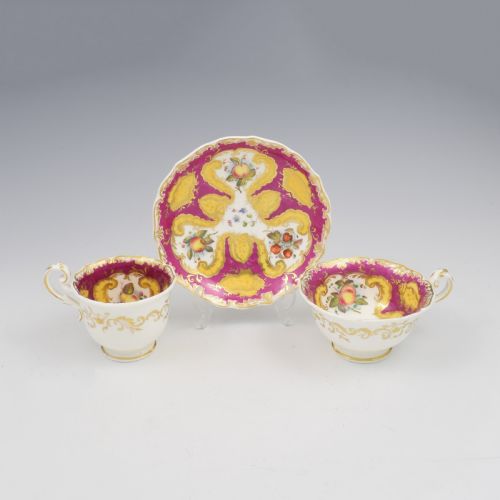
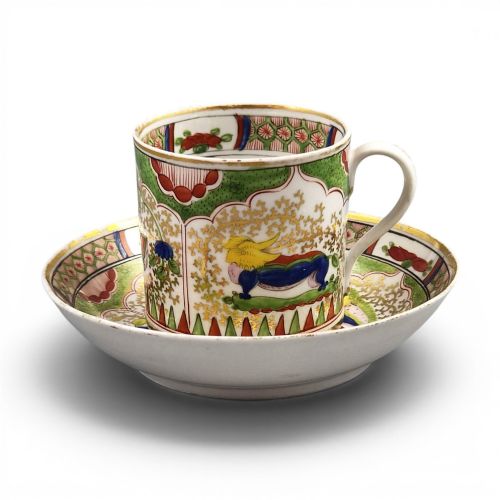
Georgian english porcelain cups encompass tea bowls, teacups and saucers, coffee cups, and chocolate cups produced across the eighteenth and nineteenth centuries. Buyers encounter forms ranging from simple fluted coffee cans to elaborate cabinet trios and chocolate cups with covers.
The selection reflects production from major English factories operating during the Georgian and Regency periods. Pieces demonstrate regional variations in body composition and decorative style, moving from early soft-paste bodies to later bone china.
Materials and technique
Potters shaped these vessels using porcelain and soft-paste porcelain, later incorporating bone china into factory production. Glazing and firing created the smooth white surfaces required for detailed overglaze painting.
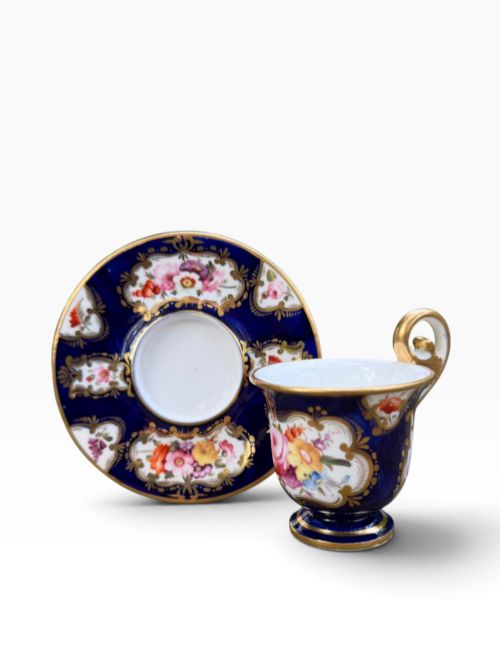
Decorators applied handpainted motifs, enamel colours, and gold leaf gilding by hand. Many patterns utilised transfer printing combined with delicate polychrome enamels and gilt highlights.
Fox head stirrup cups let Regency riders toast the hunt without setting their porcelain down.
Degrees of quality
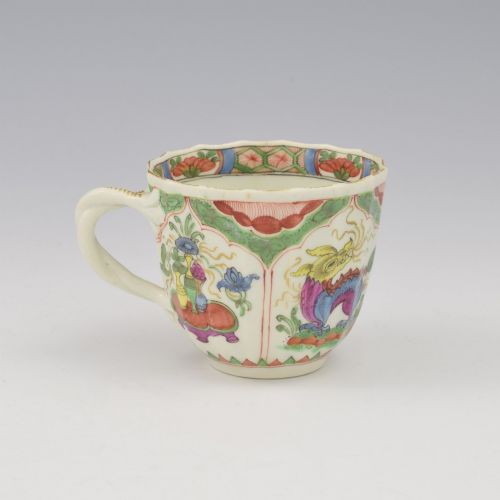
Quality separates standard factory output from specialised cabinet pieces through the precision of the handpainted details and the crispness of the moulding. Superior examples display intricate subject matter, such as detailed landscapes or intricate Chinoiserie figures, executed by skilled factory hands.
The application of gilding and enamel work dictates the tier of the vessel, with raised gold leaf and precise polychrome palettes marking out finer productions. The refinement of the porcelain body and the absence of firing imperfections also distinguish cabinet pieces from utilitarian wares.
H & R Daniel·Chamberlain Worcester·Spode·Richard Chaffers·Davenport·Newhall·Coalport·Bloor Derby·Flight & Barr·Rockingham·Yates Leeds·Derby·Minton·Grainger's Worcester·Duesbury & Kean·Mason's Ironstone·Flight Barr & Barr·Hicks Meigh & Johnson
The Georgian English Porcelain Cups Glossary
- Soft-Paste Porcelain
- An early artificial ceramic composition fired at lower temperatures than true hard-paste porcelain. It yields a warm, creamy translucent body often found on eighteenth-century pieces.
- Bone China
- A porcelain body strengthened by the addition of calcined bone ash. This material achieved greater durability and whiteness in nineteenth-century English factories.
- Coffee Can
- A straight-sided cylindrical cup designed specifically for drinking coffee without a handle. They frequently accompany matching saucers in Georgian teaware sets.
- Cabinet Trio
- A matching set comprising a teacup, a coffee cup, and a saucer. These matched pieces were intended for display in a porcelain cabinet rather than daily service.
- Chinoiserie
- A decorative style employing European interpretations of Chinese and East Asian motifs. Painted scenes feature figures, pavilions, and dragons in landscape settings.
Georgian English Porcelain Cups: Frequently Asked Questions
What is a tea bowl?
A tea bowl is a small, handleless drinking vessel used during the eighteenth century for serving hot tea. These pieces match contemporary saucers and form part of early teaware services.
Drinkers held the bowl in both hands to sip the tea as it cooled. They appear frequently in early porcelain collections alongside matching coffee cups.
How do I date these cups?
Dating relies on factory marks, ceramic bodies, and decorative styles characteristic of the Georgian and Regency eras. Soft-paste bodies and specific blue underglaze marks usually point to the eighteenth century.
Later Regency pieces often utilise bone china, richer gilding, and stamped factory ciphers. Comparing pattern numbers and shape names helps narrow the production window further.
How were chocolate cups used?
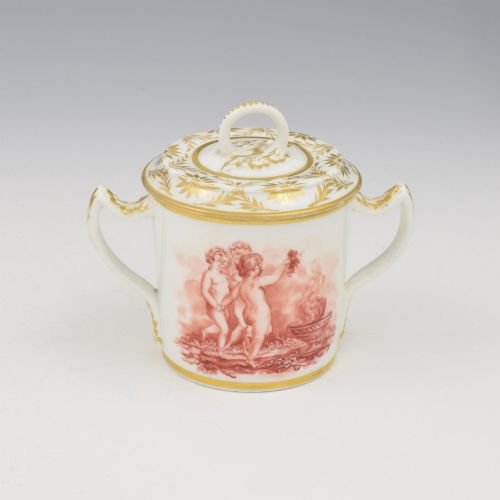
Chocolate cups served rich hot chocolate beverages to wealthy households during the breakfast hour. They often featured two handles for stability and included matching covers to retain heat.
Some examples came with stands or saucers designed to catch drips from the thick liquid. These covered vessels functioned primarily as high-status cabinet pieces.
Can I use antique porcelain daily?
Using antique porcelain daily requires careful hand washing to protect delicate enamel paints and gold leaf gilding. Dishwasher heat and detergents will damage historic overglaze decorations rapidly.
Most collectors prefer to display cabinet trios and teacups to preserve their condition. Gentle use with warm water remains acceptable for robust pieces.