
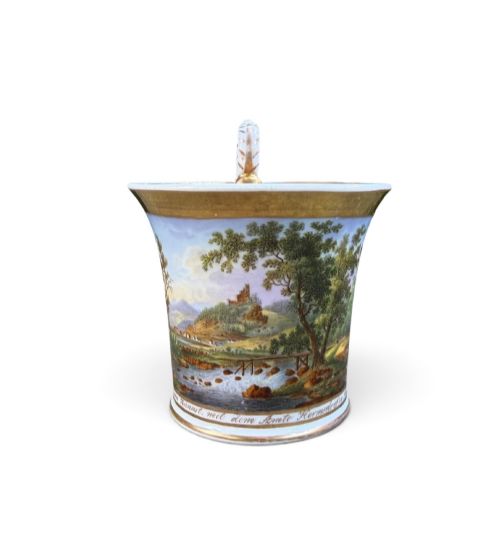


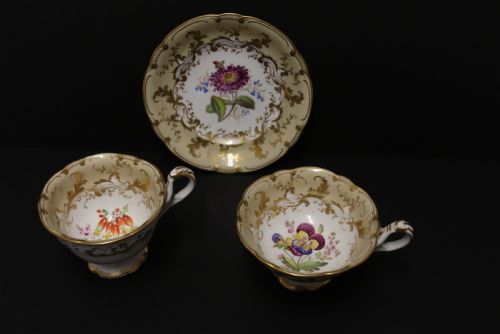

Gilded Regency Cabinet Cup
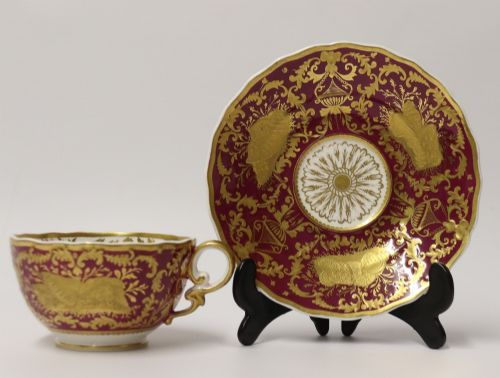
A gilded regency cabinet cup is an ornamental drinking vessel created for display rather than daily service during an era of lavish classical revival.
Gilded Regency Cabinet Cup
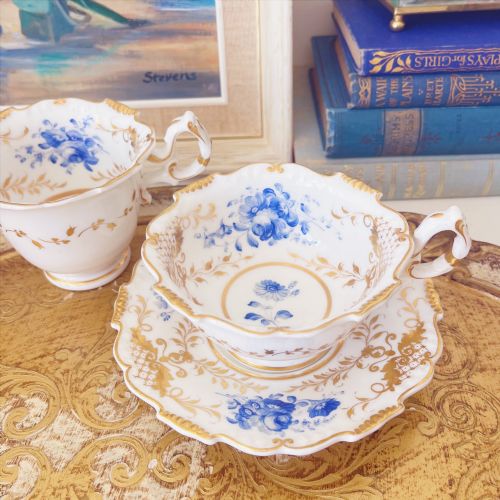
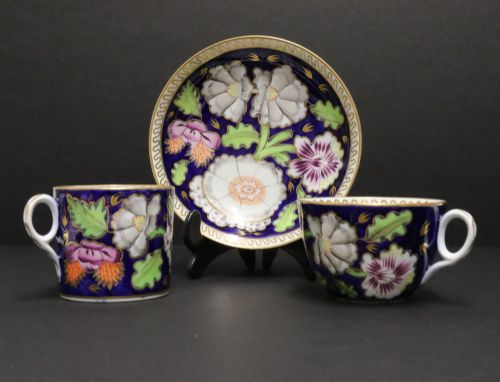
A gilded regency cabinet cup combines rich metallic ornamentation with refined ceramic forms, designed specifically for display on a cabinet shelf rather than everyday tea service. Buyers searching for a gilded regency cabinet cup will encounter sophisticated decorative vessels originating from the nineteenth century, including the Regency and Georgian periods.
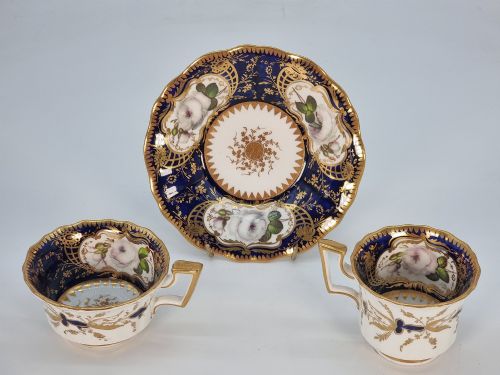
The selections available here primarily take the form of individual cabinet cups and saucers, sometimes accompanied by matching stands or forming part of a wider cabinet trio. English factories such as Coalport, Spode, and Newhall dominate the offerings alongside notable continental porcelain works like Berlin and Meissen.
Neoclassical and Empire influences shape the aesthetic of these objects, bringing formal classical motifs into domestic interiors of the early nineteenth century. Collectors seek out these pieces for their intricate handpainted details and their connection to the height of European ceramic artistry.
How they were made
Potters of the period utilised hard-paste porcelain and bone china as the primary ceramic bodies, shaping them into delicate cups, saucers, and stands. These bodies provided a smooth, bright white surface capable of holding fine forms without distortion during high-temperature firing.
Artisans applied gold leaf and gold gilding by hand to accentuate rims, handles, and intricate geometric or botanical borders. Enamel colours were brushed onto the porcelain body, often in combination with handpainted topographical or floral scenes before a final glaze firing fixed the decoration permanently.
Early nineteenth-century tea drinkers apparently needed three distinct pieces of porcelain just to feel properly civilised during an afternoon chat.
What varies in quality
The refinement of the handpainted scenes dictates much of the distinction between standard production and exceptional work. Crispness in topographical details and delicacy in floral motifs separate standard factory output from master decorator pieces.
The application and preservation of the gold leaf also define the standing of a piece. Thick, burnished gilding that retains its bright metallic lustre indicates superior craftsmanship during the manufacturing process.
H & R Daniel Shrewsbury·Newhall·Berlin·Meissen·Spode·Barr flight Barr Worcester·Davenport·Ridgeway
The Gilded Regency Cabinet Cup Glossary
- Cabinet cup
- A decorative ceramic cup made for display in a cabinet rather than for functional dining use. These pieces often feature elaborate gilding and handpainted scenes.
- Cabinet trio
- A matching set comprising a teacup, coffee cup, and saucer designed for display or formal presentation. They represent the height of early nineteenth-century ceramic production.
- Bone china
- A type of porcelain incorporating bone ash, developed in England to create a durable yet translucent body. It allows for thinner walls and refined vessel shapes.
- Hard-paste porcelain
- A durable ceramic material fired at very high temperatures, composed of kaolin and petuntse. Continental factories frequently utilised this body for fine cabinet wares.
- Gilding
- The application of gold leaf or gold powder to the surface of ceramics for decorative effect. Burnishing enhances the metallic shine after firing.
Gilded Regency Cabinet Cup: Frequently Asked Questions
What is a cabinet cup?
A cabinet cup is a decorative ceramic vessel made for display in a cabinet rather than for daily use at the tea table.
These pieces were produced by major nineteenth-century factories to showcase elite painting and gilding techniques.
How do I care for gilded porcelain?
Gilded porcelain requires gentle handling and should be washed by hand using mild soap and warm water.
Avoid abrasive sponges or harsh chemicals that can wear away the delicate gold leaf and handpainted enamel details over time.
Were these cups used for drinking?
While technically functional as cups, cabinet cups were primarily intended as ornamental objects for display in drawing rooms and parlours.
Their intricate gilding and delicate handles meant they were handled sparingly by wealthy owners.
How do I identify a Regency period cup?
Regency pieces often feature Neoclassical or Empire design influences, including classical shapes, bright enamel colours, and rich gold gilding.
Many examples bear factory marks or distinct stylistic traits associated with early nineteenth-century English and continental makers.