


Gilded Cobalt Blue Urns
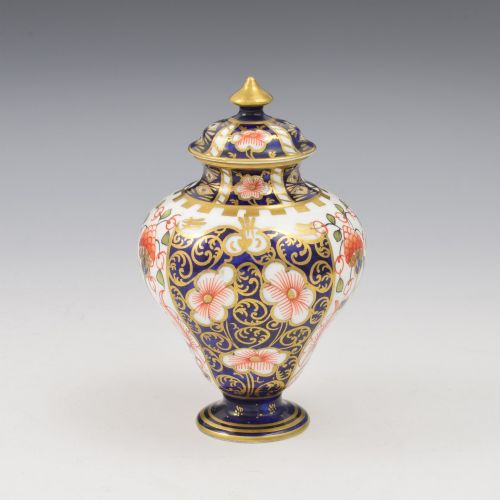
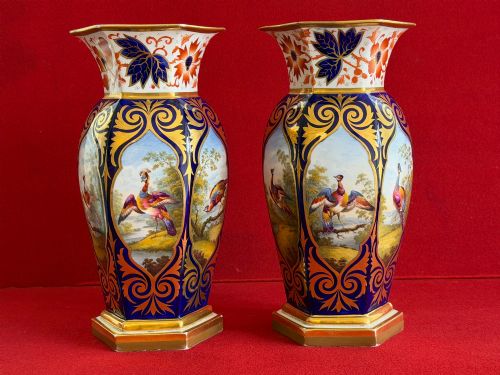
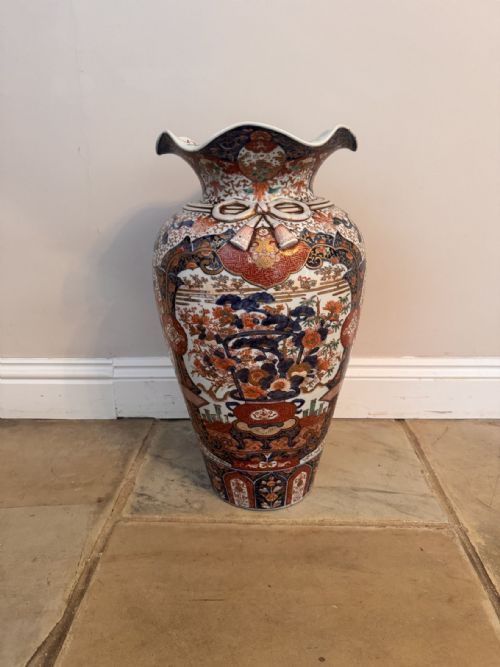
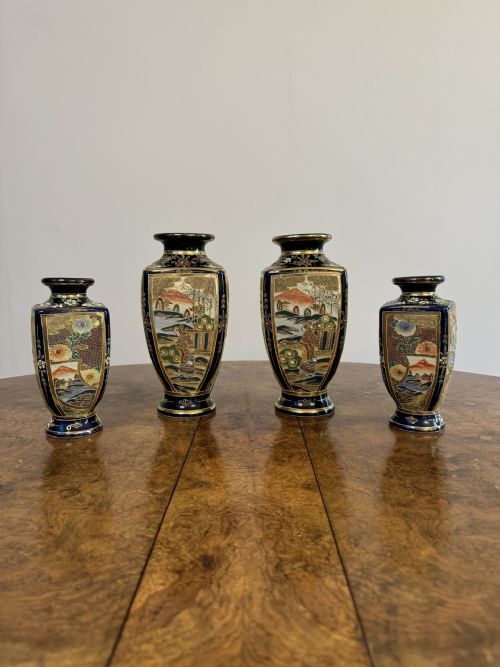
These gilded cobalt blue urns bring deep blue ceramics and bright gold leaf together across centuries of English, European and Japanese making.
Gilded Cobalt Blue Urns
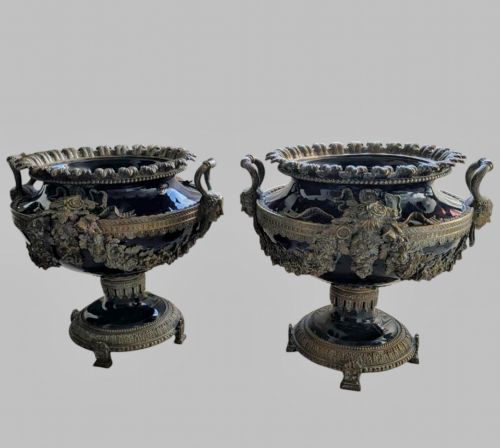
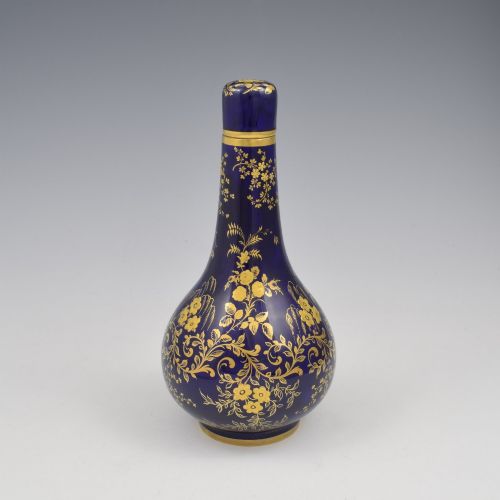
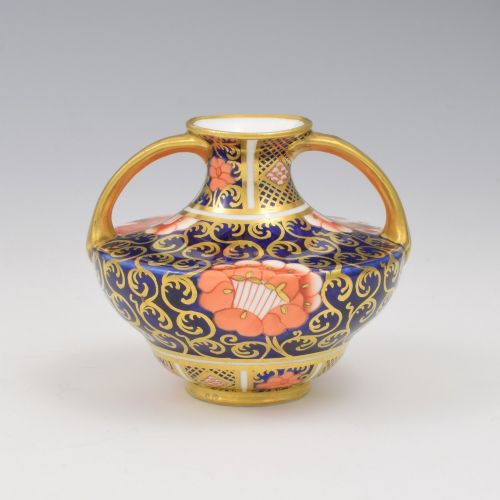
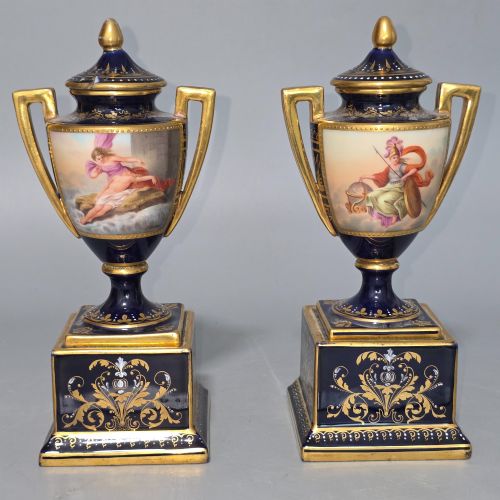
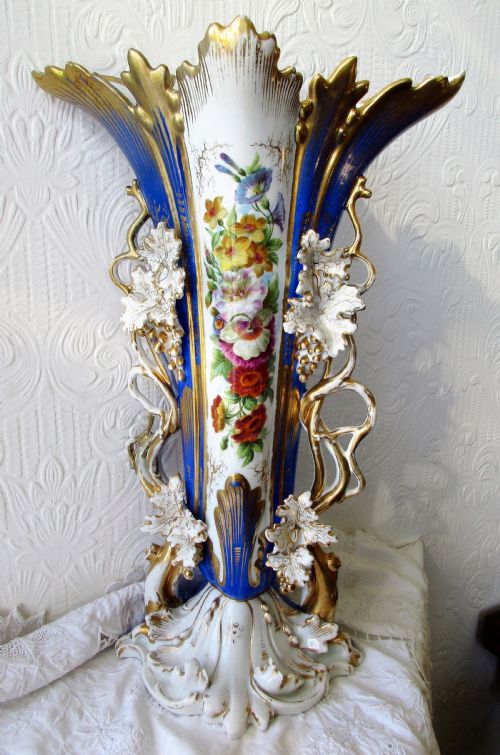
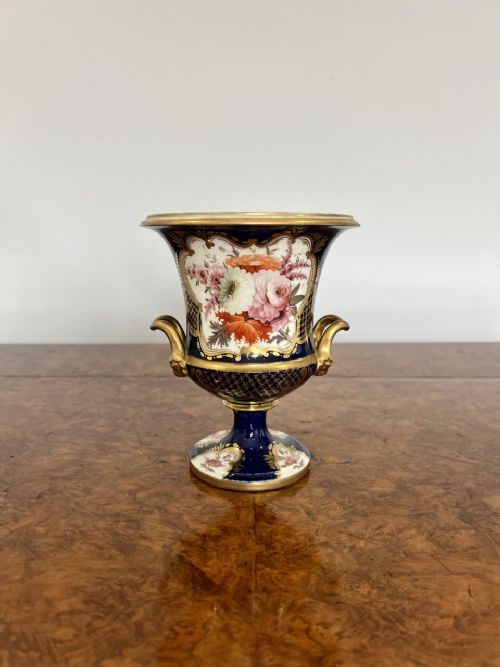
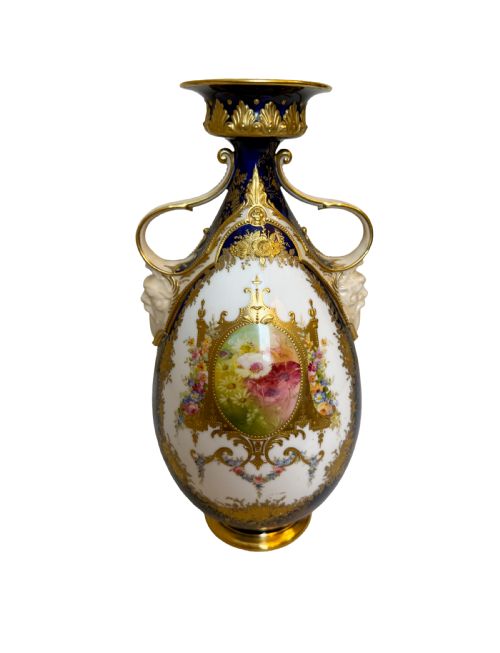
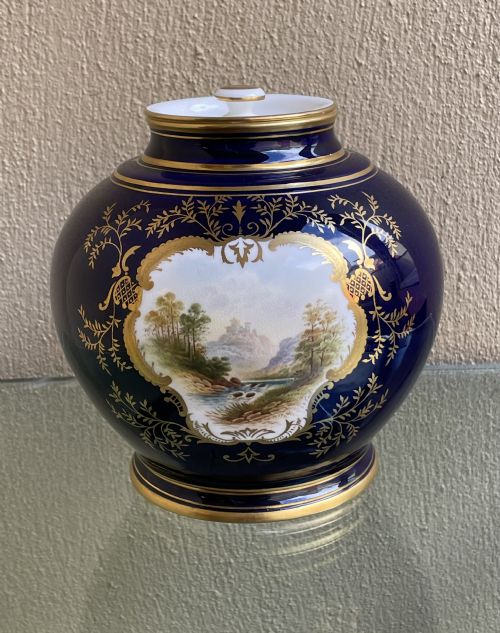
Gilded cobalt blue urns encompass decorative urns, lidded vases, and garnitures created in porcelain, earthenware, and ceramic. The forms vary from campagna shapes and ginger jars to large floor standing vessels and miniature twin handled pieces.
Makers across the nineteenth and early twentieth centuries utilised deep cobalt blue glazes as a rich ground for intricate gold leaf and enamel decoration. Pieces frequently originate from English factories like Worcester and Royal Crown Derby alongside French, Viennese, and Japanese kilns.
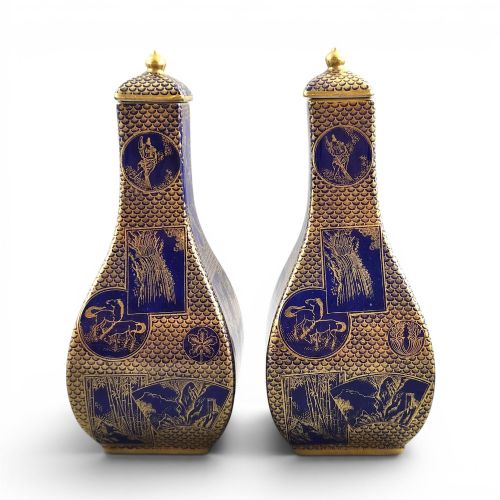
Buyers will encounter nineteenth-century Regency and Victorian examples alongside Edwardian and Meiji period Japanese works. Many items survive as matched pairs or multi-piece garnitures designed for mantelpieces and display tables.
How they were made
Potters shaped porcelain and earthenware bodies before applying deep cobalt blue grounds, often utilising specialised glazes to achieve uniform coloration. Artisans then added gold leaf, gilding, and enamel work by hand, frequently firing the pieces multiple times to set the metallic and coloured details.
Techniques ranged from delicate hand-painted floral panels to raised moriage ornamentation and ormolu mounts. Japanese workshops and European factories employed distinct traditions of throwing, moulding, and surface decoration to produce these contrasting blue and gold surfaces.
The listings feature porcelain and earthenware pieces spanning the Georgian, Regency, Victorian, and Edwardian periods, alongside Meiji period Japanese works.
What varies in quality
The precision of the hand-painted details and the depth of the cobalt ground separate standard production from exceptional works. Artisans who executed complex figural scenes, heraldic motifs, or dense gilding achieved a higher level of refinement.
The crispness of the porcelain moulding and the weight of the applied gold leaf indicate the skill involved in the workshop. Complete sets, signed pieces, and well-preserved garnitures reflect greater original ambition and survival.
Royal Crown Derby·Flight Barr and Barr·Royal Doulton·Coalport·Crown Staffordshire·Carlton Ware·Crown Devon·Wolfsohn Dresden
The Gilded Cobalt Blue Urns Glossary
- Garniture
- A set of matching vases or urns designed to be displayed together on a mantelpiece or sideboard. These sets typically consist of three or more pieces sharing a unified decorative scheme.
- Imari
- A style of Japanese export ceramics featuring cobalt blue underglaze and iron red overglaze, heavily accented with gold. European factories frequently copied these distinctive palettes.
- Moriage
- A decorative technique in Japanese ceramics where slip is piped onto the surface to create raised designs, often highlighted with gilding. This method adds a tactile, three-dimensional texture to the vessel.
- Campagna urn
- A classical bell-shaped vase form on a pedestal foot, popularized in neoclassical design. English and continental makers frequently rendered these shapes in porcelain with blue grounds.
- Ormolu
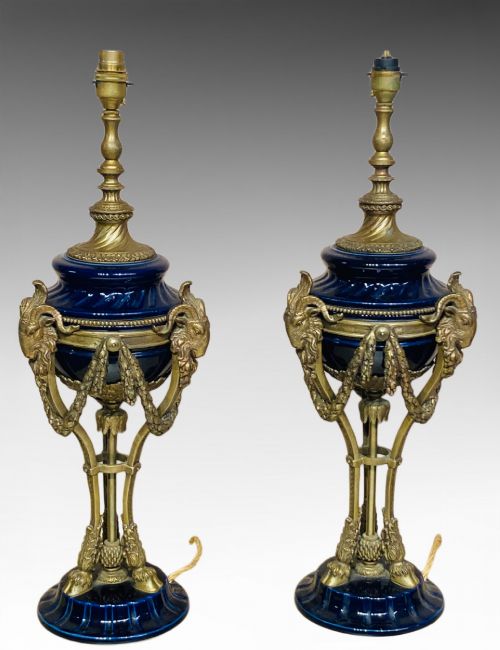
- Gilded bronze mounts applied to ceramic bodies for decorative effect. Makers utilised these metal additions to elevate the status of table lamps and urns.
Gilded Cobalt Blue Urns: Frequently Asked Questions
What are gilded cobalt blue urns?
These pieces are ceramic and porcelain vessels featuring deep blue glazes adorned with gold leaf or gilding. They were produced across various periods in Europe and Japan as decorative focal points.
Makers utilised different forms, ranging from classical campagna shapes to lidded ginger jars and tall floor vases.
How were these urns used historically?
Owners displayed these vessels on mantelpieces, entrance halls, and drawing rooms as symbols of status and refinement. Many functioned as part of matched garniture sets.
Some smaller versions served as scent bottles or rose water sprinklers for domestic use.
How do I date a cobalt blue and gold vase?
Dating relies on identifying factory backstamps, stylistic markers such as Regency or Meiji period motifs, and manufacturing techniques. Examining the composition of the ceramic body and the style of gilding offers further clues.
Reference guides for specific English and continental potteries help narrow down production decades.
How do I care for antique gilded ceramics?
These pieces require gentle dusting with a soft, dry brush to protect fragile surface gilding and enamel work. Water and harsh cleaning agents should be avoided to prevent damage to the glaze.
Displaying them away from direct sunlight preserves the vibrancy of the cobalt ground and gold leaf.