





19th Century Ironstone Pottery
19th century ironstone pottery is durable ceramic tableware offering bold transfer-printed patterns and heavy white bodies that withstand daily use.
19th Century Ironstone Pottery
When you search for 19th century ironstone pottery, you encounter heavy earthenware and stoneware items designed for both utility and display during the Georgian, Regency, and Victorian eras. Jugs, pitchers, vases, bowls, and soup tureens dominate the forms available in these styles.
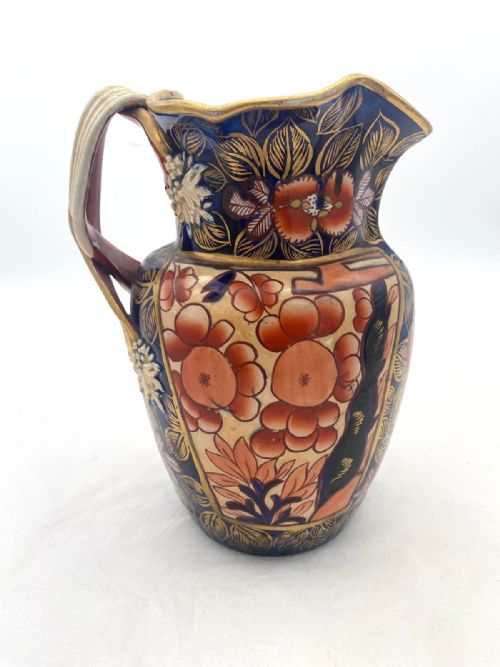
You are most likely to meet utilitarian and decorative vessels featuring colourful patterns such as Gaudy Welsh, flow blue, Chinoiserie, and Imari designs. These pieces range from robust tableware like soup bowls and cream bowls to large decorative hall vases and mugs.
The objects stem from English potteries active across the 19th century, carrying periods and dates spanning from 1800 through the 1850s to the 1880s. Each piece reflects the functional domestic and mess requirements of its original period.
How they were made
Potters built these items using dense ironstone, earthenware, and stoneware bodies fired to create a durable, vitreous ceramic substance. Makers then coated the heavy bodies in clear or coloured glazes to seal the porous clay.
Decoration relied heavily on transfer-printed patterns, hand-applied enamel colours, and sometimes copper lustre or gold leaf accents. Specialised techniques produced fluid motifs like flow blue and intricate orientalist scenes in Chinoiserie and Imari styles.
Puzzle jugs challenge drinkers to consume liquid without spilling through hidden spouts, providing Victorian entertainment.
What varies in quality
Quality depends on the crispness of the transfer printing and the precision of the hand-painted enamel work applied over the glaze. Finer examples show careful alignment of patterns and rich depth in mazarine blue, gold leaf, and copper lustre details.
The weight, potting symmetry, and complexity of moulded elements like lion mask handles or octagonal facets distinguish standard utility wares from exhibition pieces. Maker attribution also influences distinction, with recognised factories achieving superior ceramic refinement.
Mason's Ironstone·John Ridgway·Miles Mason·Davenport·Copeland
The 19th Century Ironstone Pottery Glossary
- Ironstone
- A heavy, durable type of ceramic patented in the 19th century to provide a tough alternative to porcelain. It forms the robust body of most jugs and soup bowls on this page.
- Flow blue
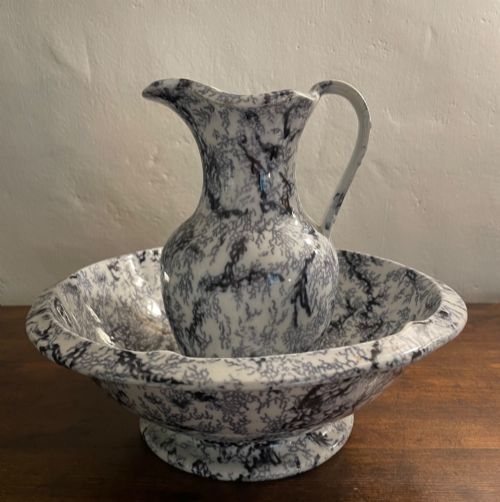
- A transfer-printing technique where the cobalt blue pigment intentionally bleeds into the surrounding glaze during firing. This creates a soft, hazy appearance seen on Staffordshire jugs.
- Gaudy Welsh
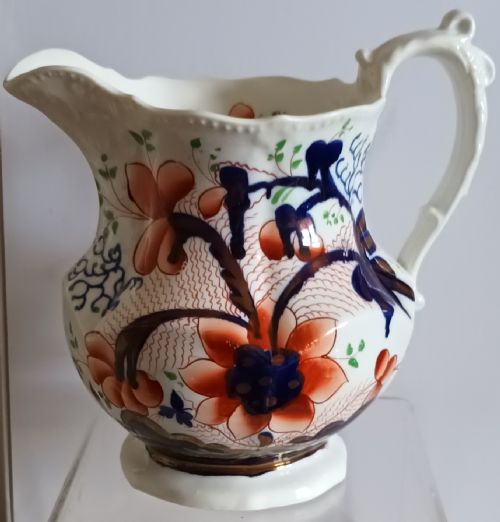
- A distinctive style of brightly coloured, hand-painted pottery featuring cobalt blue, iron red, and copper lustre. It is commonly found on 19th century plates and jugs.
- Chinoiserie
- European artistic interpretation of Chinese and East Asian decorative motifs. It appears frequently on Regency and Victorian vases and tableware.
- Copper lustre
- A metallic glaze finish that imparts a coppery sheen to ceramic surfaces. Potters used it to highlight rims and handles on mugs and bowls.
19th Century Ironstone Pottery: Frequently Asked Questions
What is 19th century ironstone pottery?
19th century ironstone pottery is a dense, durable ceramic developed in England as a strong alternative to porcelain. It encompasses heavy utilitarian and decorative items designed for dining and display.
Potteries produced everything from large soup tureens and hall vases to everyday jugs, mugs, and plates using this sturdy clay body.
How do I identify a Mason's piece?
Mason's pieces typically display heavy, robust ironstone bodies with distinctive decorative schemes such as the schoolhouse pattern or mazarine blue glazes. Many feature moulded details like octagonal shapes or applied handles.
Factory marks on the base often confirm attribution, though stylistic hallmarks like rich enamel colours and Chinoiserie motifs also point to the firm.
What is flow blue pottery?
Flow blue pottery is a type of transfer-printed ceramic where the cobalt blue design blurs into the surrounding glaze during the kiln firing. This chemical reaction creates a distinctive smoky, feathered effect.
The technique originated in Staffordshire during the 19th century and is frequently found on jugs, basins, and tableware.
How were ironstone bowls used?
Ironstone bowls served various domestic and institutional functions, ranging from soup consumption to dairy work and cream processing. Larger vessels handled general kitchen preparation.
Specialist items like officers' mess bowls fulfilled communal dining needs for military personnel during the 19th century.