

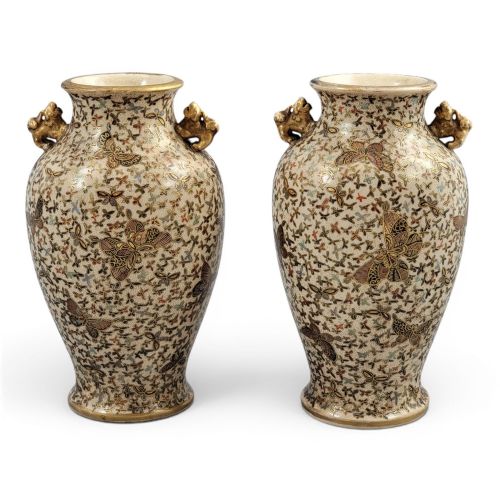


Ceramic Urns with Handles
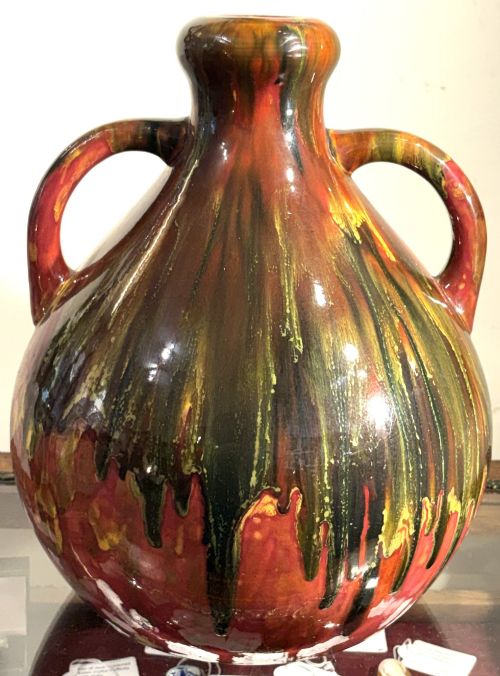
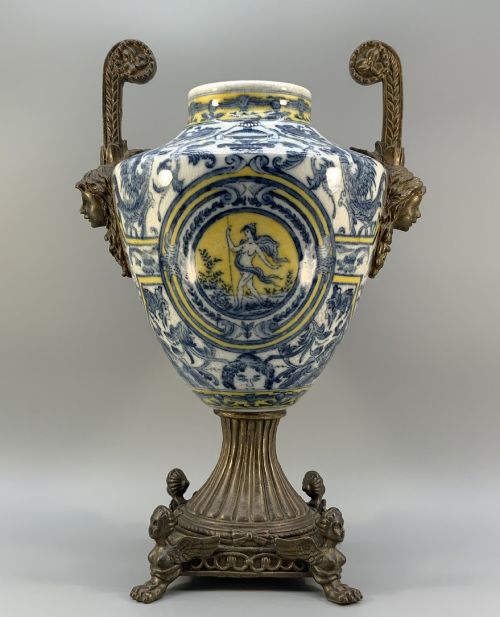
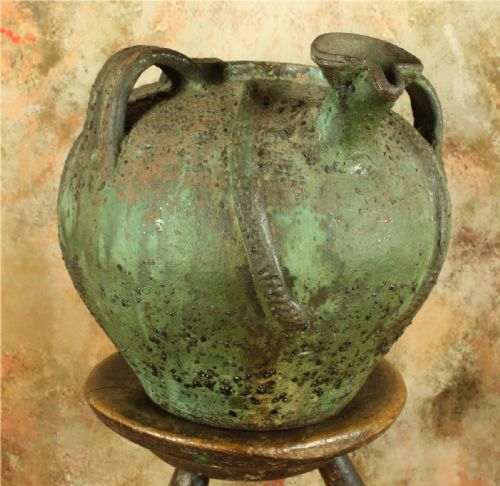
These ceramic urns with handles span centuries of pottery tradition, offering classic forms and detailed painted decoration for the home.
Ceramic Urns with Handles
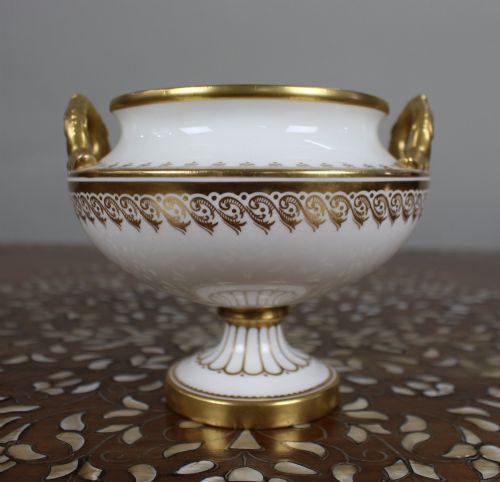
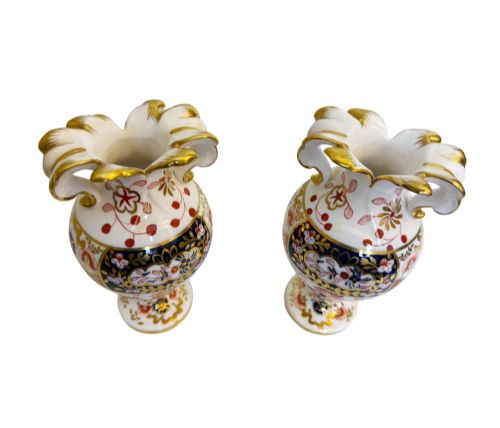
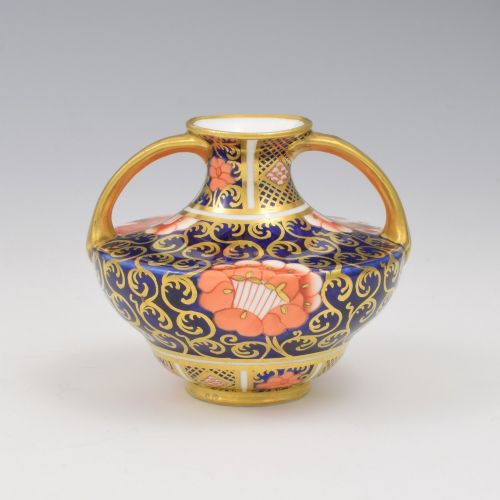
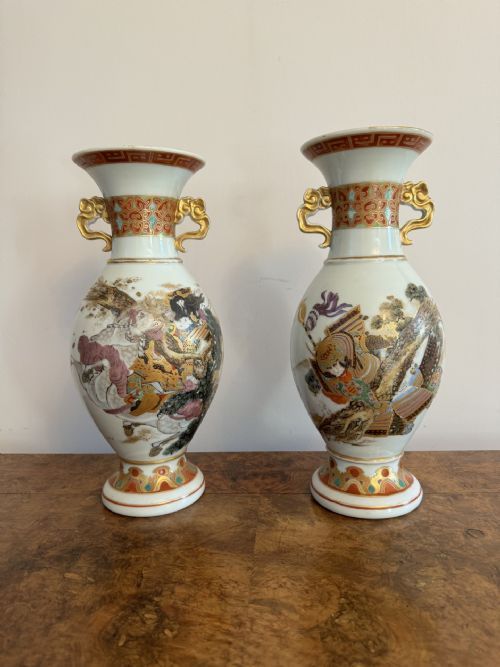
Ceramic urns with handles encompass a diverse array of lidded and open vessels, from Georgian porcelain tureens and classical Revival jars to Meiji period Japanese earthenware. The selection spans the eighteenth, nineteenth, and early twentieth centuries, bringing together European factory production and East Asian ceramic traditions.
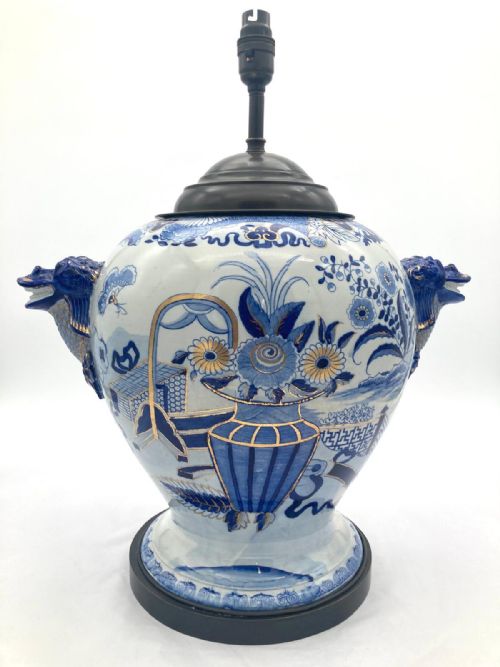
Buyers most frequently encounter nineteenth-century English porcelain and earthenware vessels on this page, including named works from Worcester and Staffordshire alongside continental European faience and Japanese export ware. These pieces typically feature twin handles, ranging from simple side loops to elaborate animal forms such as elephants and lions.
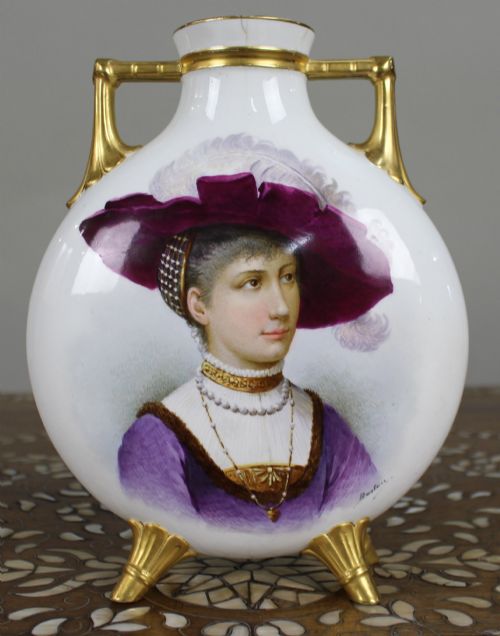
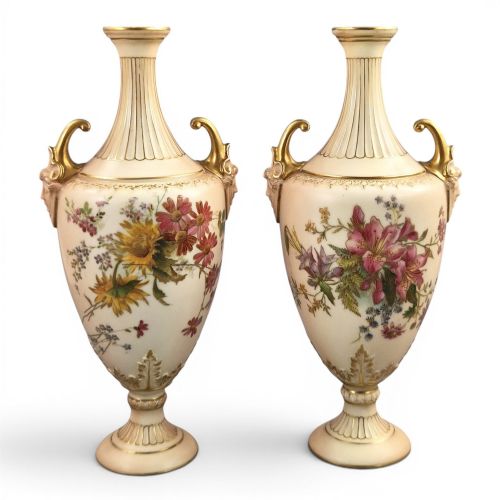
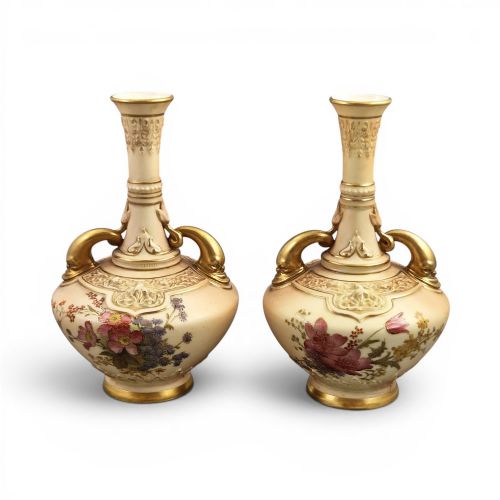
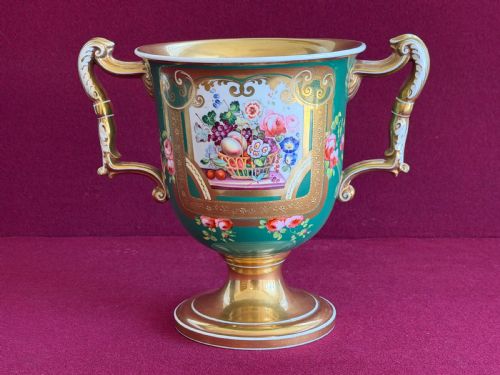
Forms vary from covered pedestal vases and pilgrim flasks to large decorative jars and sauce tureens. Many incorporate hand-painted floral motifs, figural scenes, or raised enamel work, reflecting the varied aesthetic movements of the Victorian era and preceding decades.
Materials and construction
Potters shaped these vessels using traditional body clays, porcelain pastes, and faience, often firing them to high temperatures before applying rich glazes. Artisans built up decorative surfaces through hand-painted mineral pigments, intricate moriage relief work, and delicate enamel applications.
Gilding and metal additions complete many pieces, utilising gold leaf, bronze mounts, and cast metal handles to accent the ceramic bodies. Skilled hands turned, moulded, and assembled these multi-part compositions, joining handles and covers to the main body prior to the final glaze firing.
Listings feature 19th Century, Victorian, and Regency items alongside 18th Century and Meiji Period pieces.
Craftsmanship and execution
Excellence in these vessels rests on the precision of the form and the skill of the hand-painting, where fine brushwork and controlled polychrome palettes elevate standard production pieces into notable works. The crispness of moulded details, the evenness of the glaze, and the successful integration of metal mounts or specialised handles set the finest examples apart.
The reputation of the producing workshop or factory often guides discernment, with documented output from established English and continental houses demonstrating superior paste quality and decorative restraint. Pieces that retain their original covers, matching pairs, and clear factory marks command particular attention from discerning collectors.
Chamberlain Worcester·Flight Barr And Barr·Hadley S Worchester·Samson Paris·KPM·Mason S·Royal Crown Derby·Royal Worcester
The Ceramic Urns with Handles Glossary
- Faience
- Tin-glazed earthenware produced across Europe, known for its opaque white surface and painted decoration. This technique underpins much of the continental decorative pottery found in earlier periods.
- Moriage
- A Japanese ceramic decorating technique using piped clay to create raised, textured patterns beneath the glaze. This method creates tactile surface relief on pieces from the Meiji period.
- Imari
- A style of Japanese export porcelain featuring underglaze blue and overglaze red, green, and gold. English factories frequently copied these distinctive palettes during the Regency era.
- Pilgrim flask
- A flat-sided bottle vessel with loop handles, originally designed for travel but adapted into purely decorative ceramic forms. These pieces offer a distinct silhouette compared to standard pedestal vases.
- Blush ivory
- A soft cream-coloured porcelain ground developed by English potteries, often decorated with muted floral sprays and gilt accents. It remains a defining aesthetic of late Victorian ceramic design.
Ceramic Urns with Handles: Frequently Asked Questions
What periods do these handled ceramic urns come from?
The selection spans from the eighteenth century through the Victorian era and into the early twentieth century. Pieces include Regency porcelain, nineteenth-century English earthenware, and Meiji period Japanese imports.
Each era brings distinct regional aesthetics, ranging from classical European revival styles to intricate Asian export traditions.
How were these decorative urns originally used?
Many functioned as display pieces, garniture sets for mantelpieces, or focal points on side tables in grand interiors. Some forms, such as tureens and jars, served practical dining or storage purposes before transitioning into decorative items.
Handled vessels were frequently produced in pairs to balance formal room layouts during the eighteenth and nineteenth centuries.
How should I care for antique ceramic urns?
Dust these pieces gently with a soft, dry brush and avoid using water or chemical cleaners on hand-painted or gilt surfaces. Keep them away from direct sunlight and areas subject to sudden temperature fluctuations to protect the glaze and body.
If a piece includes removable metal mounts or wooden stands, handle them separately to prevent strain on the ceramic body.
How can I tell Japanese export pieces apart?
Japanese pieces from the Meiji period often feature distinctive decorative techniques like moriage relief work, cloisonné elements, or specific regional styles such as Satsuma and Kutani. Look for characteristic crackle glazes, Shimazu crests, and hand-painted figural or animal motifs.
Signatures or artist marks on the base frequently provide further clues to the specific kiln or maker.
Are these ceramic vessels found in pairs?
Yes, many of the decorative urns and vases listed are available as matching pairs, reflecting their original purpose as symmetrical mantelpiece ornaments. Single pieces also appear, often representing larger garniture sets or individual cabinet specimens.
Pairs offer a balanced display option for formal interiors and architectural settings.