


Antique Ironstone Vases
Antique ironstone vases are heavy, durable ceramic vessels that bring robust substance and striking painted decoration to a room.
Antique Ironstone Vases
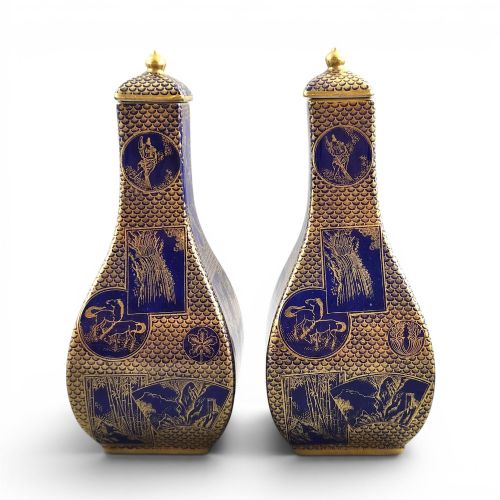
When you examine antique ironstone vases, you encounter durable ceramic vessels designed for display, often taking the form of large garnitures, lidded containers, or pot pourri vessels. The version you are most likely to meet on this page is the nineteenth-century piece, particularly from the Georgian and Regency periods.
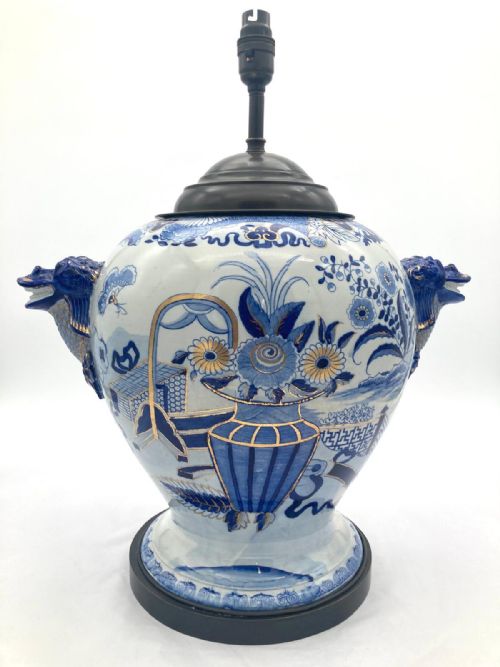
Makers produced these objects in diverse shapes, including octagonal baluster forms and table lamps. Chinoiserie decoration, bird and peony motifs, and Imari patterns frequently appear across the selection.
The material offers a sturdy alternative to porcelain while maintaining a refined appearance. Pieces span the nineteenth century into the Edwardian era, showing both simple utility and grand decorative ambition.
What varies in quality
The distinction between ordinary and exceptional antique ironstone vases lies in the crispness of the moulding and the ambition of the form. Elaborate octagonal profiles, lidded garnitures, and double-handled baluster shapes require greater skill than simple vessels.
Painted detail creates another division in quality. Pieces decorated with intricate Chinoiserie motifs, mazarine blue grounds, or rich gilding demonstrate superior artistry compared to standard transfer-printed items.
Birds and peonies share space with fences and doves across these cheerful nineteenth-century surfaces.
Mason's Patent Ironstone·Hicks and Meigh·Spode·Miles Mason
The Antique Ironstone Vases Glossary
- Ironstone
- A heavy, durable type of ceramic patented in the nineteenth century as a tougher alternative to porcelain. It takes enamel colours and gilding readily.
- Chinoiserie
- A European artistic style reflecting Chinese motifs and landscapes. It frequently appears on early nineteenth-century ceramics.
- Garniture
- A set of matching vases or urns designed for symmetrical display on a mantelpiece or sideboard. They often include lidded or pot pourri vessels.
- Imari
- A decorative style inspired by Japanese export porcelain, typically featuring a palette of iron red, cobalt blue, and gold. This style appears on several pieces in the collection.
- Pot Pourri
- A vessel featuring a pierced or decorative cover designed to hold dried scented plant material. These containers often include fitted lids.
Antique Ironstone Vases: Frequently Asked Questions
What is ironstone?
Ironstone is a dense, durable ceramic developed in the nineteenth century to provide a sturdy alternative to porcelain.
It accepts colourful enamels and gilding exceptionally well, making it ideal for decorative vessels.
How do I identify a Georgian vase?
Georgian pieces typically date from the late eighteenth to the early nineteenth century. They often feature robust forms such as octagonal balusters.
Look for hand-painted Chinoiserie decoration and rich mazarine blue grounds characteristic of this early period.
Were these vases used for flowers?
Many of these vessels served purely as decorative garnitures or containers for dried scented material rather than holding water for fresh stems.
Pot pourri jars and lidded urns were designed to scent and ornament formal rooms.
What does Chinoiserie mean?
Chinoiserie refers to European decorative arts inspired by Chinese design traditions. Artisans painted imaginary landscapes, exotic birds, and figures onto the ceramic surface.
This style was particularly popular during the Regency and Victorian periods.
How do I care for antique ceramic vases?
Dust these pieces gently with a dry cloth to protect the painted enamel and gilt highlights from wear.
Avoid using harsh cleaning solutions or submerging items that feature delicate gold leaf or brass additions.