



Antique Ceramic Baluster Jars
These antique ceramic baluster jars combine bulbous lower bodies with tapering necks, offering collectors bold decorative forms shaped by centuries of Asian and European trade.
Antique Ceramic Baluster Jars
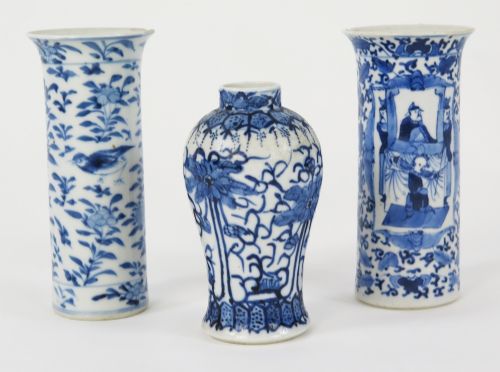
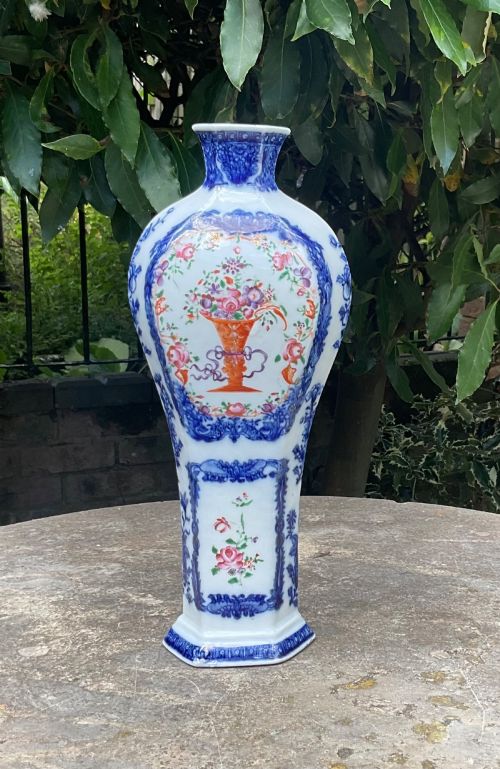
When searching for antique ceramic baluster jars, collectors encounter a diverse selection of vessel forms that originated across various global kilns. These pieces span centuries of production, appearing in British, Dutch, French, Chinese, and Japanese traditions.
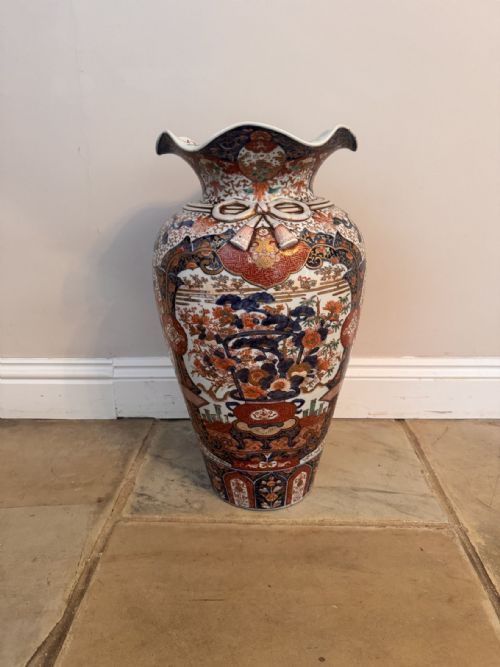
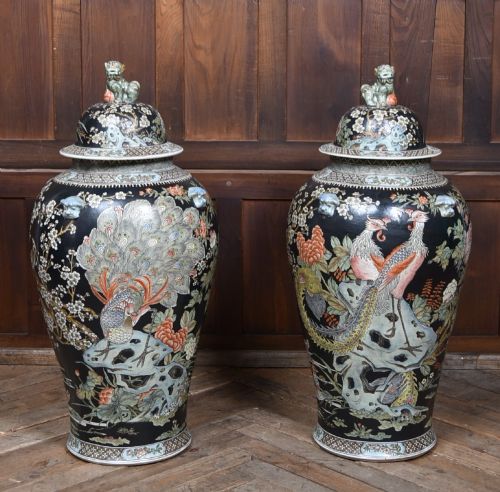
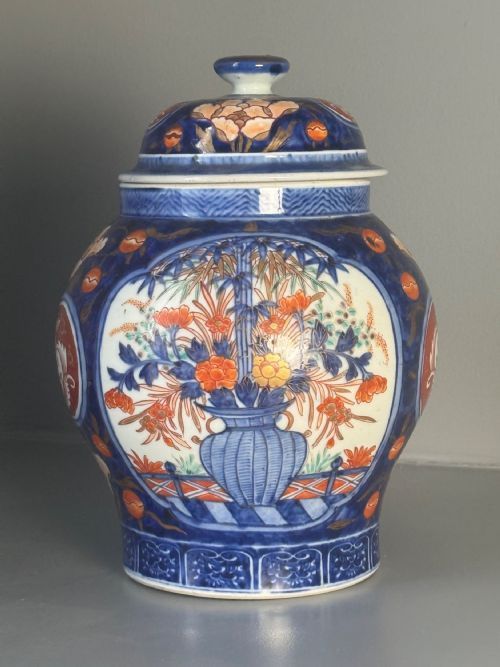
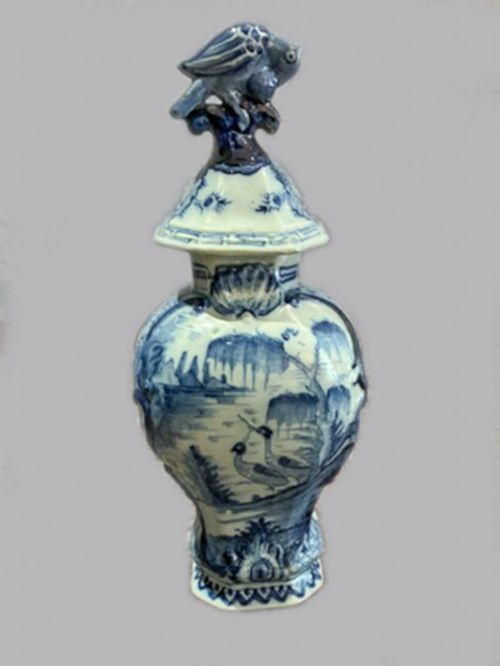
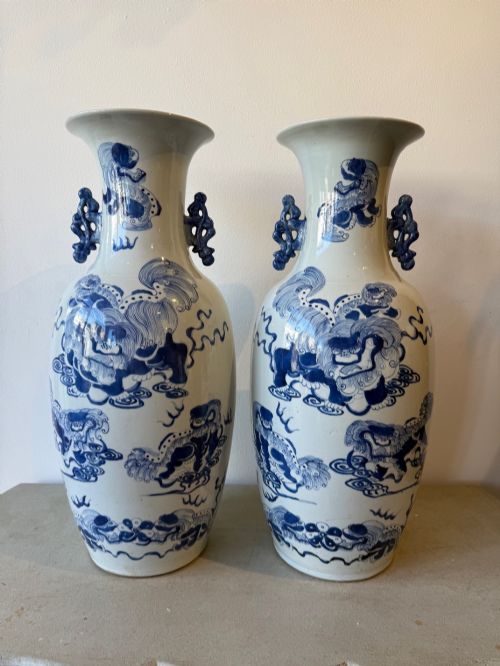
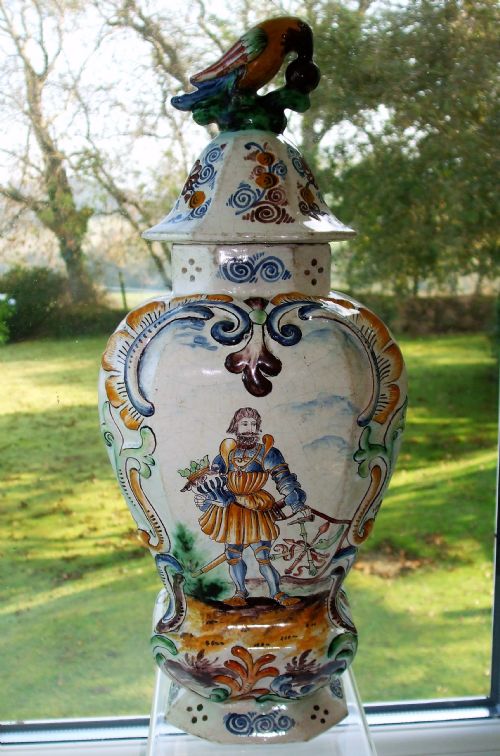
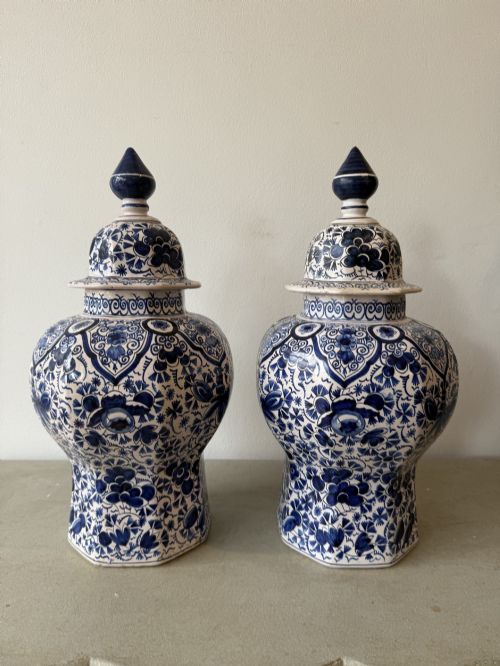
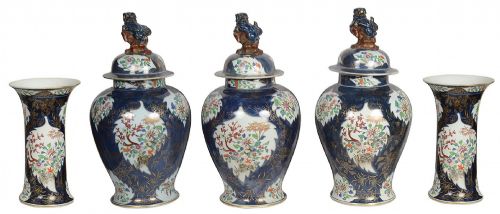
The selections available on this page lean heavily towards Japanese Imari and Dutch Delftware examples, alongside Chinese export wares. Many feature fitted lids, transforming simple vessels into garniture sets and lidded display pieces.
Makers utilised these curvaceous silhouettes for ornamental floor displays, mantel garnitures, and occasionally converted table lamps. The shapes remain true to their historical roots, preserving the characteristic swelling lower profile.
Materials and Techniques
Potters shaped these vessels using porcelain and tin-glazed earthenware, applying mineral pigments directly onto the porous or vitrified bodies before firing. Cobalt blue underglazes and rich polychrome enamels defined the surface decoration across both Eastern and Western workshops.
Many Japanese and Chinese pieces incorporate intricate hand-painted motifs, sometimes accented with gold leaf or enamel details over the primary glaze. Dutch delftware relied on tin-glazing techniques to mimic imported Asian porcelain styles, creating opaque white surfaces suitable for blue and white Chinoiserie scenes.
Early Dutch potters painted traditional East Asian birds and flowers onto earthenware long before seeing the actual flora.
Evaluating Craftsmanship
Quality in these ceramics rests primarily upon the precision of the hand-painted detail and the clarity of the underlying glaze. Superior examples display confident, fluid brushwork on the motifs, whereas lesser pieces show rushed or mechanical application.
The crispness of the moulded baluster form and the successful preservation of overglaze enamels or gold leaf also dictate the standing of a piece. Well-balanced proportions and intact original covers elevate the desirability of lidded jars significantly.
Kinkozan·Mason’s Ironstone·Carlton Ware
The Antique Ceramic Baluster Jars Glossary
- Baluster
- A vertical architectural form resembling a pillar or column, characterised by a rounded, swelling lower body and a narrower neck. This specific profile provides these jars with their characteristic stability and visual weight.
- Imari
- A traditional style of Japanese export porcelain originating from Arita, typically decorated in a palette of underglaze blue, iron red, and gold. Artisans produced these wares extensively during the Edo and Meiji periods.
- Delftware
- Tin-glazed earthenware produced in the Netherlands, most notably in Delft, featuring an opaque white glaze painted with blue designs. Potters frequently utilised this medium to imitate Chinese porcelain during the seventeenth and eighteenth centuries.
- Famille Rose
- A major palette of Chinese ceramic enamel colours introduced during the Qing Dynasty, distinguished by its predominant opaque pink or rose-coloured hues. This technique allowed artists to render delicate floral and figurative scenes.
- Garniture
- A set of matching vases or jars designed to be displayed together on a mantelpiece or cabinet top, popular in European interiors from the seventeenth century onwards. These sets usually consist of three to five graduated vessels.
Antique Ceramic Baluster Jars: Frequently Asked Questions
How do I date antique ceramic jars?
Dating these jars involves examining the potting technique, glaze characteristics, and painted decorative motifs. Stylistic markers often point to specific dynasties, reigns, or European periods such as the Edo or Victorian eras.
Base marks, where present, can offer further clues to the kiln or workshop of origin. Comparing the hand-painted details to verified period pieces helps confirm the age.
Were these jars used for storage?
While many historical ceramic jars served functional storage purposes for dry goods or liquids, the decorative examples survived primarily for display. Large lidded versions were often manufactured specifically as ornamental items for wealthy interiors.
As trade expanded, European homes adopted these vessels as luxury mantel decorations rather than utilitarian containers. Their survival with matching lids indicates they were prized decorative objects.
How should I display them at home?
These jars suit prominent placement on mantelpieces, sideboards, or as floor-standing accent pieces where their shape can be appreciated. Pairs and garniture sets look best arranged symmetrically to highlight their traditional decorative function.
Placing them away from direct sunlight protects vulnerable overglaze enamels and gold leaf highlights. Ensuring a stable, level surface keeps taller lidded vases safe from accidental knocks.