



Masons Ironstone Ceramic Pair
These masons ironstone ceramic pair pieces offer sturdy elegance and bold pattern, bringing durable nineteenth-century craftsmanship directly to a table or mantel.
Masons Ironstone Ceramic Pair
When searching for a masons ironstone ceramic pair, buyers encounter durable paired objects designed for display or functional service across the nineteenth century and Edwardian eras. These pieces span from Georgian and Regency origins into later Victorian and Edwardian periods, reflecting continuous household utility.
Origins stretch across distinct historical periods, notably the nineteenth century, Regency, and Edwardian epochs. Buyers frequently find matching pairs that showcase traditional forms alongside structured symmetry.
How They Were Made
Items in this category combine sturdy ironstone ceramic bodies with protective glaze finishes to create resilient household vessels. This dense material allows manufacturers to form substantial objects like tureens and heavy vases that resist everyday wear.
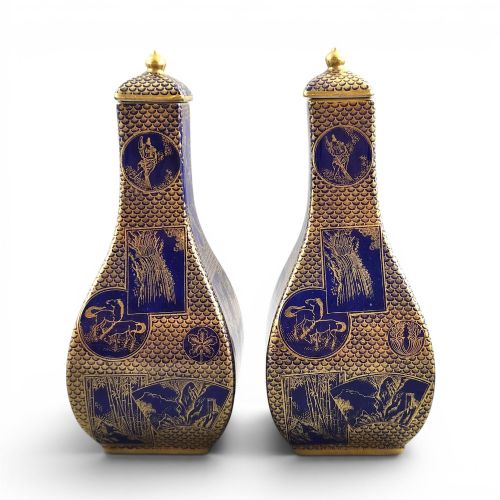
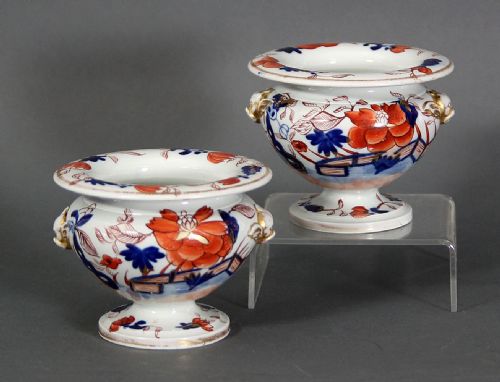
Decoration relies heavily on enamel pigments combined with gold leaf, gilt, gold gilt, and gilding to accentuate intricate patterns. Applied surface treatments include distinct motifs such as bird and peony designs, exotic birds, bandana patterns, Japan basket patterns, and Japan fence patterns.
Masons Ironstone Ceramic Pair Retail Price Guide 2026
Typical asking prices for masons ironstone ceramic pair among the pieces listed under this phrase on Sellingantiques today, from the lower quarter to the upper quarter. They describe what is for sale here now, not the wider market.
Exotic birds peer permanently across centuries from glazed ceramic surfaces.
What Varies in Quality
Quality differences emerge through the precision of the enamel painting and the crispness of the moulded ironstone forms. Hand-applied details, such as complex bird and peony or Japan fence motifs, display varied levels of artistic dexterity.
The application and preservation of the gold leaf, gilt, and gilding dictate the visual appeal of each pair. Surviving pieces with intact metallic lustre and well-preserved glaze layers represent the higher end of the range.
Mason's
The Masons Ironstone Ceramic Pair Glossary
- Ironstone
- A heavy, durable ceramic body patented in the nineteenth century to imitate porcelain while offering greater strength. It forms the structural base for robust tableware and decorative vessels.
- Gilt
- A thin layer of gold or gold-coloured material applied to the surface of ceramics for decorative enhancement. This finish highlights moulded details and borders.
- Chinoiserie
- A European artistic style reflecting Chinese aesthetic influences, frequently utilised in patterns featuring exotic birds and traditional landscapes. This style appears across multiple Regency and Victorian pieces.
- Tureen
- A deep, covered serving dish used historically for soups, sauces, or gravies. Paired examples often include matching ladles and undertrays.
- Posy
- A small decorative vase intended for holding short-stemmed floral arrangements. These items often feature vibrant hand-painted motifs.
Masons Ironstone Ceramic Pair: Frequently Asked Questions
What periods do these pieces span?
The listed items originate across the nineteenth century, including specific Regency, Georgian, and Edwardian eras. Each period brings distinct decorative patterns and manufacturing characteristics to the ceramics.
Buyers find that nineteenth-century pieces range from early Regency designs to later Edwardian household items.
How were sauce tureens used?
Sauce tureens served gravy or warm sauces at formal dining tables during the nineteenth century. They often accompanied matching ladles and serving dishes to complete a dining service.
Their lidded design helped retain heat during meals before being displayed on sideboards.
What patterns are common on these ceramics?
Common decorative schemes include Chinoiserie motifs, exotic birds, bandana patterns, Japan basket designs, and Japan fence patterns. These themes often incorporate enamels and gilt highlights.
Such patterns reflect nineteenth-century tastes for bold colours and imported aesthetic influences.
Are these items purely decorative?
Many items combine decorative display with practical function, such as desert dishes, salt cellars, candlesticks, and lidded vases. Others, like posy vases, served a primarily ornamental purpose in period interiors.
Their robust ironstone construction allowed both active table service and stable placement.