
Blue Glaze Art Pottery
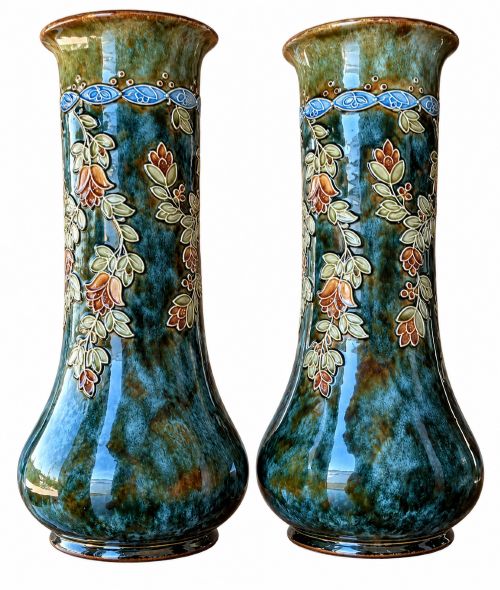
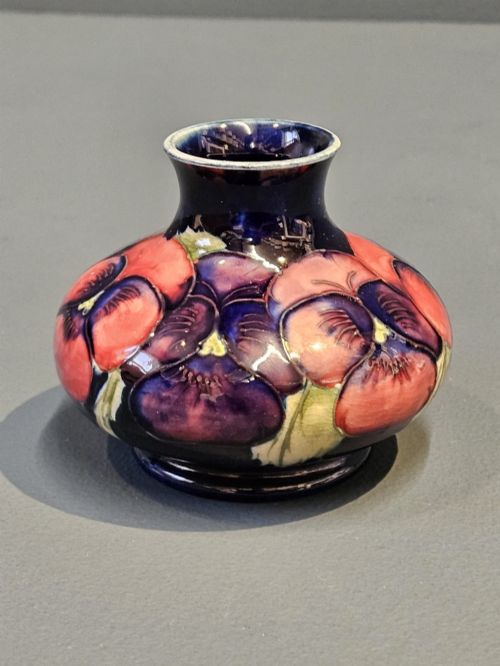
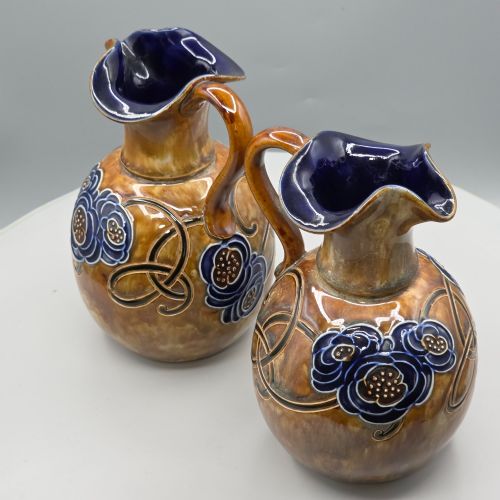
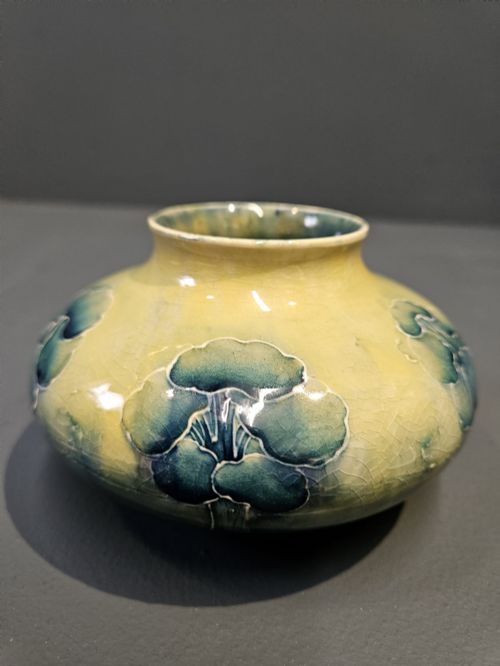
Blue glaze art pottery brings together tactile ceramic bodies and rich cobalt or turquoise pigments, spanning the Victorian era through the Art Deco years.
Blue Glaze Art Pottery
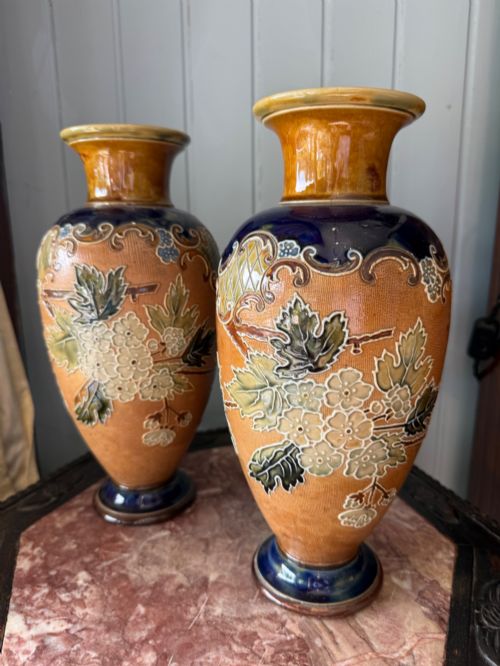
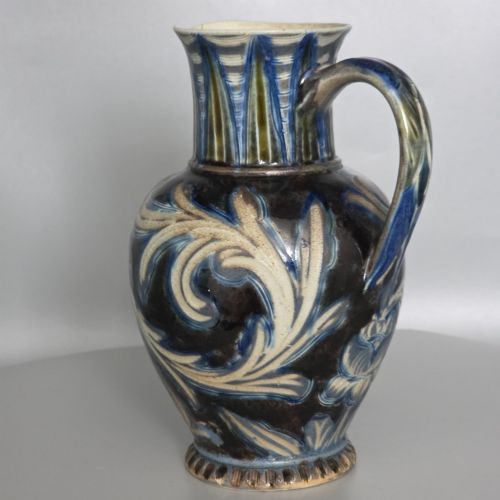
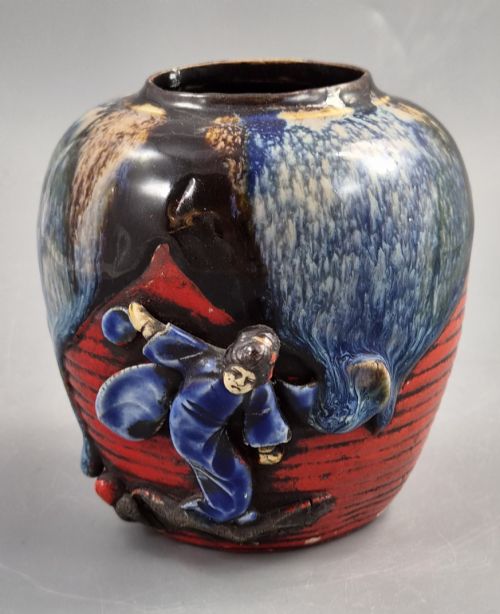
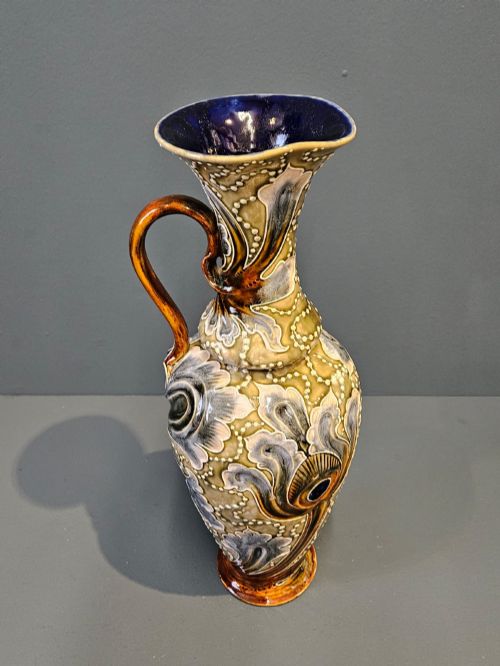
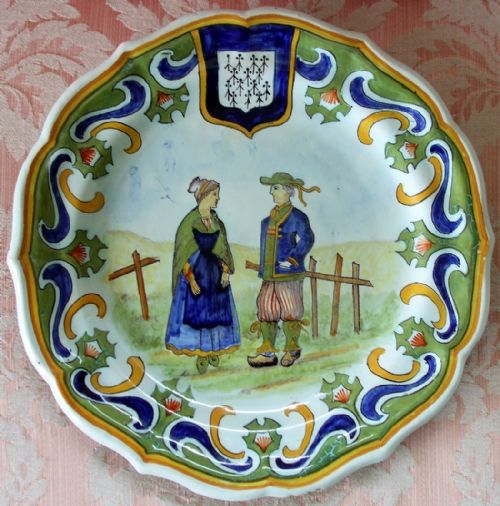
When searching for blue glaze art pottery, collectors encounter vessels and decorative objects shaped by major potteries and independent studios from the nineteenth and early twentieth centuries. The selection on this page centres heavily on British stoneware and earthenware, alongside continental faience and Japanese wares.
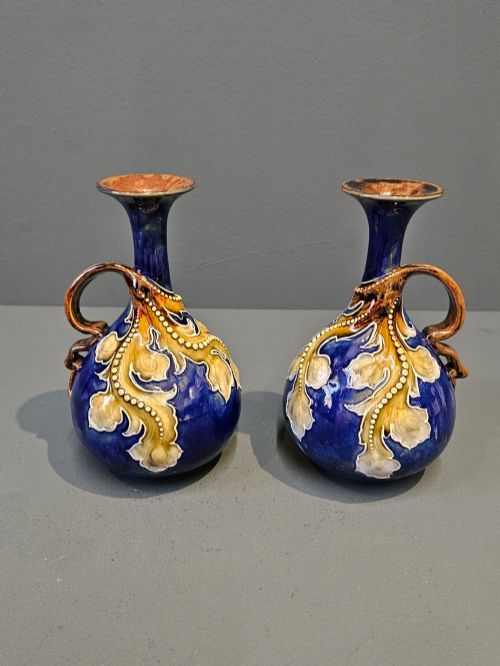
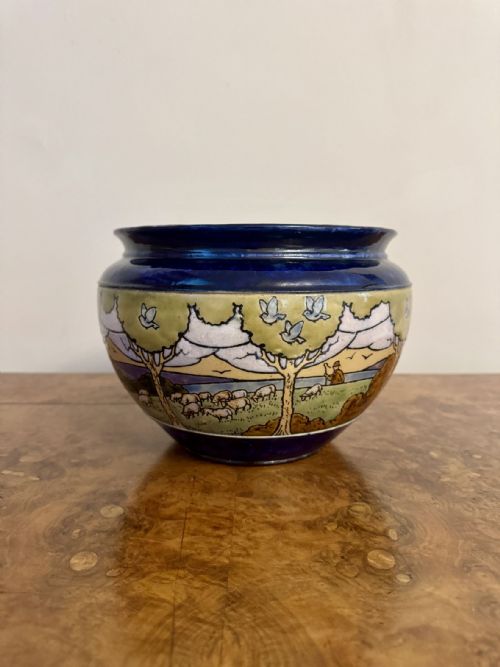
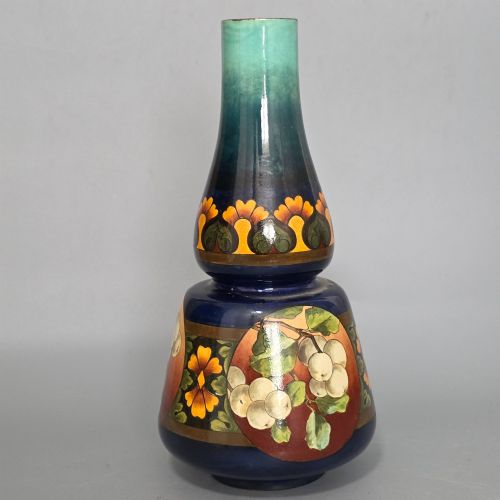
Vases, jugs, jardinieres and decorative figures form the core of the forms available. Pieces range from small cabinet pieces to large floor-standing pedestals and ewers.
The aesthetic bridges several distinct design movements, with Arts and Crafts and Art Nouveau treatments appearing alongside Victorian wares and occasional Art Deco pieces.
Materials and construction methods
Makers utilised dense stoneware, porous earthenware and fine ceramic bodies as the foundation for their designs. These bases were thrown on the wheel, moulded or built by hand before receiving decoration.
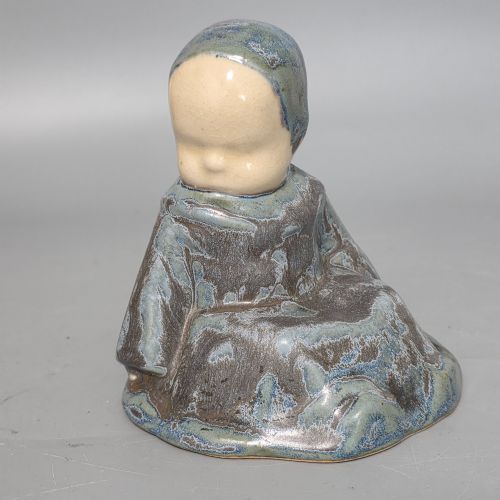
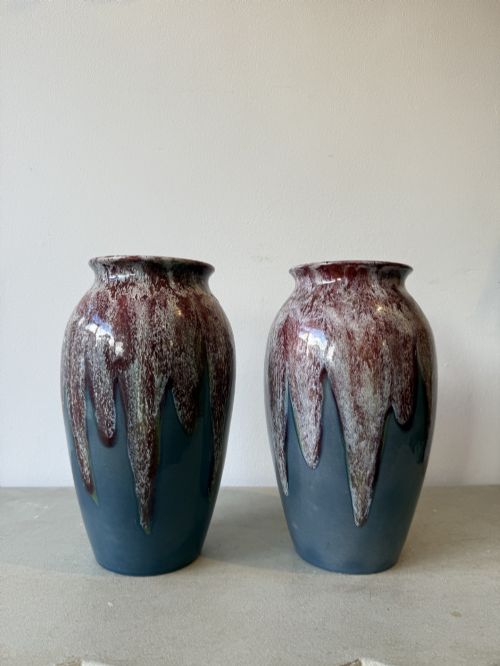
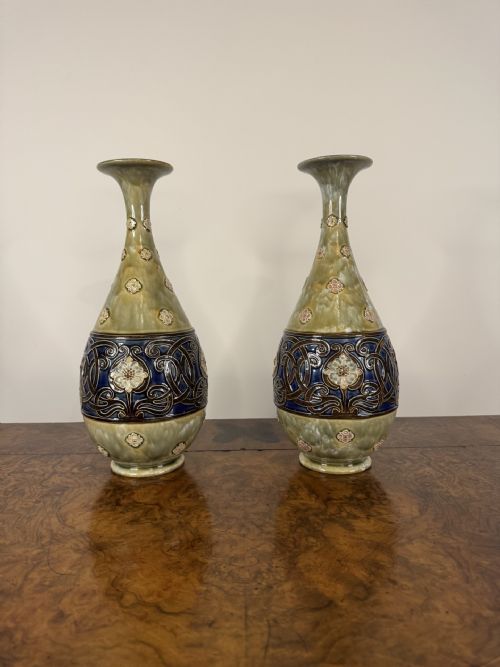
Surface treatments rely heavily on specialised glazes, ranging from deep cobalt washes and crystalline effects to rich turquoise and mottled flambé finishes. Incised patterns, relief moulding and slip trailing frequently define the texture beneath the glaze layers.
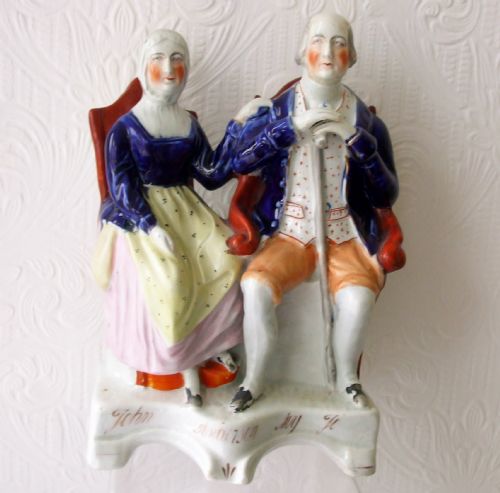
A Scottish plaque declares Auld Lang Syne in clay, ensuring perpetual musical sentiment without a single note played.
Distinctions in quality
The standard of a piece depends heavily on the depth and control of the glaze firing, where successful chemical reactions produce luminous surfaces rather than flat or dull colouration. Superior examples display crisp definition in incised or moulded relief work.
Attribution to named artists or major studio potteries elevates a piece, particularly when individual decorator ciphers or factory stamps remain clear and distinct on the base.
Royal Doulton·Moorcroft·Doulton Lambeth·Burmantofts·Wileman
The Blue Glaze Art Pottery Glossary
- Stoneware
- A robust, vitrified ceramic fired at high temperatures until non-porous. It accepts rich salt-glaze and coloured oxide treatments effectively.
- Earthenware
- A permeable pottery body fired at lower temperatures than stoneware. It requires a complete glaze coating to hold liquids.
- Jardinerie
- A large ornamental pot or stand designed to hold a live plant or floral arrangement. These vessels often feature prominent relief decoration.
- Intarsio
- A distinctive ceramic technique developed to imitate inlaid wood panels. The patterned areas are defined by dark outlines and filled with coloured glazes.
Blue Glaze Art Pottery: Frequently Asked Questions
What is blue glaze art pottery?
These pieces comprise ceramic and stoneware vessels finished with distinctive blue surface treatments. They reflect the creative output of studio potteries and commercial manufacturers active from the Victorian period onwards.
Collectors prize them for the interplay between sculptural ceramic forms and rich metallic oxide glazes. The category includes vases, jugs, and decorative planters designed for display.
How do I identify the period?
Dating relies on factory marks, impressed stamps, and stylistic markers specific to design movements like Art Nouveau and the Arts and Crafts era. Examining the base often reveals manufacturer ciphers or registration numbers.
Material composition and glaze styles also provide strong clues to the decade of manufacture. Victorian pieces tend to feature heavier earthenware or salt-glazed stoneware, while later pieces often show brighter chemical glazes.
How were these pieces used?
Many items served domestic decorative functions as mantelpiece ornaments, cabinet pieces, or floral display vessels. Jardinieres held potted ferns and indoor plants popular in period interiors.
Some objects, such as jugs and loving cups, combined functional utility with artistic ambition. Chamber sticks and wall pockets fulfilled specific household roles while showcasing studio craftsmanship.
How should I care for art pottery?
Display these ceramics away from direct sunlight to protect the stability of historic glazes. Dust them gently with a dry, soft cloth without applying cleaning liquids.
Avoid using antique vessels for holding water unless the inner glaze is completely sealed and sound. Handling pieces with support at the base prevents strain on handles and rims.