

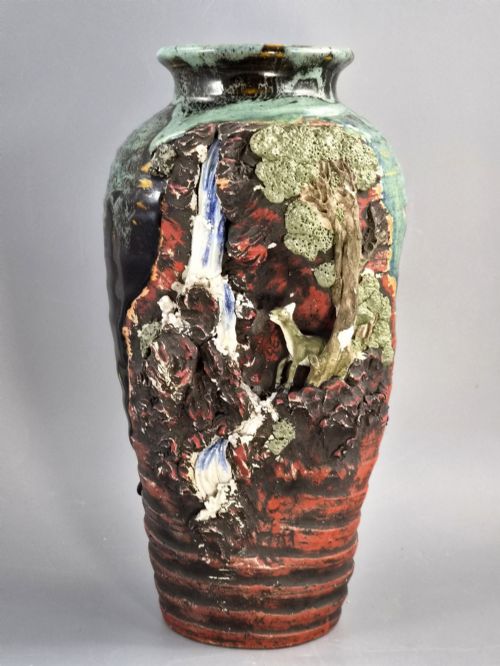


Studio Ceramic Vase
A studio ceramic vase brings tactile form and individual artistry to a room, offering glazed surfaces and hand-thrown shapes that mass production cannot replicate.
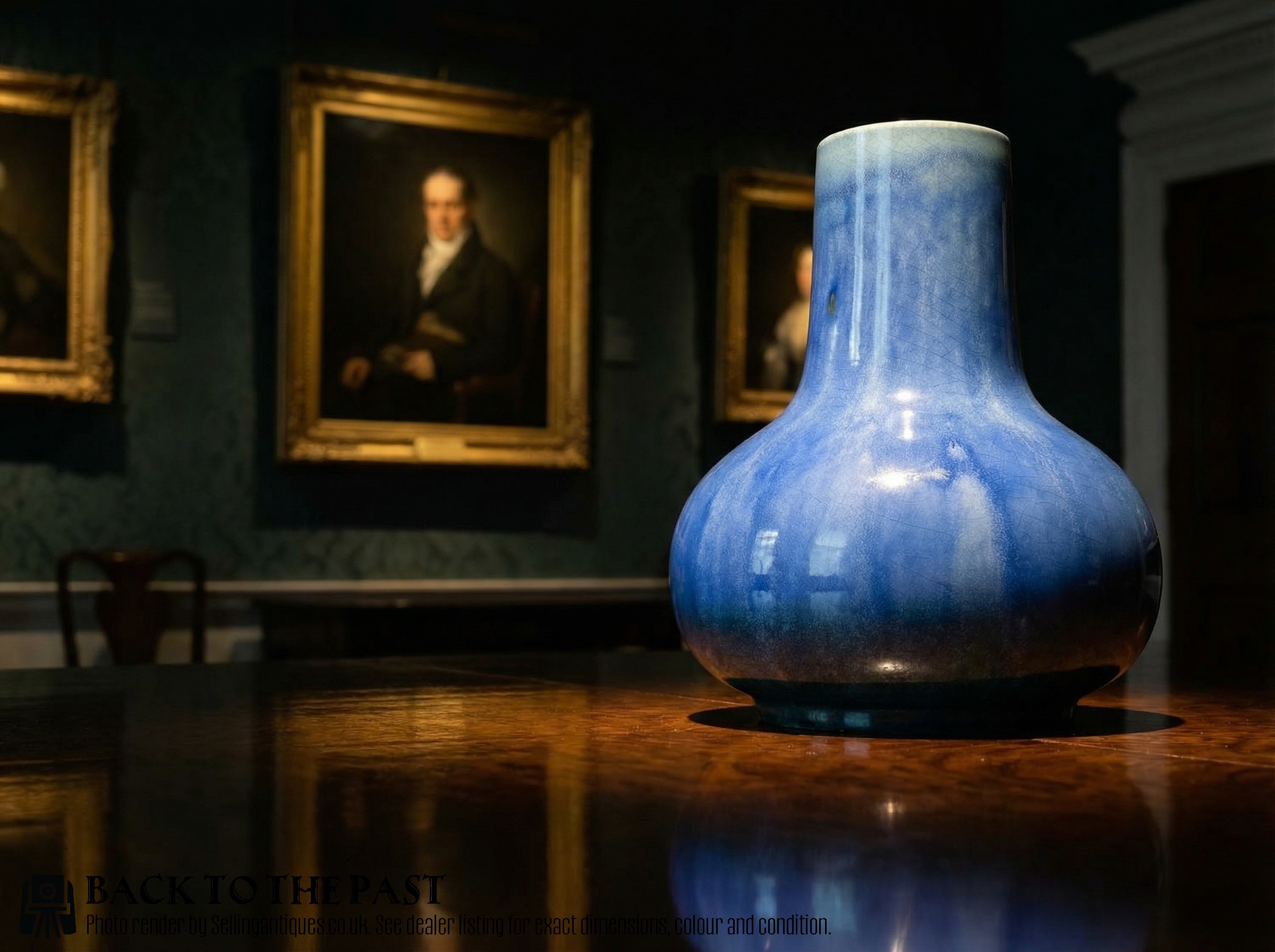
Studio Ceramic Vase
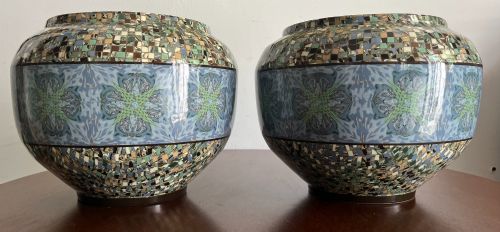
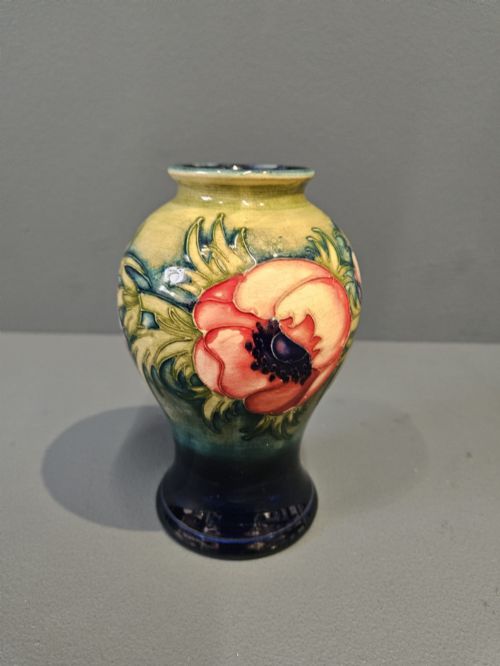
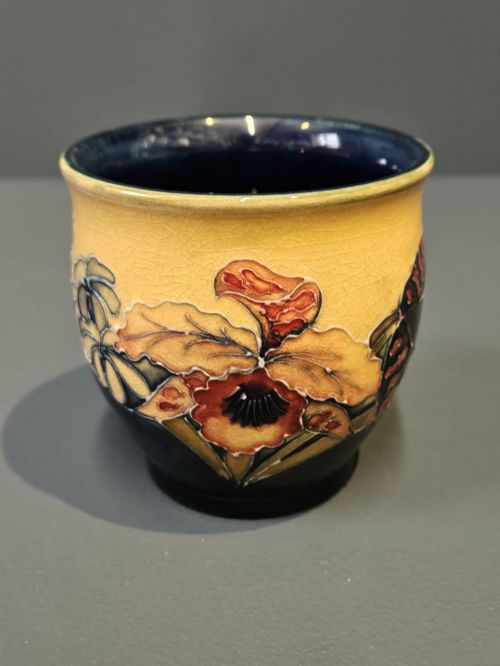
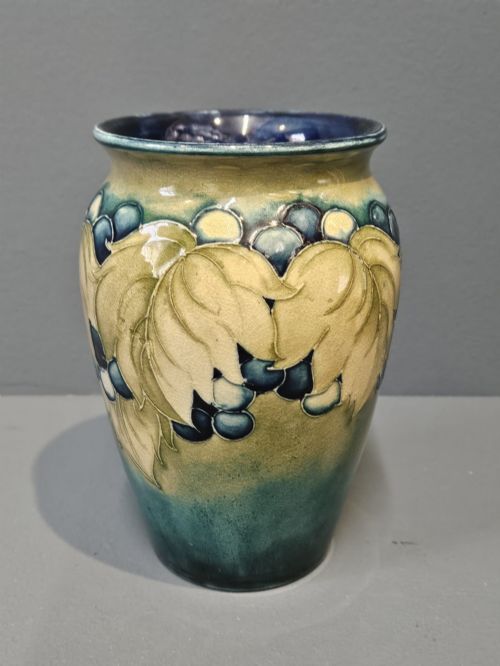
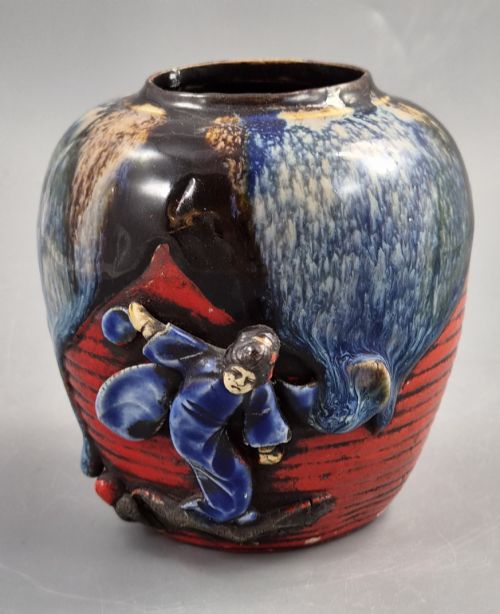
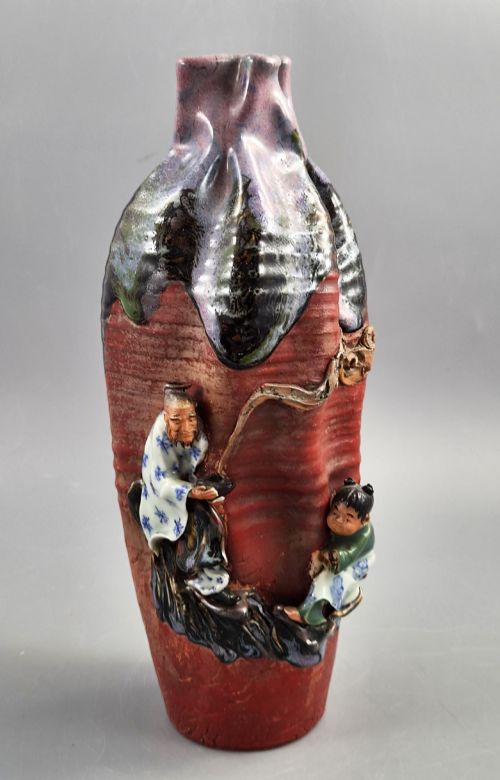
When you search for a studio ceramic vase, you enter a diverse field spanning European art pottery and Japanese traditions from the seventeenth century through the mid twentieth century. The selection ranges from slender trumpet-shaped beakers and globular vessels to large sculptural jars and decorative jugs.
Most pieces you meet here originate from the late nineteenth and early twentieth centuries, capturing movements such as Art Nouveau, Art Deco, Arts and Crafts, and the Meiji period. Makers utilised earthenware, stoneware, porcelain, and heavy glazes to create distinct profiles, whether working in French studios, English potteries, or Japanese kilns.
How they were made
Potters shaped these vessels using earthenware, stoneware, and porcelain, applying techniques that allowed the body of the clay to dictate the final silhouette. Hand-thrown potting combined with sculptural additions, such as applied figures or raised foliage, gave pieces distinct physical presence.
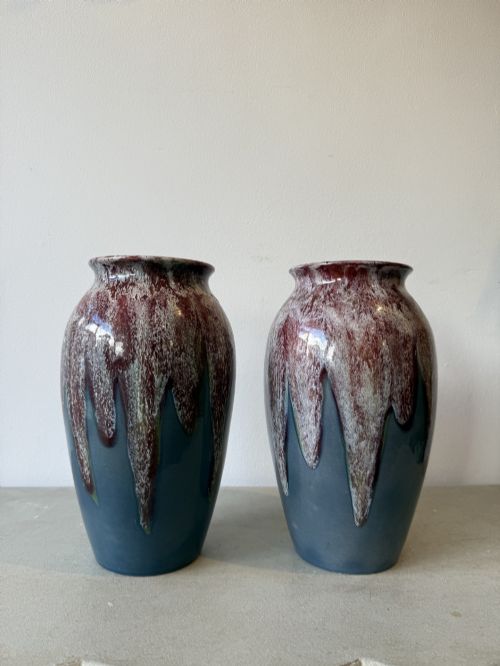
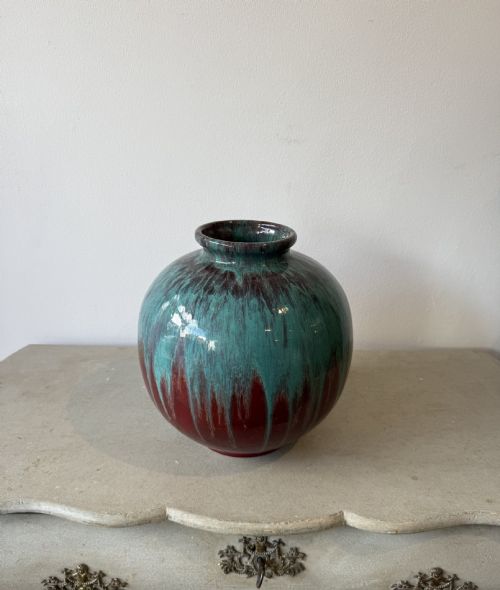
Surfaces received rich treatments including crystalline glazes, flambé effects, drip glazes, and enamel decoration, sometimes enhanced with gold leaf. Kiln reactions during firing determined the final coloration and texture of the glaze, ensuring each vessel emerged with unique variations.
Studio Ceramic Vase Retail Price Guide 2026
Typical asking prices for studio ceramic vase among the pieces listed under this phrase on Sellingantiques today, from the lower quarter to the upper quarter. They describe what is for sale here now, not the wider market.
Listings feature ceramics from eight distinct periods, ranging from the seventeenth century to the mid twentieth century.
What varies in quality
Quality rests upon the harmony between the potter's thrown form and the control or intentional unpredictability of the glaze. Pieces that display confident throwing lines and successful kiln reactions stand apart from routine production.
The sophistication of the painted or sculptural detail defines the upper tier of the range, particularly where artists combined hand-painted enamel scenes or intricate modelled elements with specialised crystalline or flambé finishes.
Moorcroft·Makuzu Kozan·Gallilleo Chini·Robert T Lallement·Sir Edmund Harry Elton·Kinkozan·Richard Joyce·Pilkingtons Royal Lancastrian·Ruskin Pottery·Roger Guerin·Kizan
The Studio Ceramic Vase Glossary
- Celadon
- A pale green or grey-green glaze derived from iron oxide in reduction firing, historically associated with Asian ceramics. It creates a subtle, jade-like surface.
- Flambé glaze
- A rich, streaky glaze produced by copper oxides in a reducing atmosphere, resulting in vibrant purples, blues, and reds that shift across the ceramic body.
- Crystalline glaze
- A specialised finish where visible zinc-silicate crystals form spontaneously within the glossy glaze matrix during cooling, creating star-like patterns.
- Famille Rose
- A palette of opaque enamels dominated by pink, introduced to Chinese porcelain decoration during the Qing dynasty and utilised for narrative and floral scenes.
- Imari
- A Japanese export style employing underglaze blue combined with iron red, gold, and secondary colours on porcelain, popular across the Edo and Meiji periods.
Studio Ceramic Vase: Frequently Asked Questions
How do I date a studio ceramic vase?
Dating relies on identifying maker marks, studio stamps, and stylistic markers tied to specific periods such as the Meiji era or Art Deco movement. Material choices like earthenware versus porcelain also point toward particular decades.
Comparing the glaze type and decorative palette against known historical production helps narrow the timeframe further.
What is the difference between earthenware and stoneware?
Earthenware is fired at lower temperatures, resulting in a porous ceramic body that requires glazing to hold water. Stoneware is fired much higher until the clay vitrifies, making it dense and completely impermeable.
Both materials support distinct glaze effects, with stoneware often carrying heavier, more durable surfaces.
How were flambé glazes created?
Potters applied metallic oxides, principally copper, to the vessel before placing it into a kiln with restricted oxygen flow. The chemical reaction during firing caused the glaze to melt and run in unpredictable, variegated patterns.
This technique produced dramatic colour transitions unique to each individual firing.
How should I display a studio vase?
Place vessels where natural light can interact with the glaze surface, highlighting crystalline formations, drip patterns, or enamel details. Ensure they sit on stable, level surfaces away from heavy foot traffic.
Allowing space around sculptural pieces lets their form and profile remain the primary focus.