



Collectable Art Pottery
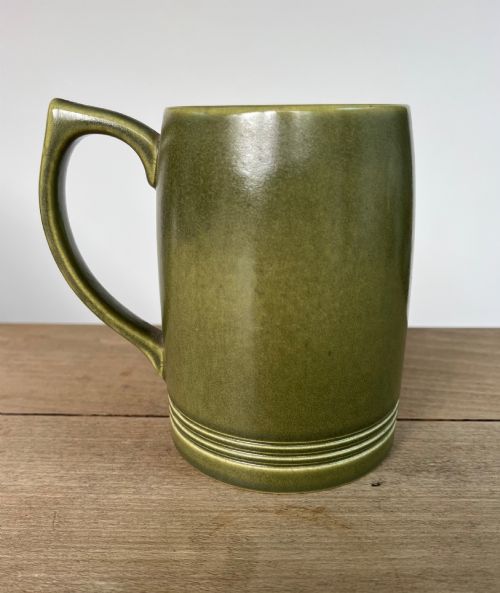
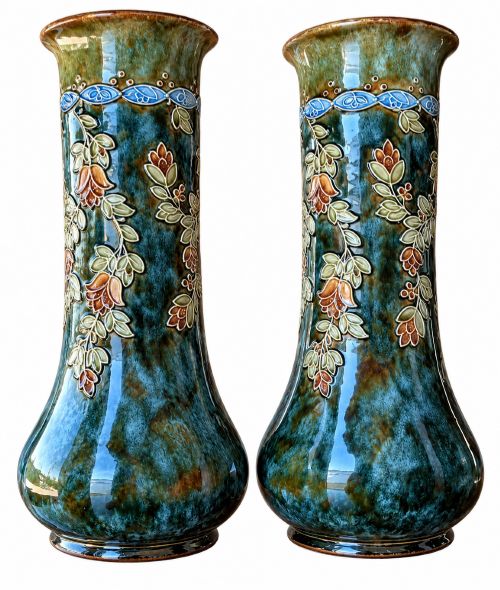
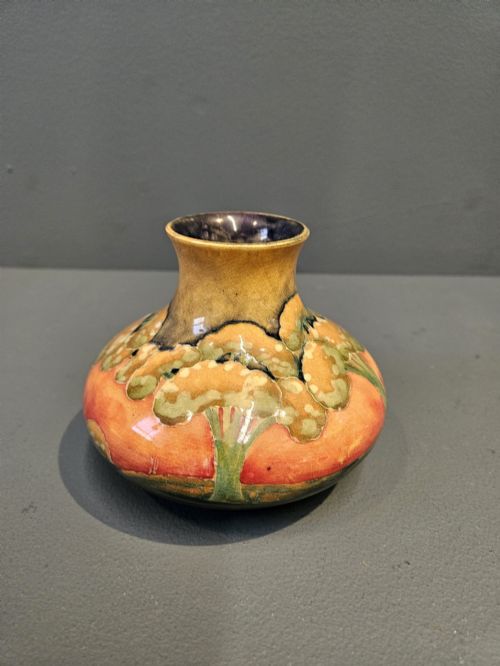
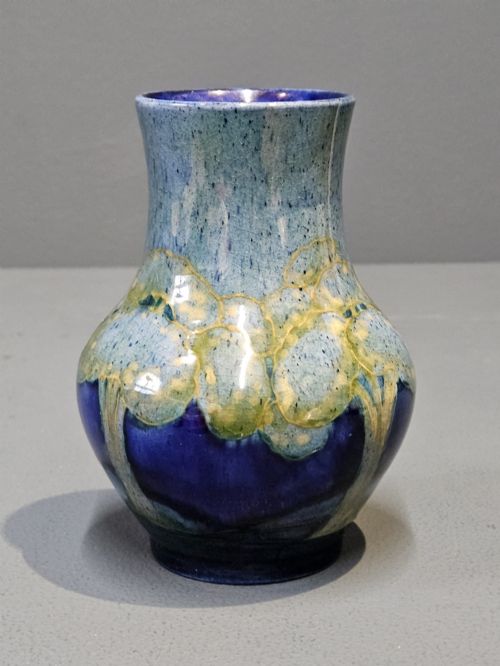
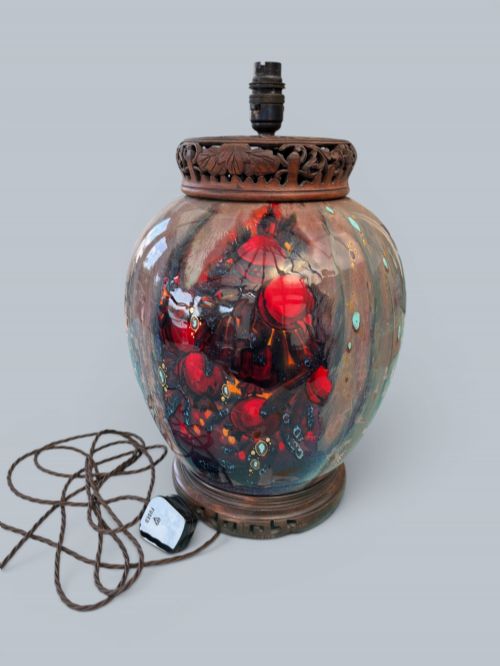
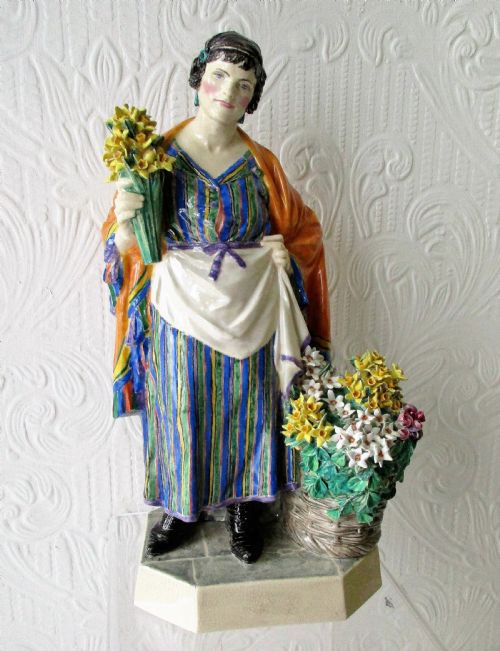
These pieces of collectable art pottery bring vibrant glazes and sculptural forms into a room, offering both history and decorative presence.
Collectable Art Pottery
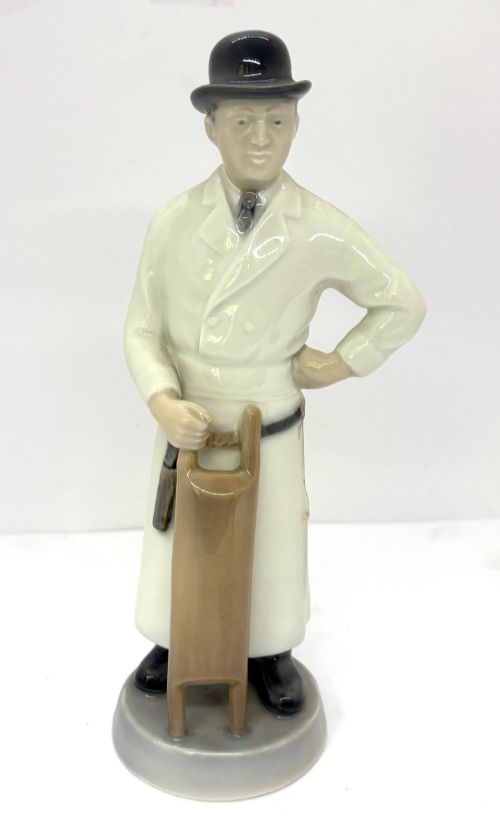
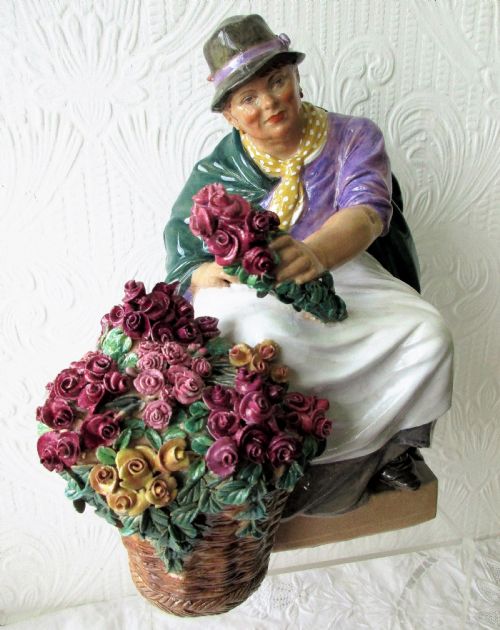
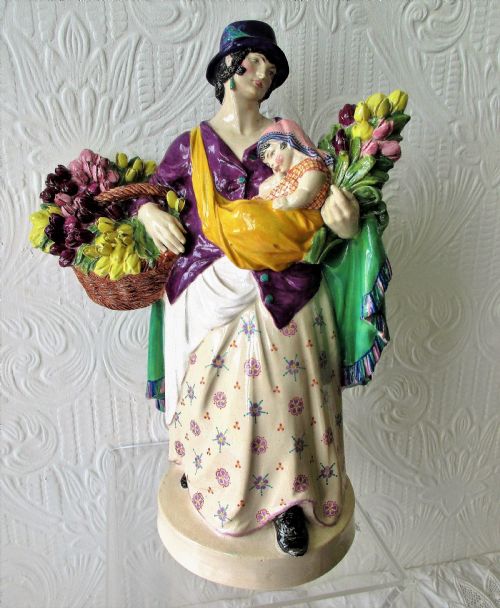
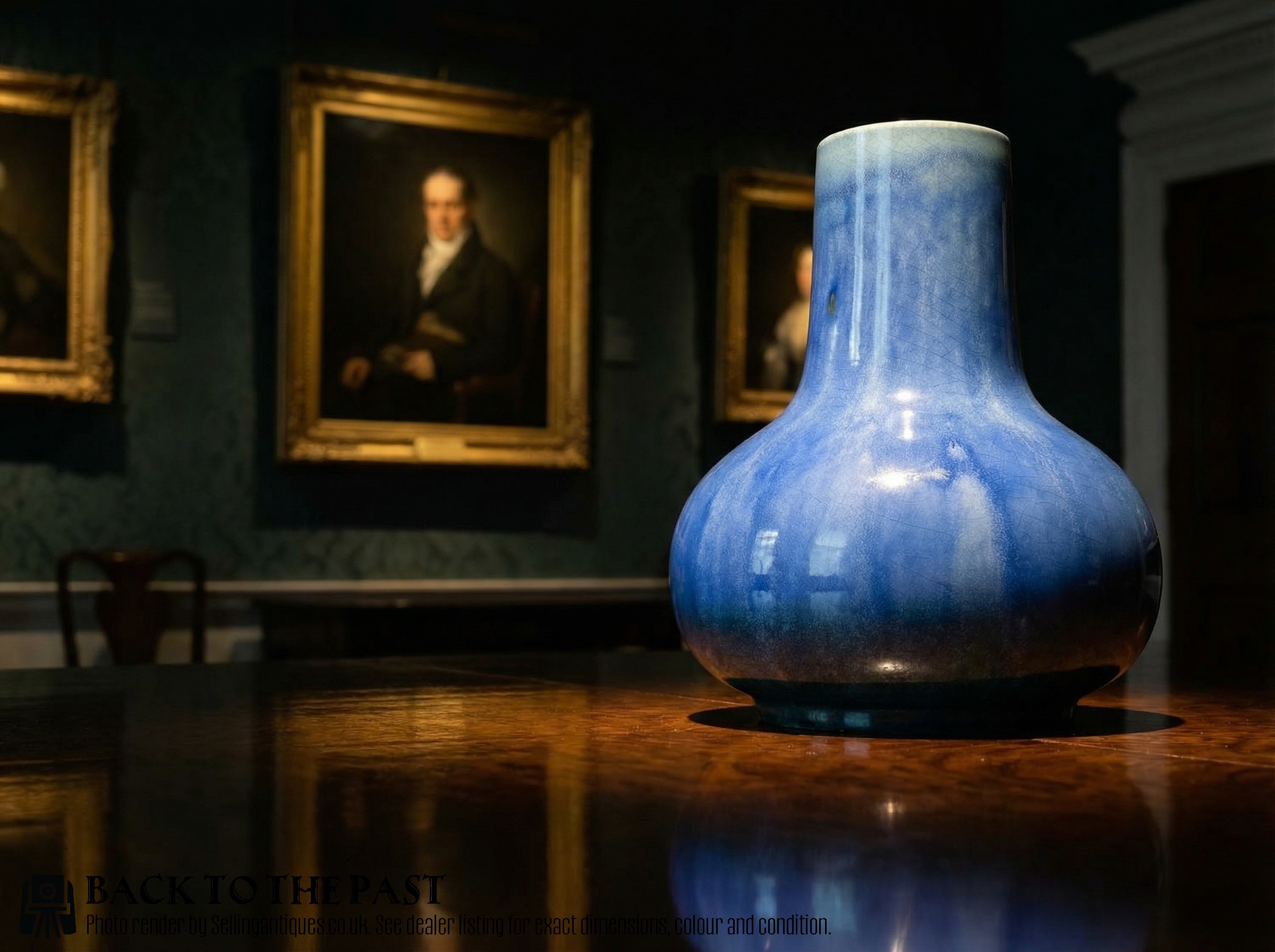
Collectable art pottery encompasses decorative vessels, figurines and lamps produced across the nineteenth and twentieth centuries, spanning periods from the Victorian era through the Art Deco epoch. Buyers seek out these diverse objects for their distinctive glazes, hand-painted motifs and sculptural silhouettes.
The selection on this page centres heavily upon works from the nineteen-twenties and nineteen-thirties, alongside notable examples from the Edwardian period and the nineteenth century. Common forms include vases, decorative bowls and ceramic figurines representing distinct aesthetic movements.
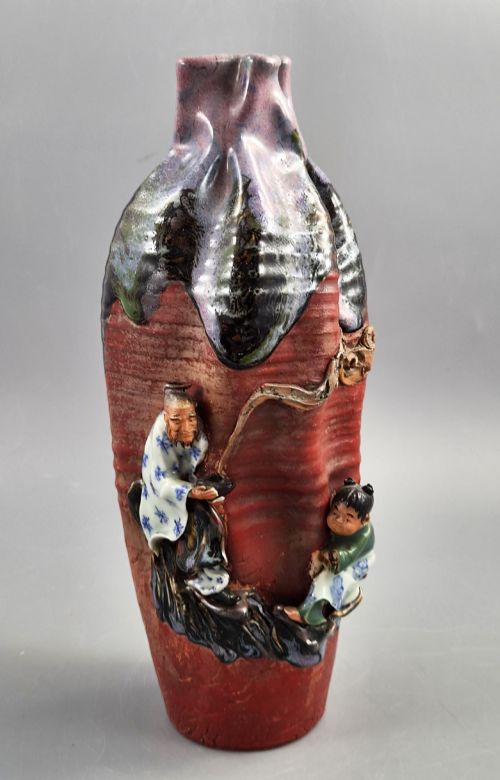
Makers and studios represented span English potteries, French ceramic workshops, Japanese kilns and Dutch manufactories. Pieces range from small miniature bowls to substantial table lamps and sculptural vases.
How they were made
Potters utilised materials such as earthenware, stoneware, porcelain and glazed earthenware, shaping clay on the wheel or casting forms in moulds. Glazes played a central role, with studios applying rich coloured finishes, flambé effects and lustres.
Decoration often involved hand-painted slip designs, incised patterns and applied elements like leaf and berry motifs. Certain works incorporated delicate additions such as gold leaf or enamel details to enhance the finished ceramic surface.
Collectable Art Pottery Retail Price Guide 2026
Typical asking prices for collectable art pottery among the pieces listed under this phrase on Sellingantiques today, from the lower quarter to the upper quarter. They describe what is for sale here now, not the wider market.
Listings feature earthenware, stoneware and porcelain pieces spanning the nineteenth century through the nineteen-forties.
What varies in quality
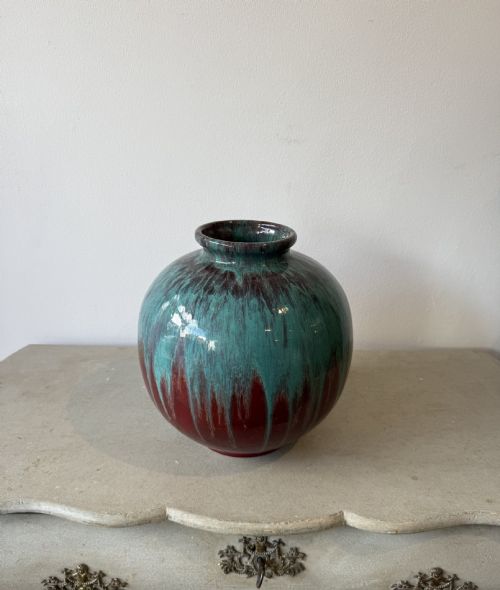
Quality rests in the execution of the glaze and the clarity of the design, where rich lustre effects and deep cobalt or ruby tones distinguish finer examples from standard production. The precision of hand-painted patterns and tube-lining defines the artistic merit of individual pieces.
Signatures, factory marks and artist ciphers add distinction, particularly when a vessel bears the mark of a known designer or a specific studio. The crispness of moulded details in figurines and the balance of form in vases separate standard items from superior works.
Wedgwood·Moorcroft·Charles Vyse·Royal Doulton·Maling·Pilkingtons Royal Lancastrian·Rozenburg·Roger Guerin
The Collectable Art Pottery Glossary
- Lustre
- A metallic glaze technique that produces an iridescent, reflective surface sheen. It was widely utilised on decorative bowls and vases during the early twentieth century.
- Flambé
- A streaked or mottled high-temperature glaze that creates unpredictable colour variations during firing. This technique produces deep, rich hues across the ceramic body.
- Earthenware
- A porous pottery fired at lower temperatures, commonly used for traditional figures, bowls and early money boxes. It requires a glaze to render the vessel watertight.
- Stoneware
- A dense, impermeable ceramic fired at higher temperatures, resulting in a durable body. It frequently appears in studio pottery and heavy decorative vessels.
- Tube-lining
- A decorative method where clay slip is squeezed through a fine nozzle onto the ceramic body to create raised outlines. This technique defines patterns before glazing and firing.
Collectable Art Pottery: Frequently Asked Questions
What is art pottery?
Art pottery refers to ceramic pieces created as decorative art rather than utilitarian domestic ware, typically produced by skilled designers and potteries.
These items range from hand-painted vases to sculptural figurines reflecting movements like Art Nouveau and Art Deco.
How do I identify a Moorcroft piece?
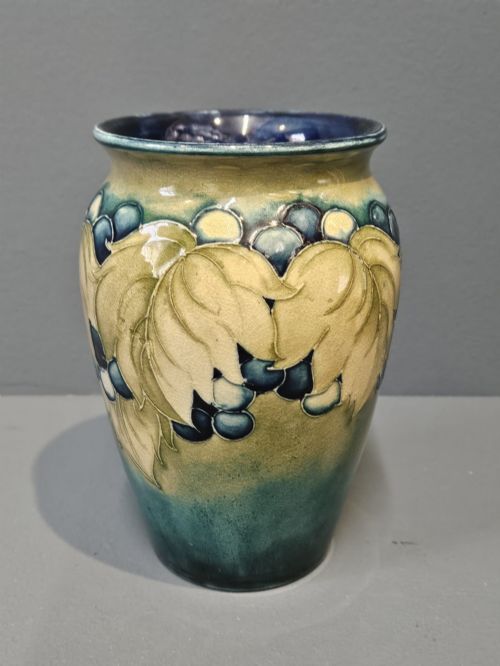
Moorcroft pottery is recognised by its distinctive tube-lined floral and fruit designs, such as the pomegranate or leaf and berries patterns.
Most authentic pieces carry signature marks, initials or stamps on the underside.
What is Fairyland Lustre?
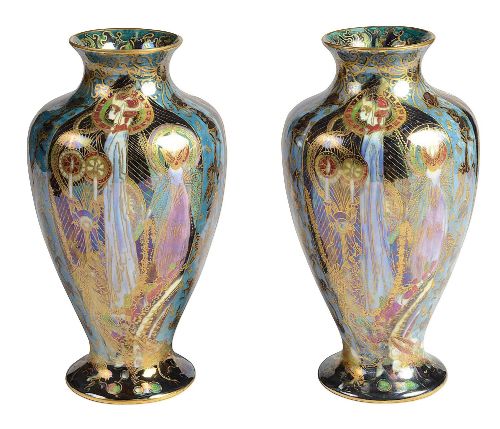
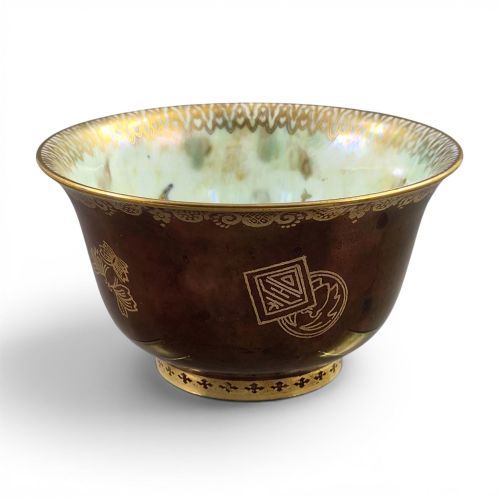
Fairyland Lustre is a decorative ceramic line designed by Daisy Makeig-Jones for Wedgwood, featuring fantastical scenes with goblins, elves and mythical landscapes.
These pieces are celebrated for their rich ruby, green and blue iridescent glaze effects.
How should I display art pottery at home?
Display these ceramics in areas with stable lighting and secure surfaces where their glazes and forms can be appreciated from multiple angles.
Vases and bowls work well on sideboards or mantelpieces, while figurines require stable shelves away from heavy foot traffic.