

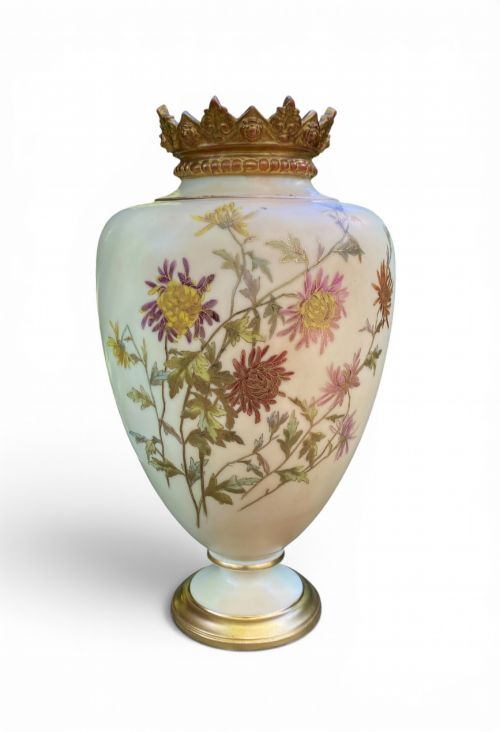


British Ceramic Vessel
A british ceramic vessel brings centuries of studio experimentation and decorative craft directly to the mantelpiece or cabinet.
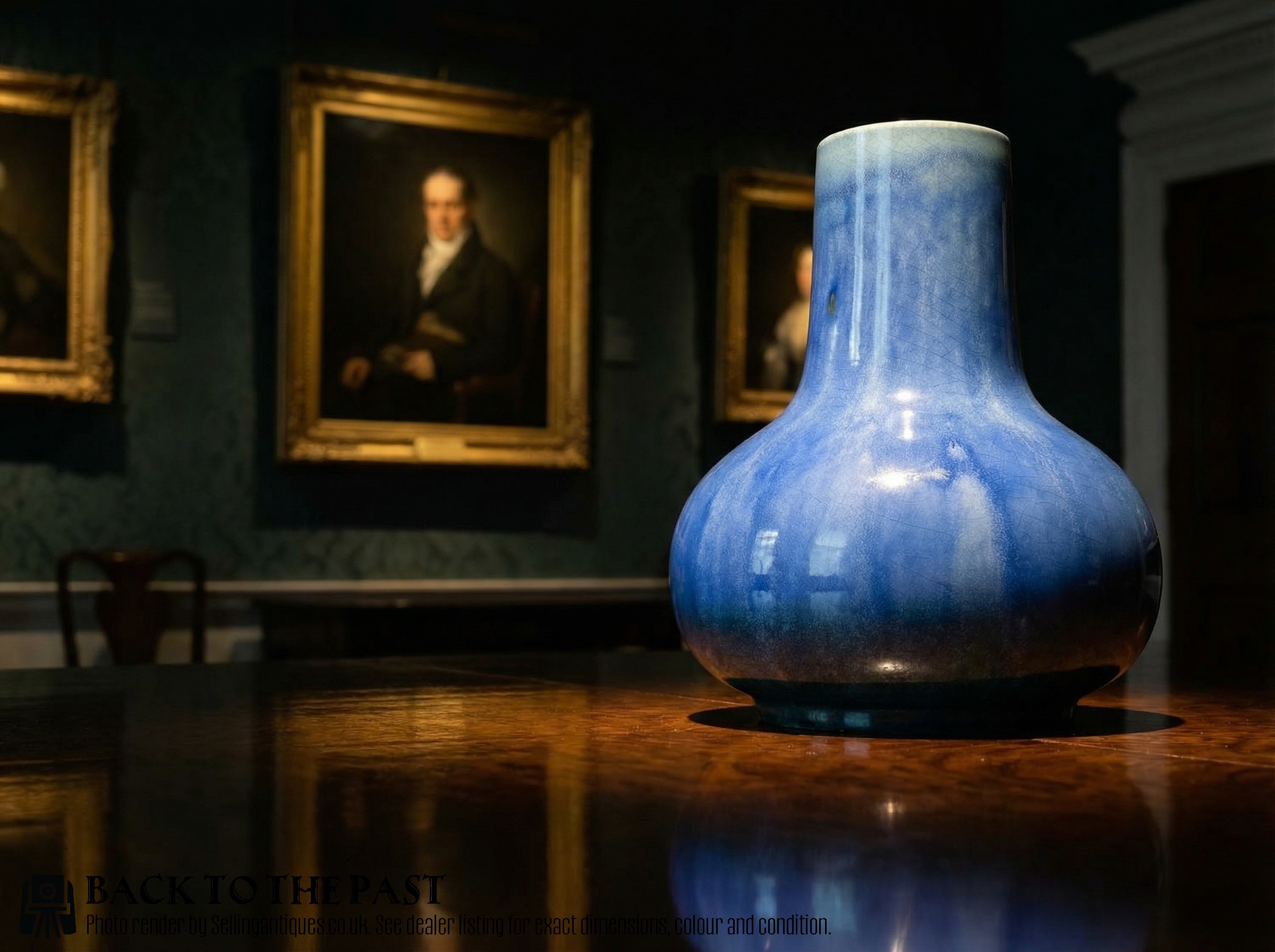
British Ceramic Vessel
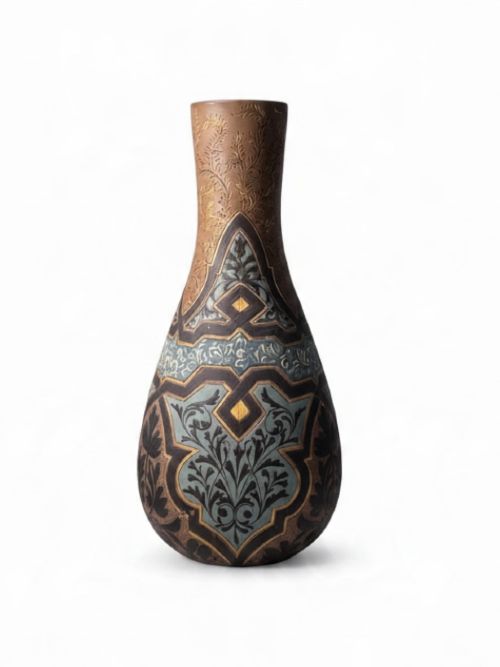
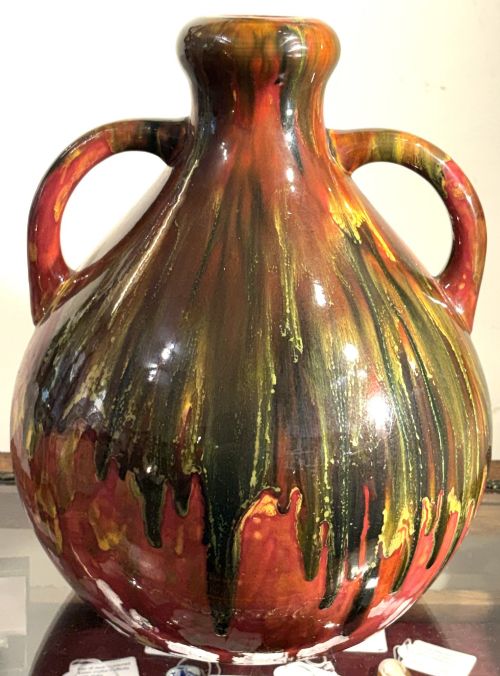
A british ceramic vessel encompasses utilitarian forms and decorative showpieces made across the nineteenth and twentieth centuries. Buyers seeking these works encounter vases, teapots, ewers, and commemorative pieces produced during the Victorian, Edwardian, and Art Deco periods.
The selection on this page leans heavily toward studio and art pottery from famous English potteries. These range from functional jugs and beakers to grand twin-handled vases and umbrella stands.
Makers utilised various traditional forms alongside modern silhouettes influenced by the Aesthetic Movement and Arts and Crafts design. Each object reflects the prevailing taste of its decade, from intricate handpainted wildlife scenes to robust salt-glazed utilitarian bodies.
How they were made
Makers fashioned these pieces from earthenware, stoneware, and porcelain, shaping bodies on the potter's wheel or casting them in moulds. Artisans then applied specialised glazes, ceramic glaze mixtures, and enamel decorations before firing the vessels in kilns.
Surface treatment defines much of this work, combining thrown clay with incised patterns, slip decoration, and handpainted details. Certain pieces incorporate precious metal mounts, attaching silver rims or handles to the finished ceramic body.
British Ceramic Vessel Retail Price Guide 2026
Typical asking prices for british ceramic vessel among the pieces listed under this phrase on Sellingantiques today, from the lower quarter to the upper quarter. They describe what is for sale here now, not the wider market.
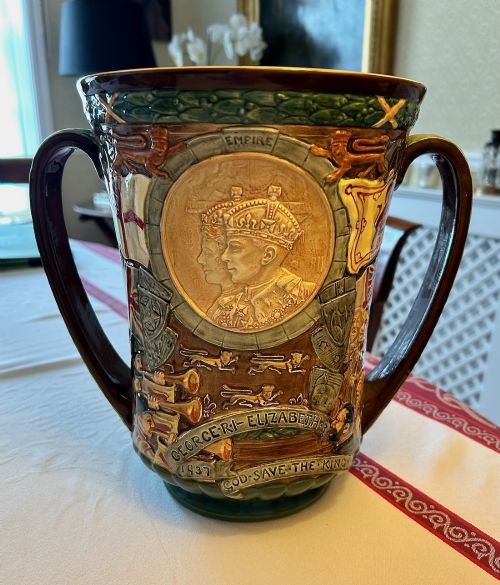
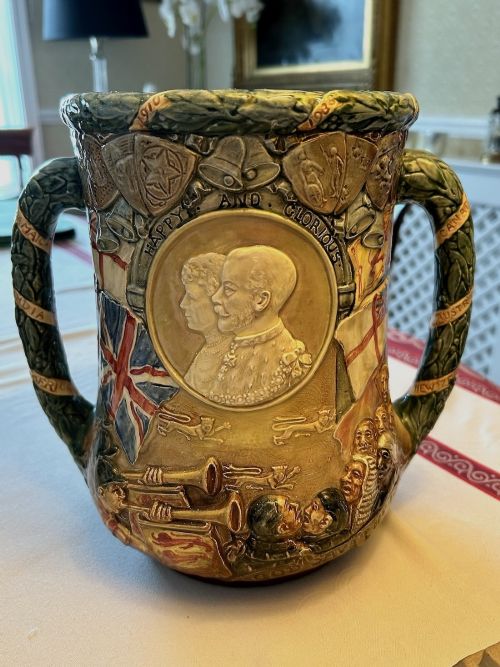
Several makers immortalized royal coronations and jubilees by turning monarchs into commemorative drinking vessels.
What varies in quality
Quality rests in the ambition of the form and the skill of the surface decoration. Handpainted examples featuring named artists command attention through precise brushwork and thoughtful composition.
The execution of the glaze and the crispness of incised or moulded details separate standard production items from exceptional studio pieces. Weight, balance, and the harmony between glaze and clay body dictate the overall success of the vessel.
Royal Doulton Lambeth·Royal Worcester·Moorcroft·Fulham Pottery·Poole Pottery Carter Stabler Adams·Burmantofts
The British Ceramic Vessel Glossary
- Earthenware
- Porous pottery fired at lower temperatures, requiring a glaze to hold liquids. This material forms the base of many traditional domestic vessels.
- Stoneware
- Dense, impermeable ceramic fired at high temperatures until the clay vitrifies. It provides a durable canvas for salt-glaze and textured finishes.
- Porcelain
- Fine, white, translucent ceramic created from kaolin and petuntse. It represents the height of refinement in British ceramic production.
- Ewer
- A large jug with a wide spout and flared handle, traditionally used for holding water or wine. In decorative contexts, it serves purely as an ornamental display piece.
- Tyg
- A large drinking vessel featuring multiple handles designed to be passed around a company. Early examples typically take a robust ceramic form.
British Ceramic Vessel: Frequently Asked Questions
How do I clean an antique ceramic vessel?
Dust gently with a dry, soft cloth to remove everyday surface particles.
Avoid submerging pieces with silver mounts or delicate enamels in water to protect the materials from moisture damage.
Can I use these vases for fresh flowers?
Stoneware and glazed porcelain vessels generally hold water safely for display purposes.
Porosity varies in older earthenware, so inspect the interior glaze before filling any antique vessel.
How do I identify the date of a piece?
Examine the base for maker marks, impressed stamps, and registration numbers left by the pottery.
Stylistic cues such as Art Nouveau curves or Art Deco geometries also help narrow down the decade of production.
What is the difference between art pottery and utilitarian ware?
Art pottery focuses primarily on decorative aesthetics, experimental glazes, and individual artistic expression rather than daily utility.
Utilitarian pieces prioritize functional service, though many manufacturers successfully combined both qualities.