
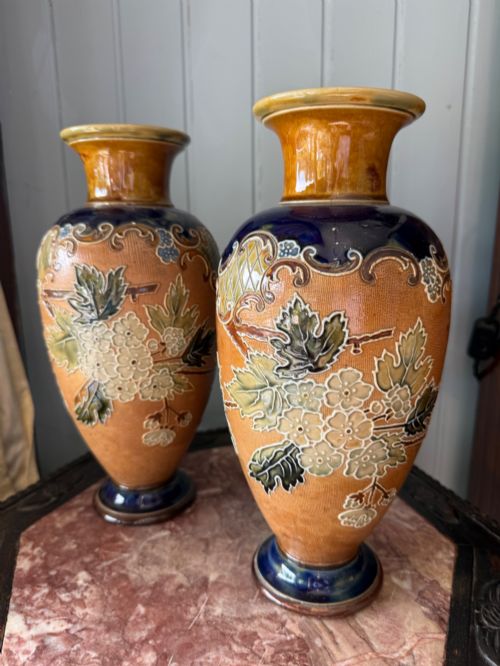
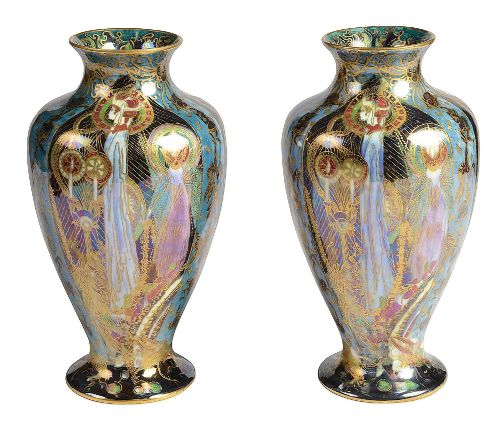
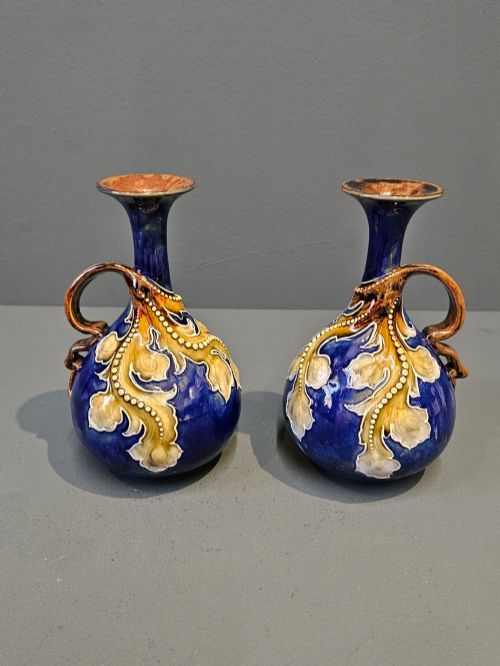
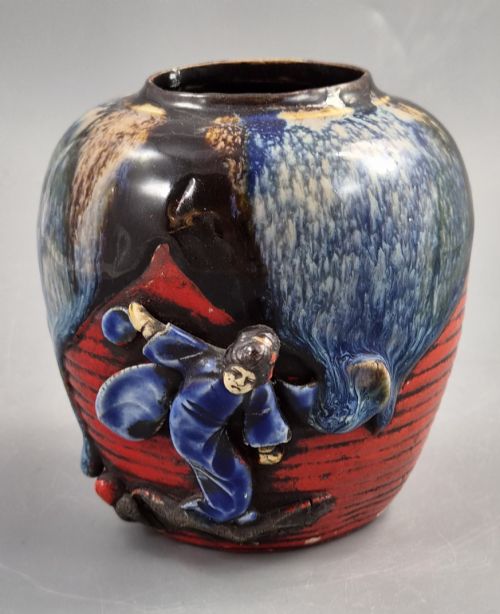
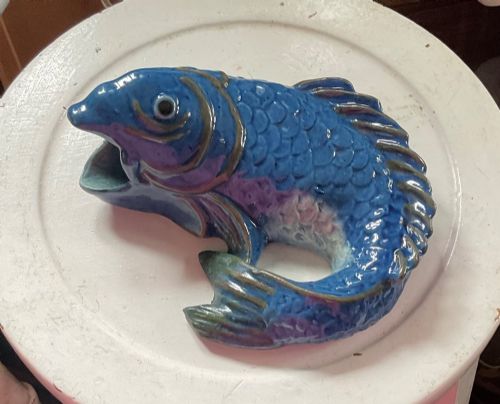
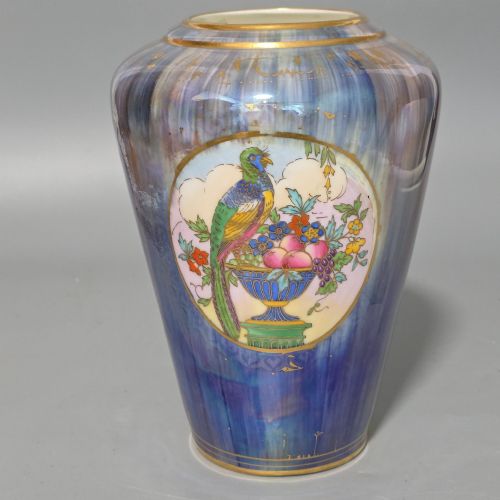


Blue Art Pottery Vase
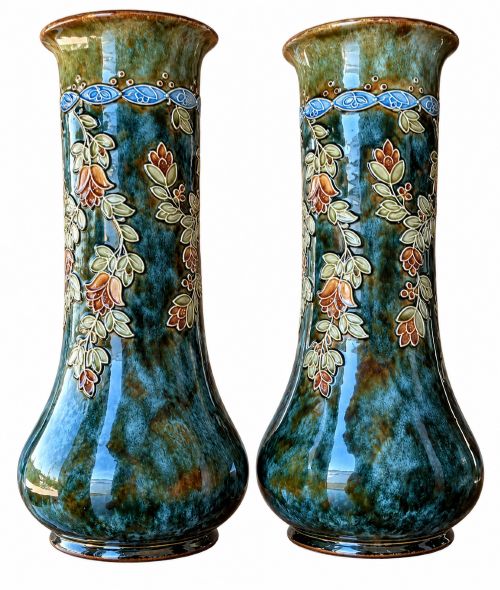
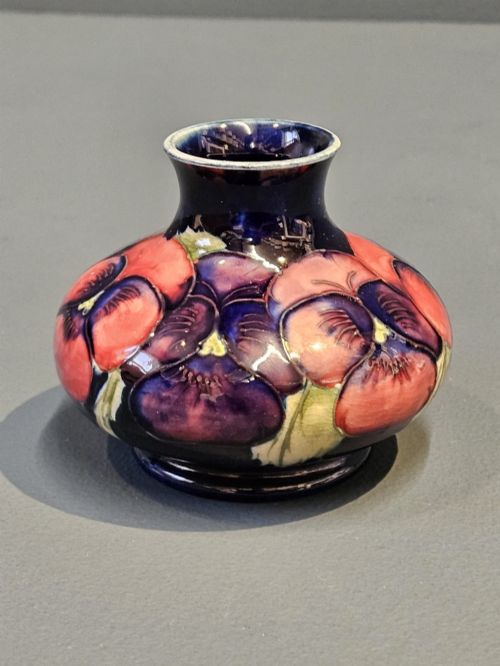
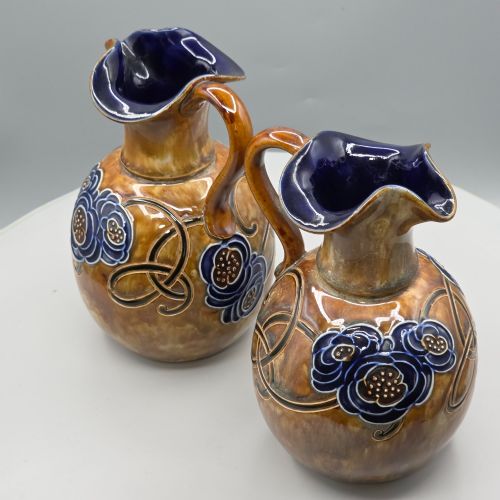
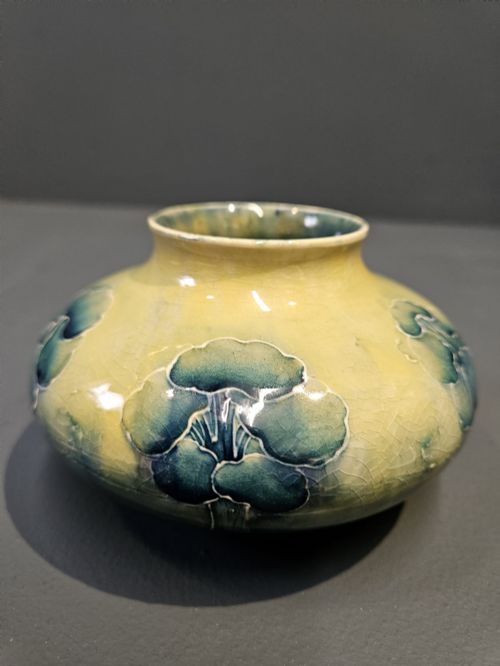
A blue art pottery vase brings rich colour and tactile surface design into a room, rooted in the creative movements of the late nineteenth and early twentieth centuries.
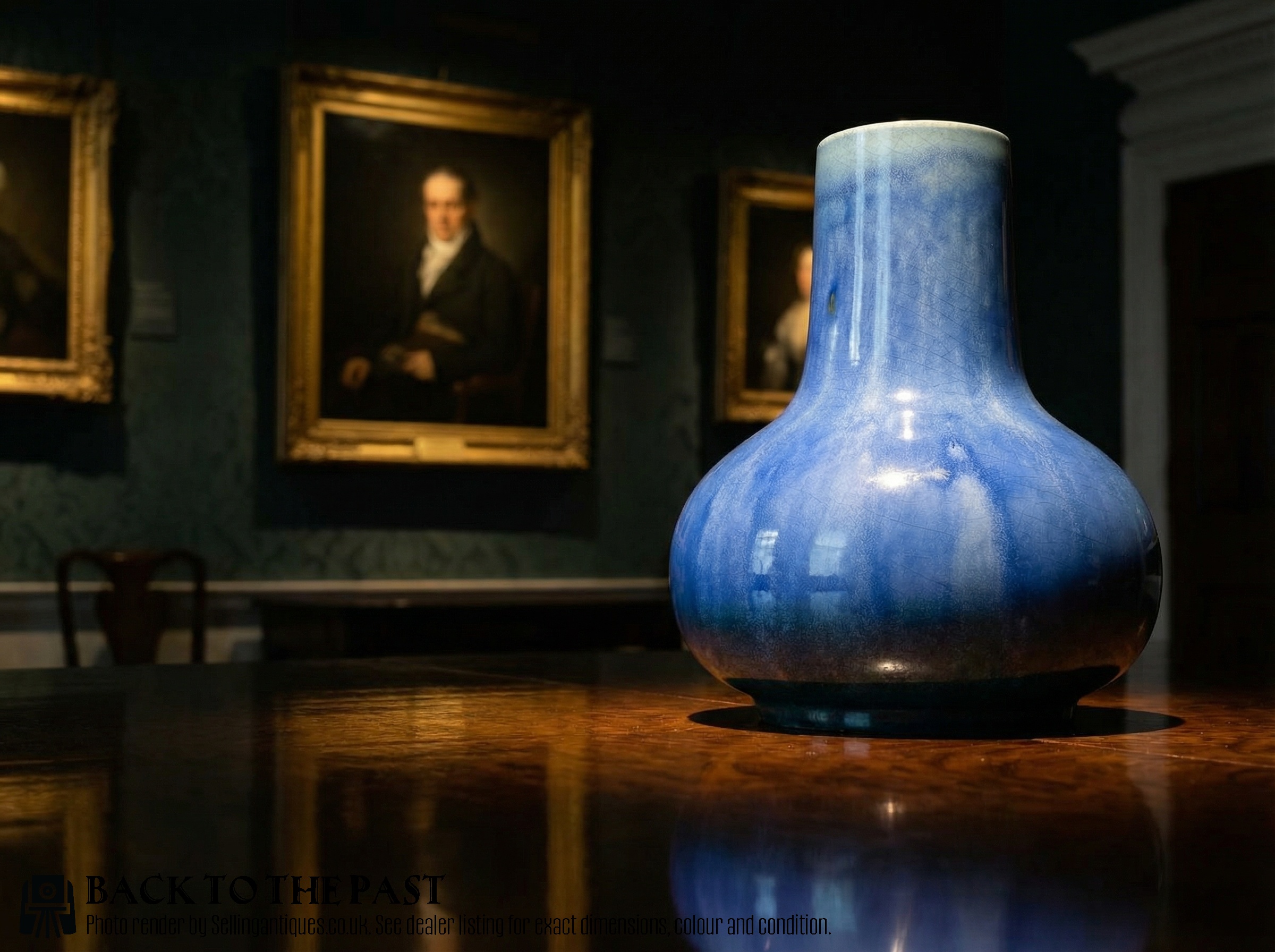
Blue Art Pottery Vase
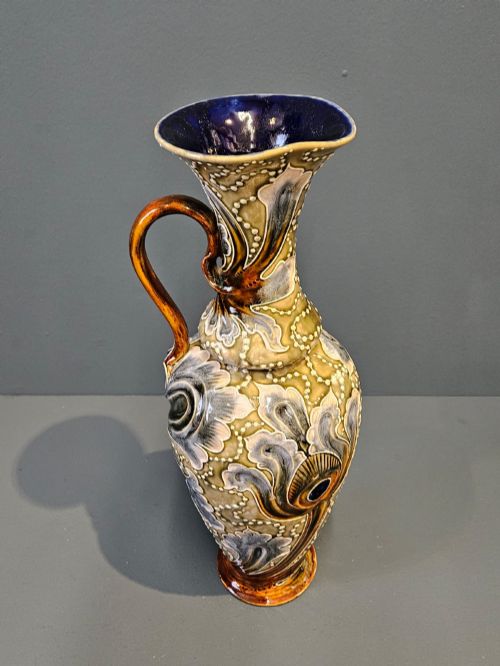
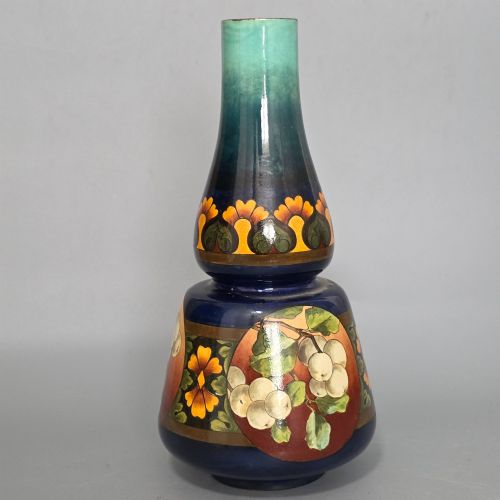
A blue art pottery vase represents a period of immense experimentation by studio potters and major commercial potteries alike during the late Victorian, Edwardian, and Art Deco eras.
Buyers seeking this form encounter robust stoneware, delicate earthenware, and lustrous porcelain originating from British, European, and Japanese makers.
The selections span from intimate cabinet pieces to substantial baluster vessels and wall pockets decorated in distinct regional styles.
Art Nouveau and Arts & Crafts designs dominate the forms, reflecting nature-inspired motifs and hand-finished glazes.
Materials and production
Potters utilised durable stoneware and refined earthenware bodies, shaping them on the wheel or casting them in moulds before applying intricate surface decoration.
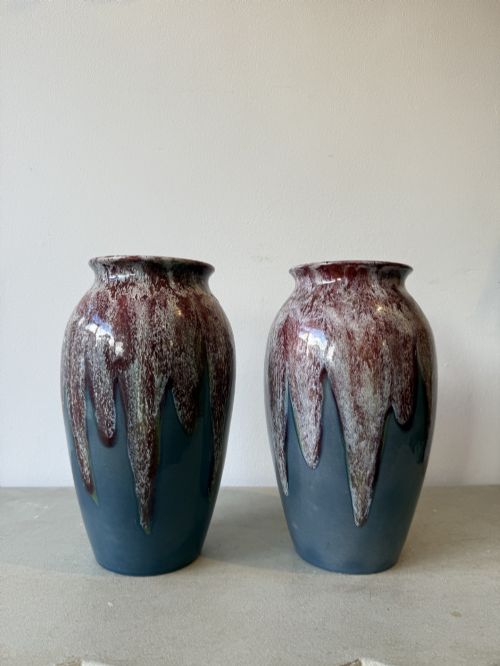
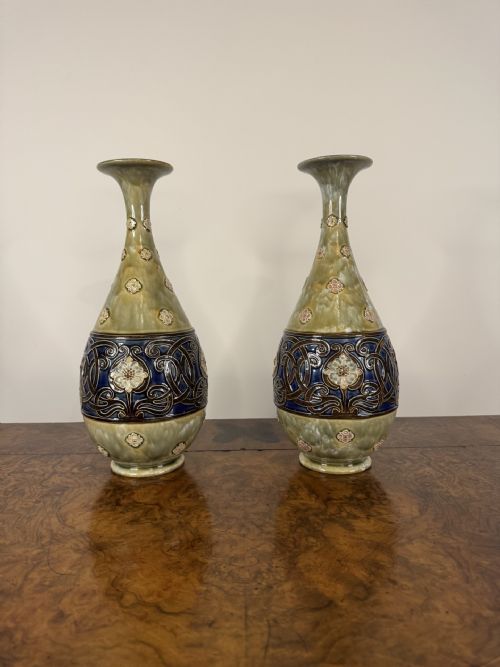
Glazes define the visual impact, ranging from rich cobalt and crystalline washes to flowing flambé and enamel highlights that interact directly with the clay body beneath.
Decorated jugs, wall pockets, and baluster vases represent the primary functional forms found across the selection.
Assessing quality
The distinction between standard production wares and exceptional pieces rests upon the precision of the hand-painted or incised decoration and the depth achieved within the glaze.
Individual artist involvement, evident in signed cased pieces or specific decorator monograms, elevates a vessel above factory output.
The harmony between the chosen form and the reactive qualities of the fired surface dictates the overall visual success of the piece.
Royal Doulton·Moorcroft·Wedgwood·Wileman·Minton·Lauder Pottery·Brannam·Carlton Ware
The Blue Art Pottery Vase Glossary
- Stoneware
- A robust, vitrified ceramic fired at high temperatures, making it impermeable to water even without glaze. Doulton Lambeth utilised this material extensively for textured relief work.
- Lustre
- A type of ceramic glaze containing metallic salts that produce an iridescent, shimmering surface upon reduction firing. Wedgwood and Minton employed this technique for rich optical effects.
- Baluster
- A vertical architectural form swelling gently towards the base, frequently adapted for ceramic vases. This shape provides a stable foundation for complex floral and geometric patterns.
- Earthenware
- Porous pottery fired at lower temperatures, requiring an impermeable glaze to hold liquids. It serves as the primary canvas for many painted Art Nouveau and Art Deco designs.
Blue Art Pottery Vase: Frequently Asked Questions
Were these vessels used for flowers or display?
Many examples were created as purely decorative cabinet pieces, intended to showcase the technical skill of the pottery and the modern artistic tastes of the home. Their intricate surface designs and refined glazes meant they functioned as sculptural objects rather than utility items.
Larger or more robustly potted stoneware vessels could certainly hold water and stems, but collectors generally evaluate them based on their decorative presence in an interior.
How do I distinguish Art Nouveau from Art Deco pieces?
Art Nouveau designs, prevalent around the turn of the twentieth century, feature fluid, asymmetrical lines and organic motifs inspired by stems, flowers, and natural forms. The palette often relies on deep blues, greens, and flowing crystalline glazes.
Art Deco items from the subsequent decades lean towards structured geometry, stylised symmetry, and vibrant contrast. The forms become more architectural, reflecting industrial progress alongside traditional craft.
What is the significance of artist signatures on the base?
Signatures, monograms, and impressed ciphers reveal the specific hand of the decorator or studio potter responsible for the piece's surface execution. Major potteries like Doulton employed skilled artists who specialised in pate-sur-pate, impasto, or floral incising.
Identifying these marks connects the physical object to a documented artisan, adding historical context and individuality to mass-produced or studio runs.