




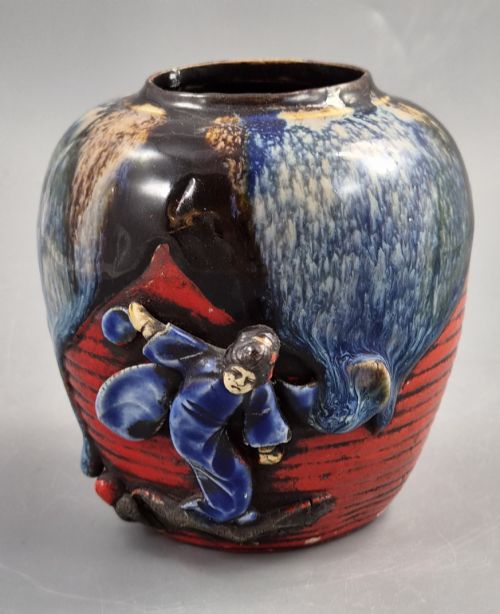
Antique Japanese Pottery Vase
These antique japanese pottery vase pieces span the Meiji period through to the early twentieth century, offering finely painted earthenware and heavy stoneware forms that collectors seek for display.
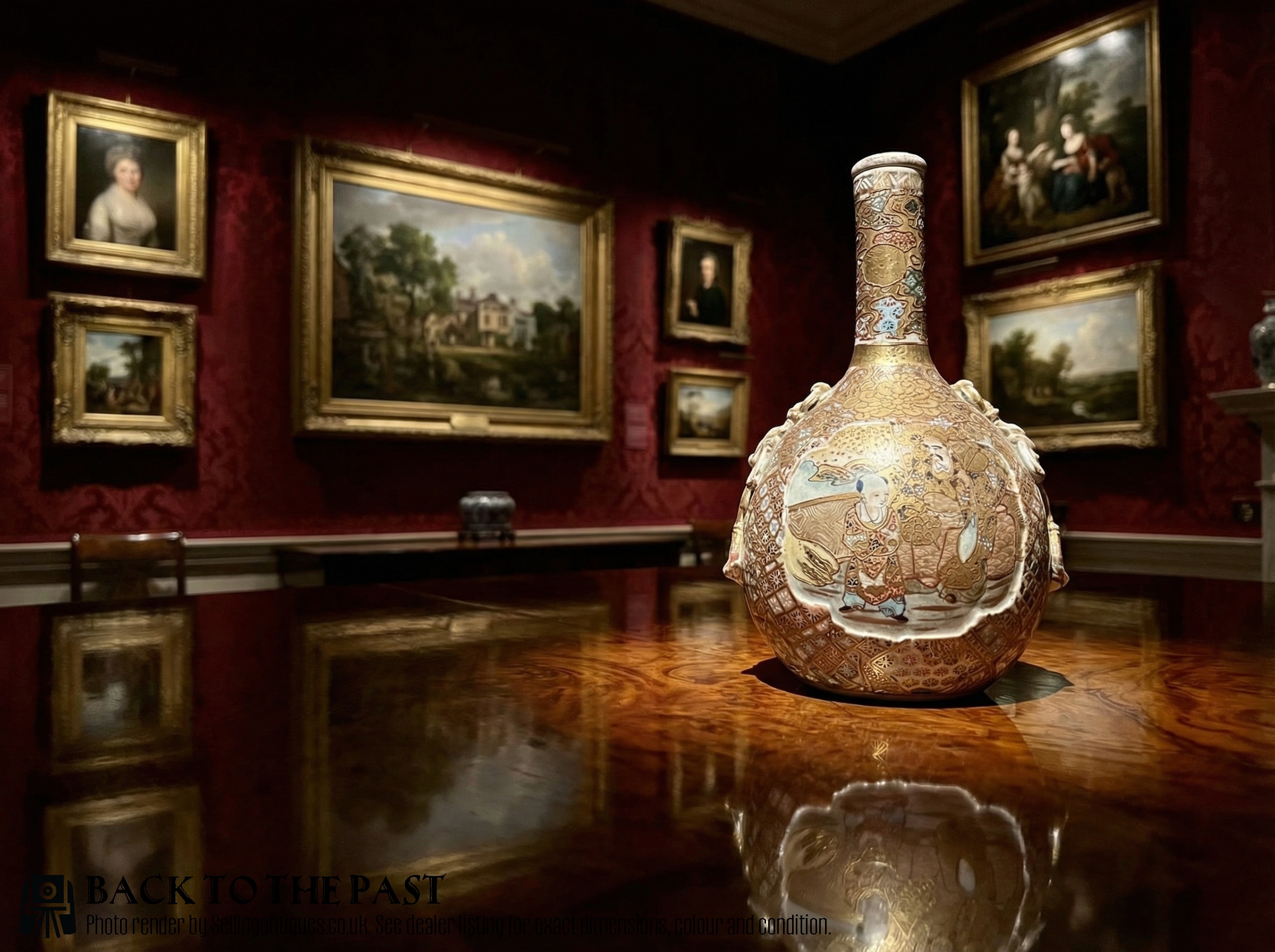
Antique Japanese Pottery Vase
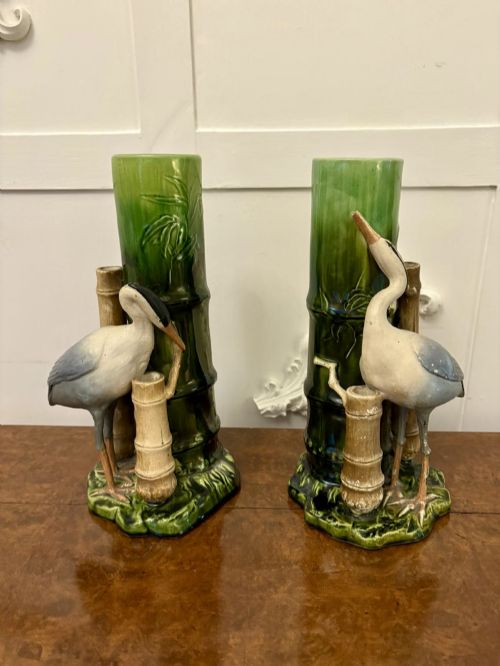
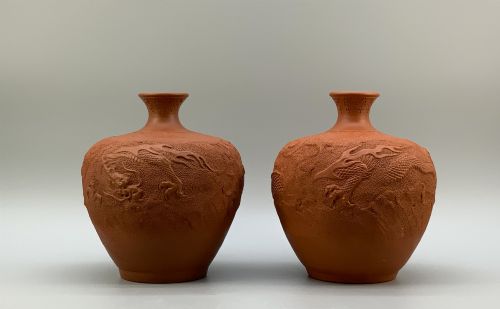
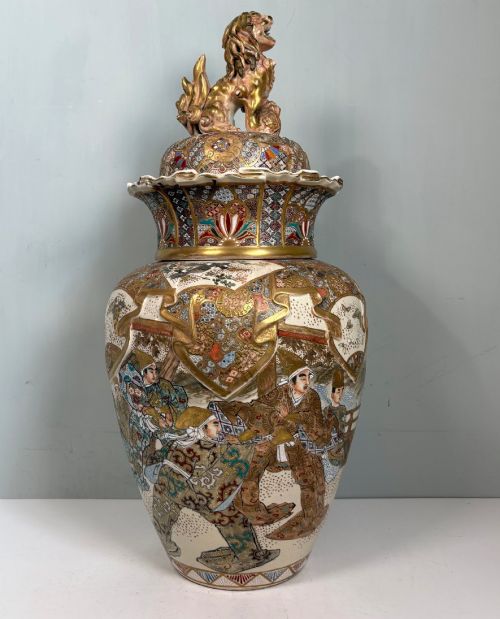
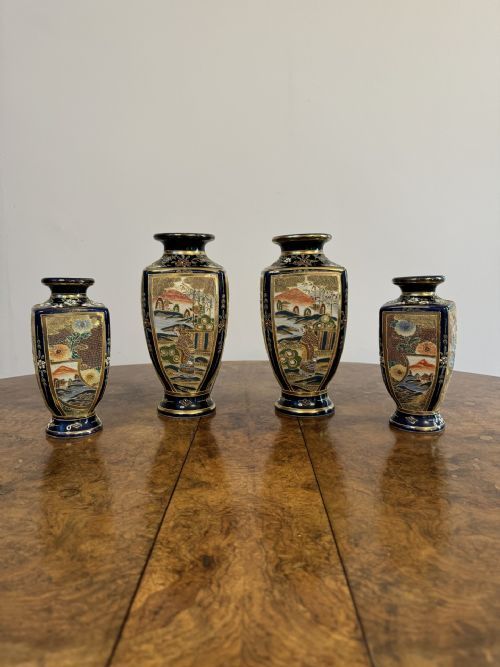
An antique japanese pottery vase comes in several distinct regional styles, most notably the creamy crackle-glazed earthenwares of Satsuma, the heavily sculpted and dripped flambé glazes of Sumida Gawa, and the rich iron-red and blue porcelain of Imari. These items range from small baluster shapes and ginger jars to tall garnitures and pitchers designed for display or utility.
Most examples originate from the Meiji, Taishō, and early Shōwa periods, reflecting decades of intense craftsmanship exported to Western markets during the late nineteenth and early twentieth centuries. Makers utilised traditional hand-building and throwing techniques, often pairing ceramics with intricate enamel and gold leaf decoration.
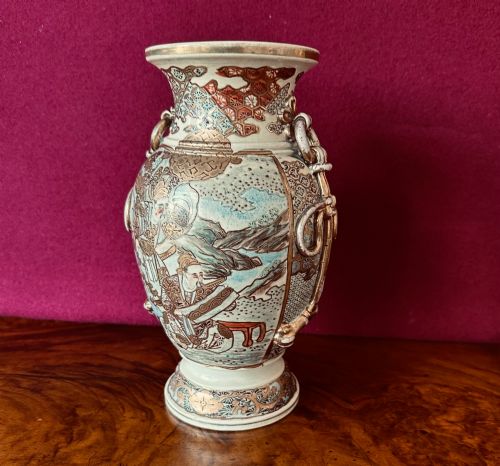
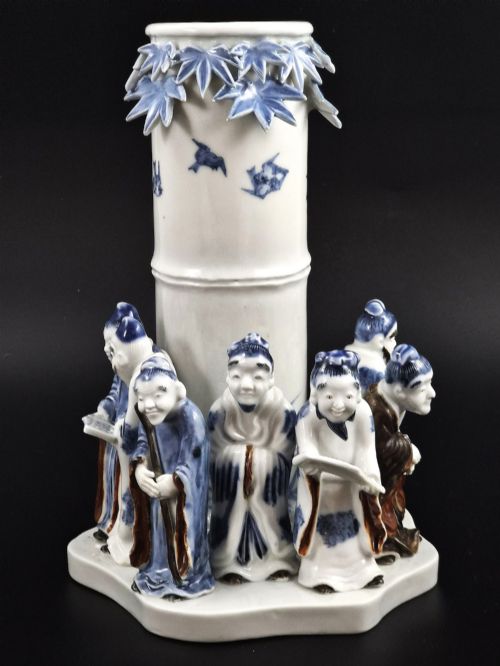
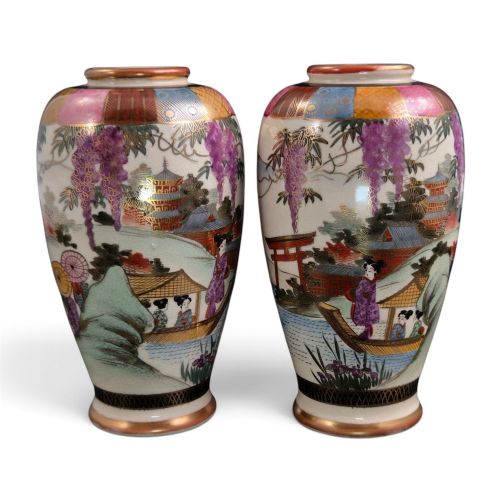
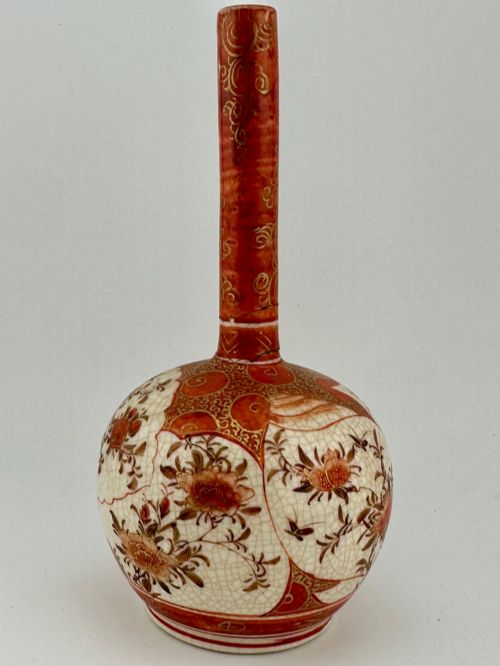
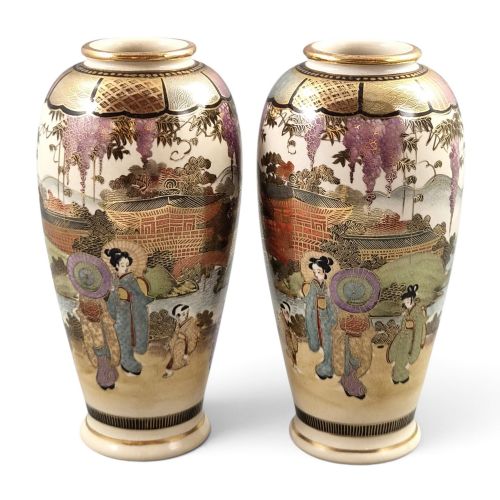
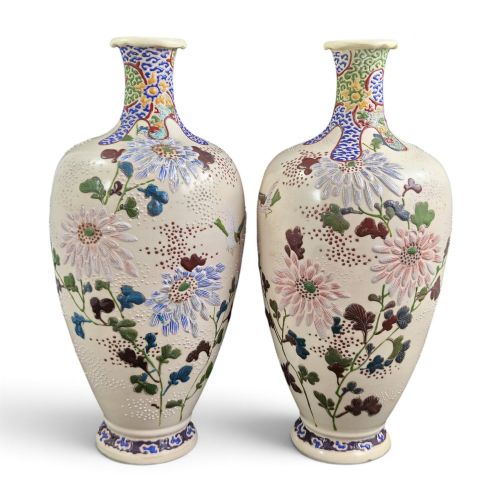
On this page, buyers frequently encounter Satsuma ware featuring figurative scenes of sages and dragons alongside Sumida Gawa pieces with characteristic applied figures and pinched rims. The selection also includes Kutani and Tokoname productions, showing the breadth of Japanese ceramic artistry from this era.
How they were made
Potters shaped earthenware, stoneware, and porcelain bodies by hand or on the wheel before applying specialised mineral glazes and underglaze pigments. Sumida Gawa wares often display thick, uneven flambé glazes alongside distinct applied clay figures, while Satsuma pieces rely on a fine, porous earthenware base covered in a characteristic network of micro-crackle glaze.
Makers embellished these ceramic surfaces with detailed overglaze enamels and raised gold leaf, particularly on Satsuma and Kutani vessels depicting figures such as Rakan, dragons, and landscapes. Firing took place in traditional kilns where temperature variations produced the deep blues, reds, and lavender effects seen in the final glazes.
Antique Japanese Pottery Vase Retail Price Guide 2026
Typical asking prices for japanese pottery vase among the pieces listed under this phrase on Sellingantiques today, from the lower quarter to the upper quarter. They describe what is for sale here now, not the wider market.
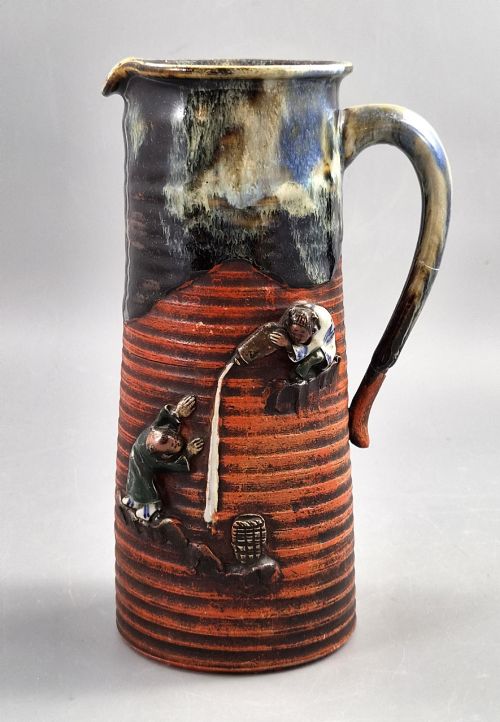
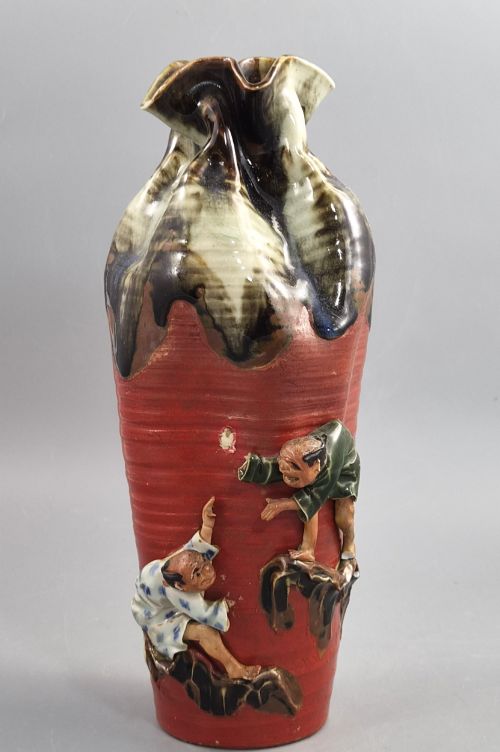
Several vases feature tiny, hand-modelled sages and children stubbornly climbing up the exterior walls as if attempting to escape the glaze.
What varies in quality
Quality rests primarily on the crispness and control of the hand-painting, the complexity of the modelled figures, and the prestige of the studio or workshop mark. Finer Satsuma pieces exhibit microscopic, even crackle within the glaze and precise, densely packed figural work without blurring or pooling of the enamels.
The sculptural ambition of the piece also separates standard production from superior examples, as seen in the depth of applied figures on Sumida Gawa vases or the complexity of thousand-butterfly and arhat motifs. Well-preserved gilding and intact original boxes further elevate the standing of an individual vessel.
Maruni Kobe·Shozan·Inoue Ryosai·Ban-ni·Manpei·Kinzan·Hotoda·Makuzu Kozan
The Antique Japanese Pottery Vase Glossary
- Satsuma
- Earthenware pottery originating from the Satsuma domain, known for its ivory-coloured body and fine crackle glaze. It is typically decorated with elaborate overglaze enamels and gilt portraits of figures and landscapes.
- Sumida Gawa
- Japanese pottery and stoneware produced near Tokyo, characterised by heavy flambé glazes and modelled figures applied directly to the exterior. Pieces often feature pinched rims and textured, unglazed areas.
- Imari
- Porcelain decorated in underglaze blue and overglaze iron red, green, and gold. This style originated in the town of Arita and was widely exported to Europe during the Meiji period.
- Kutani
- Japanese porcelain and pottery featuring bold colour palettes, predominantly reds, greens, yellows, and purples. Designs often incorporate detailed narrative scenes and floral patterns.
- Rakan
- A traditional depiction of an enlightened Buddhist sage or holy person. These figures frequently appear in high relief on Satsuma and Sumida Gawa vessels.
- Flambé glaze
- A striking, mottled glaze created by metallic oxides reacting in reduction kiln atmospheres. It produces streaked effects in blue, purple, and red.
Antique Japanese Pottery Vase: Frequently Asked Questions
What is Sumida Gawa pottery?
Sumida Gawa pottery is a distinct type of Japanese stoneware created around Tokyo during the late nineteenth and early twentieth centuries. It is easily recognised by its heavy, dripping flambé glazes and three-dimensional figures applied directly to the body.
These pieces often have unglazed clay sections alongside glossy blue or red glaze. They frequently depict sages, children, or natural elements modelled in high relief.
Are these vases waterproof?
Many antique earthenware and stoneware vases were created primarily for display rather than utility. Porous bodies or applied clay elements can be sensitive to prolonged exposure to water.
It is safest to use a discreet glass liner inside the vase if you intend to display fresh flowers. This protects the historic ceramic fabric from moisture damage.
How should I clean my antique vase?
Dust the surface gently with a soft, dry brush to remove accumulated particles. Avoid using harsh chemical cleaners, detergents, or soaking the piece in water.
Enamel decorations and gold leaf can be delicate and prone to abrasion. A dry microfibre cloth or soft feather duster is best for routine maintenance.