

Meiji Period Ceramic Vase
These meiji period ceramic vase examples bring intricate Japanese craftsmanship directly to your mantelpiece.
What They Are
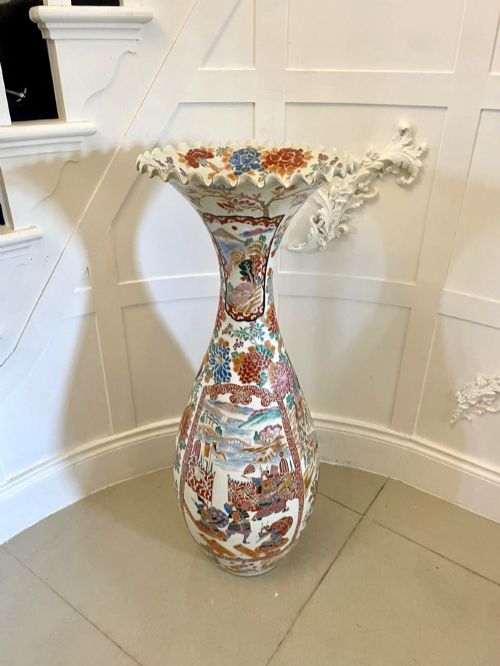
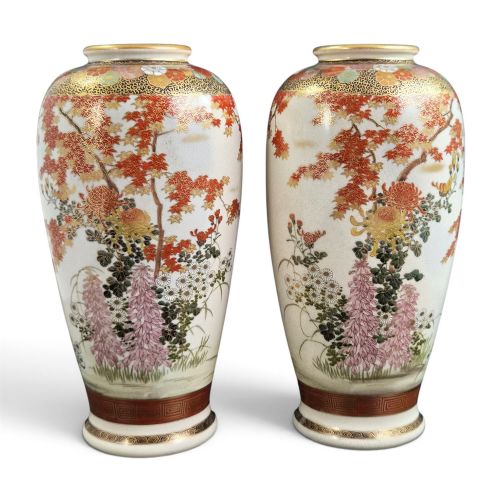
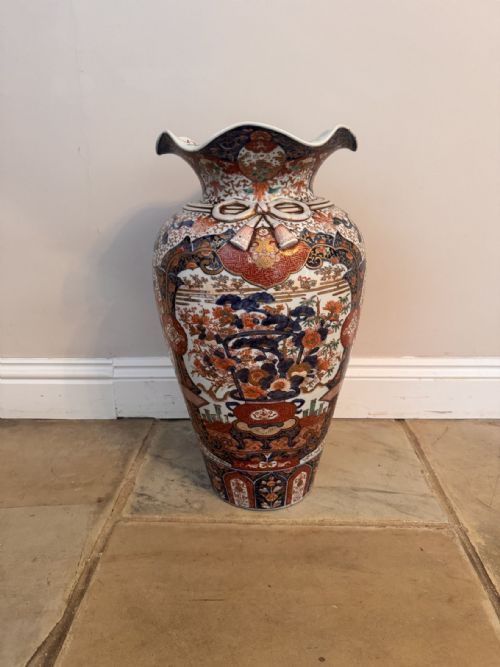
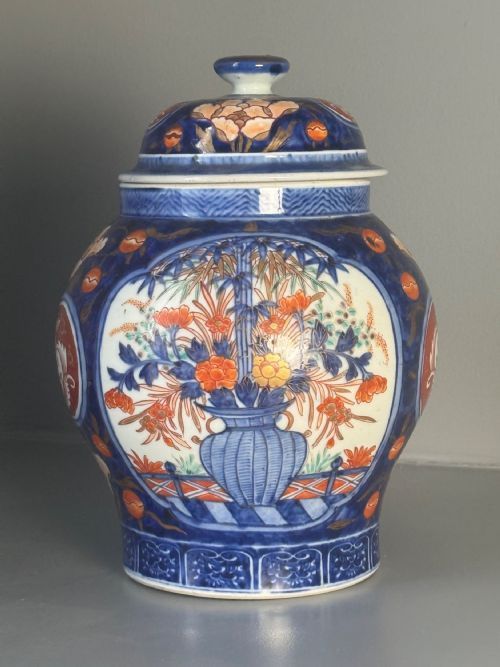
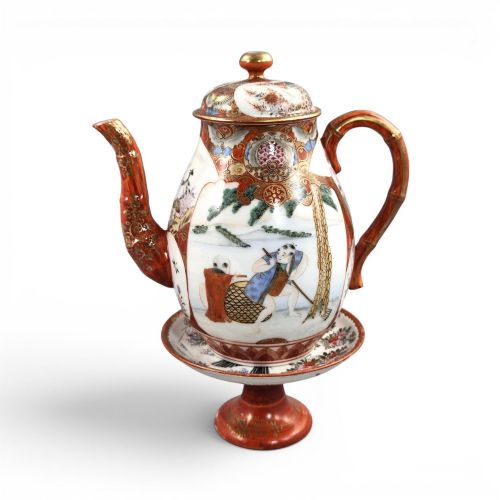
When you search for a meiji period ceramic vase, you encounter a fascinating range of traditional Japanese art pottery created during a transformative era. These decorative vases span diverse regional styles, including the distinctive wares of Satsuma, Kutani, and Sumida Gawa.
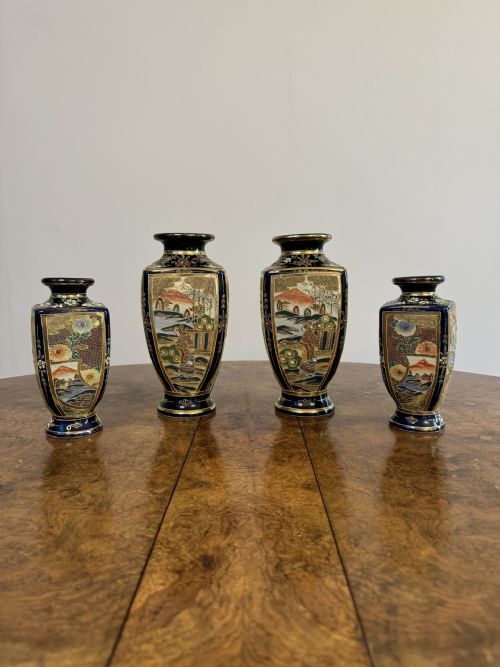
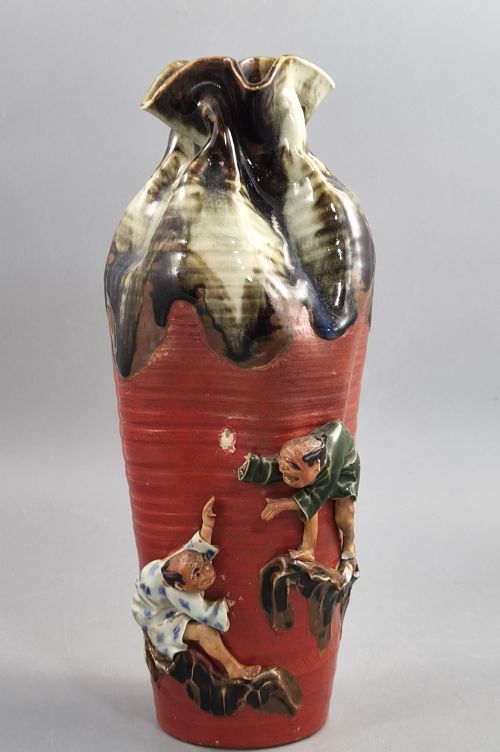
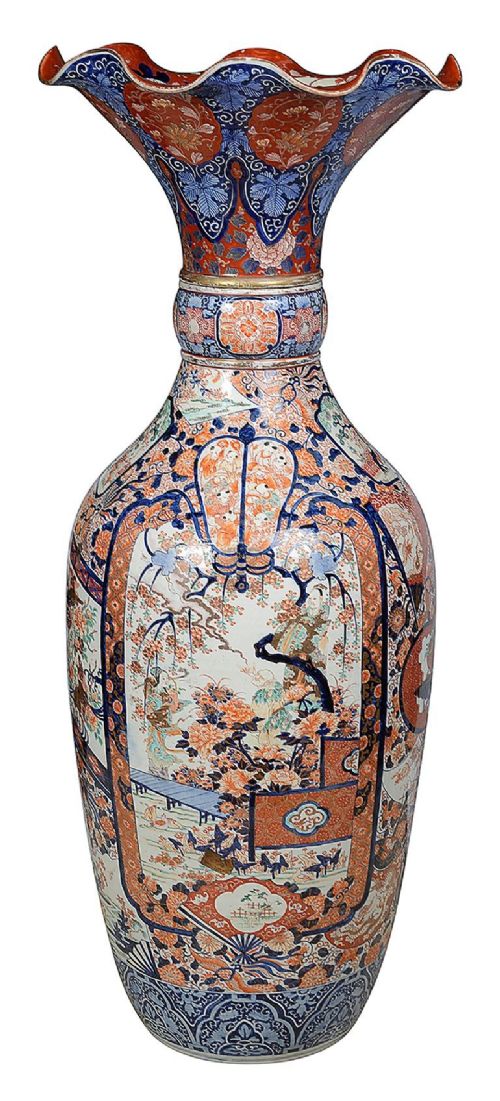
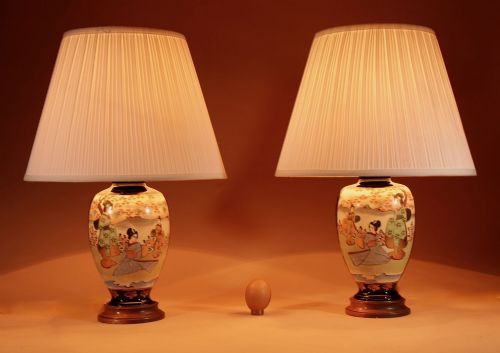
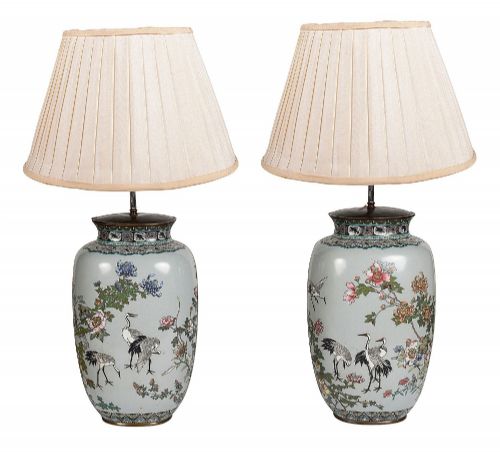
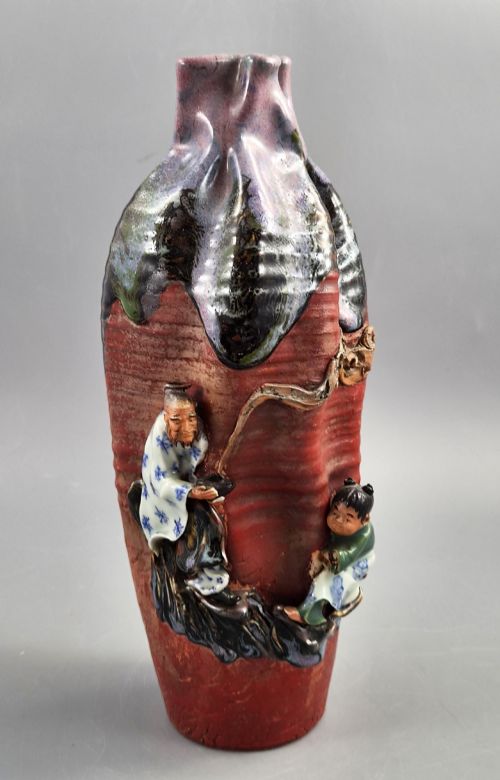
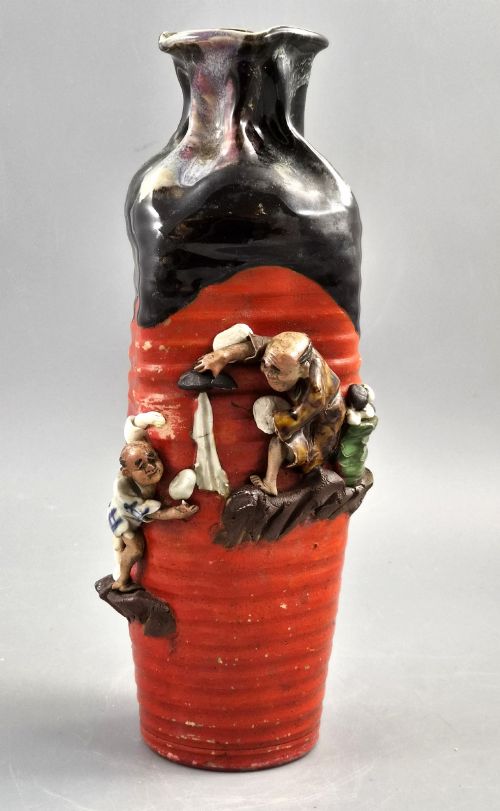
The pieces on this page include miniature tripod vessels, tall pinched-sack forms, and large decorative vases featuring sculptural handles and stands. Makers utilised specific regional techniques to define these forms, from earthenware bodies to robust stoneware.
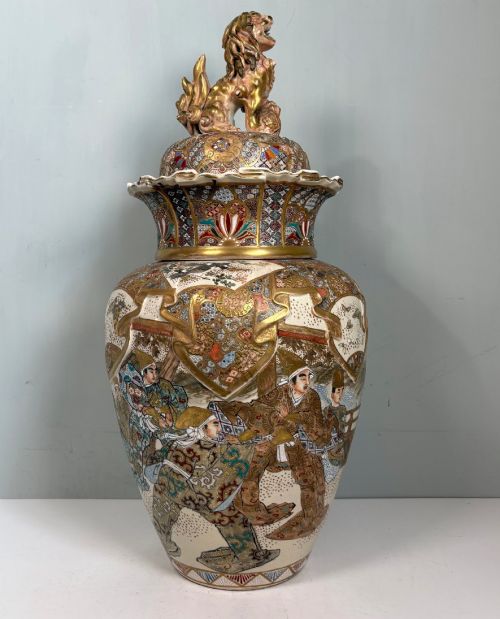
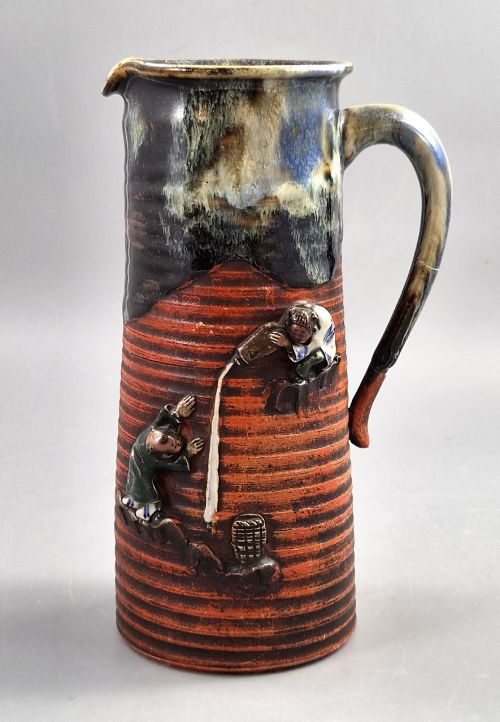
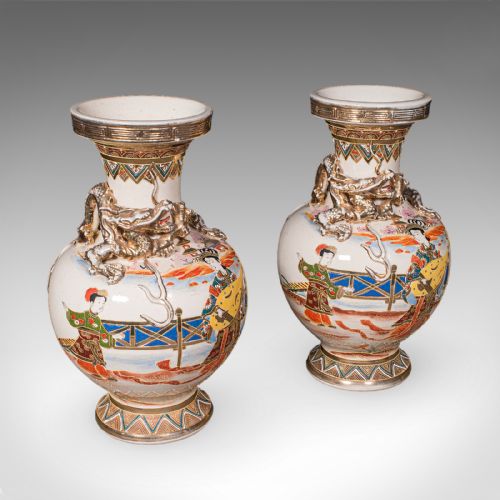
You are most likely to meet Satsuma and Sumida Gawa variations among these listings. They display everything from delicate moriage court figures to bold flambe glazes and applied figures.
How They Were Made
Potters shaped these vessels using earthenware, terracotta, and stoneware clays, often building up surfaces with applied clay details and relief work. Artisans then applied intricate glazes, including oxblood, lavender flambe, and smooth glazed ceramic finishes.
Decoration required meticulous hand-painting using rich enamels and subtle touches of gold leaf. Certain workshops modelled sculptural figures and climbing children directly onto the clay body before firing.
Retail Price Guide 2026
Typical UK retail prices for meiji period ceramic vase, calculated from the Sellingantiques database of over a million retail prices indexed since 2003. This retail price guide relies exclusively on Sellingantiques data; no external sources or auction records are used, so the figures do not describe the wider market.
Listings feature items spanning the nineteenth century through the early twentieth century, incorporating earthenware, stoneware, and wood components.
What Varies in Quality
The distinction between average and exceptional works lies in the precision of the hand-painted enamel and the depth of the glaze. Master potters achieved controlled flambe effects and crisper details on figures and moriage decoration.
Form and structural complexity also dictate distinction, separating standard vessels from unusual bamboo-handle shapes or tripod miniatures with complex figurative models.
Inoue Ryosai·Ban-ni·Choshuzan·Jissei·Yoshisada·Kinkozan·Hiroshi
The Meiji Period Ceramic Vase Glossary
- Moriage
- A decorative technique using slip applied to the ceramic surface in raised dots or lines, creating a textured relief pattern. This method often highlights robes and floral motifs.
- Flambe
- A streaky, variegated glaze produced during high-temperature firing where metallic oxides react dynamically in the kiln. It creates rich transitions between oxblood and lavender tones.
- Satsuma
- A type of earthenware pottery originating from Satsuma Province, traditionally characterised by a crackle-glaze ivory ground and elaborate enamel and gold leaf decoration.
- Kutani
- A style of Japanese painted porcelain and stoneware known for vibrant, multi-coloured enamel palettes and detailed pictorial scenes.
- Sumida Gawa
- A distinctive style of Japanese pottery featuring heavily modelled, figurative elements applied directly to the vessel, often finished with bold coloured glazes.
Frequently Asked Questions
How do I spot Satsuma?
Satsuma wares typically feature a fine crackled ivory glaze decorated with detailed enamel and gold leaf. They often depict court figures, deities, and natural motifs.
Look closely at the surface texture and the fineness of the painting to understand the individual workshop's standard.
What is Sumida Gawa pottery?
Sumida Gawa pottery is easily recognised by its heavily modelled clay figures climbing or sitting on the exterior of the vase. These vessels often feature striking flambe or oxblood glazes.
The sculptural elements are hand-applied before the final firing, giving each piece a distinct character.
How should I display these?
These decorative vases suit prominent placement where their intricate glazes and applied figures can catch the light. Ensure they rest on stable surfaces away from heavy traffic areas.
Some pieces were created with specialised stands that complete the original silhouette.
Are signatures common?
Many fine pieces bear signatures or seals from the artists or potteries that produced them. These markings often appear on the base or woven into the side of the vessel.
Translating these inscriptions can reveal the specific workshop and sometimes the individual decorator.