





Antique Asian Porcelain Vase
An antique asian porcelain vase brings centuries of kiln mastery and hand-painted artistry directly into a room.
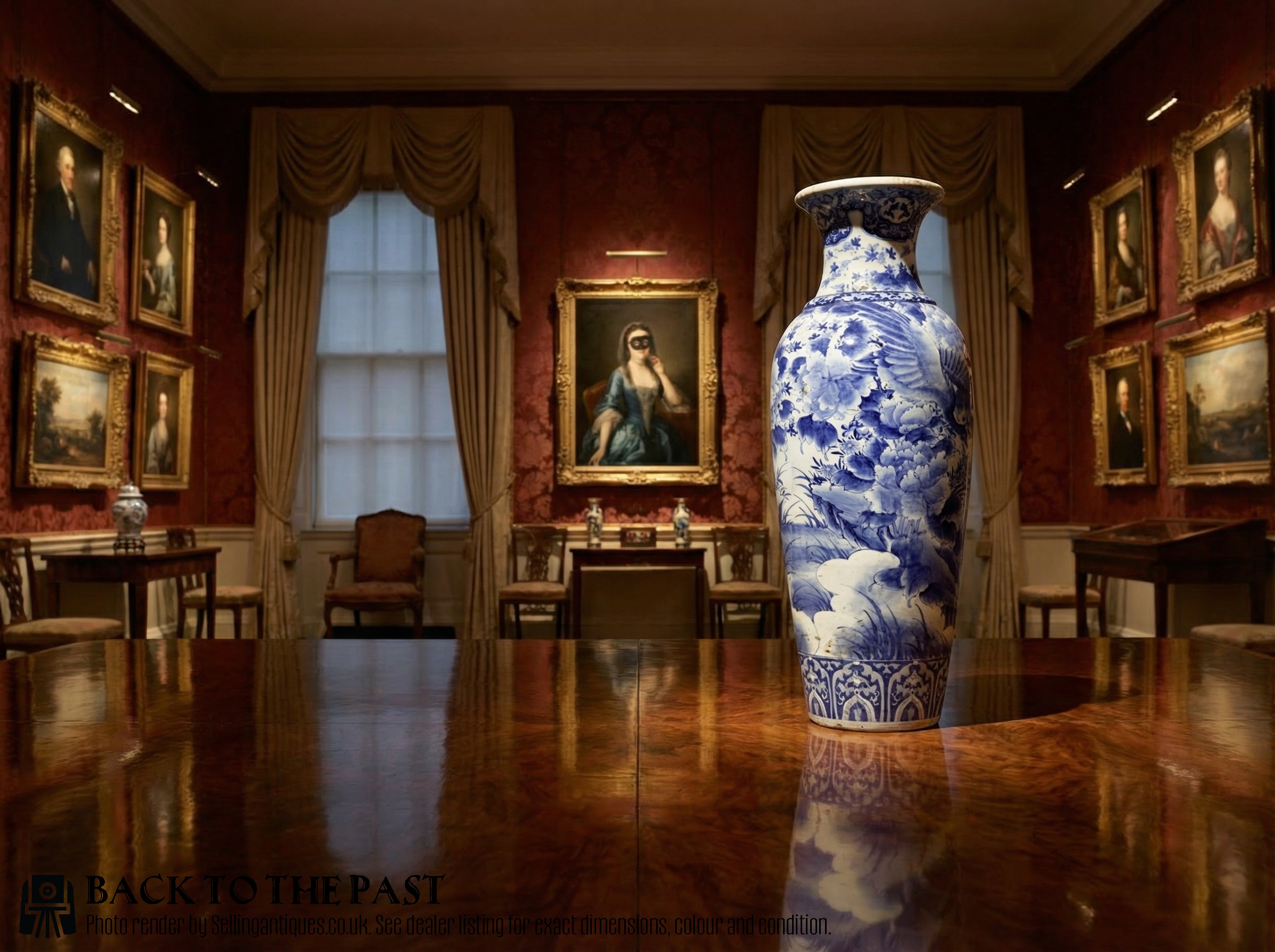
Antique Asian Porcelain Vase
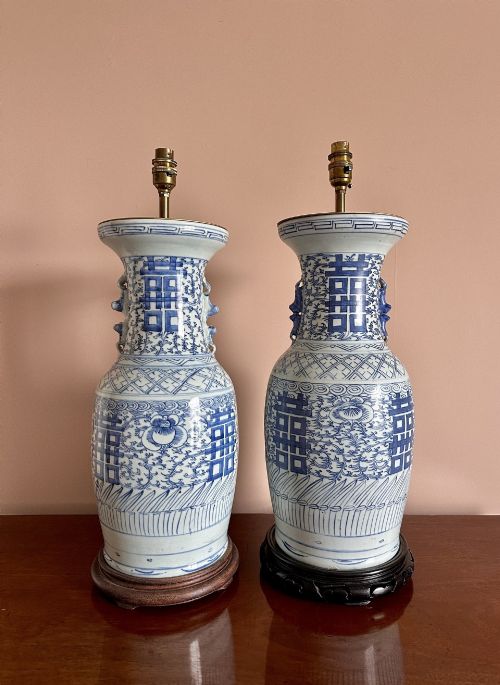
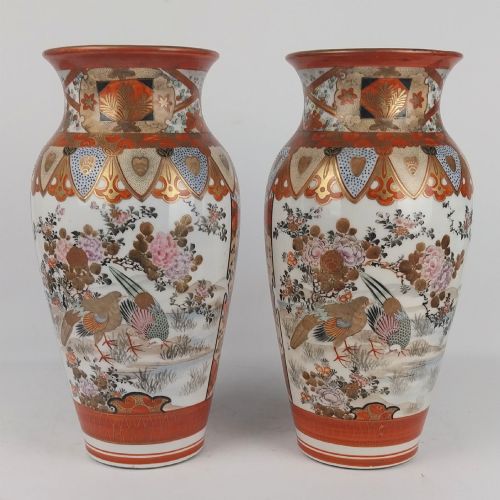
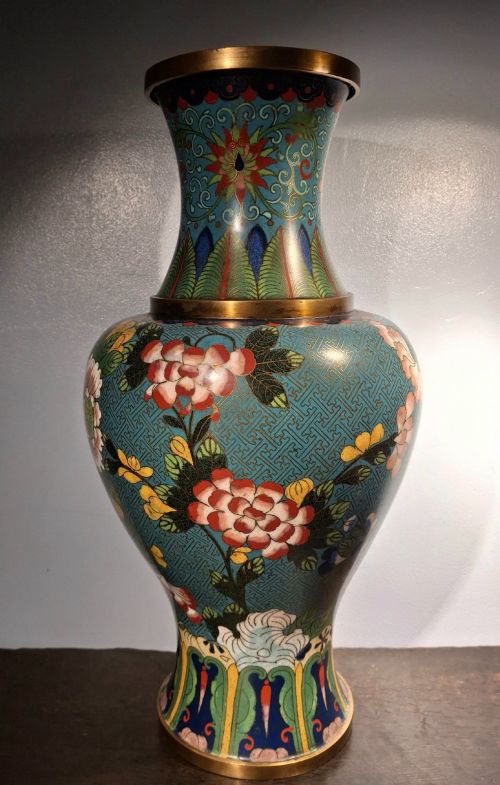
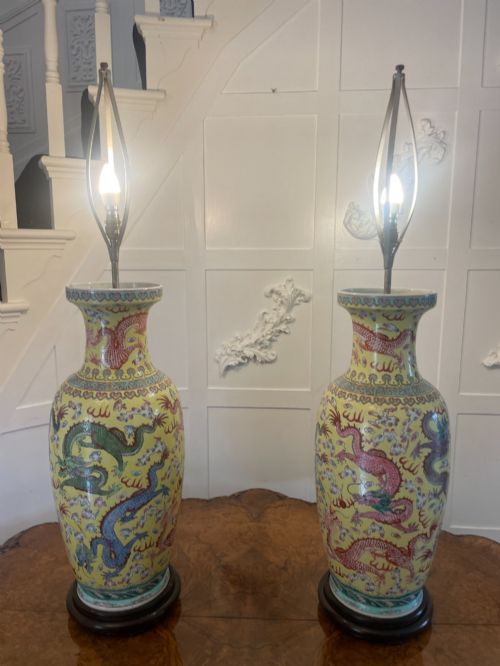
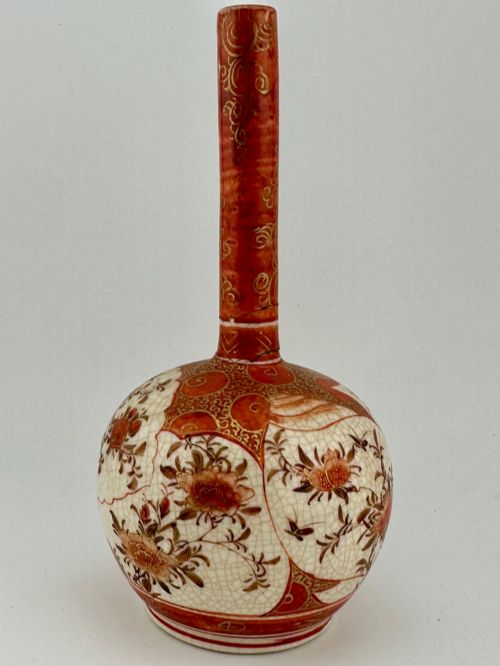
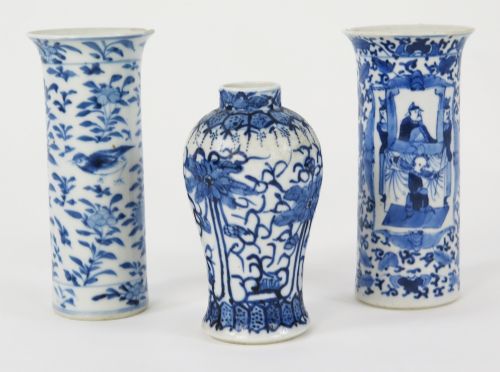
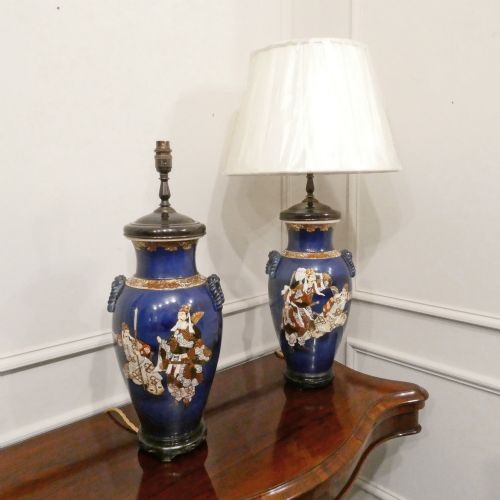
When searching for an antique asian porcelain vase, collectors encounter diverse forms ranging from diminutive cabinet pieces to monumental floor-standing vessels. The selection draws heavily from 19th-century Japanese production alongside earlier Chinese dynasties, offering everything from lidded jars to converted table lamps.
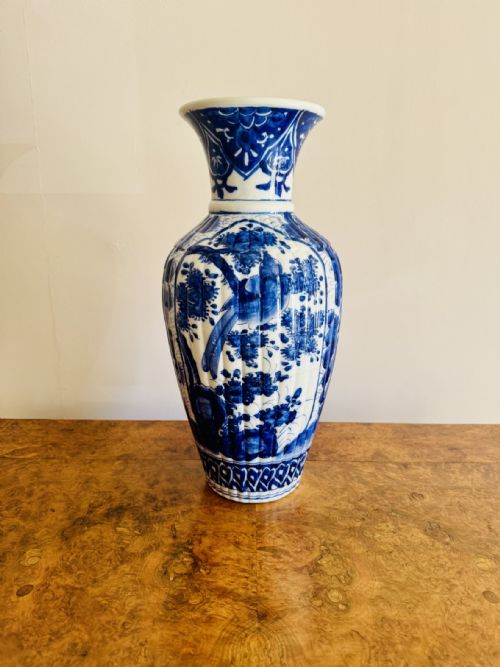
Imari palettes, Satsuma earthenware styles, and cobalt blue decorations dominate the available inventory. These pieces reflect distinct regional aesthetics, spanning the Meiji period output and late Qing dynasty creations.
Domestic display influenced many surviving examples, resulting in matched pairs and single cabinet vases. Buyers frequently find both traditional vessels and those adapted for modern lighting during the Victorian and subsequent eras.
Materials and Technique
Potters utilised fine porcelain bodies, sometimes paired with earthenware, shaped by hand or wheel before glazing. Cobalt blue pigments applied under the glaze created deep, permanent tones that survived high-firing kiln temperatures.
Enamel colours and gold leaf were often added over the initial glaze in subsequent firings to build intricate, layered surface patterns. This meticulous secondary decoration required immense skill from the artists working in traditional workshops.
Makers integrated brass and wooden mounts onto select vessels, occasionally adapting antique jars into functional lamps. Such alterations demonstrate the adaptability of these imported objects in Western interiors.
Antique Asian Porcelain Vase Retail Price Guide 2026
Typical asking prices for asian porcelain vase among the pieces listed under this phrase on Sellingantiques today, from the lower quarter to the upper quarter. They describe what is for sale here now, not the wider market.
One towering vase stands nearly five feet tall, demanding absolute devotion from any floor space it occupies.
Distinctions in Quality
The refinement of the painted brushwork separates ordinary commercial output from masterwork production. Precise figural detail and disciplined linework reveal the trained hand of specialist decorators.
The density and purity of the porcelain body, combined with the stability of the glaze, dictate a piece's structural integrity. Superior examples maintain crisp surface textures without pooling or running in the enamel layers.
Signature marks from recognised makers or periods elevate the historical standing of a vase. Works attributed to distinguished workshops display superior control over both colour saturation and gilding adhesion.
Manpei, Kobe·Kinkōzan, Kyoto·Hotoda·Makuzu Kozan·Kato Sanhei·Chosei
The Antique Asian Porcelain Vase Glossary
- Imari
- A style of Japanese export porcelain featuring characteristic underglaze blue and overglaze iron red and gold decorations. These wares were widely shipped to Europe from the port of Imari starting in the Edo period.
- Satsuma
- A type of Japanese earthenware featuring a crackled ivory glaze decorated with polychrome enamels and raised gilding. Production flourished during the Meiji period for both domestic use and Western export markets.
- Celadon
- A term for pottery denoting both wares glazed in jade green and the green glaze itself. The colour imitates jade and results from iron oxide in the glaze interacting with a reduction atmosphere in the kiln.
- Underglaze
- A method of decorating pottery in which pigments are applied directly to the unfired clay body before glazing and firing. This technique protects the design beneath a clear glassy surface layer for lasting durability.
- Baluster
- A vase shape characterised by a rounded body that tapers toward the base and swells outward before flaring at the neck. The profile resembles a traditional architectural column support.
Antique Asian Porcelain Vase: Frequently Asked Questions
How do I identify Satsuma ware?
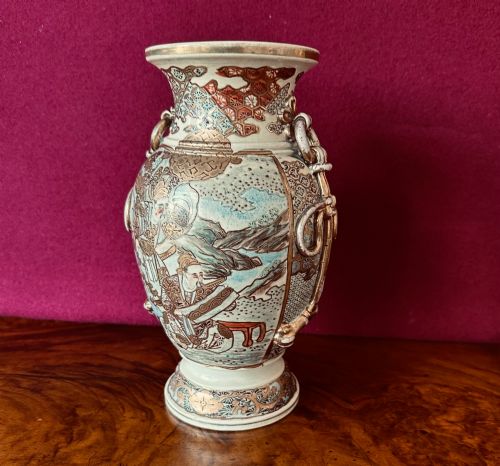
Satsuma pieces typically present a distinctive creamy, crackled earthenware glaze acting as the canvas for dense enamel and gold leaf compositions. They often depict detailed figural scenes or natural motifs characteristic of late nineteenth-century production.
Closer inspection reveals finely raised outlines where the enamel sits proud of the surface. This technique creates a textured relief effect unique to this specific tradition.
What is Chinese blue and white porcelain?
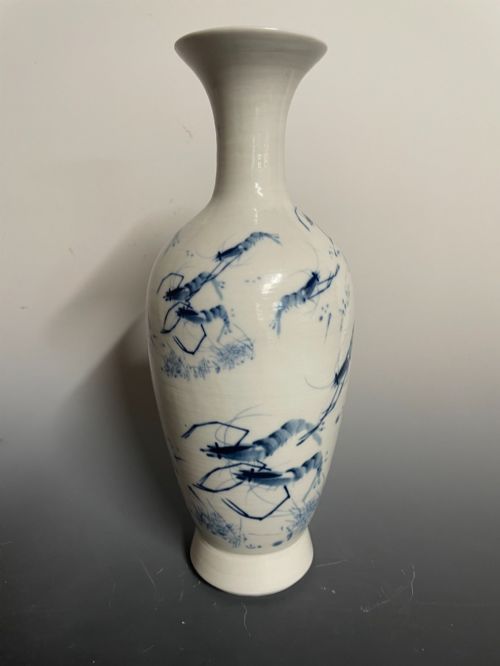
This classification covers vessels decorated using cobalt pigment applied directly to the white clay body before a transparent glaze is added. Firing at high temperatures fuses the cobalt into the glaze, producing permanent blue designs against a white ground.
Examples range from floral compositions to narrative figural scenes. The style spans multiple dynasties, remaining a cornerstone of Asian ceramic art.
Can I use an antique vase as a lamp?
Many antique vessels arrive already converted into table lamps, having received electrical fittings during the Victorian era or later periods. This practice allowed historic porcelain to serve functional lighting roles in Western homes.
Careful wiring methods ensure the original body remains unaltered where possible. Buyers should examine the mounting to confirm the structural health of the piece.
How do I distinguish Imari from Kutani?
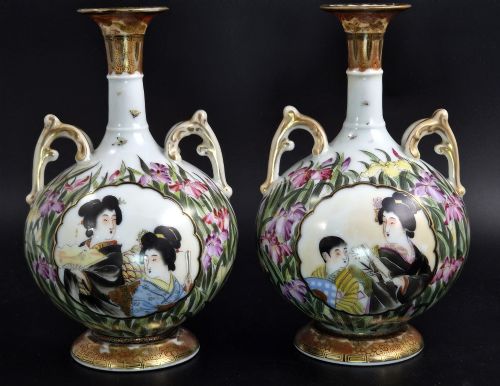
Imari wares rely on a strict palette of underglaze blue, iron red, and gold, often featuring dense geometric and floral panels. The porcelain body rings clear and shows high vitrification.
Kutani ceramics frequently employ a broader, highly colourful green-dominated palette with varied pictorial subjects. Understanding these palette differences clarifies regional origins during the Meiji period.