



Japanese Crackle Glaze Vase
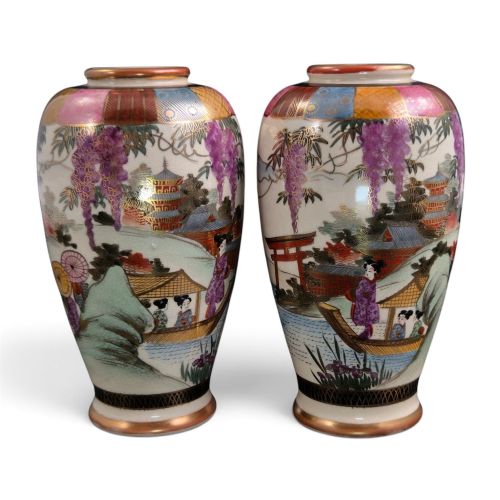
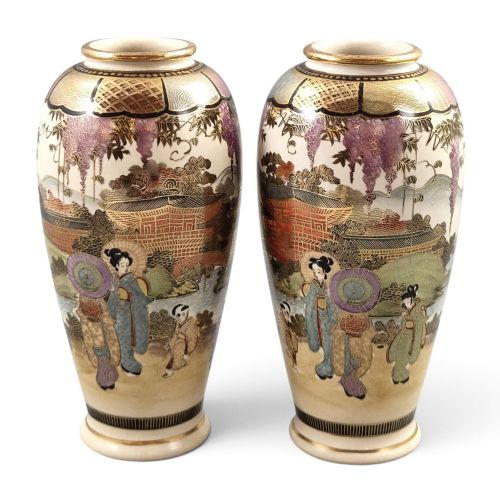
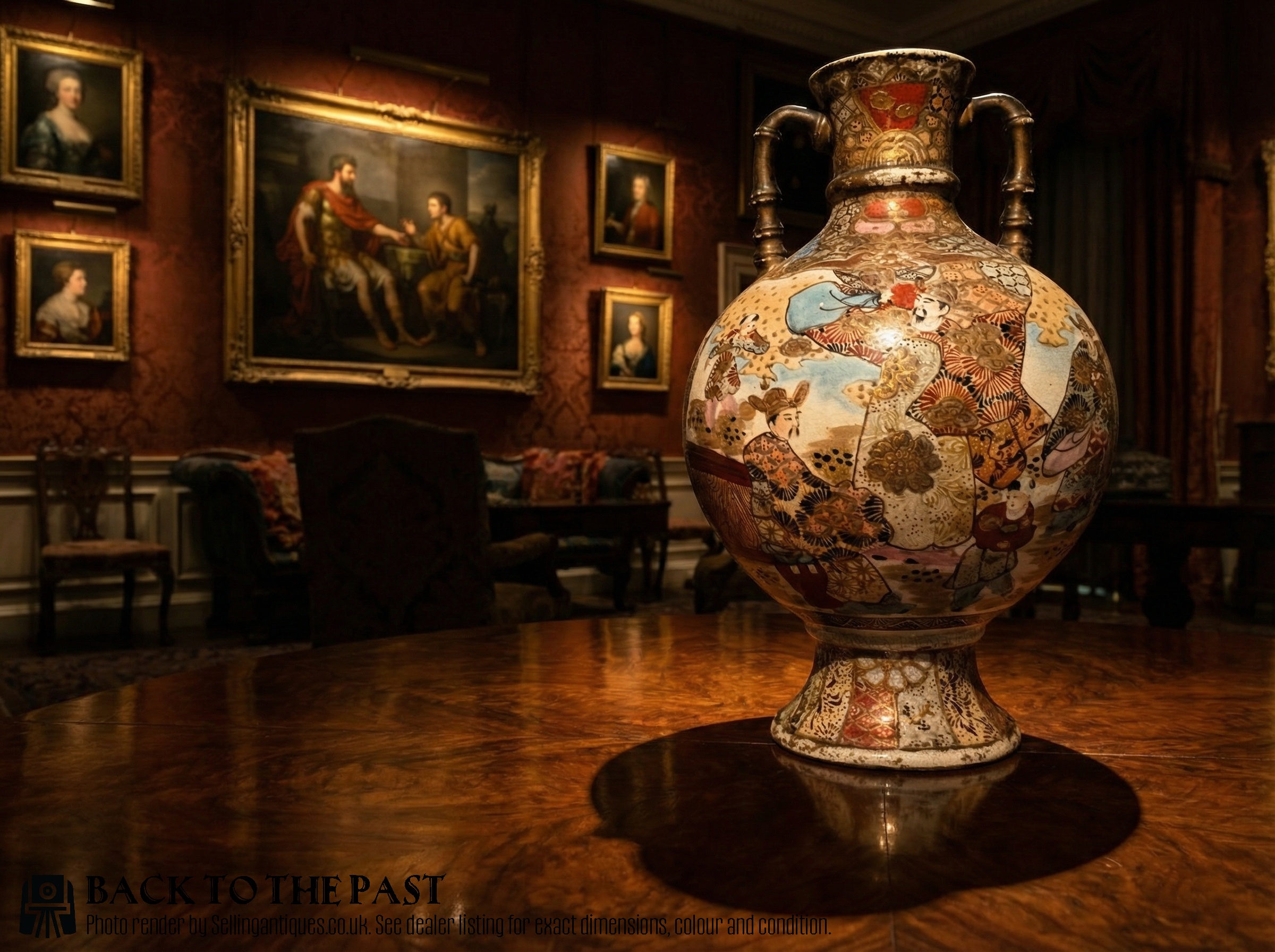
These Japanese crackle glaze vase pieces bring intricate Meiji period earthenware and hand-painted Satsuma artistry straight into domestic interiors.
Japanese Crackle Glaze Vase
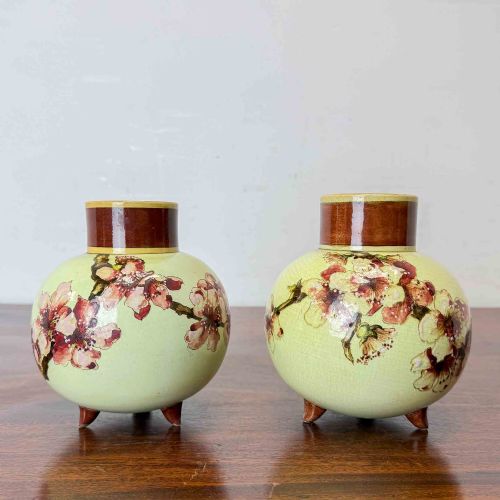
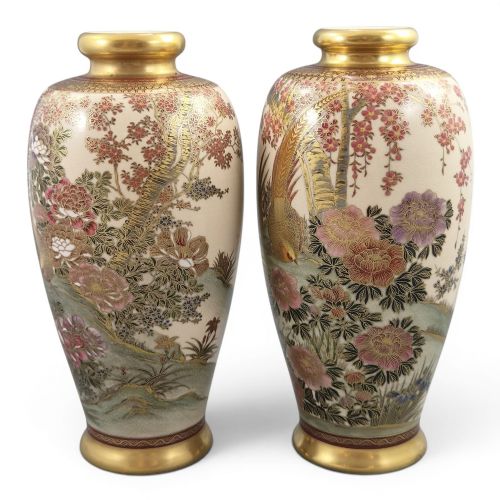
A Japanese crackle glaze vase typically takes the form of an earthenware vessel, with baluster bodies, ginger jars, and hexagonal shapes appearing frequently across the collection. These objects originate largely from the Meiji, Taisho, and early Showa periods, spanning the late nineteenth and early twentieth centuries.
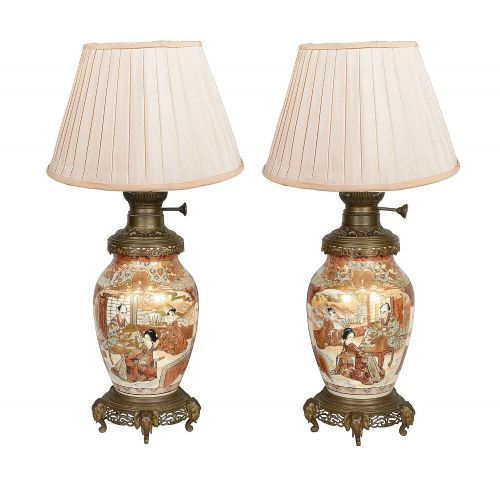
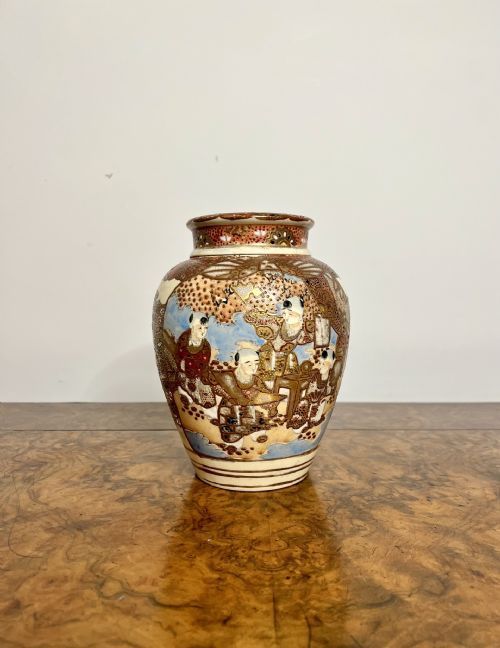
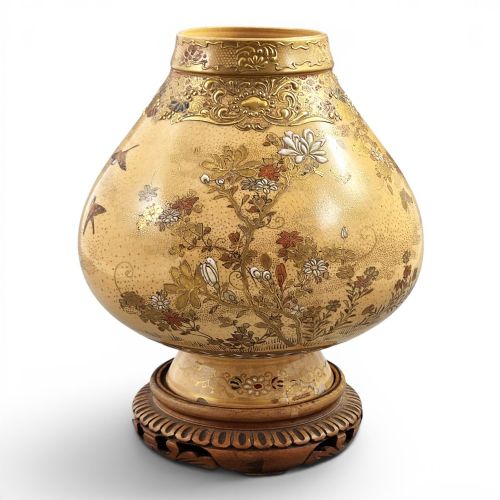
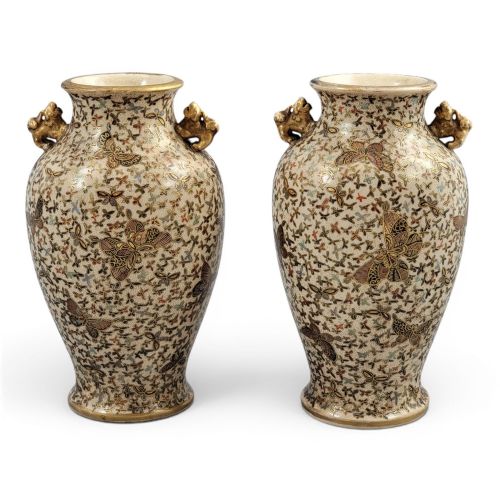
Buyers will most commonly encounter Satsuma ceramics decorated with figurative scenes, landscapes, and raised enamel work. Pairs of vases and miniature vessels dominate the selection, alongside occasional conversions into table lamps.
How they were made
Potters built these vessels using ceramic earthenware, applying a distinctive crackle glaze that developed a network of fine microscopic lines during firing. Artisans then painted intricate designs over the glaze using enamel colours and detailed gold gilt or gold leaf accents.
Many workshops utilised raised moriage techniques to give robes, figures, and floral elements a tactile, three-dimensional quality before final gilding.
Listings feature ceramics spanning the Victorian, Edwardian, and Meiji eras, utilising earthenware, enamel, and gold leaf.
What varies in quality
The refinement of the hand-painted brushwork dictates the standing of an individual piece, separating crowded, hurried decoration from meticulously executed figural processions and landscapes. Precision in the crackle pattern and the crispness of the gilt work also signal superior craftsmanship.
Pieces bearing signatures from notable workshops or master decorators command greater regard, demonstrating higher technical control in both the ceramic body and the enamelling.
Shozan Satsuma Vases·Kinkōzan Workshop·Chosei Kyoto·Seiko-en Chokei
The Japanese Crackle Glaze Vase Glossary
- Satsuma
- Earthenware pottery originating from Satsuma province, known for an ivory-coloured crackle glaze and elaborate enamel decoration. It became widely exported during the Meiji period.
- Moriage
- A ceramic decoration technique using piped clay to build up raised surfaces before glazing and gilding. This creates a textured, tactile effect on robes and borders.
- Meiji
- The historical period spanning from 1868 to 1912, characterised by intense artistic production and opening trade with the West. Much of the finest export porcelain dates from this era.
- Baluster
- A vase shape with a rounded body that tapers toward the base and swells out before rising to a narrow neck. This form provides a balanced canvas for wrap-around landscape scenes.
- Gilt
- A thin layer of gold or gold leaf applied to the surface of ceramics to highlight rims, patterns, and figures. Master pieces use precise gilding that retains its lustre over time.
Japanese Crackle Glaze Vase: Frequently Asked Questions
How do I identify Satsuma ware?
Satsuma ware is recognised by its characteristic cream or ivory earthenware body covered in a fine network of crackled glaze. The surfaces are typically decorated with polychrome enamels and generous amounts of gold gilt.
Many pieces also feature maker seals or workshop signatures on the underside, often written in iron red or gold.
What is the difference between Meiji and Taisho pieces?
Meiji period pieces, produced between 1868 and 1912, tend to display dense, highly detailed hand-painted scenes and meticulous moriage work. They reflect the high point of intricate export art.
Taisho and early Showa pieces often show a slight loosening of this intense detail, sometimes adopting simpler palettes or bolder decorative choices.
How should I display a crackle glaze vase?
Place these vases away from direct, harsh sunlight to protect the delicate enamel colours and gold leaf accents from fading. Position them on stable surfaces where their detailed hand-painted panels can be viewed closely.
Avoid placing them in areas with extreme temperature fluctuations to protect the antique earthenware body.
Can these vases hold water?
Most antique earthenware vessels of this age are porous and are intended purely for decorative display rather than holding fresh flowers and water. Using them dry preserves the interior and protects the historic ceramic structure from moisture damage.
If utilised for floral display, place a small, hidden glass tube inside rather than pouring water directly into the vessel.