




Satsuma Pottery Vase
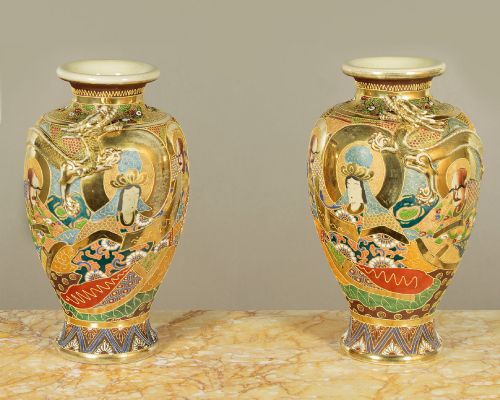
When you search for a satsuma pottery vase, you enter a world of finely painted earthenware decorated with gold leaf and intricate enamel figures.
Satsuma Pottery Vase
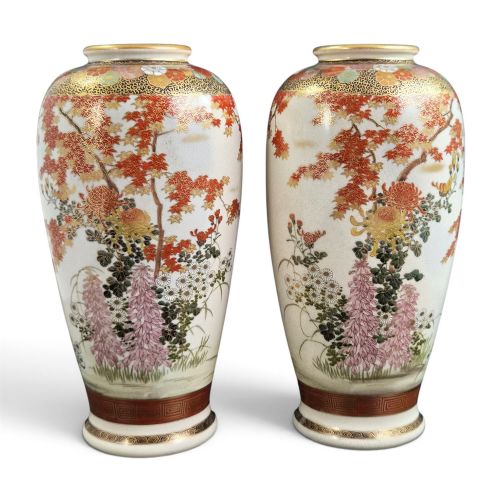
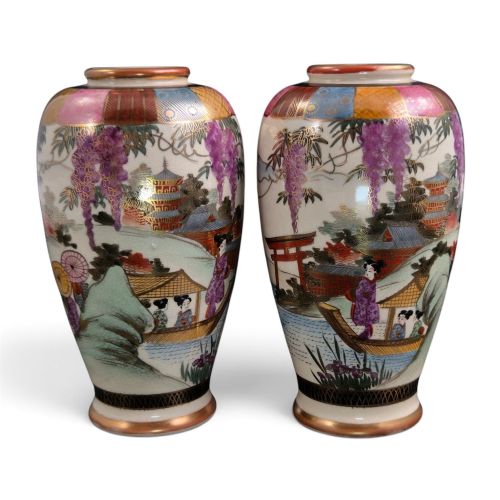
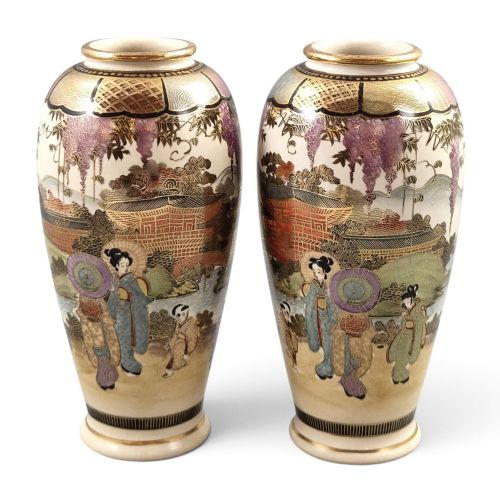
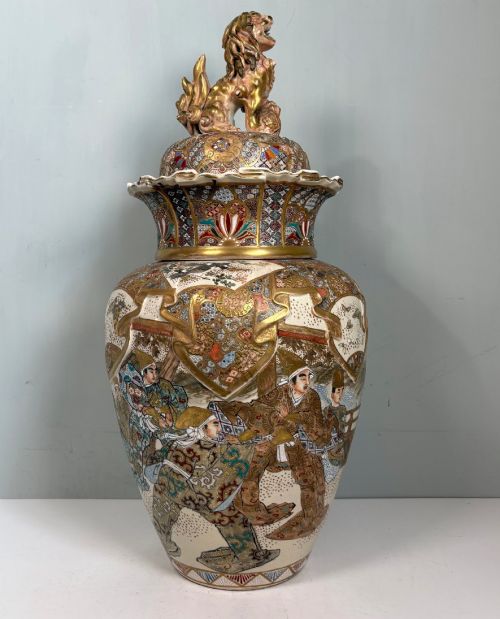
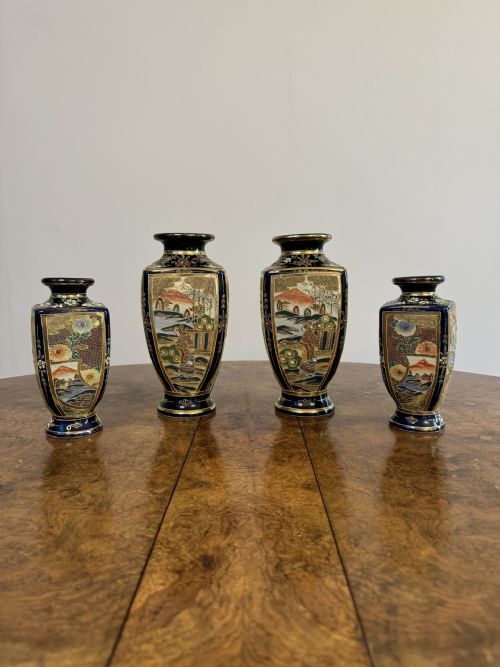
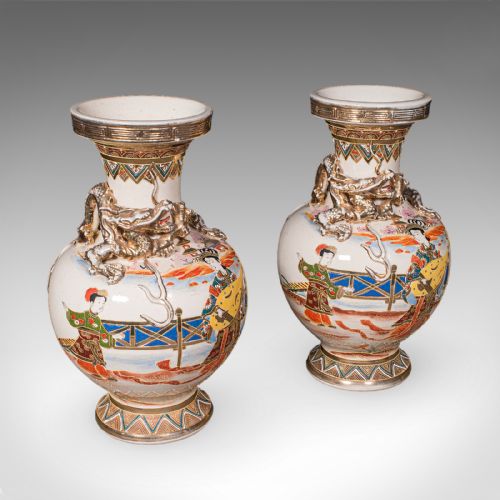
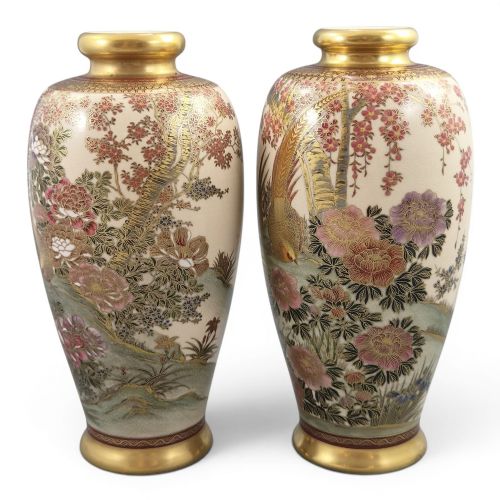
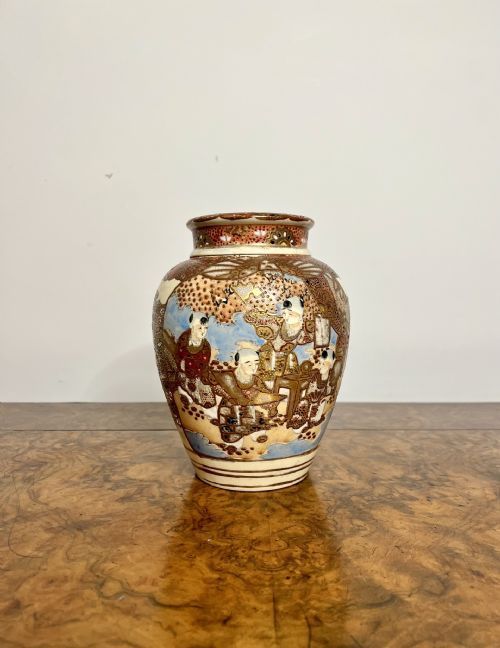
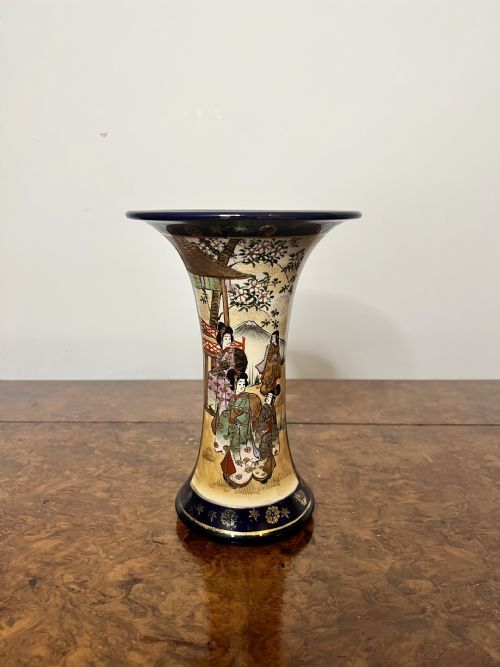
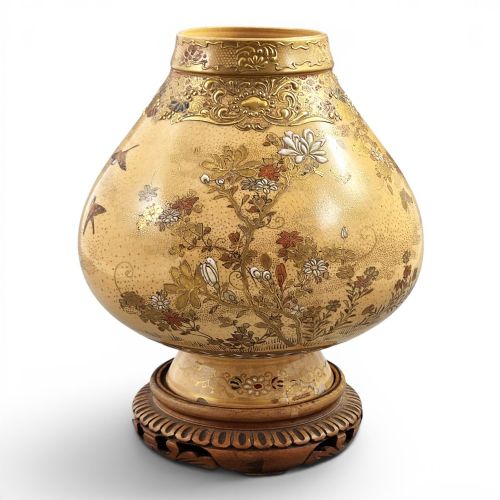
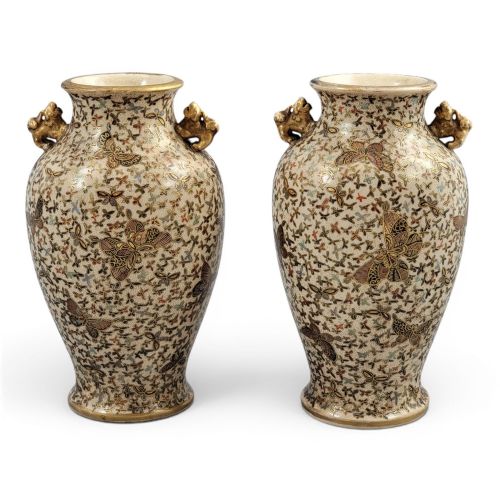
A satsuma pottery vase typically presents a crackle-glazed earthenware body painted with detailed figurative scenes, landscapes, or natural motifs. Buyers searching for this phrase encounter various forms, including baluster shapes, ginger jars, and miniature vessels.
The objects frequently date from the Meiji period through to the Taisho and Showa periods, reflecting both late nineteenth-century craftsmanship and early twentieth-century production. Many examples display traditional Japanese themes such as court figures, deities, wisteria, and butterflies.
Surviving pieces range from modest domestic items to large, elaborately decorated examples bearing artist signatures or workshop marks from Kyoto and Kobe.
Materials and construction methods
Makers shaped the pottery from earthenware, applying a characteristic ivory or cream-coloured glaze that developed a fine network of crackles during firing. Artisans then built up detailed surface designs using polychrome enamels and gold gilt.
Techniques such as moriage introduced raised enamel relief work, adding tactile depth to garments, foliage, and decorative borders. Skilled painters executed minute portraits of arhats, immortals, and court scenes by hand, often finishing details with fine gold leaf.
Available forms range from standard baluster vases and ginger jars to miniature vessels and converted table lamps.
Factors that separate examples
Quality rests primarily on the precision and density of the hand-painted decoration, where master workshops achieved remarkable detail in facial expressions and botanical motifs. The crispness of the gilt work and the subtlety of the enamel palette distinguish finer studio pieces from more commercial production.
The complexity of the form and the presence of registered workshop or artist signatures, such as those from Kinkozan or Hododa, indicate higher standing. The clarity of the crackle glaze and the absence of clumsy restoration further define the upper tier of surviving vessels.
Maruni Kobe·Shozan·Manpei·Kinkōzan·Hotoda·Chosei·Nanzan·Seiko-en Chokei·Choshuzan·Hakusan·Tagawa·Chikuzan·Zenkozan
The Satsuma Pottery Vase Glossary
- Moriage
- A decorative technique using raised slip or enamel to create textured, three-dimensional patterns on ceramics. This method highlights robes, flowers, and architectural elements.
- Meiji Period
- The era in Japanese history spanning from 1868 to 1912, noted for a surge in export art and fine ceramic production. Many of the most intricate vases originate from this span.
- Baluster
- A vase shape characterised by a rounded body that tapers towards a narrow neck and flared rim. This silhouette provides a stable canvas for expansive narrative scenes.
- Gilt
- Gold applied to the surface of the ceramic to accent borders, figures, and background patterns. This material catches the light and enhances the richness of the enamel colours.
- Shimazu Mon
- The heraldic crest of the Shimazu clan, featuring a cross within a circle, frequently found on high-grade pieces. Its presence often connects the object to regional patronage or exhibition work.
Satsuma Pottery Vase: Frequently Asked Questions
How do I identify a Meiji period piece?
Meiji period pieces generally display dense, meticulous hand-painted enamel work combined with rich gilt detailing on a finely crackled earthenware body. Many examples from this era also bear distinct artist signatures or studio marks from prominent Kyoto workshops.
Examination of the base often reveals painted or impressed calligraphy that connects the vessel to specific makers active before the twentieth century.
What is the shimazu mon?
The Shimazu mon is a traditional heraldic crest featuring a cross inside a circle, representing the daimyo lords who historically patronised the Satsuma kilns. Finding this mark on a vase indicates a strong historical link to the region's primary ruling clan.
Such symbols frequently appear on exhibition-quality pieces intended for international export during the late nineteenth and early twentieth centuries.
How should I display my vase?
Place your vessel in a stable location away from direct sunlight to protect the delicate enamels and gold leaf from fading over time. Ensure the display surface is level, as many antique earthenware forms have narrow bases and heavier upper bodies.
Keeping the piece out of high-traffic areas prevents accidental knocks that could damage the fragile raised relief work.