






Gilded Earthenware Vase
A gilded earthenware vase brings intricate hand-painted detail and quiet historic charm to any room.
Gilded Earthenware Vase
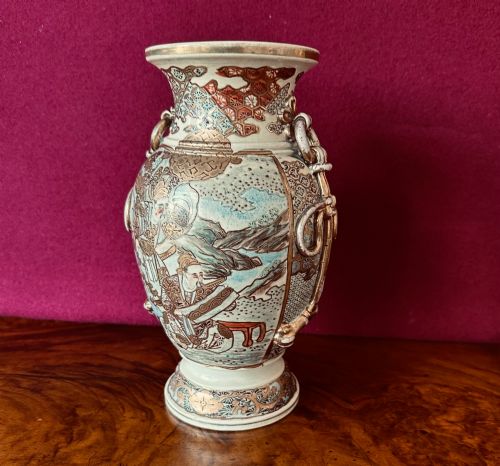
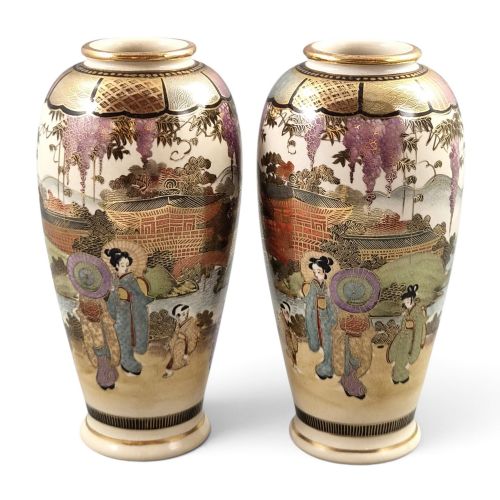
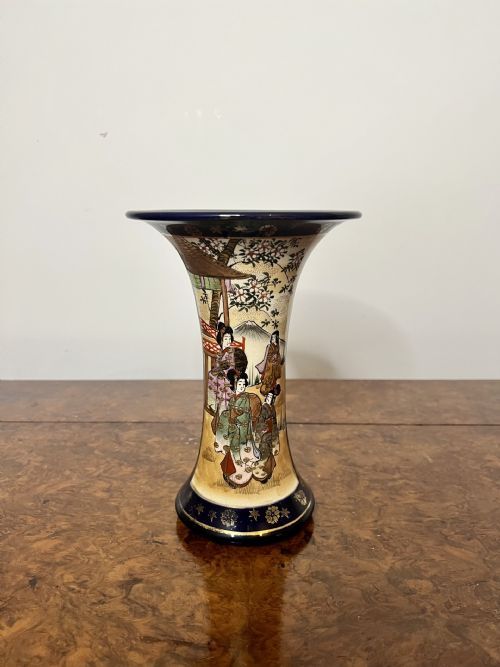
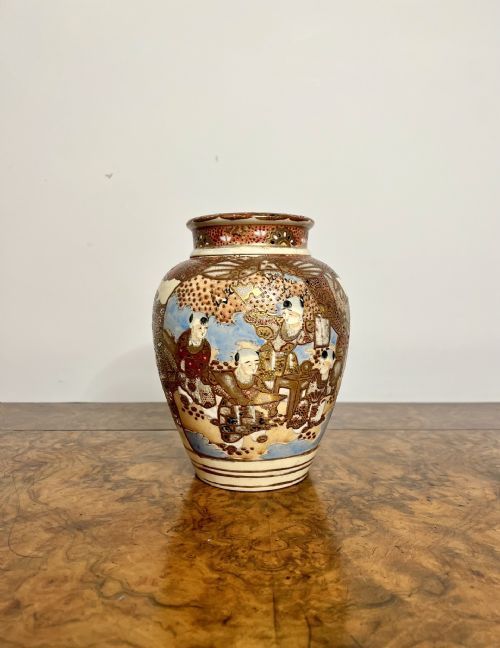
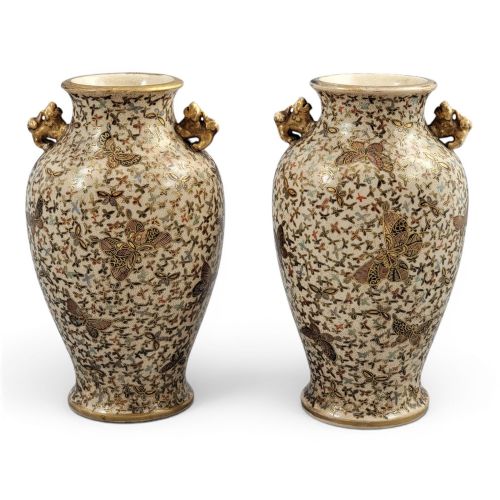
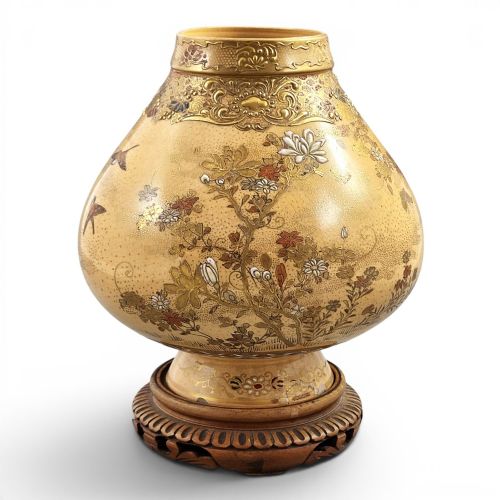
A gilded earthenware vase combines porous ceramic bodies with delicate metallic decoration, often taking the form of traditional bottle vases or miniature vessels. These pieces frequently draw upon Japanese Meiji period aesthetics, showcasing meticulous artistry across various scales from petite cabinet items to larger display objects.
Collectors searching for a gilded earthenware vase will most commonly encounter Satsuma examples originating from the Victorian era up through the early twentieth century. The inventory on this page spans distinct periods including the nineteenth century, nineteen hundred, and nineteen ten, highlighting enduring forms from these eras.
How they were made
Artisans built these vessels using earthenware clay, shaping them into traditional vase forms before applying foundational glazes and enamel details. The resulting ceramic body provides a textured base for subsequent ornamentation.
Decoration relied heavily on the application of gold leaf and enamels to surface designs, creating rich contrasts against the underlying ceramic. Makers often incorporated painted pictorial scenes alongside this gilding to enrich the final appearance.
Gilded Earthenware Vase Retail Price Guide 2026
Typical asking prices for gilded earthenware vase among the pieces listed under this phrase on Sellingantiques today, from the lower quarter to the upper quarter. They describe what is for sale here now, not the wider market.
Some tiny Satsuma vessels are so compact they can hide entirely behind a teacup, yet they still manage to pack an entire gilded landscape onto their surface.
What varies in quality
The sophistication of the painted enamel work and the precision of the gold leaf application define the upper tier of these pieces. Finer examples display remarkable control in miniature detailing, whereas simpler items show broader, less refined brushwork.
Proportion and form also separate standard production from superior examples, with well-balanced Satsuma bottle shapes and crisp Satsuma silhouettes commanding greater visual interest. The clarity of any signature or painted mark adds further distinction to the finer specimens.
Shuzan
The Gilded Earthenware Vase Glossary
- Earthenware
- A porous ceramic material fired at lower temperatures, commonly used for traditional decorative vases. It forms the structural base for the enamel and gold leaf decorations found on these pieces.
- Gold Leaf
- Hammered sheets of gold applied to the surface of the ceramic to create gilded highlights and intricate borders. This metallic accent catches the light and defines the primary style of the pieces.
- Enamel
- Opaque or translucent glass-like material fused to the ceramic body through firing to add vibrant colour to the painted designs. It works alongside the gilding to build complex pictorial scenes.
- Satsuma
- A type of Japanese pottery featuring a crackle-glaze earthenware body decorated with polychrome enamels and gilding. These wares became widely produced during the Meiji period for both domestic and export markets.
- Bottle Vase
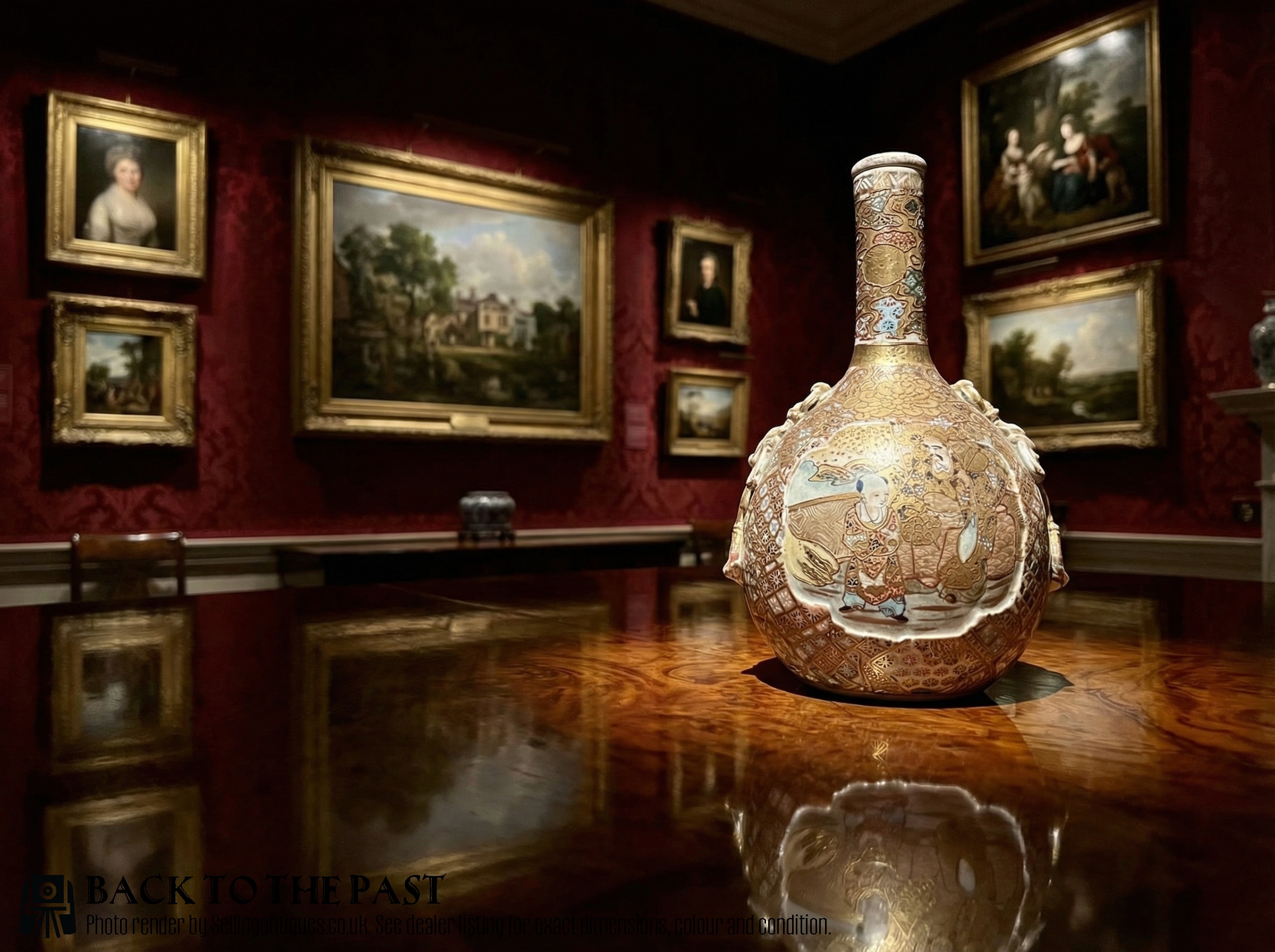
- A ceramic vessel characterised by a bulbous lower body and a narrow, elongated neck resembling a bottle. This classic form appears frequently among the listed Satsuma items.
Gilded Earthenware Vase: Frequently Asked Questions
What is a gilded earthenware vase?
A gilded earthenware vase is a ceramic vessel decorated with enamel painting and gold leaf accents. These objects often reflect historical Japanese ceramic traditions and Victorian-era taste.
They serve primarily as decorative display items rather than functional utility vessels. Their intricate surfaces reward close inspection in domestic settings.
How do I care for my vase?
Keep these fragile ceramic pieces out of direct sunlight to protect the delicate enamel colours and gold leaf details. Dust them gently with a soft, dry cloth rather than using liquid cleaners.
Avoid placing them in areas subject to heavy vibrations or sudden temperature shifts. Proper placement ensures the porous earthenware and surface decoration remain stable over time.
When were these vases made?
The pieces listed here date from the nineteenth century through the early twentieth century, spanning the Victorian era and the Meiji period. Many reflect late nineteenth-century manufacturing techniques.
Exact production years vary, with some items specifically attributed to the eighteen nineties or nineteen hundreds. This timeframe represents a period of significant ceramic export and artistic exchange.
Where do these pieces originate?
These vases draw heavily upon Japanese design traditions, particularly Satsuma ware produced during the Meiji period. Makers utilised traditional local ceramic methods adapted for international collectors.
Such items were created in Japan before making their way to Western markets during the Victorian and Edwardian eras. Their design blends local craftsmanship with global aesthetic influences of the time.