

Meiji Ceramic Vessel
A meiji ceramic vessel brings together intricate hand-painted detail and traditional forms from late nineteenth and early twentieth century Japan.
Meiji Ceramic Vessel
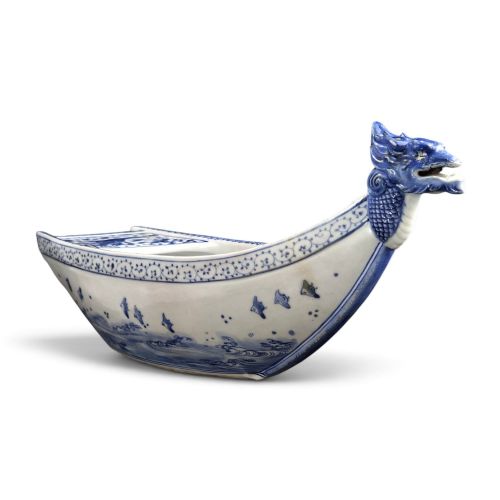
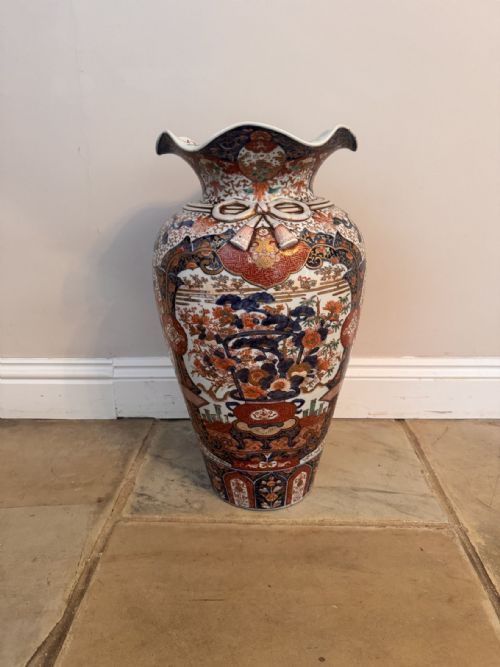
When buyers search for a meiji ceramic vessel, they encounter a diverse array of forms ranging from large floor-standing vases and temple koro incense burners to delicate tea caddies and decorative bowls. These objects originate primarily from the late nineteenth and early twentieth centuries, spanning the Meiji and transitional Meiji-Taishō periods.
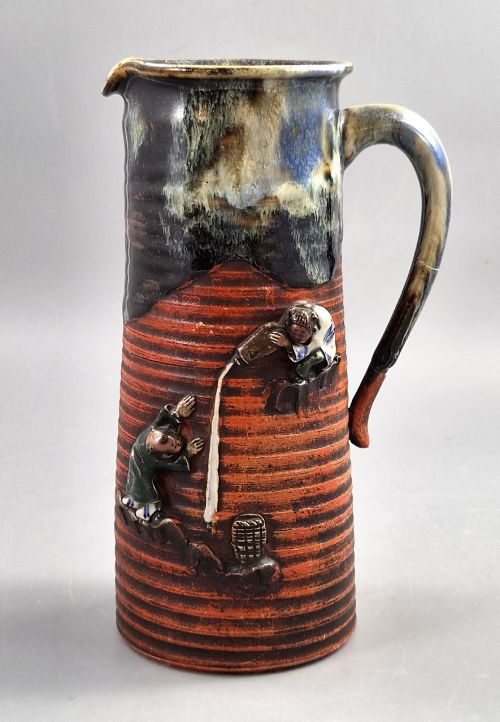
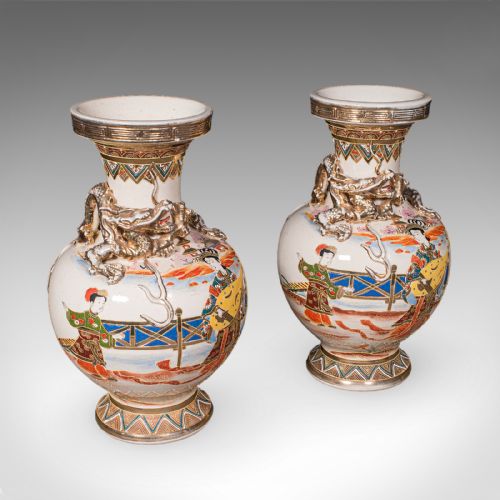
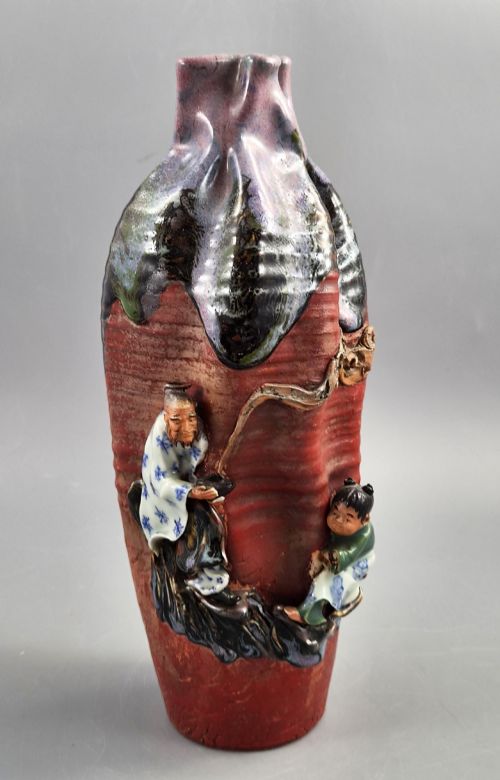
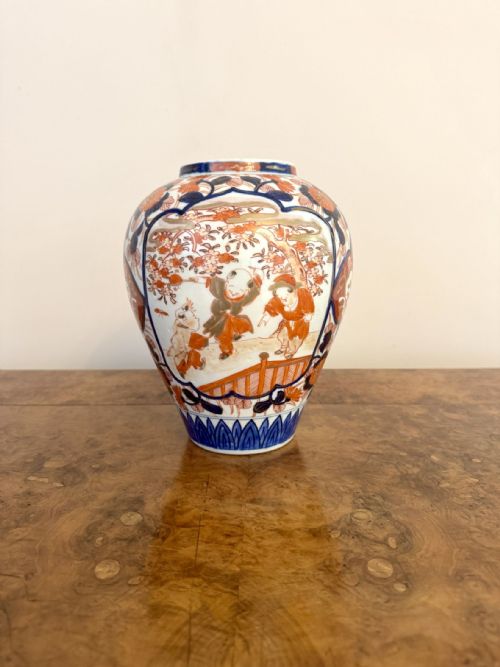
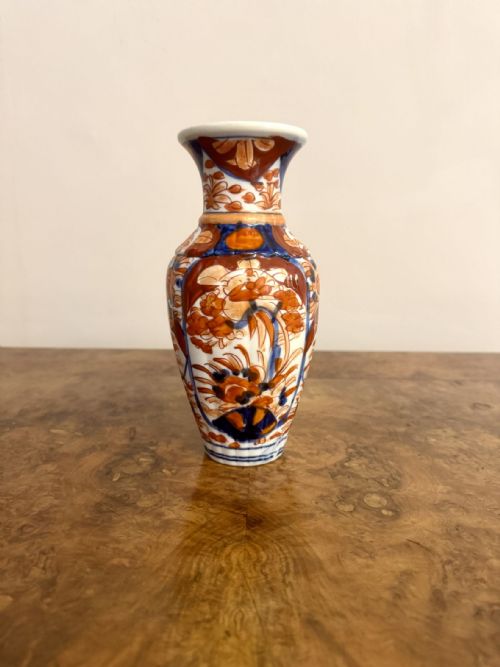
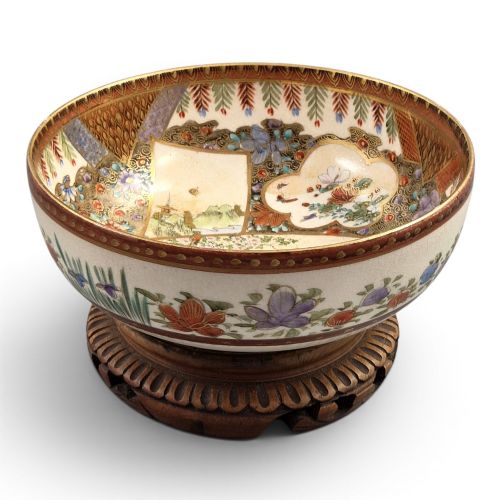
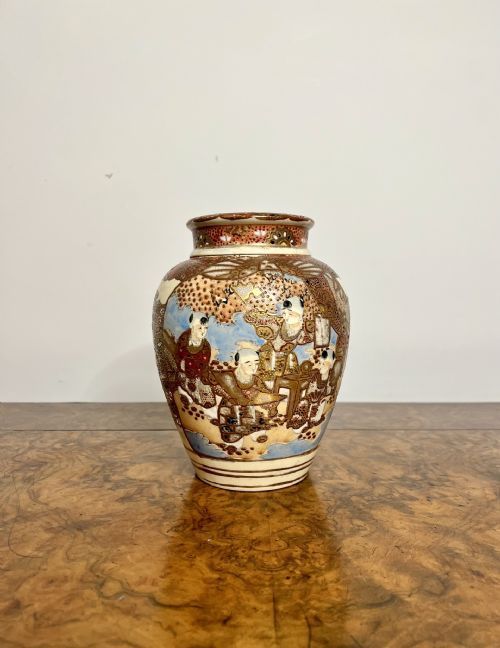
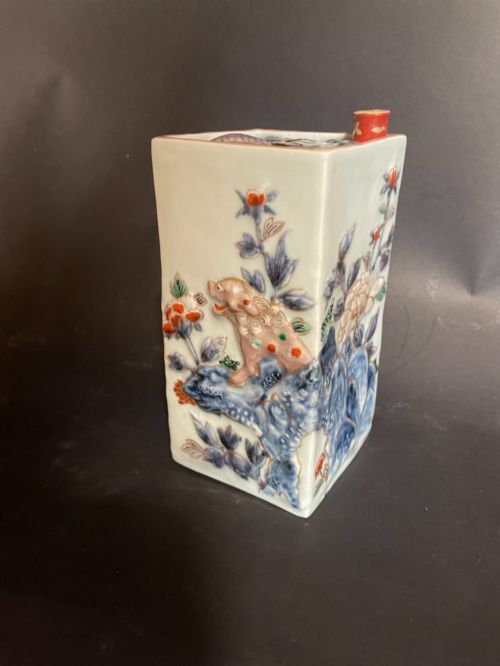
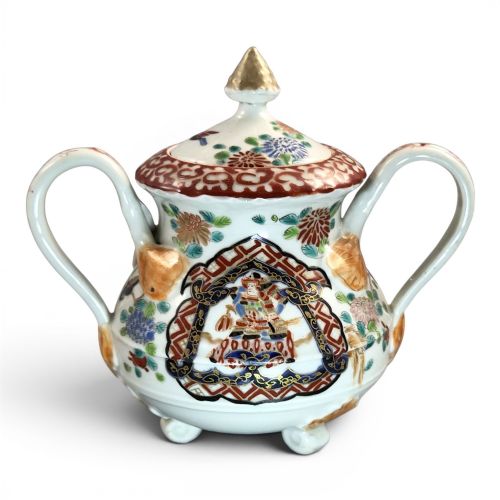
The most common examples on this page are Japanese Satsuma earthenware pieces decorated with elaborate figural scenes, alongside vibrant blue and red Imari porcelain and textured Sumida Gawa pottery. Makers and studios utilise traditional pottery shapes such as baluster vases, hexagonal vessels, ginger jars, and open jardinières.
How they were made
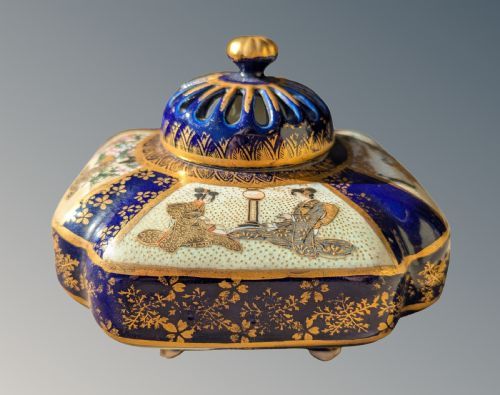
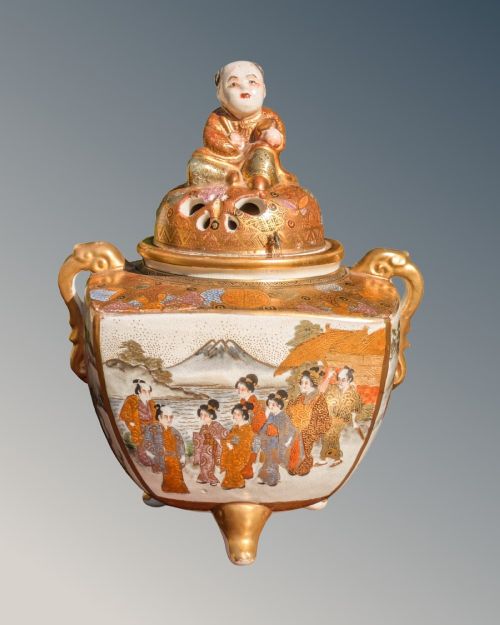
Potters shaped these items from earthenware, porcelain, and stoneware, frequently applying glazes and enamel details directly to the fired clay. Many pieces incorporate raised gilding and gold leaf highlights to accentuate complex pictorial scenes involving figures, dragons, and floral motifs.
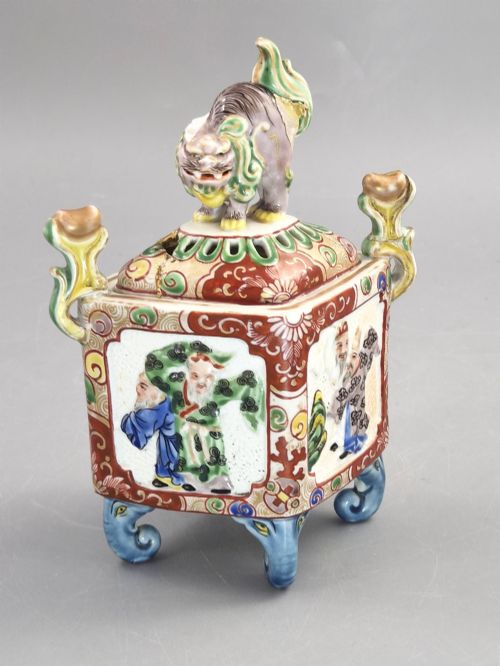
Specialised workshops also employed sculptural applied elements, such as modelled dragons, lion finials, and climbing figures moulded separately before attachment to the main body of the vessel.
Listings feature porcelain, earthenware, and stoneware forms including vases, tea caddies, and koro incense burners spanning the late nineteenth and early twentieth centuries.
What varies in quality
The distinction between standard commercial output and superior craftsmanship rests in the precision of the brushwork and the depth of the enamel palette. Highly regarded pieces display remarkably crisp figural expressions and controlled gilding that remains intact across complex surfaces.
Master workshops distinguished their output through refined potting techniques, balanced proportions on large forms, and clear maker signatures or family crests stamped or painted on the base.
Kinkozan·Kizan·Chosei·Makuzu Kozan
The Meiji Ceramic Vessel Glossary
- Koro
- A traditional Japanese incense burner typically featuring a body raised on feet and a fitted pierced cover. These vessels often include sculptural handles and guardian lion finials.
- Imari
- A style of Japanese porcelain decorated in underglaze blue and contrasting iron-red, complemented by supplementary enamel colours and gold highlights. These wares were widely produced for export.
- Satsuma
- A type of Japanese earthenware characterised by a pale, ivory-crackled glaze painted with detailed polychrome enamels and extensive gilt ornamentation. Production centred around the Kyoto region during the Meiji era.
- Natsume
- A small, flat-bottomed tea caddy traditionally used in Japanese tea ceremonies for holding matcha powder. They often feature tight-fitting lids and delicate surface decoration.
- Karako
- A traditional decorative motif depicting Chinese children at play, frequently rendered in historical Japanese ceramic designs.
Meiji Ceramic Vessel: Frequently Asked Questions
What is a meiji ceramic vessel?
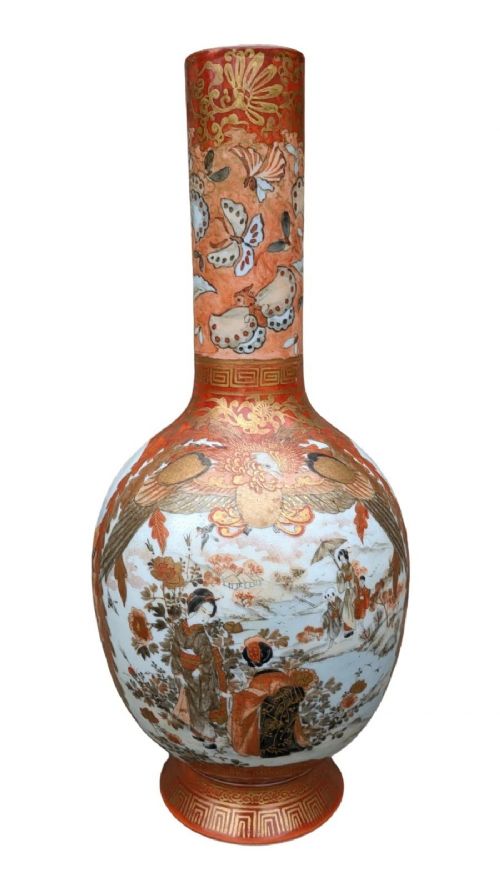
A meiji ceramic vessel is a decorative or functional pottery or porcelain item created in Japan during the Meiji period, encompassing styles like Satsuma, Imari, and Kutani.
These pieces reflect both traditional craftsmanship and the expanding global export market of the late nineteenth and early twentieth centuries.
How were these vessels used?
Many of these pieces served practical functions in daily life or ceremonial settings, such as burning incense in a koro, holding green tea in a natsume, or displaying floral arrangements in a jardiniere.
Larger items functioned primarily as decorative floor vases or mantel ornaments within both Japanese interiors and Western Victorian drawing rooms.
How do I identify Satsuma ware?
Satsuma ware is typically recognised by its distinctive warm, ivory-coloured earthenware body covered in a fine network of transparent crackled glaze.
Decoration usually consists of dense, meticulous hand-painted figural processions, deities, and floral patterns enhanced with raised gold leaf.
How do I care for antique ceramics?
These delicate earthenware and porcelain pieces require gentle handling and should be kept away from direct sunlight to preserve the stability of the enamel and gold leaf.
Dust them carefully with a dry, soft cloth and avoid using water or chemical cleaning agents on crackled or gilded surfaces.