




Antique Surprise Mug
An antique surprise mug conceals a ceramic creature inside, waiting to catch the drinker unaware.
Antique Surprise Mug
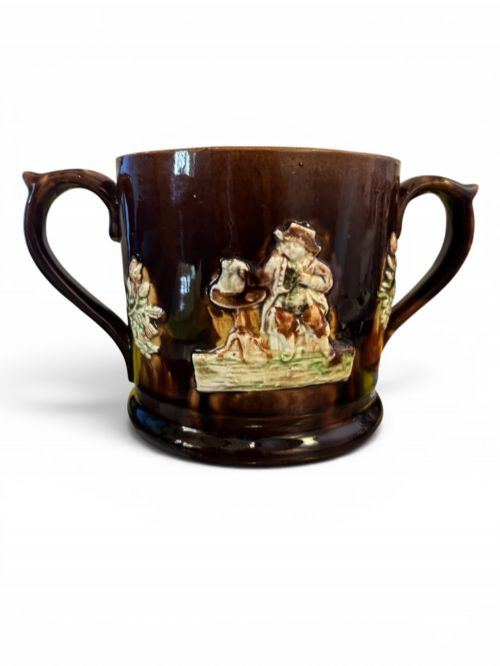
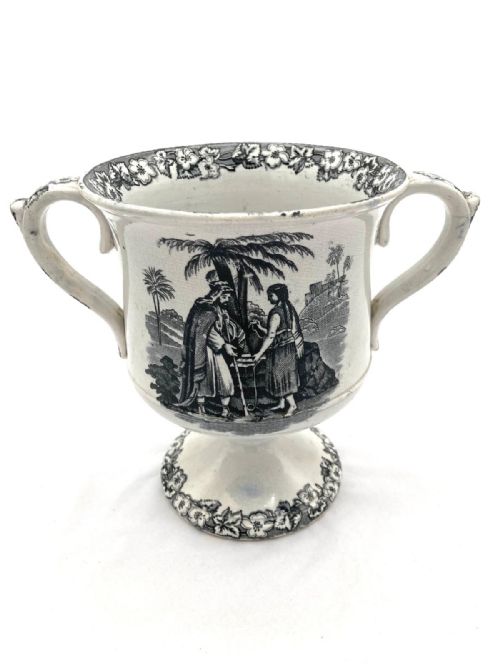
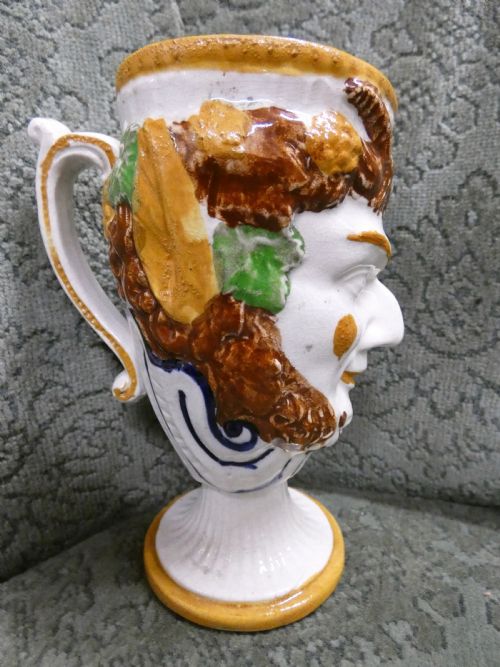
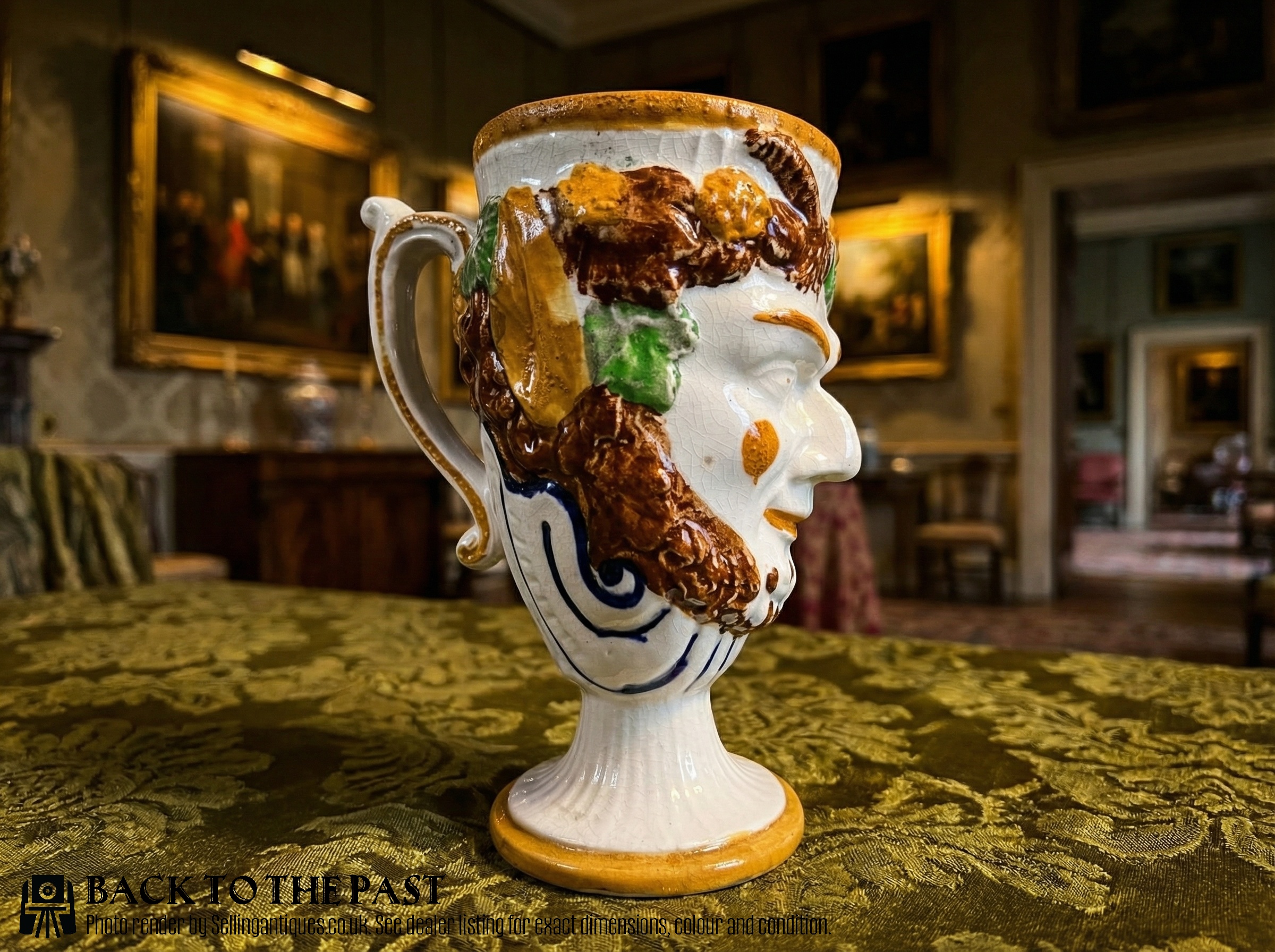
When you search for an antique surprise mug, you encounter drinking vessels designed to play a trick on the drinker. These pieces take the form of mugs, tankards, and loving cups that conceal moulded frogs, newts, or Bacchus figures near the rim or base. Most examples on this page date from the nineteenth century and the preceding Georgian and Regency eras, reflecting English country pottery and Staffordshire traditions.
The assortment includes two-handled ale tankards and loving cups, featuring both hand-painted decoration and transfer printing. Some pieces display names, dates, poems, or hunting scenes alongside the hidden amphibian. Collectors find specimens ranging from simple pearlware to large Winchester measure vessels.
How they were made
Potters constructed these vessels from earthenware and pearlware, shaping the bodies on the wheel or in moulds before adding handles. The hidden frogs and newts were separately modelled and fixed to the interior floor or walls of the mug before firing. Glaze was then applied to the ceramic surface to seal the piece.
Decoration relied on hand-painted pigments, enamel, and black or blue and white transfer printing, sometimes enhanced with gold leaf. Kiln firing fixed the colours and glaze, creating the durable finish seen on surviving examples.
Antique Surprise Mug Retail Price Guide 2026
Typical asking prices for surprise mug among the pieces listed under this phrase on Sellingantiques today, from the lower quarter to the upper quarter. They describe what is for sale here now, not the wider market.
Listings span the eighteenth and nineteenth centuries, encompassing Victorian, Georgian, and Regency styles executed in earthenware and pearlware.
What varies in quality
Quality rests in the crispness of the modelled interior creature and the precision of the exterior decoration. Hand-painted examples with clear names, dates, or detailed hunting scenes sit at a different level from standard transfer-printed wares.
The complexity of the form also matters, such as the distinction between a simple single-handled mug and a substantial two-handled loving cup or Winchester measure. Preservation of the enamel colours and the integrity of the pearlware glaze dictate the standing of each piece.
The Antique Surprise Mug Glossary
- Pearlware
- A refined earthenware developed in the late eighteenth century, featuring a fine white body and a glaze that pooled with a faint bluish tint. This material formed the base for many transfer-printed and hand-painted drinking vessels.
- Loving cup
- A large drinking vessel typically fitted with two or three handles, designed to be passed among companions. These pieces often commemorated specific events or displayed decorative transfer scenes.
- Transfer printing
- A decoration technique where an engraved copper plate applied an inked design onto tissue paper, which was then transferred onto the ceramic surface before glazing. This method allowed for intricate hunting scenes and verses to be repeated accurately.
- Winchester measure
- A specific legal standard of capacity used for English ale and wine vessels. Mugs built to this standard ensured fair trade in taverns.
- Bacchus
- The classical god of wine, whose face and iconography frequently appeared on Staffordshire drinking ceramics. Figures of Bacchus often incorporated surprise elements like frogs within the vessel.
Antique Surprise Mug: Frequently Asked Questions
What is a surprise mug?
A surprise mug is a historical drinking vessel featuring a moulded ceramic animal, usually a frog or newt, hidden inside near the bottom. As the drinker finished their ale, the creature would suddenly appear, creating a practical joke.
These pieces date primarily from the eighteenth and nineteenth centuries, originating from English country potteries and Staffordshire works.
Why did they put frogs inside mugs?
Potters added frogs and newts as a playful tavern prank to startle unsuspecting drinkers. The tradition combined humour with skilled ceramic modelling.
Over time, these mugs also became commemorative items, sometimes inscribed with names, dates, or poems for specific recipients.
How do I date an antique surprise mug?
Dating relies on examining the ceramic body, glaze characteristics, and decorative style. Pearlware bodies and hand-painted motifs often point toward the late eighteenth or early nineteenth century.
Later Victorian pieces frequently utilise transfer printing in black, blue, or mulberry tones, occasionally accompanied by specific dates inscribed on the side.
Were these mugs used for everyday drinking?
These vessels served practical purposes in taverns and homes for consuming ale and other drinks. Their robust earthenware and pearlware construction suited regular handling.
Larger two-handled loving cups were also passed around groups during celebrations and communal gatherings.