




Antique Frog Mug
An antique frog mug is a drinking vessel hiding a ceramic amphibian inside, designed to startle the drinker when the ale runs low.
Antique Frog Mug
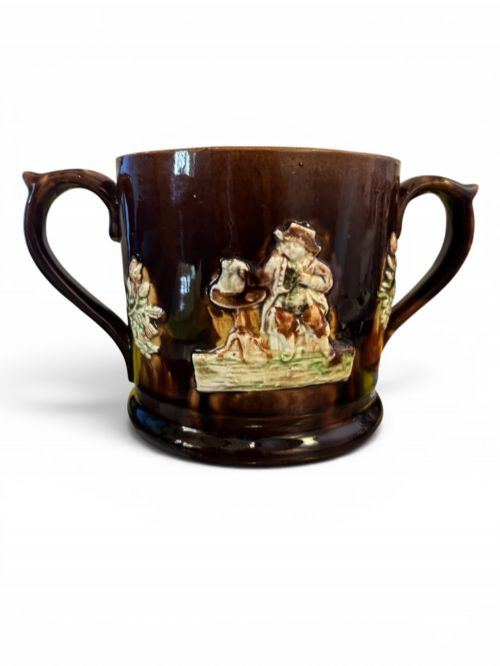
When you search for an antique frog mug, you are looking at drinking vessels primarily produced across the nineteenth and eighteenth centuries in English country pottery and Staffordshire workshops. These pieces take the form of mugs, tankards, and loving cups, often featuring two handles to steady the weight.
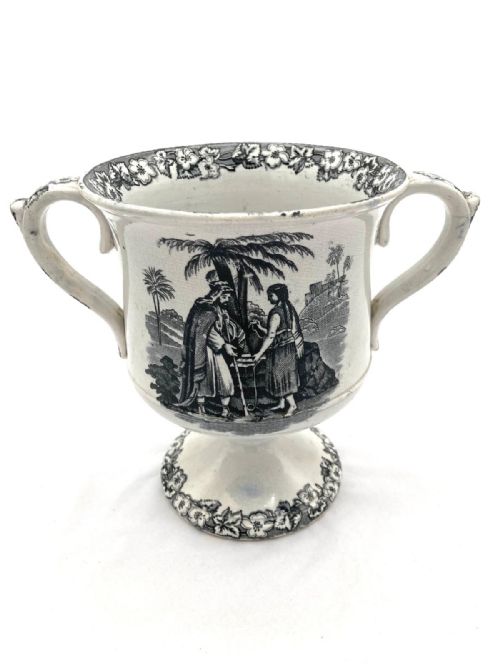
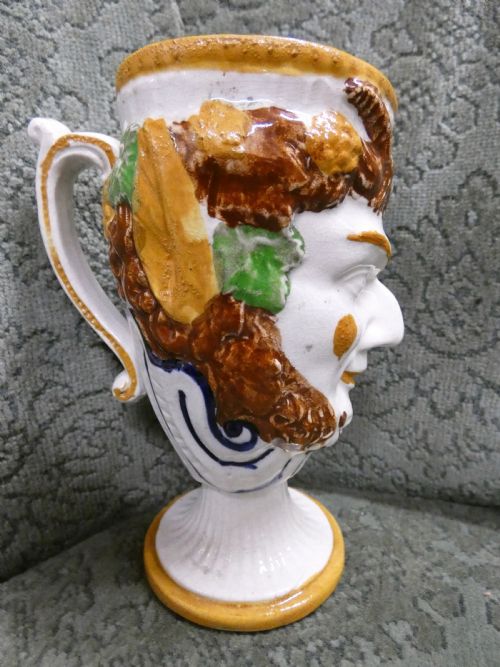
The version you are most likely to meet on this page is a nineteenth-century earthenware or pearlware vessel adorned with transfer printing or handpainted details. Many examples include frogs and newts alongside hunting scenes, names, dates, poems, or commemorative Winchester measures.
How they were made
Potters shaped these vessels from earthenware and pearlware, applying ceramic glazes to seal the porous clay body. Decoration relied heavily on black, blue, or mulberry transfer printing, alongside handpainted polychrome enamels and occasional touches of gold leaf.
Makers formed the surprise element separately, modelling small ceramic frogs or newts by hand and attaching them inside the base or rim so they emerged as the liquid cleared.
Antique Frog Mug Retail Price Guide 2026
Typical asking prices for frog mug among the pieces listed under this phrase on Sellingantiques today, from the lower quarter to the upper quarter. They describe what is for sale here now, not the wider market.
Some makers tucked an extra newt alongside the frog just to ensure the drinker received a double surprise at the bottom of the ale.
What varies in quality
The standard of a piece rests on the clarity of the transfer printing or the precision of the handpainted brushwork. Crisp transfer lines on a clean pearlware glaze indicate superior output compared to smudged prints on heavier, darker earthenware.
Complexity of form also elevates a piece, such as pedestal bases, twin handles, detailed hunting scenes, or personalized inscriptions with names and dates rather than generic patterns.
The Antique Frog Mug Glossary
- Pearlware
- A refined earthenware developed in the late eighteenth century featuring a subtle bluish glaze that pooled in recesses to mimic Chinese porcelain. It forms the smooth body of many nineteenth-century drinking vessels.
- Transfer printing
- A decoration technique where an engraved copper plate applied ink to tissue paper, which was then transferred onto the ceramic surface before glazing and firing. This method allowed intricate hunting scenes and poems to be repeated across mugs.
- Loving cup
- A large drinking vessel typically constructed with two or three handles so it could be passed securely between guests at communal gatherings. These often featured frogs inside to surprise the final drinker.
- Winchester measure
- A standardised legal capacity for the measurement of ale and wine in England. Surviving mugs bearing this designation indicate specific tavern or civic use.
- Polychrome
- The use of multiple enamel colours applied by hand over or under the glaze. This technique brought bright hues to mulberry prints and handpainted motifs.
Antique Frog Mug: Frequently Asked Questions
What is inside an antique frog mug?
A small ceramic frog or newt sits adhered to the interior base or climbing the inner wall of the vessel. As the drinker finishes their ale, the amphibian is revealed.
This practical joke was a popular drinking game in taverns and social gatherings during the eighteenth and nineteenth centuries.
How old are these mugs?
The pieces available range primarily from the eighteenth century through the nineteenth century, including Georgian, Regency, and Victorian periods. Specific dates sometimes appear painted or printed directly onto the pottery.
Stylistic clues like pearlware glazes and transfer printing styles help narrow down the production era.
Why do some mugs have two handles?
Two-handled examples function as loving cups, designed to be passed between multiple drinkers during communal toasts. The extra handle provided a secure grip when the vessel was filled with heavy ale.
Many frog mugs utilised this twin-handled format to accommodate the larger capacity required for shared drinking.
What materials were used to make them?
Potters utilised earthenware and pearlware bodies coated in ceramic glazes. Decoration was achieved through handpainting, enamel colours, and black, blue, or mulberry transfer printing.
Gold leaf occasionally highlights inscriptions, names, or decorative borders on finer examples.