



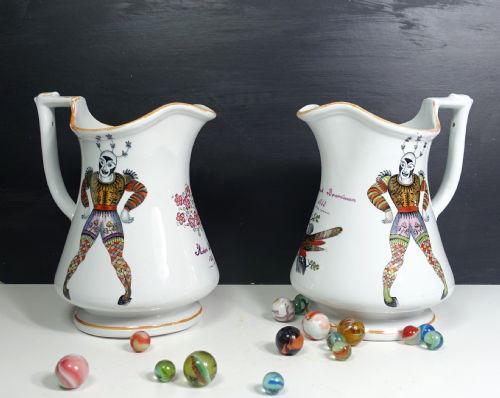

Victorian Novelty Pottery
These pieces of victorian novelty pottery bring wit and eccentricity to the table, offering clever forms that delight collectors with their unexpected details.
Victorian Novelty Pottery
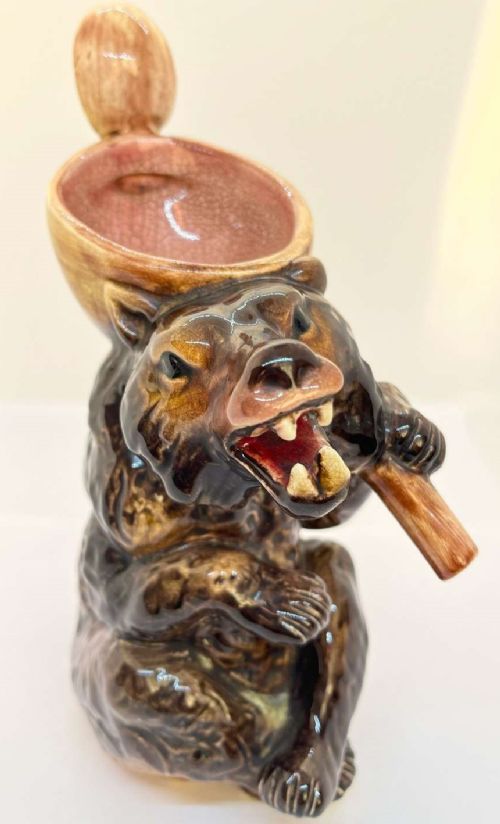
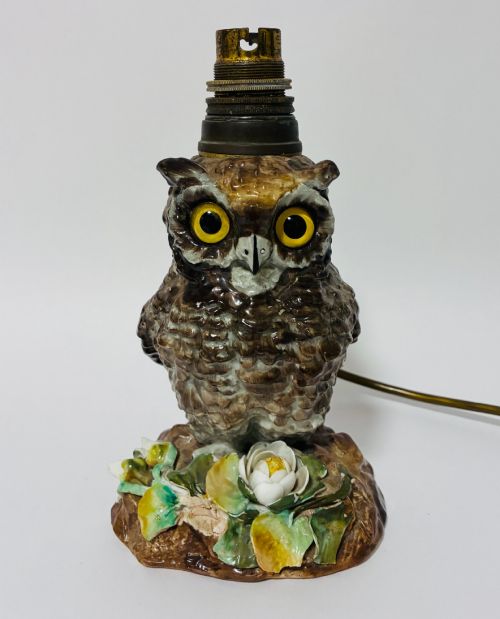
Victorian novelty pottery encompasses an imaginative array of functional vessels transformed by playful modelling, including bear jugs, owl lamp bases, and tobacco jars. These whimsical ceramics often take the shape of animals or human figures, blending household utility with theatrical display.
Mugs and tankards frequently incorporate hidden elements such as applied frogs and newts inside the rim, or clever spouts that require a specific method of drinking to avoid spills. Such items reveal a distinct Victorian appetite for parlour humour and lighthearted trickery.
How They Were Made
Potters shaped these earthenware, ironstone, and stoneware bodies through moulding and hand-modelling, allowing for complex sculptural forms like Chinese boys resting on melons and detailed animal pelts. Coloured glazes, enamel pigments, and occasionally gold leaf highlights were applied to accentuate the relief work and decorative contours.
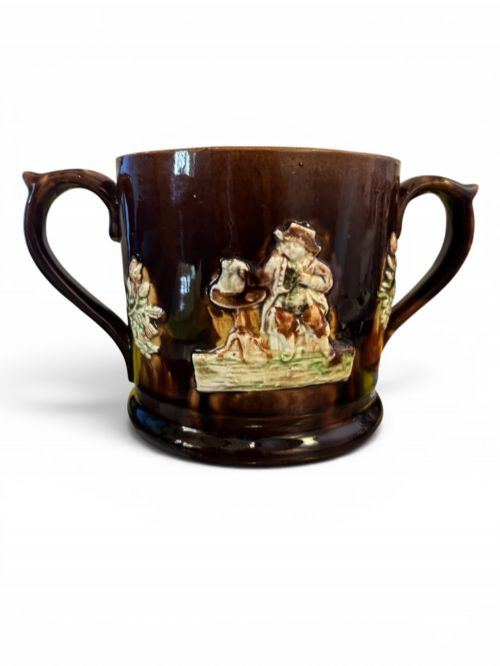
Lead glaze techniques provided the brilliant, lustrous surfaces seen on Victorian majolica pieces, while transfer printing and polychrome painting brought rich narratives and poems to the exterior walls of mugs and loving cups.
Victorian Novelty Pottery Retail Price Guide 2026
Typical asking prices for victorian novelty pottery among the pieces listed under this phrase on Sellingantiques today, from the lower quarter to the upper quarter. They describe what is for sale here now, not the wider market.
Listings feature earthenware, ironstone, and stoneware bodies decorated with colourful lead glazes, enamel, and gold leaf.
What Varies in Quality
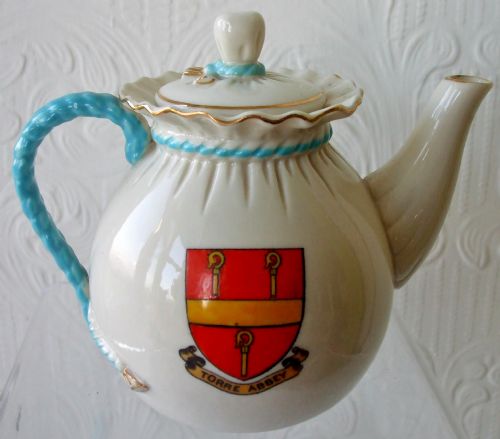
The complexity of the form also dictates distinction, separating straightforward vessels from intricate puzzle jugs and figural teapots that demand advanced technical skill in both construction and glazing.
Holdcroft·W.H. Goss
The Victorian Novelty Pottery Glossary
- Majolica
- A type of earthenware covered with an opaque tin glaze or colourful lead glazes, popular during the Victorian era for bright figural wares. It creates a rich, glossy surface that highlights moulded details.
- Puzzle Jug
- A ceramic vessel with perforated necks and multiple spouts that challenges the drinker to find the secret path of liquid without spilling. It is a traditional tavern trick item.
- Ironstone
- A heavy, durable type of semi-vitreous pottery patented in the nineteenth century to provide a strong alternative to porcelain. It often forms the robust body of novelty jugs and mugs.
- Staffordshire
- A major English pottery region known for producing diverse figurative ceramics, animals, and decorative vessels throughout the nineteenth century. These works capture the popular folk art tastes of the period.
- Transfer Printing
- A method of applying pre-printed decorative patterns or poems onto pottery surfaces using paper tissues. It allowed intricate text and illustrations to be reproduced consistently on mugs and tankards.
Victorian Novelty Pottery: Frequently Asked Questions
What is a frog mug?
A frog mug is a drinking vessel featuring a small ceramic frog modelled inside the base or peering over the rim, designed to surprise the drinker as the liquid lowers.
These practical jokes were popular in English taverns during the eighteenth and nineteenth centuries to encourage social laughter and gentle wagering among company.
How do you use a puzzle jug?
A puzzle jug requires the drinker to cover hidden holes in the hollow rim or handle with their fingers while drawing liquid through a specific spout.
If the correct sequence is missed, the beverage escapes through the perforations, turning the act of drinking into a playful test of wits.
What distinguishes Victorian majolica?
Victorian majolica is defined by its vibrant, mottled lead glazes applied over moulded earthenware bodies, creating deep greens, browns, and blues. The technique produced highly tactile, glossy surfaces ideal for animal jugs and figural teapots.
Makers used these bright metallic oxides to catch the light and emphasise sculptural relief.
Where were these pieces made?
The majority of these novelty ceramics originated in the Staffordshire potteries and other regional English kilns during the nineteenth century. Factories produced them for both domestic display and tavern entertainment.
Local workshops contributed distinct folk art traditions, ranging from transfer-printed poems to hand-painted character pieces.