




Antique Ceramic Drinking Mug
An antique ceramic drinking mug brings tangible historical character to the table, offering a sturdy vessel rooted in centuries of daily use.
Antique Ceramic Drinking Mug
When you search for an antique ceramic drinking mug, you encounter a varied selection of functional drinking vessels spanning the eighteenth and nineteenth centuries. These pieces encompass earthenwares, porcelains, and stoneware forms designed for ale, beer, or porter.
The assortment on this page ranges from Georgian porcelain porter mugs to nineteenth century pearlware frog mugs and Victorian pottery. You will frequently find specialist drinking vessels, including loving cups and tankards bearing hand painted details, inscriptions, or moulded figural designs.
How they were made
Potters utilised earthenware, pearlware, and porcelain bodies, shaping them into mugs and tankards through throwing and moulding techniques. Artisans often applied lead or salt glazes to seal the porous clay before firing.
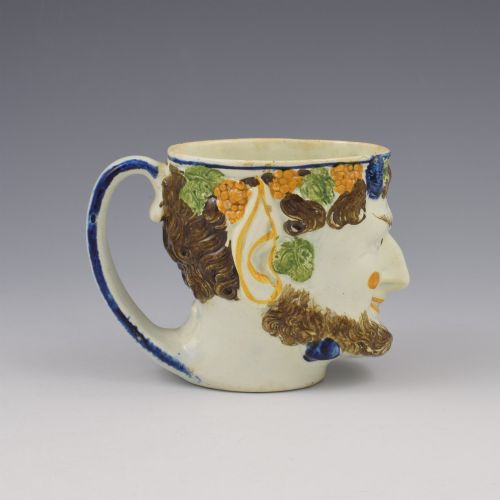
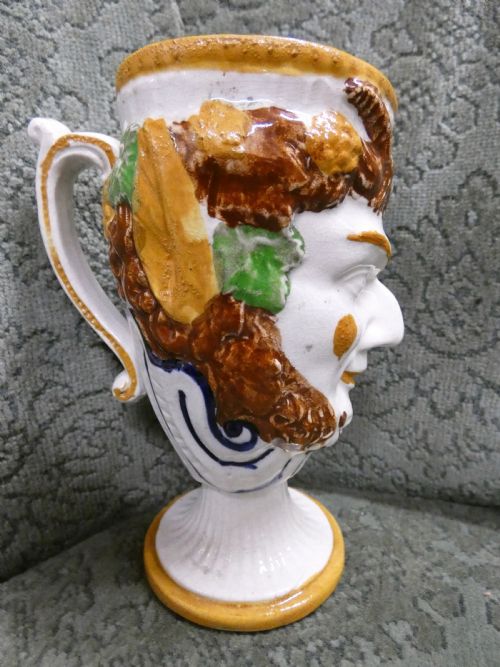
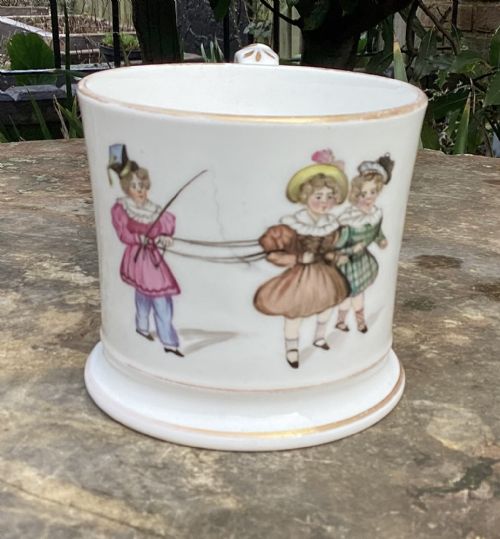
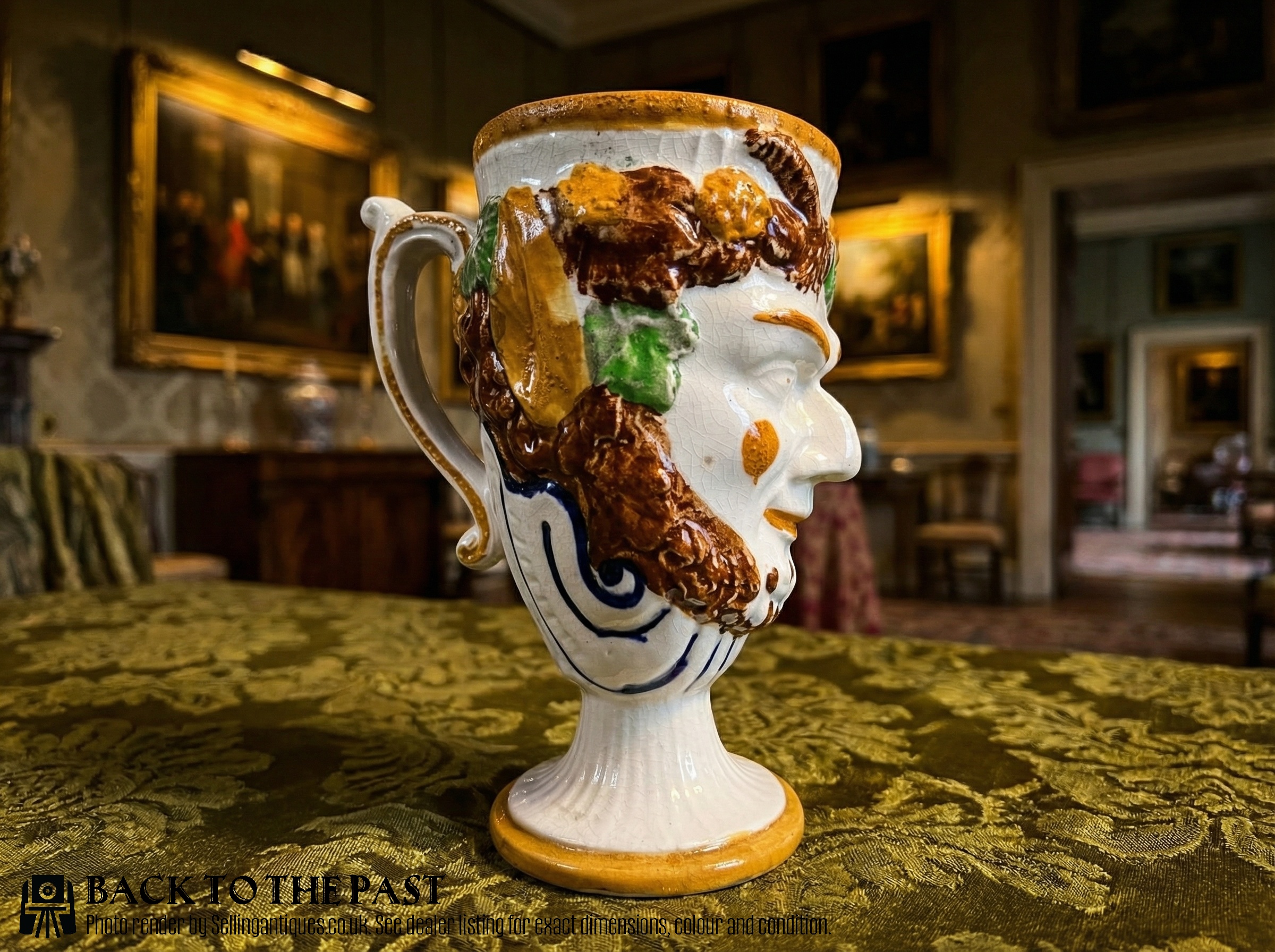
Decoration relied on hand painting, enamel colours, and occasional gold leaf accents. Figural pieces like Bacchus satyr mugs required detailed mould work, while frog mugs incorporated ceramic amphibians modelled inside the base to surprise the drinker.
Early potters placed ceramic frogs inside mugs simply to startle unsuspecting drinkers at the bottom of a pint.
What varies in quality
Quality rests upon the crispness of the moulding and the execution of the hand painting. Finer porcelain mugs exhibit translucent bodies and delicate brushwork, whereas utilitarian earthenware pieces display robust, thicker walls meant for heavy tavern use.
The sophistication of the glaze and the complexity of the subject matter distinguish standard production from superior examples. Pieces featuring named inscriptions, dated events, or sculptural elements like lizards and frogs demand greater technical skill.
Derby Porcelain·Mettlach·Duesbury and Kean
The Antique Ceramic Drinking Mug Glossary
- Pearlware
- A refined earthenware developed in the late eighteenth century featuring a bluish glaze that pooled in crevices. This material served as the base for many hand painted frog mugs and commemorative vessels.
- Frog mug
- A drinking vessel featuring a small ceramic frog modelled inside the rim or base. As the owner finished their drink, the hidden amphibian appeared as a practical joke.
- Porter mug
- A large ceramic vessel designed specifically for dark malt beverages. These pieces typically possess sturdy handles and cylindrical bodies suited to tavern life.
- Westerwald
- A German stoneware tradition known for salt glazed vessels decorated with cobalt blue incisions. These tankards represent continental manufacturing imported into Britain.
- Gaudy Welsh
- A distinctive brightly coloured pottery style popular in the nineteenth century. It combined cobalt blue, copper lustre, and iron red on utilitarian earthenware.
Antique Ceramic Drinking Mug: Frequently Asked Questions
What is a frog mug?
A frog mug is a drinking vessel that contains a small ceramic frog modelled inside the bottom. As the drinker finished the beverage, the hidden figure emerged to surprise them.
These novelty mugs were popular in British taverns and homes throughout the late eighteenth and nineteenth centuries, often serving as commemorative or presentation pieces.
How do I date an antique ceramic mug?
Dating relies on identifying the ceramic body, glaze characteristics, and painting style. Pearlware points towards the late eighteenth and early nineteenth centuries, while porcelain examples often align with Georgian or Regency periods.
Inscriptions, dates, and specific maker marks provide further chronological clues. Comparing the form to documented pieces helps narrow down the decade of manufacture.
Were these mugs used for daily drinking?
Many of these vessels served practical roles in taverns and households for consuming ale, beer, or porter. Sturdier earthenware and stoneware tankards handled heavy daily service.
More delicate porcelain porter mugs and inscribed presentation pieces likely saw careful handling on special occasions rather than rough everyday use.