


Vintage Floral Ceramic Cup
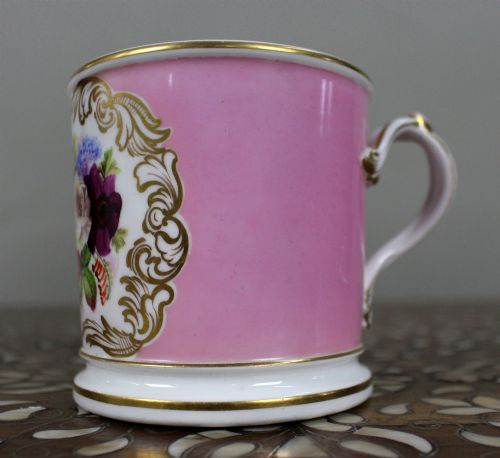
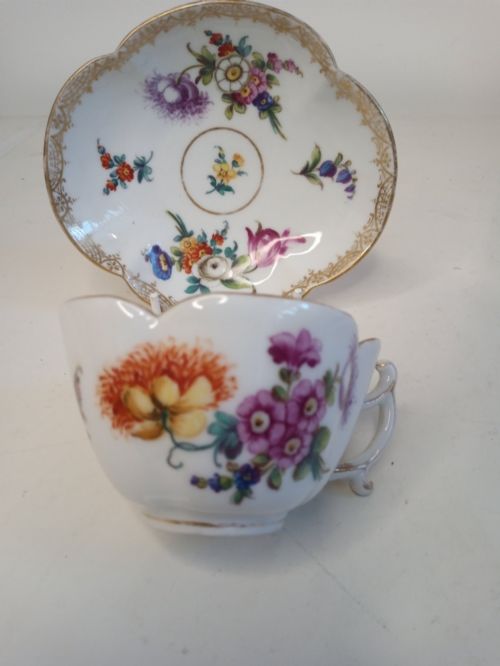
A vintage floral ceramic cup brings pattern and colour to the table, taking the form of teacups, demitasses, and loving cups.
Vintage Floral Ceramic Cup
When searching for a vintage floral ceramic cup, buyers encounter a range of drinking vessels spanning the Georgian, Victorian, and Edwardian periods up to the 1930s. The selection includes teacups and saucers, demitasses, tankards, and loving cups decorated with botanical motifs.
Most items on this page take the form of teacups and saucers alongside demitasses, shaped from ceramic, porcelain, and earthenware. Makers from English factories to continental European houses applied floral patterns during the nineteenth and early twentieth centuries.
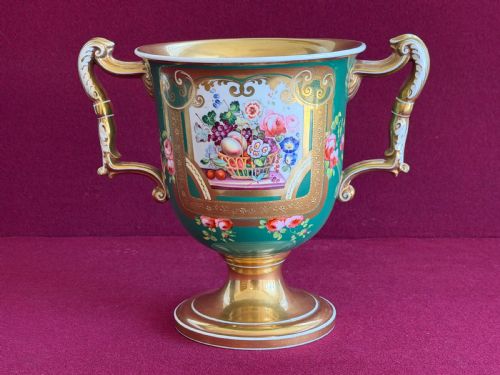
Forms vary from standard tea service pieces to grander loving cups and lidded broth cups. Pieces reflect distinct design movements such as Regency, Rococo Revival, Art Nouveau, and Art Deco.
How they were made
Potters shaped these vessels using porcelain, earthenware, and ceramic bodies before applying detailed glazes. Many examples feature hand-painted floral decorations combined with applied gold leaf or gilding.
Techniques range from delicate transfer-printed patterns like bat wing designs to freehand brushwork on porcelain and pottery surfaces. Firing methods produced smooth glazed finishes capable of holding liquids while displaying intricate polychrome botanical scenes.
Loving cups were built with multiple handles so guests could pass the vessel around without spilling their tea.
What varies in quality
Quality shows in the crispness of the hand-painted floral details and the precision of the gilding applied to the ceramic surface. Superior pieces exhibit finer porcelain bodies and more complex decorative schemes.
The reputation of the factory and the artistic ambition of the pattern influence the standard of the finished cup and saucer. Well-preserved gilding and carefully executed botanical subjects distinguish the finest examples from standard production items.
Grainger Worcester·H and R Daniel·Coalport·Clarice Cliff·Royal Doulton·Gardner Porcelain Moscow Factory·Richard Ginori·Hutschenreuter·Royal Worcester·KPM
The Vintage Floral Ceramic Cup Glossary
- Demitasse
- A small cup used for serving strong black coffee or espresso. These pieces frequently match larger tea service sets.
- Gilding
- The application of gold leaf or gold paint to ceramic surfaces for decoration. This technique highlights rims, handles, and floral borders.
- Earthenware
- A porous type of pottery fired at lower temperatures than porcelain. It requires a vitreous glaze to hold liquids effectively.
- Loving cup
- A large drinking vessel featuring multiple handles, traditionally shared among guests. These forms often commemorate special occasions.
- Transfer printing
- A mechanical method for applying complex patterns to ceramics using engraved plates and tissue paper.
Vintage Floral Ceramic Cup: Frequently Asked Questions
How do I date a floral ceramic cup?
Dating relies on factory marks, style periods, and the composition of the ceramic body. Examining the style of the floral painting and any backstamps provides clues to the era of manufacture.
Pieces from the Georgian and Regency eras differ in form and paste from 1930s Art Deco wares by Clarice Cliff or Royal Worcester.
Can I use these cups for daily tea?
Many antique cups remain structurally sound for gentle daily use, though hand washing is necessary to protect fragile gilding and painted surfaces.
Fine porcelain and earthenware from the nineteenth century require careful handling to avoid thermal shock and chips.
What is a demitasse cup?
A demitasse is a small cup designed specifically for serving concentrated coffee rather than standard portions of tea.
These smaller vessels often share the same floral patterns and colour palettes as larger teacups within a matched service.
Are saucers always included with the cups?
Listings specify whether a cup comes paired with its original matching saucer or if it is offered as an individual piece.
Teacups and demitasses frequently survive alongside their saucers, while mugs, tankards, and loving cups do not require them.