


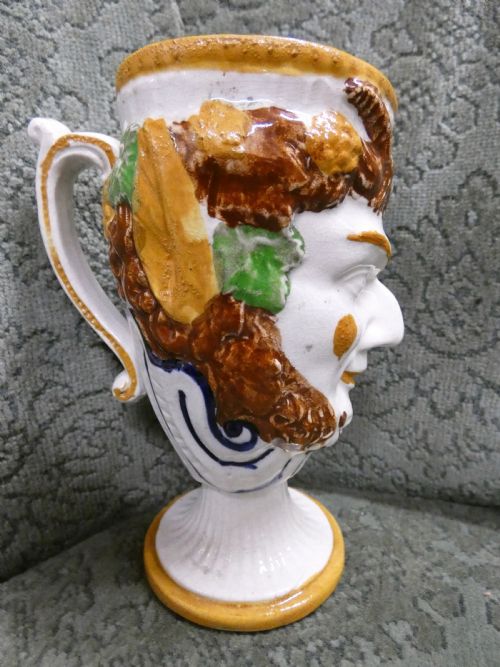

Staffordshire Pottery Mug
A staffordshire pottery mug brings robust earthenware character and hand-painted charm to your table, offering a tactile piece of Georgian and Victorian social history.
Staffordshire Pottery Mug
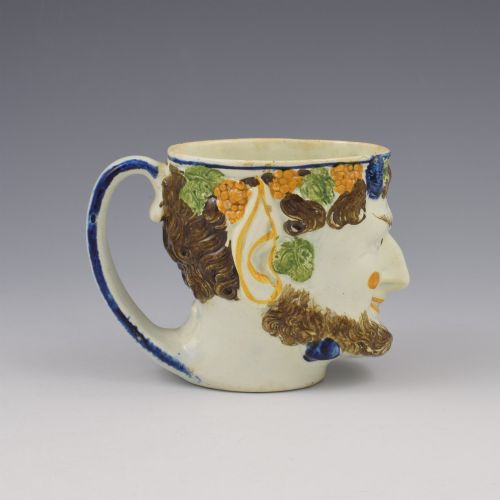
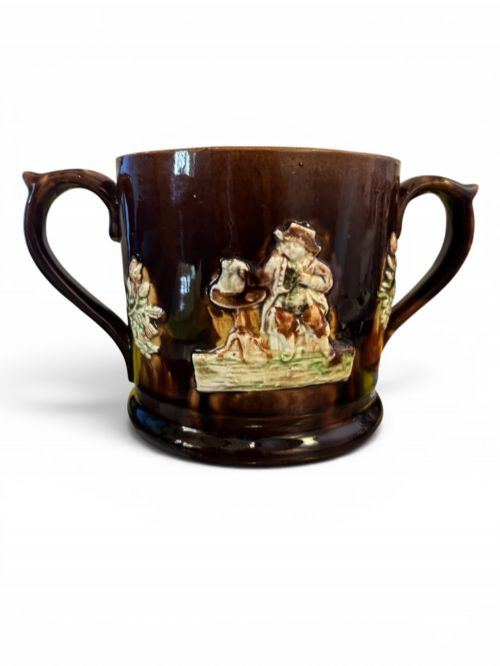
A staffordshire pottery mug encompasses robust earthenware and pearlware vessels made for drinking ale and commemorating personal milestones during the Georgian and Victorian periods. You will regularly encounter character jugs like the Bacchus satyr, alongside two-handled loving cups and curious drinking vessels.
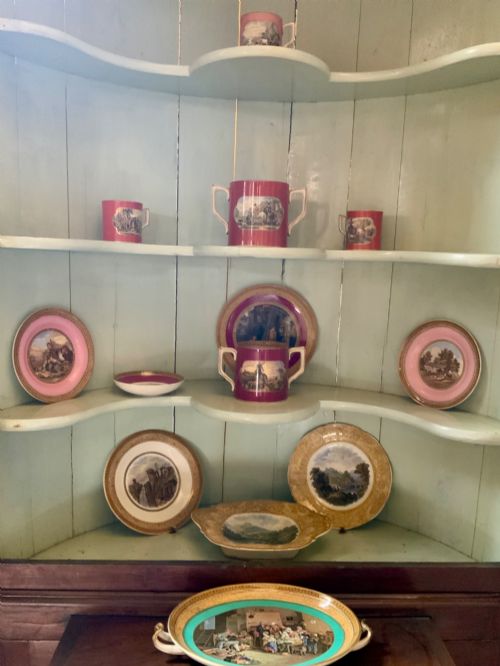
The selection ranges from early pearlware jugs bearing names and dates to transfer-printed hunting scenes and vibrant Gaudy Welsh patterns. These drinking vessels bridge the gap between utilitarian tavern ware and domestic display pieces.
Mugs decorated with hidden ceramic frogs or newts emerge frequently across the nineteenth-century listings, designed to surprise the drinker as the liquid recedes. Such pieces capture the playful, robust social drinking culture of English country pottery.
How they were made
Potters shaped these vessels in earthenware and pearlware bodies, applying liquid glazes to seal the porous clay before firing. Hand-painted details, enamel colours and gold leaf were often added over the glaze to enrich the finished appearance.
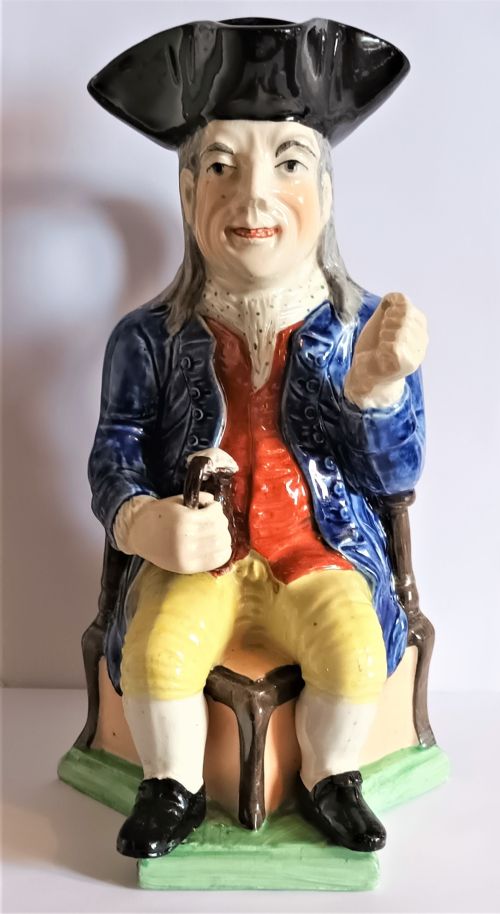
Transfer printing provided intricate surface decoration, producing crisp black, white or mulberry hunting scenes and poetic verses across the cylindrical walls of the tankards. Artisans also modelled expressive character forms in relief, as seen in the Bacchus satyr and Toby jug designs.
An amphibious surprise awaits unsuspecting drinkers at the bottom of these nineteenth-century ceramic vessels.
What varies in quality
The crispness of the modelled relief work and the delicacy of the hand-painted enamels dictate the artistic merit of individual mugs. Superior examples display carefully controlled glaze surfaces and sharp transfer printing without blurring or pooling.
Pieces that retain clear personal inscriptions, specific dates and intact interior surprises demonstrate higher collector interest. The retention of original gold leaf highlights and well-preserved enamel colours further elevates the standing of a piece within its period.
Mason's Ironstone
The Staffordshire Pottery Mug Glossary
- Pearlware
- A refined earthenware developed in the late eighteenth century featuring a subtle bluish tint in the glaze. This material provided a whiter surface that imitated Chinese porcelain more successfully than standard creamware.
- Frog mug
- A drinking vessel featuring a small ceramic frog modelled inside the base or clinging to the rim. The creature appears unexpectedly as the beverage is consumed, often serving as a drinking prank.
- Toby jug
- A pottery jug modelled in the form of a stout, cheerful man usually wearing a tricorn hat and holding a mug of ale. These figural pieces date predominantly to the Georgian and Victorian eras.
- Loving cup
- A large drinking vessel constructed with two or three handles to allow multiple people to share the contents. They frequently commemorated marriages, partnerships or communal gatherings.
- Transfer printing
- A decoration technique where an engraved copper plate transfers a design onto tissue paper, which is then pressed onto the ceramic surface. This method allowed intricate scenes to be reproduced consistently.
Staffordshire Pottery Mug: Frequently Asked Questions
What is a frog mug?
A frog mug is a drinking vessel that conceals a small ceramic frog inside, designed to startle the drinker when the liquid empties. These practical jokes were popular in taverns during the eighteenth and nineteenth centuries.
They often featured inscriptions, names, or dates to commemorate specific individuals or social occasions, combining utility with local folklore.
How do I date a pearlware mug?
Pearlware mugs are generally identified by the characteristic bluish pooling of the glaze in recessed areas and crevices. This refined earthenware body gained popularity from the late Georgian period onwards.
Many examples carry painted dates, specific historical inscriptions, or style indicators like transfer-printed hunting scenes that help narrow down their exact decade of manufacture.
Were these mugs used for drinking?
These sturdy earthenware and pearlware vessels served as functional drinking vessels in homes and taverns for ale and other beverages. Two-handled loving cups were specifically designed for communal passing during celebrations.
Over time, many of these robust pieces transitioned from active tavern service into decorative display items on country dressers and shelves.
What is a Bacchus mug?
A Bacchus mug is modelled in the shape of the head of Bacchus, the classical god of wine and agriculture. These figural vessels typically feature expressive facial details and grape vine motifs.
Potters in the Staffordshire region produced these characterful jugs in earthenware and pearlware during the Georgian era to celebrate convivial drinking traditions.