




Victorian Pottery Mug
A victorian pottery mug is a tactile piece of drinking history, offering a robust glimpse into nineteenth-century tavern and domestic life.
Victorian Pottery Mug
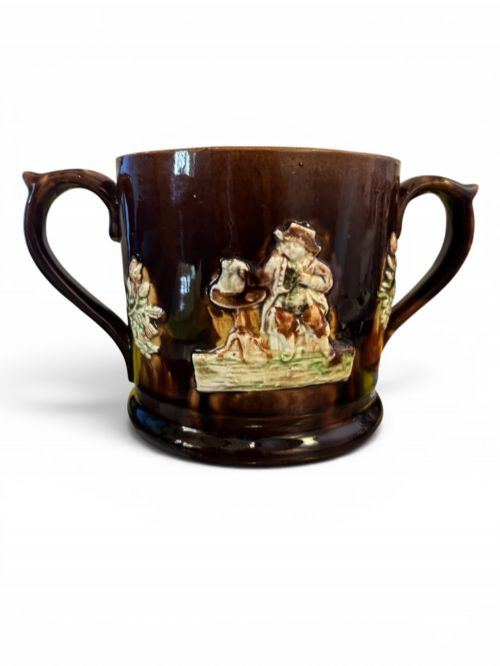
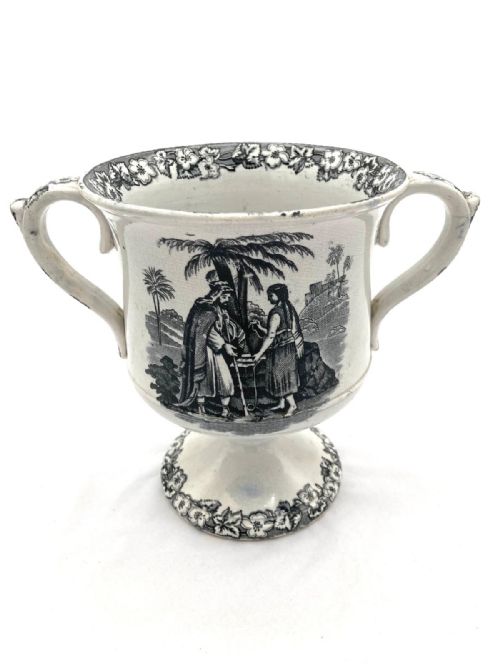
When you search for a victorian pottery mug, you encounter vessels spanning the nineteenth century, alongside earlier eighteenth-century examples. These pieces encompass various forms including standard mugs, pint vessels, half-pint editions, and larger loving cups or tygs.
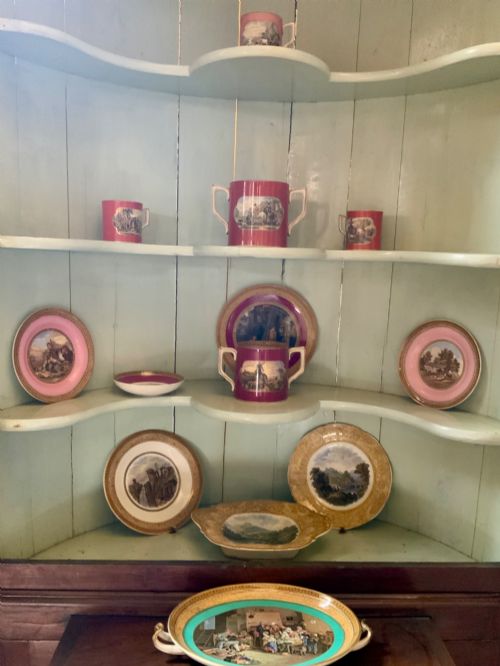
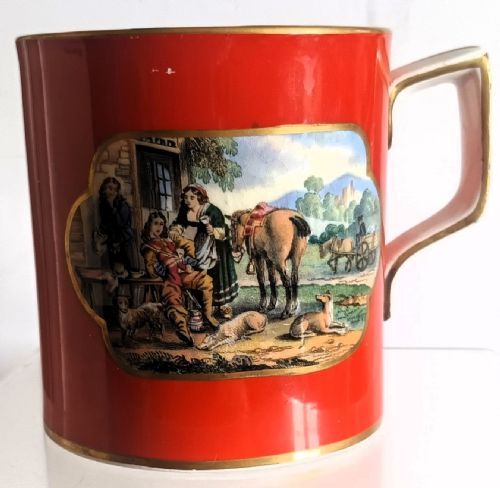
The selection ranges from simple English country pottery and gaudy welsh wallflower patterns to elaborate transfer-printed pieces featuring hunting scenes and poems. You will also find novelty items such as frog mugs and surprise spitting mugs designed to amuse drinkers.
Makers and potteries represented in this category include Copeland and Doulton Lambeth, often utilising distinctive stoneware and earthenware bodies. Pieces frequently display rich decorative treatments from polychrome applications to detailed black and white transfer prints.
Materials and construction
Potters of the period primarily relied upon earthenware, ceramic, and durable stoneware bodies to form the structure of each mug and tankard. These ceramic bases provided the heavy, utilitarian strength required for daily drinking vessels.
Surface decoration involved diverse techniques, including black and mulberry transfer printing to apply intricate hunting scenes, poems, and botanical motifs. Many items received hand-applied polychrome pigments, multi-coloured glazes, and occasional gold leaf or silver mounts.
Listings feature earthenware, stoneware, and porcelain bodies, alongside decorative elements like gold leaf, silver mounts, and polychrome glazes.
Judging the range
Quality separates standard utilitarian wares from specialised presentation pieces, such as institutional tankards marked for schools or signed studio pieces. The clarity of transfer-printed hunting scenes and the precision of hand-painted polychrome colouring dictate visual appeal.
The inclusion of complex functional elements, such as multiple handles on a loving cup or hidden interior frogs and newts, indicates greater manufacturing ambition. Additionally, the presence of precious metal accents, like silver mounts or gilt highlights, elevates certain jugs above plain glazed earthenware.
Doulton Lambeth·Florence E Barlow·Copeland
The Victorian Pottery Mug Glossary
- Tyg
- A large drinking vessel featuring three or more handles, designed to be passed around a group. They frequently appear in stoneware and earthenware.
- Frog mug
- A novelty drinking vessel containing a small ceramic frog or newt concealed inside at the base. The creature surprises the drinker as the liquid level drops.
- Stoneware
- A dense, impermeable ceramic fired at high temperatures until vitrified. It provides exceptional durability for nineteenth-century mugs.
- Transfer printing
- A decoration technique where an engraved copper plate transfers a design onto paper, which is then pressed onto the ceramic. This method allowed for consistent, detailed hunting scenes and text.
- Pratt-ware
- An early style of earthenware characterised by underglaze polychrome decoration in muted blue, ochre, brown, and green hues.
Victorian Pottery Mug: Frequently Asked Questions
What is a frog mug?
A frog mug is a traditional drinking vessel featuring a small ceramic frog modelled inside the base. As the drinker finishes the beverage, the creature appears as a practical joke.
These novelty mugs date back to the eighteenth and nineteenth centuries, often appearing in tavern settings to catch unsuspecting drinkers off guard.
How do you use a loving cup?
A loving cup is a large communal drinking vessel typically constructed with two or more handles. It was passed among guests during celebrations and toasts.
Because multiple people shared the vessel, the extra handles allowed each person to hold it securely while passing it to the next drinker.
What is a tyg?
A tyg is a heavy drinking mug characterised by multiple vertical handles arranged around the body. This specific form dates back centuries and gained popularity in stoneware during the Victorian era.
The multiple handles allowed drinkers to pass the vessel safely around a crowded table without dropping it.
How do I care for antique pottery?
Antique pottery requires gentle handling and should be washed by hand in lukewarm water without harsh detergents. Avoid soaking pieces with historical glazes or silver mounts.
Display them away from direct sunlight and extreme temperature fluctuations to protect the ceramic body and any transfer-printed details.